How to Make Peace With Insomnia in the Still of the Night?
How to Make Peace With Insomnia in the Still of the Night?
In today's fast-paced world, insomnia has become an increasingly common health issue affecting a growing number of people. Many develop chronic insomnia, which causes significant distress. Chronic insomnia is defined as experiencing symptoms for more than three months, with episodes occurring at least three times per week. Some individuals develop a habitual pattern of reacting to even minor stress with sleeplessness. However, it is important to remember that we are not powerless in addressing insomnia. Below are several effective self-adjustment techniques to help you gradually reclaim the "good night's sleep" that has been eluding you.
Follow along with me!
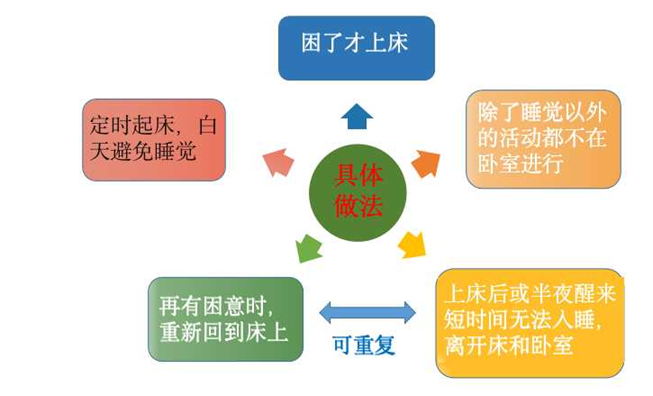
1. Establish a Regular Sleep Schedule
Maintaining a consistent daily routine is crucial for improving chronic insomnia. Try to go to bed and wake up at the same time every day, including weekends. This helps regulate your body's internal clock. Over time, falling asleep and waking up will become a natural habit.
2. Optimize Your Sleep Environment
Creating an environment conducive to sleep is crucial. Keep the bedroom tidy and well-ventilated, maintain the room temperature between 16–20°C, use blackout curtains to minimize light exposure, and ensure your mattress and pillows are comfortable. Additionally, reduce noise pollution by using earplugs or a white noise machine if needed. Furthermore, avoid using electronic devices before bedtime to limit blue light exposure, as this is also an effective way to alleviate insomnia.

3. Mind Your Diet and Exercise
A balanced intake of protein, carbohydrates, fats, and various vitamins and minerals ensures your body receives adequate nutrition, laying the foundation for quality sleep. Avoid overeating at dinner, as well as spicy foods, caffeine, and alcohol, as these can disrupt sleep. Moderate daytime exercise, such as walking, yoga, or light aerobic activities, can improve sleep quality at night. However, it's best to avoid vigorous exercise within two hours before bedtime.

4. Relax Your Mind and Body
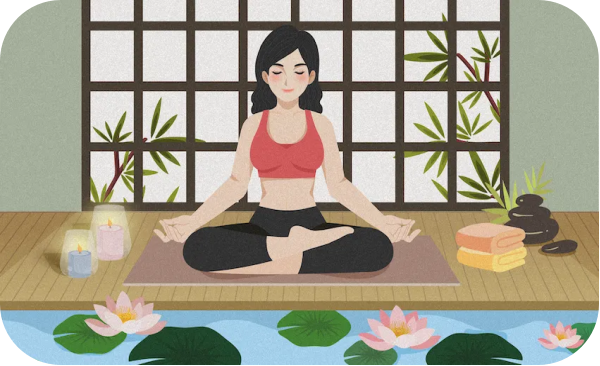
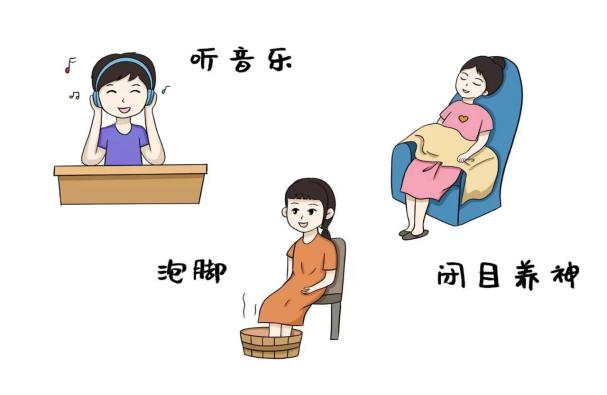
Try relaxation techniques such as meditation, deep breathing, or progressive muscle relaxation to help release the tension accumulated during the day. Soaking your feet in warm water before bed is also a great option—it promotes blood circulation and induces a sense of physical relaxation.
5. Limit Your Daytime Nap
If you feel the need to nap during the day, try to keep it short, ideally between 20 to 30 minutes. This helps prevent disrupting your sleep drive at night.

6. Psychological Adjustment
Acknowledge that occasional sleeplessness is normal, and avoid creating additional psychological burden by worrying about the inability to fall asleep. You may try journaling, emotional release exercises, or seek professional psychological counseling to alleviate anxiety and stress.

By adopting these self-adjustment methods, let us embark on a journey to reclaim quality sleep, allowing each night to become a refreshing new beginning that restores our vitality and prepares us for the day ahead.
Finally, it is crucial to recognize that chronic insomnia may be a pathological condition requiring prompt medical attention. If your sleep does not improve after a period of self-management, or if insomnia is significantly affecting your work and quality of life, you should seek professional medical help promptly.
The Rehabilitation Medicine Department of Wuwei Medical Science Academy is a comprehensive clinical discipline integrating treatment, rehabilitation, prevention, and health maintenance. We provide diagnostic and therapeutic services for various conditions including sleep disorders, oncological rehabilitation, subhealth management, lymphatic drainage therapy, pain rehabilitation, orthopedic rehabilitation, neurological rehabilitation, cardiopulmonary rehabilitation, nutritional rehabilitation, psychosomatic and sleep rehabilitation, pelvic floor rehabilitation, post-stroke recovery, and geriatric rehabilitation.
The department employs a multidisciplinary "team-based diagnosis and treatment" model, bringing together experienced specialists from relevant departments including Traditional Chinese Medicine, Neurology, Neurosurgery, Orthopedics, and Pain Medicine to conduct comprehensive assessments and develop personalized rehabilitation plans.
Building upon the principles of TCM meridian theory and integrating modern advanced medical equipment, we employ a combination of Eastern and Western rehabilitation approaches. These include physical agent therapy, cognitive-behavioral therapy, exercise therapy, along with acupuncture, tuina massage, and other integrated rehabilitation techniques.
Through nearly a decade of development, our department has evolved into an outstanding team recognized for its advanced equipment, technical excellence, high ethical standards, collaborative spirit, and first-class service.
Preliminary Review: Zhang Jie
Final Review: Ma Shuqian