How to Break the Vicious Cycle of "The Harder You Try to Sleep, The More Awake You Become"?
How to Break the Vicious Cycle of "The Harder You Try to Sleep, The More Awake You Become"?
Have you ever had this experience: you have an important matter the next day, so you tell yourself, "I must sleep well tonight to maintain good condition." However, the harder you "try" to sleep, the more awake your brain becomes, and the more you can't fall asleep, leading to poor condition the next day...
Why does this vicious cycle occur?
It's because excessive attention or anxiety about sleep activates the arousal system, making it difficult to fall asleep and leading to poor sleep habits and coping methods.
How to break this cycle?
- Create a good sleep environment:Ambient temperature (around 18-22°C) aids falling asleep; avoid blue light (phones, computers) before bed; choose a supportive and comfortable mattress and pillow.
- Establish a stable sleep rhythm:Wake up at the same time every day; this is the most powerful tool for adjusting your biological clock. Even if you sleep late, insist on waking up at a fixed time.
- Pay attention to diet:Avoid caffeine in the evening or alcohol before bed. While alcohol may aid falling asleep, it severely disrupts sleep structure in the latter half of the night, leading to early awakening.
- Daytime exercise:Regular aerobic exercise can significantly improve sleep quality. However, avoid strenuous exercise 2-3 hours before bedtime to prevent overexcitement.
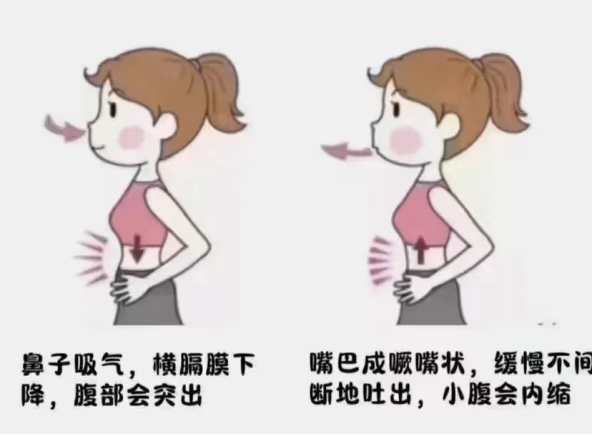
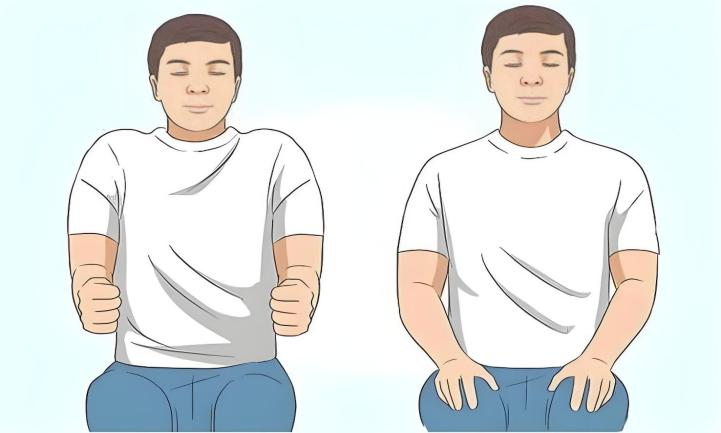
- Relaxation training:Abdominal breathing: Slowly inhale deeply through your nose (feel your abdomen rise), hold for a few seconds, then exhale slowly through your mouth (feel your abdomen fall).Progressive muscle relaxation: Start from the toes, tense the muscles for 5 seconds, then completely relax for 30 seconds, gradually moving up to the whole body.
Abdominal Breathing
Progressive Muscle Relaxation
- Mindfulness-based stress reduction (MBSR):Primarily involves accepting present experiences without judgment, training attention control, reducing worry and anxiety about insomnia, not trying too hard to fall asleep, and reducing hyperarousal related to sleep. This can mitigate the negative impact of physical illnesses or psychological issues on sleep.
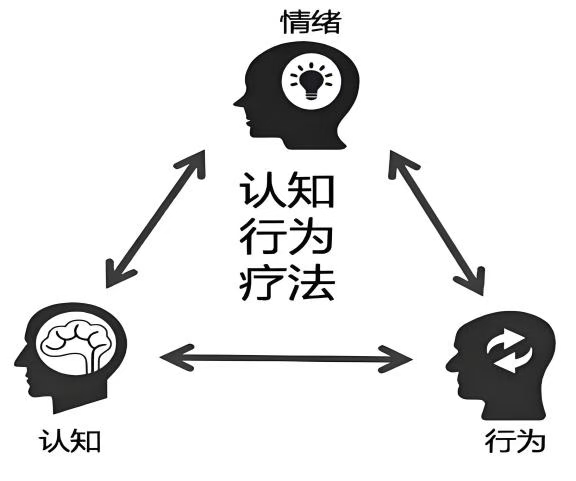
- Cognitive Behavioral Therapy for Insomnia (CBT-I):The "gold standard" for non-pharmacological treatment of insomnia, primarily recommended by international sleep guidelines.Stimulus control therapy:Use the bed only for sleep; only go to bed when sleepy. Do not read, use phones, or watch TV in bed. If you don't fall asleep within 20 minutes of lying down, get up decisively, leave the bedroom, and do something relaxing until you feel sleepy before returning to bed. Purpose: Break the incorrect association of "bed = awake + anxious" and re-establish the strong association of "bed = sleep".Sleep restriction therapy:Calculate actual sleep time by keeping a sleep diary (e.g., lying in bed for 8 hours but only sleeping 5 hours). Strictly limit time in bed to the actual sleep time (e.g., 5 hours), creating mild sleep deprivation to improve sleep efficiency.Cognitive restructuring:Correct erroneous beliefs, such as the unreasonable belief that "I must get 8 hours of sleep," and recognize that the impact of occasional insomnia on the body is limited, thereby breaking the cycle of insomnia-anxiety-worsening insomnia.
8. Repetitive Transcranial Magnetic Stimulation (rTMS):
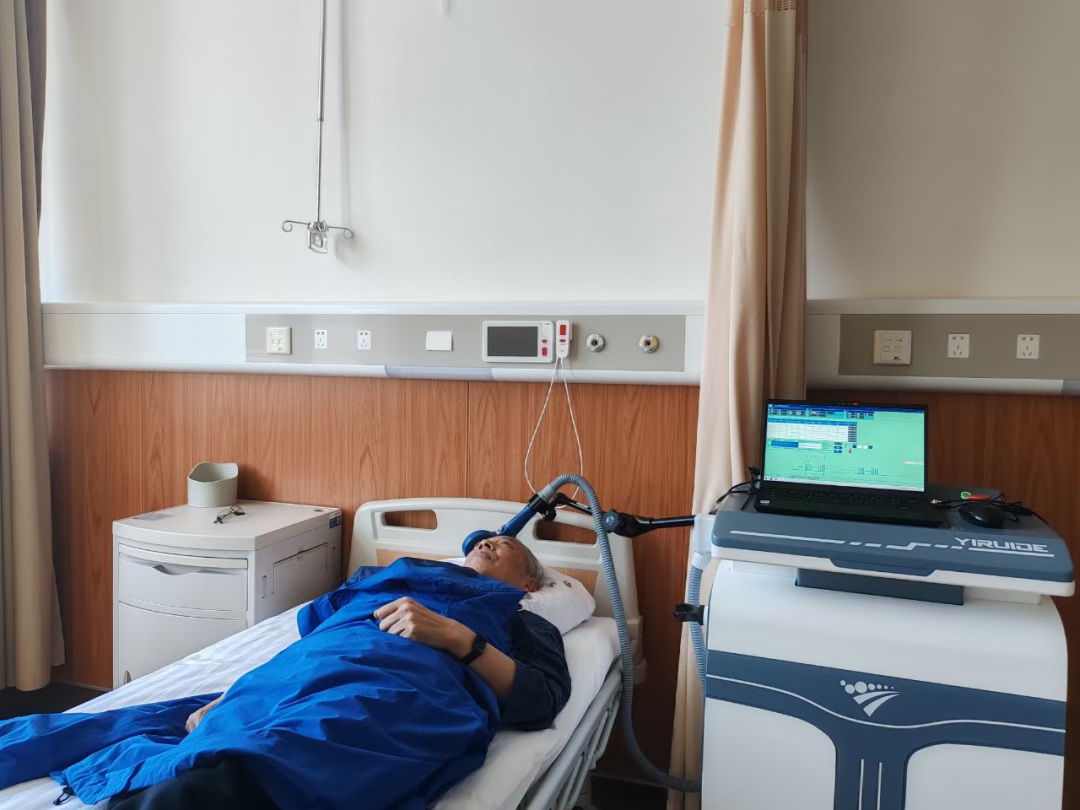
A coil is placed on the scalp corresponding to the local cerebral cortex. Using the principle of electromagnetic induction, an electric current is generated in the corresponding area, changing the membrane potential of neurons and affecting the excitability of specific cortical regions in the brain. This induces sleep slow waves similar to natural slow waves, increases REM sleep, and thus alleviates different types of insomnia.
Repetitive Transcranial Magnetic Stimulation
Friendly Reminder
Non-pharmacological treatments require patience and persistence; they are not immediately effective, but once they take effect, the results are long-lasting and free of side effects.
Department Introduction
The Integrated Traditional Chinese and Western Medicine Oncology Rehabilitation Department of Lanzhou Heavy Ion Center is a characteristic department of our center. The department integrates medical care, teaching, and research, dedicated to integrated TCM and Western medicine rehabilitation, physical rehabilitation, exercise rehabilitation, psychological rehabilitation, and nutritional rehabilitation, with a focus on integrated oncology rehabilitation. It operates under an MDT model, formulating reasonable rehabilitation plans for patients.
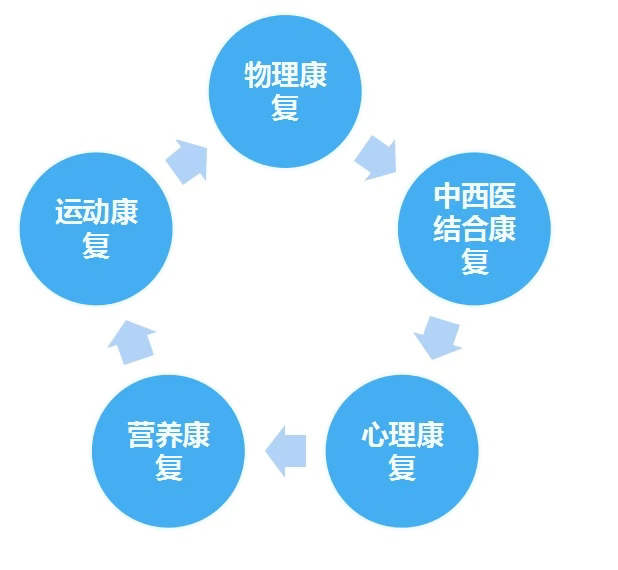
Services Offered
We provide traditional rehabilitation techniques such as integrated TCM and Western medicine acupuncture, tuina, cupping, moxibustion, gua sha, ear acupressure, external TCM treatments, and medicinal hydrotherapy. We also offer exercise therapy, physical agent therapy, manual therapy, and functional training. Additionally, we provide cognitive behavioral therapy (CBT-I), mindfulness-based stress reduction (MBSR), family therapy, and group psychotherapy.
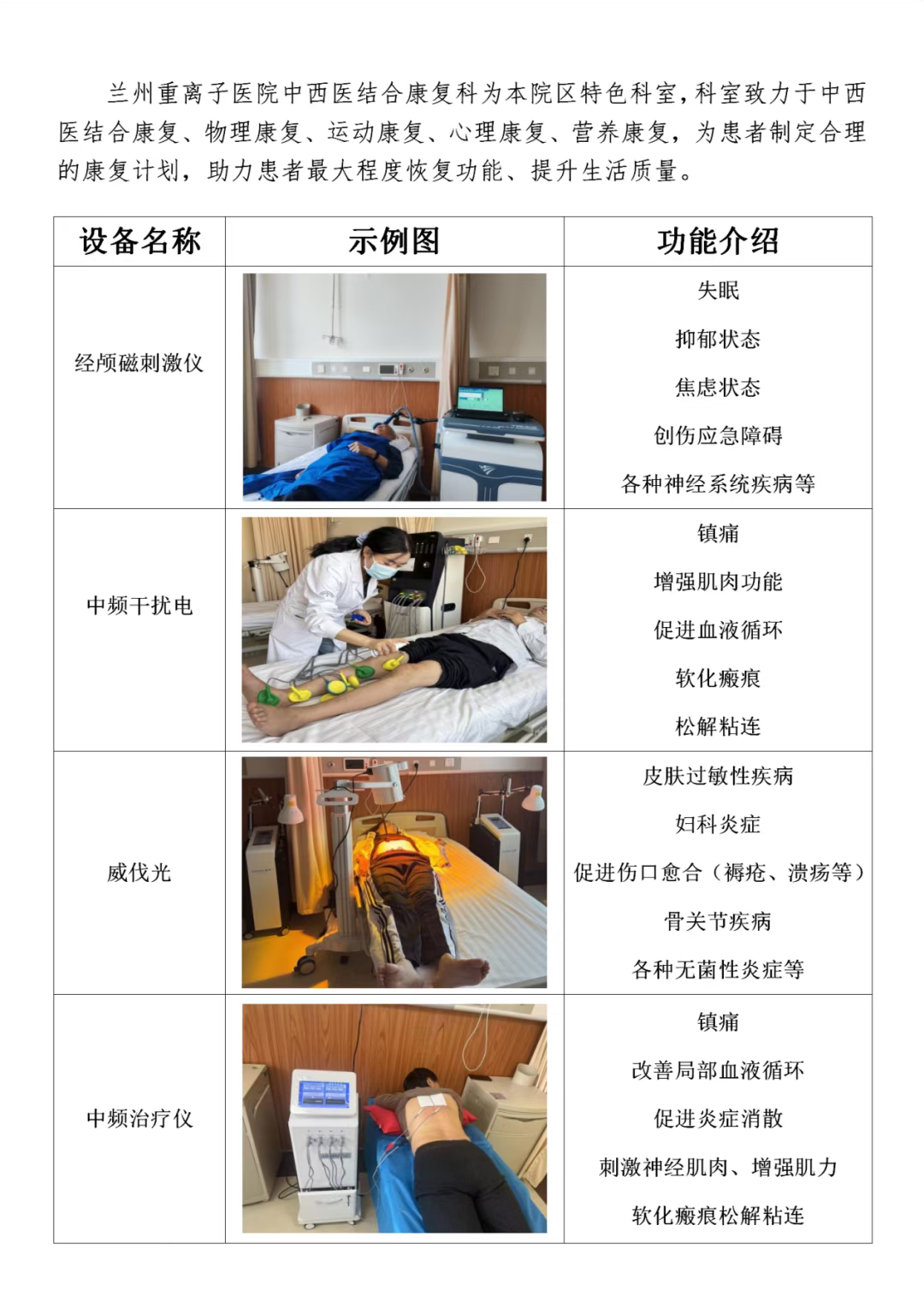
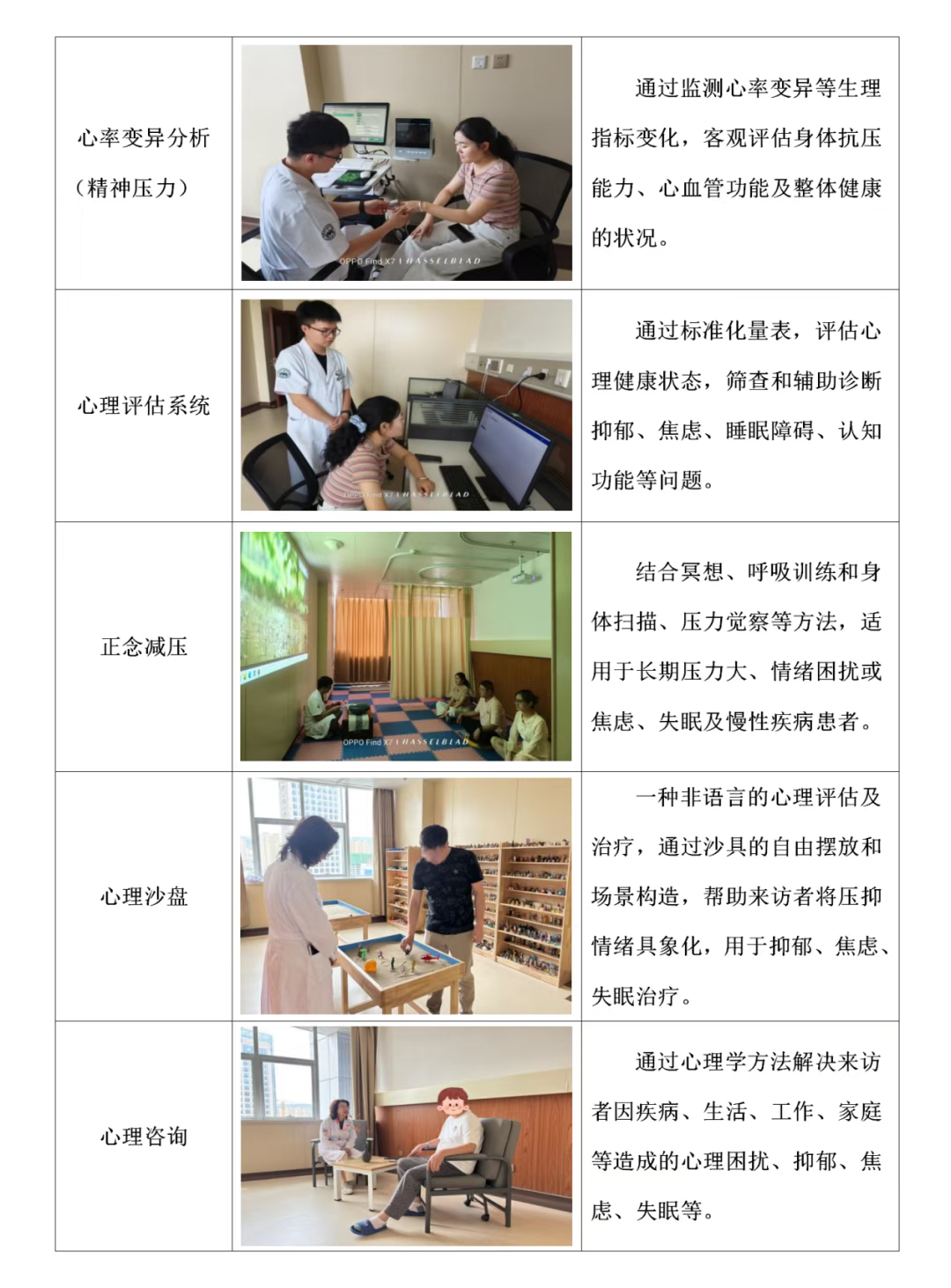
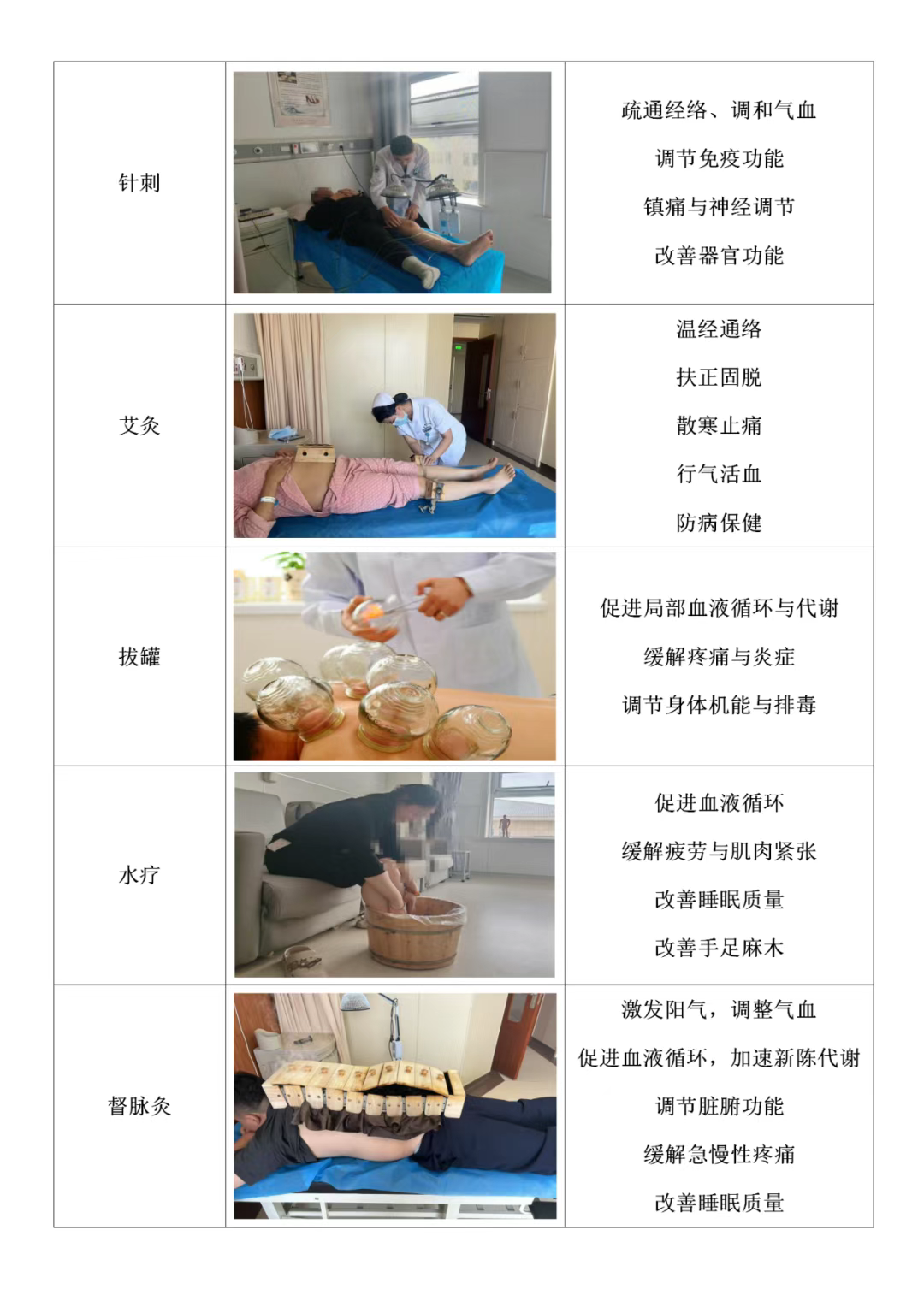
Service Philosophy: Alleviate suffering with medical expertise, enhance quality with humanistic warmth.

Tips
For cancer patients, the costs of TCM appropriate techniques and rehabilitation treatments generated in our department, after reimbursement, the remaining portion is covered by hospital project funds.
Address: 10th Floor, Comprehensive Building, Lanzhou Heavy Ion Hospital, No. 100 Yanbei Road, Chengguan District, Lanzhou City, Gansu Province (Integrated Traditional Chinese and Western Medicine Rehabilitation