Scientific Management of Varicose Veins: A Staged "Leg Care" Approach
Scientific Management of Varicose Veins: A Staged "Leg Care" Approach
Whether for prevention or managing existing symptoms, the following scientific methods can be applied:
1.Prevention and Early-Stage Varicose Veins:Do these 3 things to halt progression:
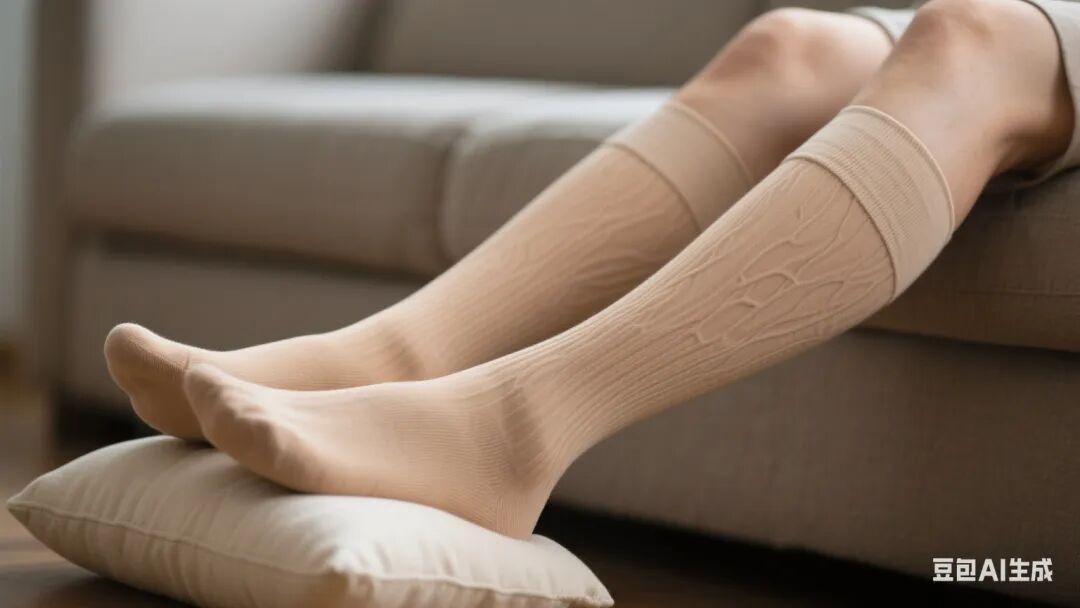
Wear the right compression stockings: Choose "medical-grade Class II compression" stockings (note: they must be medical-grade, not ordinary tight stockings). Wear them during the day and remove them at night to reduce pressure on the veins and minimize blood pooling.
Avoid prolonged sitting or standing: When standing for long periods, tiptoe every 30 minutes (repeat 10 times). When sitting for long periods, get up every 40 minutes and flex your feet (pull your toes toward your body, then relax). This helps leg muscles pump blood back to the heart.
Adopt daily habits: Elevate your legs while resting (place a pillow under your feet to keep them 30 cm above heart level), twice a day for 15 minutes each time. Avoid high heels and tight clothing to reduce vascular pressure.
2.Middle to Advanced-Stage Varicose Veins:Minimally invasive treatment for early relief:
If symptoms like leg swelling, skin discoloration, eczema, or severely twisted veins appear, do not hesitate to seek minimally invasive treatment:
Radiofrequency/Laser Ablation: Suitable for main trunk vein issues. Patients can walk on the same day after the procedure, with a low recurrence rate.
Foam Sclerotherapy Injection: Suitable for branch veins (small "twisted veins" on the calves). No surgery is required, and patients can leave immediately after the procedure.Our hospital has achieved success in treating varicose veins with minimally invasive surgery. Post-surgery, patients have experienced complete relief from long-standing issues like leg soreness and itching.
3.Self-Check + Regular Examinations to Maintain Lower Limb Health:
If you have risk factors such as prolonged sitting or standing, obesity, a family history of varicose veins, or already visible "bulging veins," it is recommended to:
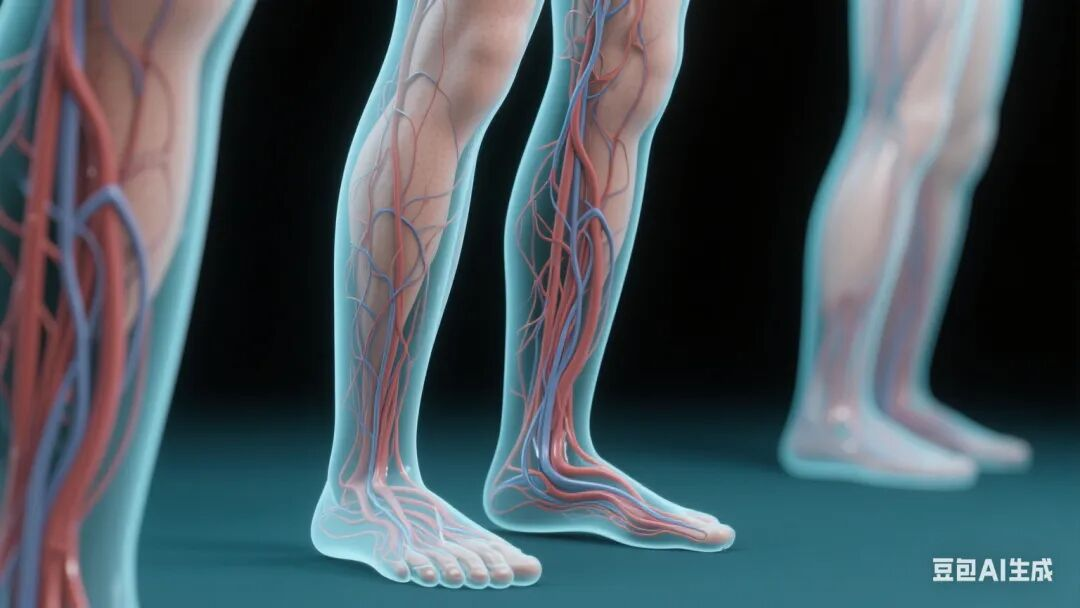
Perform monthly self-checks: While bathing, check for new bulging veins or changes in skin color. Press on the ankles to see if there is any indentation.
Undergo annual examinations: Get a lower limb venous ultrasound at the hospital to detect valve reflux early and prevent worsening of the condition.