Pancreatric Cancer Scientific Diet Guide: "Step-by-Step Progressive" Nutritional Support
Pancreatric Cancer Scientific Diet Guide: "Step-by-Step Progressive" Nutritional Support
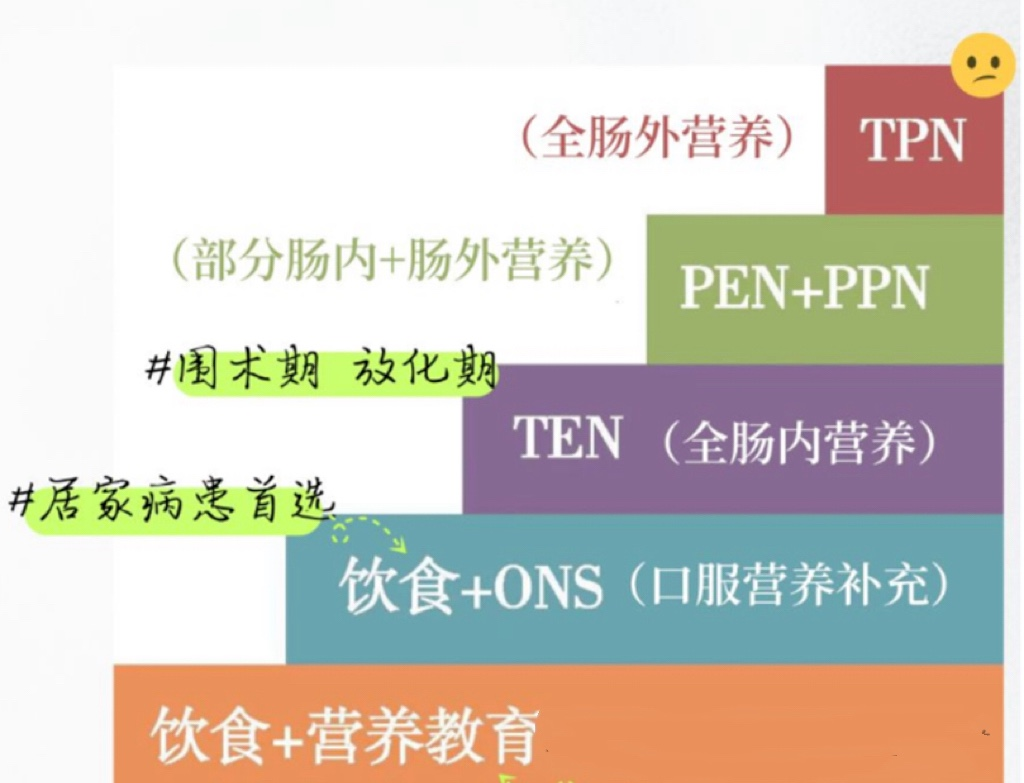
China's "Expert Consensus on Nutritional Therapy for Pancreatic Cancer Patients" recommends: Adopt the principle of "step-by-step progressive" nutritional support, namely oral feeding → oral nutritional supplements → enteral nutrition → parenteral nutrition. Among these, oral diet is the preferred routine feeding method.
A soft diet that is low in fat, high in protein, rich in vitamins and minerals, and contains an appropriate amount of dietary fiber is recommended.
1. Low Fat
Fat should not exceed 20% of the total daily energy intake, with total daily fat intake < 40g. Strictly limit animal fats, such as lard, beef tallow, mutton fat, chicken fat. It is recommended to choose lean tenderloin, skinless poultry (e.g., skinless chicken, duck, goose, pigeon), fish, shrimp, tofu, etc.
Avoid trans fats such as potato chips, French fries, margarine, non-dairy creamer, salad dressing, etc. Cooking methods should include steaming, boiling, stewing, braising, quick-boiling, etc. Avoid deep-frying and pan-frying.
2. High Protein
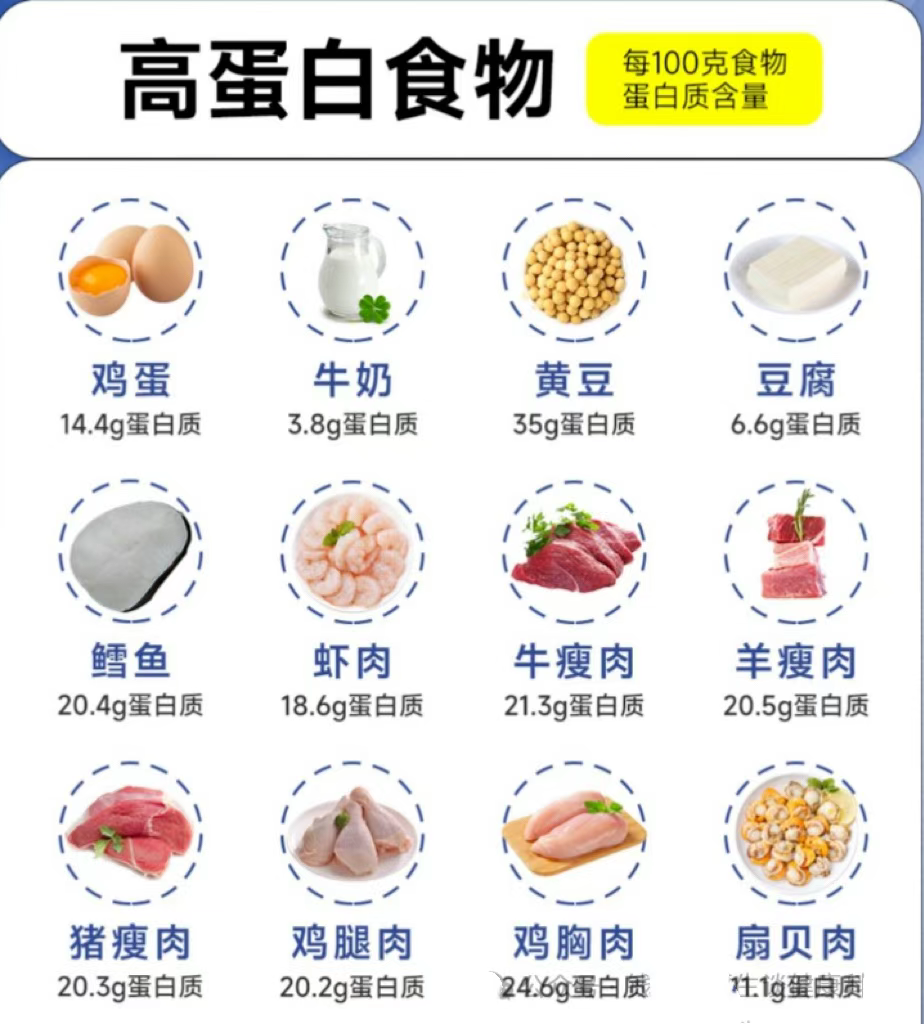
The recommended protein intake is 1.2-2g/kg.d. Appropriately increase plant-based proteins, such as tofu. It is recommended to focus on white meat (fish, poultry), ideally having fish 2-3 times per week. If necessary, supplement with whey protein powder additionally to meet the recommended protein intake.
3. Rich in Vitamins and Minerals
It is recommended to consume 300-500g of fresh vegetables and 200-350g of fruit daily. Dark-colored varieties (e.g., red, black, yellow, purple, green) should account for over 50% of the total fruit and vegetable intake to increase the intake of antioxidant nutrients.
The amount, timing, and variety of fruit intake should be determined based on the patient's blood sugar levels.

4. Dietary Fiber
Increasing intake of grains, fruits, and algae rich in soluble dietary fiber is beneficial for blood sugar control.
An appropriate amount of insoluble dietary fiber helps with bowel movements and maintains regularity.
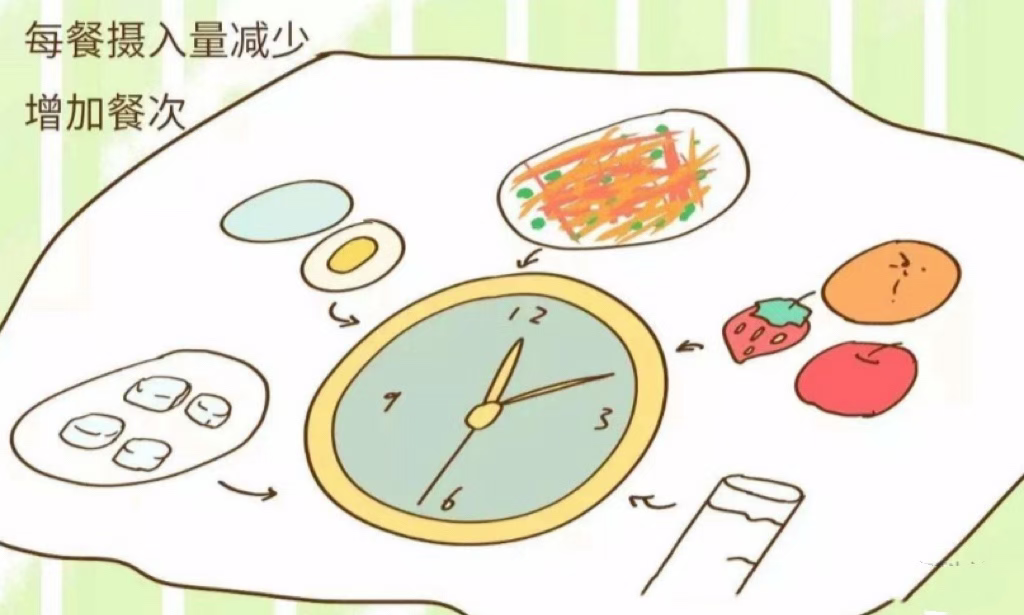
5. Small, Frequent Meals
Food should be chopped finely. If necessary, it can be pureed into a homogenized mixture.
6. Improve Color, Aroma, Taste, and Appearance of Food to Enhance Appetite
If symptoms like anorexia or indigestion occur, it is recommended to adjust the color, aroma, taste, and appearance of the food. For example, add color, use cooking methods like sweet and sour or curry, and prepare food according to the patient's preferences. Clinically, medications such as megestrol acetate or medroxyprogesterone and pancreatin tablets can be used to improve appetite and promote digestion.
Moderate exercise, such as walking, helps intestinal peristalsis, improves food digestion and absorption, and increases appetite.

7.Increase Probiotics
Regulate the gut microbiota by increasing the use of probiotics.
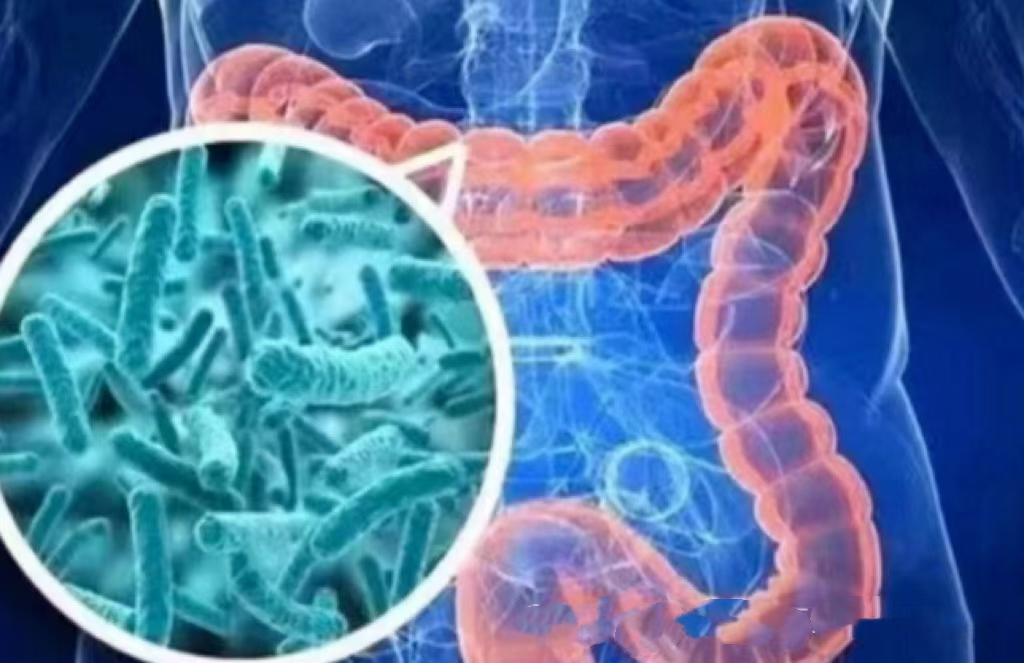
Pancreatic cancer is prone to causing malnutrition and even cachexia. Nutritional support therapy should run throughout the entire course of pancreatic cancer treatment.
Department Introduction
The First Department of Radiotherapy at Wuwei Heavy Ion Center currently has 15 medical staff members, forming a professional technical team with substantial knowledge reserves, vitality, and dynamism. The team includes Professor Ren Yimin, former Director of the Radiotherapy Department at Tri-Service General Hospital (Taiwan), as technical and academic advisor. Several doctors have had opportunities for advanced training abroad, exchanging and studying at proton/heavy ion and photon therapy centers in the United States, Germany, and Japan, learning advanced technologies and broadening their horizons. Department Director Ma Youguo, Associate Chief Physician, has been engaged in radiotherapy work for over 26 years, personally witnessing the development and growth of our hospital's radiotherapy department. He has been sent for advanced studies multiple times at renowned radiotherapy centers nationwide, including Sichuan Cancer Hospital and Peking University Cancer Hospital. He was also selected for exchange programs at the Scripps Proton Therapy Center in San Diego, USA, and the NIRS Heavy Ion Therapy Center in Japan, possessing rich clinical practical experience in tumor radiotherapy and chemotherapy.
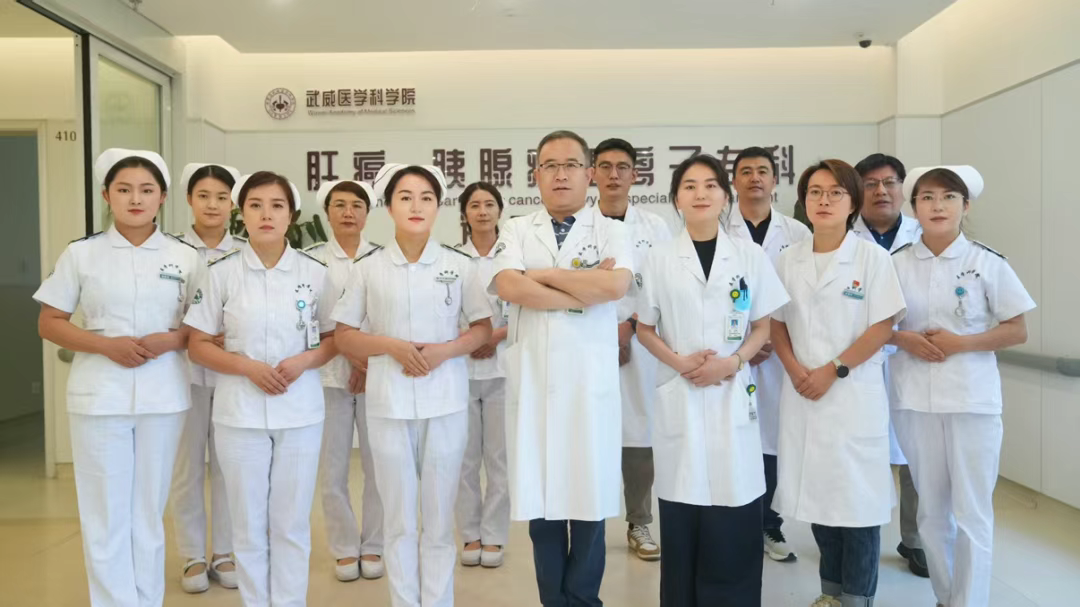
The department primarily conducts carbon ion and photon radiotherapy for abdominal and pelvic malignancies such as pancreatic cancer, liver cancer, cholangiocarcinoma, colorectal cancer, kidney cancer, prostate cancer, soft tissue sarcoma, as well as for benign diseases like keloids, bone tumors, and vascular malformations. It also provides comprehensive treatments including chemotherapy, targeted therapy, immunotherapy, and cellular immunotherapy for various malignant tumors.
The First Department of Radiotherapy consistently adheres to the "patient-centered" service philosophy, committed to providing patients with high-quality, efficient, and warm medical services. All medical staff in the department will continuously strive to safeguard the health of patient with exquisite medical skills and high medical ethics.
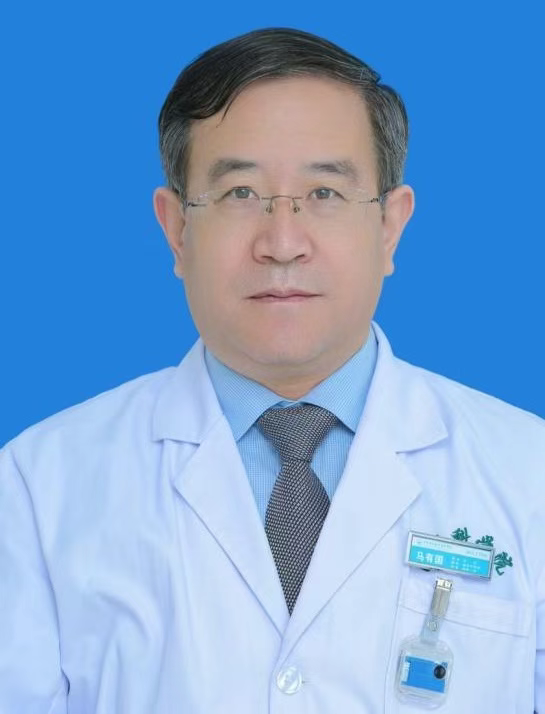
Department Director: Ma Youguo (Associate Chief Physician)