China's Heavy Ion Therapy Becomes New Hope for Cancer Patients' Lives
China's Heavy Ion Therapy Becomes New Hope for Cancer Patients' Lives
Editor's Note: When tumors progress to middle or advanced stages, "confrontation" is no longer the sole theme. Statistics reveal that among deceased cancer patients, one-third pass away due to fear and anxiety, another one-third from harm inflicted by erroneous aggressive treatments, and only one-third from the tumor’s natural progression. How to make the journey of combating tumors less painful and more dignified has thus become a more critical mission.
Facing illness, we firmly reject the mindset of resorting to destructive interventions for minor local discomforts. The core principle is to safeguard patients’ organ integrity and basic functions throughout treatment, minimizing additional harm to their bodies. The process of overcoming tumors should not be defined solely by cold medical devices and anxious waiting; it should instead be filled with the warmth of a caring touch, the comfort of familiar companionship, and the profound value of cherished dignity.
Against this backdrop, the integration of heavy ion therapy and palliative care is now building a robust shield to protect this very dignity.
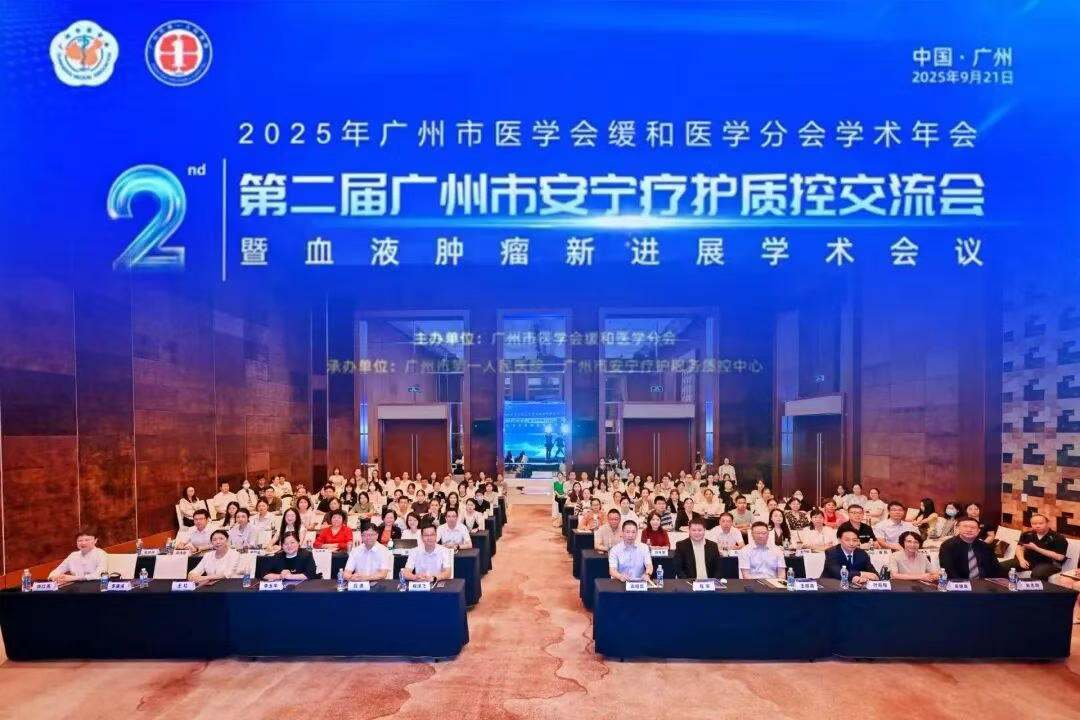
On September 21, the 2nd Guangzhou Palliative Care Quality Control Exchange Conference and Academic Conference on New Advances in Hematological Oncology was held as scheduled. Leading experts from the national oncology field gathered together, using academic exchanges as a bridge and prioritizing quality control, aiming to jointly explore new pathways for the integrated development of oncology diagnosis/treatment and palliative care, and to set directions for high-quality development in the industry.
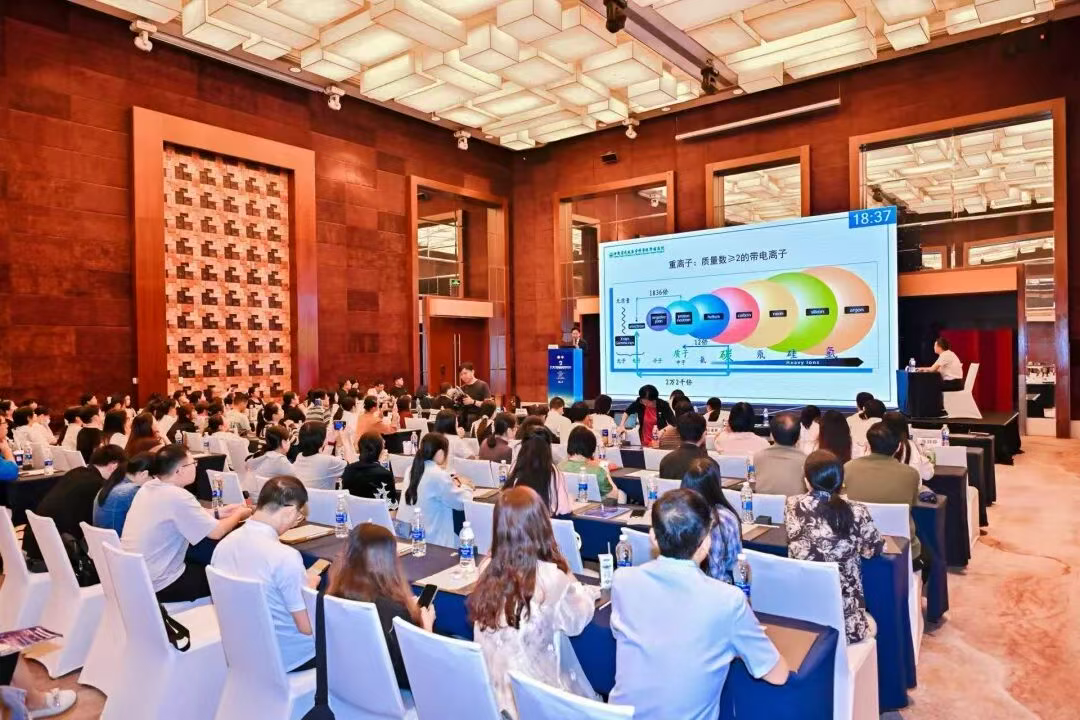
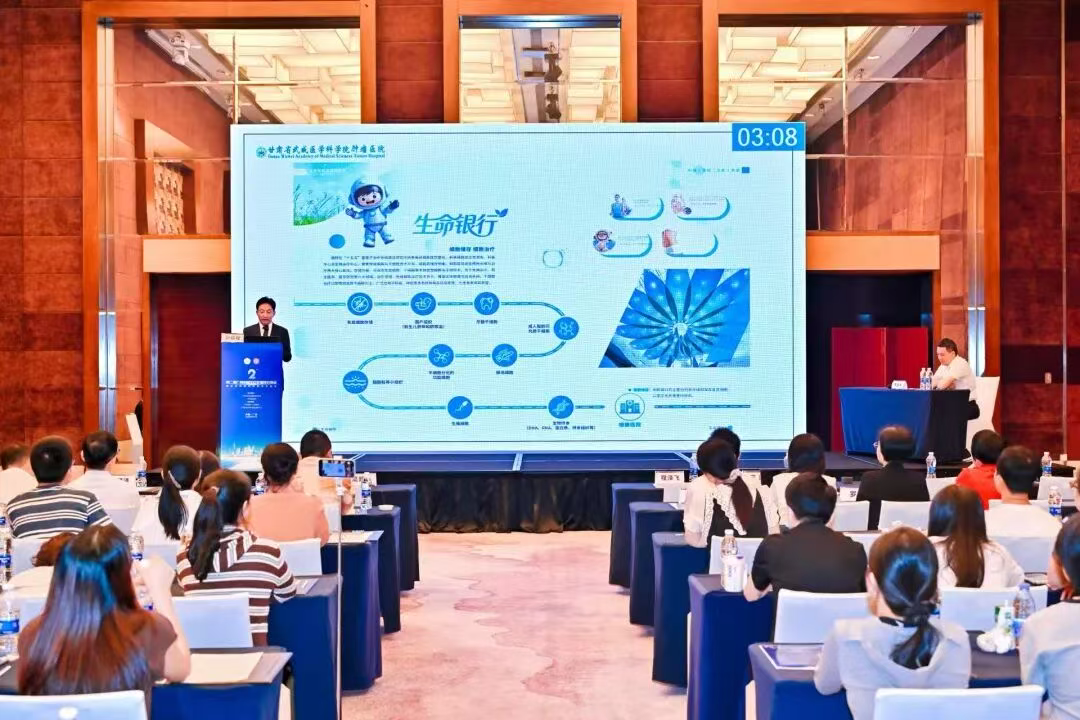
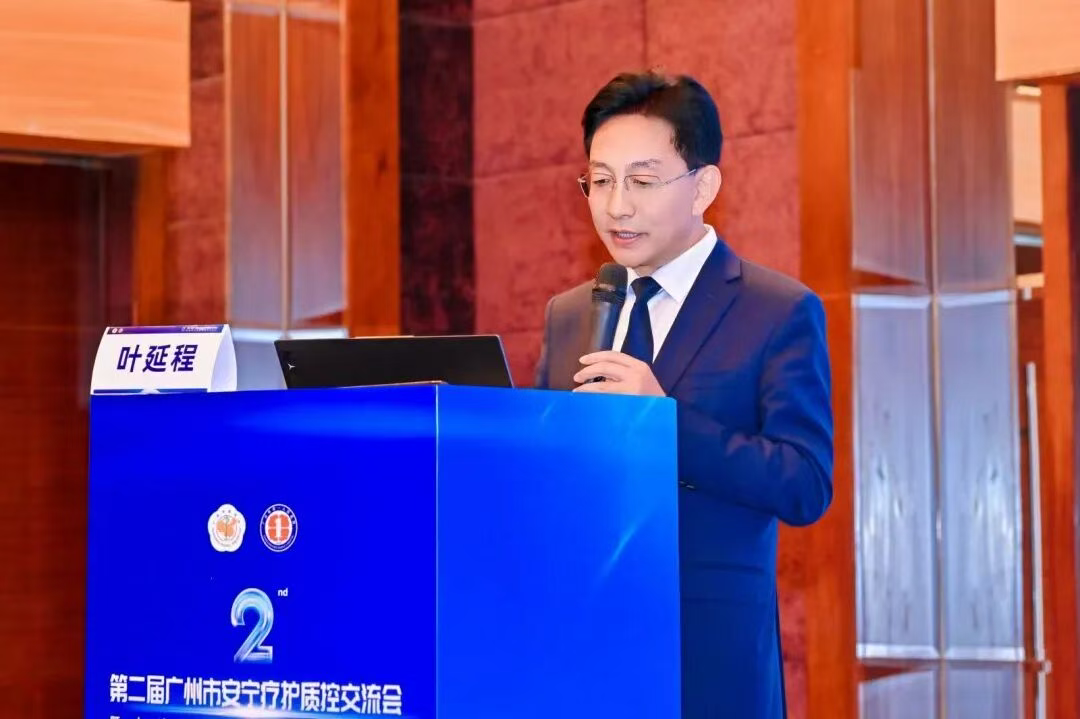
At the meeting, Ye Yancheng, President of Wuwei Tumor Hospital in Gansu Province, delivered a special report titled "Clinical Application of China's Heavy Ion System and Comprehensive Full-Life-Cycle Health Management," which became the focus of the event and sparked enthusiastic discussion. The report systematically reviewed the hospital’s clinical data, technical breakthroughs, and patient efficacy feedback over five years in the field of heavy ion therapy for tumors. From the expansion of indications, optimization of treatment regimens, to long-term follow-up results, it placed particular emphasis on the in-depth implementation of the "comprehensive full-life-cycle health management" concept in clinical practice.
This concept spans multiple dimensions: from the technical advantages of "precisely targeting tumors while minimizing damage to healthy tissues," to a diagnostic and treatment model covering ten key areas—physical and mental management, traditional Chinese medicine physiotherapy, cultural therapy, rural therapy, sleep therapy, nutritional support, psychological counseling, rehabilitation therapy, precise physical and mental assessment, and health management. These elements form a "scientific and quantitative" comprehensive conditioning system, achieving full-chain health and wellness treatment across the entire life cycle.
This diagnostic and treatment model perfectly aligns with the core principles of palliative care—"high-efficiency, low-toxicity, organ protection, and dignity preservation"—and plays a crucial role in upgrading oncology treatment from "effective" to "high-quality." It has ignited "effective, high-quality, and compassionate" hope for life in more cancer patients.
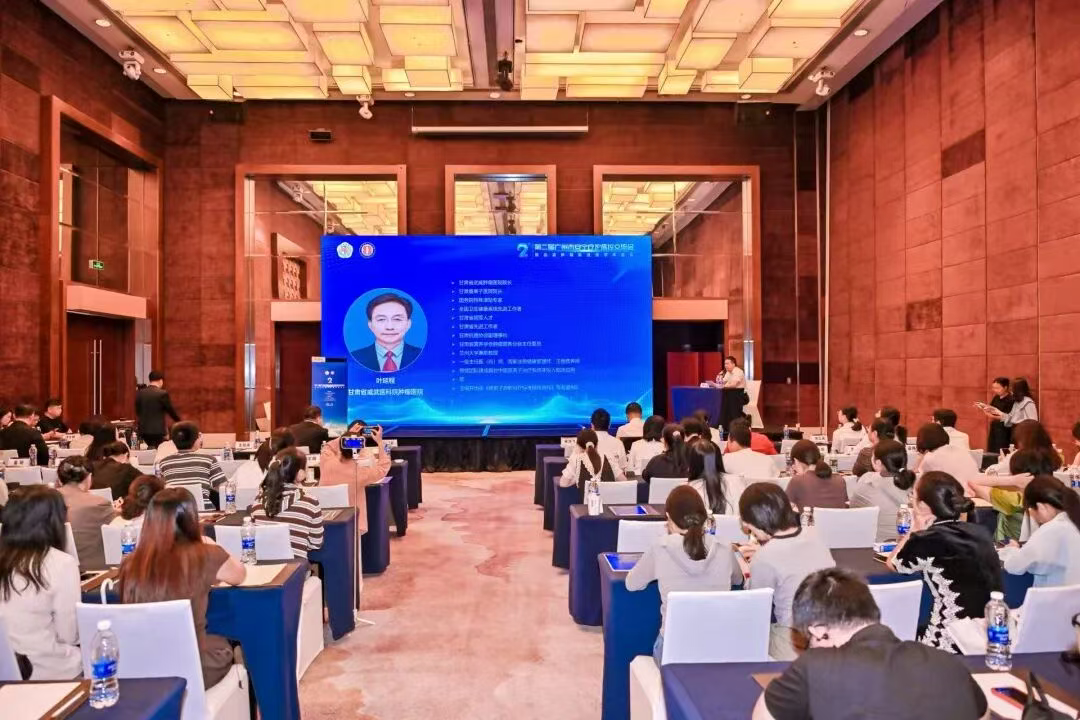
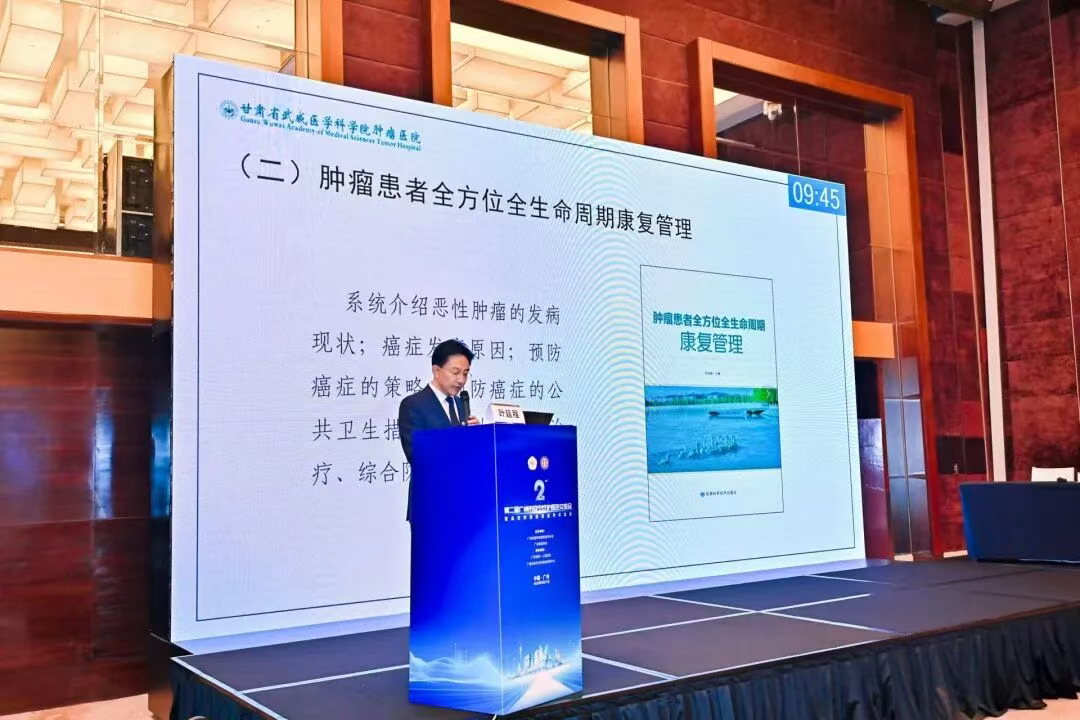
Ye Yancheng, President of Wuwei Tumor Hospital in Gansu Province, delivered a special report titled "Clinical Application of China's Heavy Ion System and Comprehensive Full-Life-Cycle Health Management"
Heavy ions are hailed as the most ideal radiation therapy beams of the 21st century. Their unique physical advantages primarily stem from the Bragg peak—a phenomenon where energy deposition concentrates at the distal end of their range. Combined with high biological effectiveness (with an RBE value over 2.56 times that of photons), heavy ion therapy disrupts the DNA double strands during tumor cell division cycles, effectively eliminating cancer cells. This approach boasts advantages such as high precision, short treatment courses, excellent efficacy, and minimal side effects.
For a long time, heavy ion therapy technology was monopolized by a few developed countries, with core equipment and diagnostic/treatment standards long subject to foreign control. In recent years, the Institute of Modern Physics of the Chinese Academy of Sciences, in collaboration with Wuwei Tumor Hospital in Gansu Province, has achieved a leapfrog development in heavy ion therapy—from being a "follower" to a "peer" and then a "global leader"—through independent scientific research breakthroughs and innovative clinical practices. This not only broke the international monopoly on technology and equipment but also took the lead in establishing an independent technical standard system. Notably, the concept of "comprehensive full-life-cycle care" has been integrated into the entire clinical process, transforming this "cutting-edge 21st-century tumor treatment technology" into a globally recognized Chinese solution that balances efficacy and humanity in oncology. It has thus ignited new hope for life in cancer patients both at home and abroad.
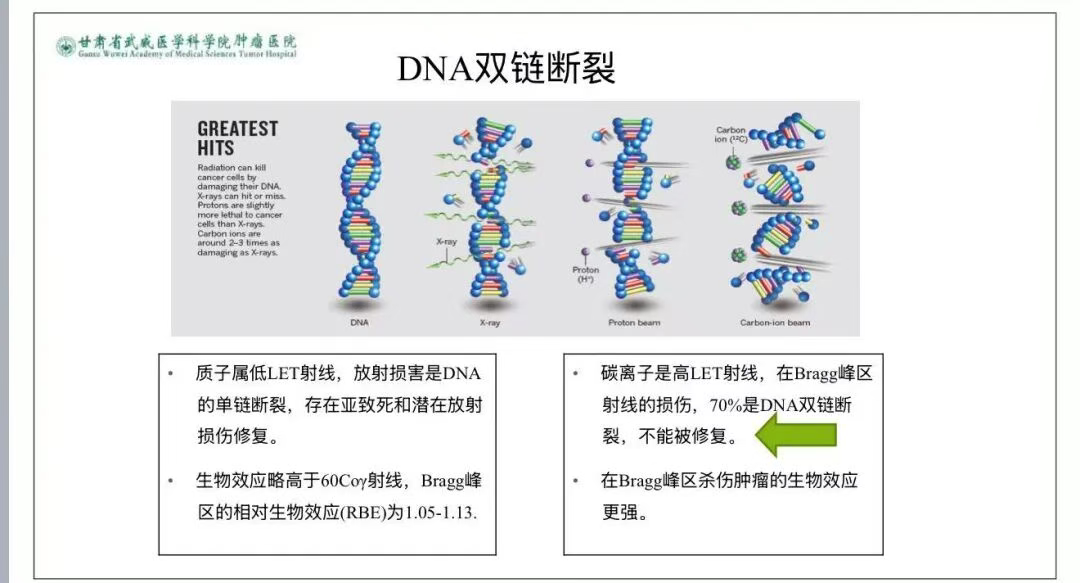
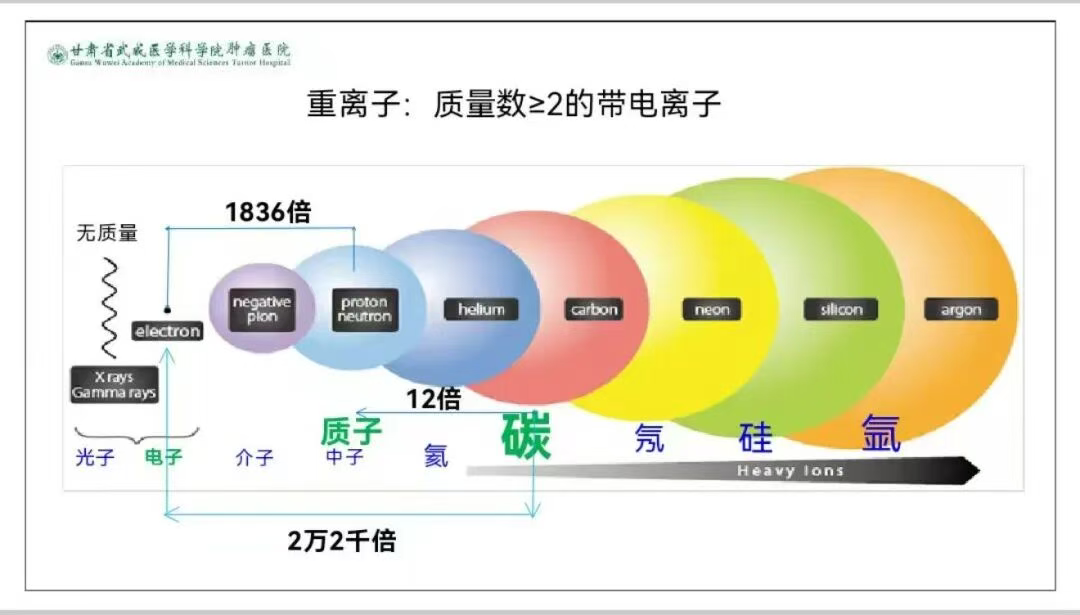
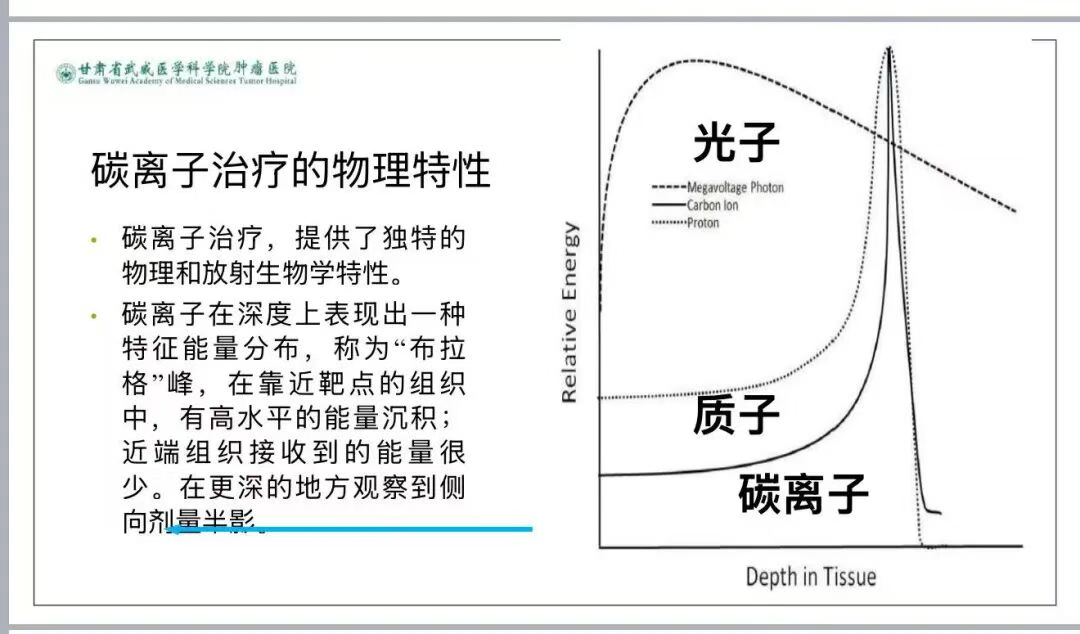
As a core practical platform for heavy ion therapy in China, the Wuwei Tumor Hospital Heavy Ion Center has achieved double breakthroughs in breaking monopolies and establishing standards after eight years of construction and five years of clinical practice:
On one hand, it has successfully operated China’s first and second heavy ion tumor therapy systems supported by independently developed technology, becoming the world’s only hospital currently operating two heavy ion therapy systems. This has completely shaken off its dependence on foreign equipment.
On the other hand, through technological innovation, it has established multiple independent diagnostic and treatment standards. It has globally pioneered several cutting-edge therapies, including precision heavy ion therapy under ventilator control, bladder cancer treatment under precise bladder capacity regulation, and single-session treatment with surgically placed isolation pads between organs and tumors. The relevant technical specifications have filled domestic gaps and become industry reference standards. It has also developed China’s first 360° rotating and lifting ion radiotherapy chair, completed multiple cases of heavy ion therapy for cardiac tumors globally, and become the first to implement heavy ion therapy combined with comprehensive full-life-cycle physical and mental health management. These achievements have further expanded the application boundaries and efficacy standards of heavy ion therapy, propelling China’s heavy ion technology from "existence" to "excellence" and then to "strength."
Meanwhile, the clinical capabilities and standard implementation achievements of the Wuwei Heavy Ion Center have continued to advance: from 7 disease types during its clinical trial phase in 2018 to over 50 types of precise tumor treatment today, with each disease type having established diagnostic and treatment protocols tailored to the characteristics of Chinese patients. Annual treatment volume has surged from 200 cases to nearly 1,000, with both treatment efficiency and efficacy reaching internationally advanced levels. As of now, over 2,200 patients have been successfully treated, hailing from all provinces, municipalities, and autonomous regions in China (including Taiwan, Hong Kong, and Macao), as well as multiple countries such as Belgium, Australia, South Korea, Canada, Malaysia, Thailand, and Vietnam. The international recognition of China’s heavy ion technology and the influence of its standards continue to grow.
The dual fulfillment of clinical efficacy and low-toxicity advantages has solidified heavy ion therapy as a "robust backing" for palliative care. Data shows that patients with high-grade glioma treated with heavy ion therapy achieve a median overall survival of 28 months—double that of traditional treatment regimens—without increasing severe adverse reactions such as late-stage radiation-induced brain necrosis. For patients with locally advanced pancreatic cancer, average survival time reaches 19 months, approximately 8 months longer than with traditional chemoradiotherapy, with no grade 3 or higher gastrointestinal toxic side effects throughout treatment. Liver cancer patients exhibit a 2-year overall survival rate of 86.58%, matching top-tier international standards. Behind these figures lies a reality where cancer patients no longer face a dilemma between "enduring pain to fight the disease" and "tolerating side effects," truly realizing the goal of "treatment without compromising quality of life."
Today, the Wuwei Heavy Ion Center continues to expand the boundaries of "technology + humanity": it has introduced authoritative international experts from Japan, Germany, and other countries to refine diagnostic and treatment standards, built a comprehensive, full-cycle health management system covering "prevention-treatment-rehabilitation," and further improved details in services such as physical and mental management and sleep therapy, ensuring full-cycle care extends to every patient.
In the practice of tumor treatment, enabling patients to learn about the most cutting-edge treatment technologies as early as possible, choose personalized treatment plans, and achieve precision tumor treatment while minimizing damage to their bodies—this is key to guarding against physical injury and reduced quality of life caused by treatment side effects from the early stages of therapy.
Minimally invasive or non-invasive techniques like heavy ion radiotherapy provide patients with a reliable means to proactively halt the progression of their disease to its terminal stage. From preventing disease worsening, to safeguarding physical functions during treatment, to full-cycle care in the recovery period, China’s heavy ion therapy combines technology and compassion to jointly uphold the dignity of life.
Preliminary Review: Zhang Jie
Final Review: Ma Shuqian