Is Heavy Ion Radiotherapy Necessary for Patients with Metastatic or Recurrent Tumors?
Is Heavy Ion Radiotherapy Necessary for Patients with Metastatic or Recurrent Tumors?
Over the past decade, there has been a profound transformation in the treatment of advanced metastatic and recurrent tumors. With revolutionary advancements in radiotherapy, drug therapies (including immunotherapy, targeted therapy, antibody-drug conjugates [ADCs], etc.), multimodal care has replaced traditional isolated approaches. The integration of multiple treatment strategies has delivered excellent therapeutic outcomes for these patients. For instance, individuals with ALK gene mutations have achieved progression-free survival (PFS) exceeding 5 years post-treatment. Under conditions of systemic disease control, the significance of radiotherapy as a local treatment based on organ preservation has grown substantially—it not only extends survival in advanced patients but also enhances their quality of life.
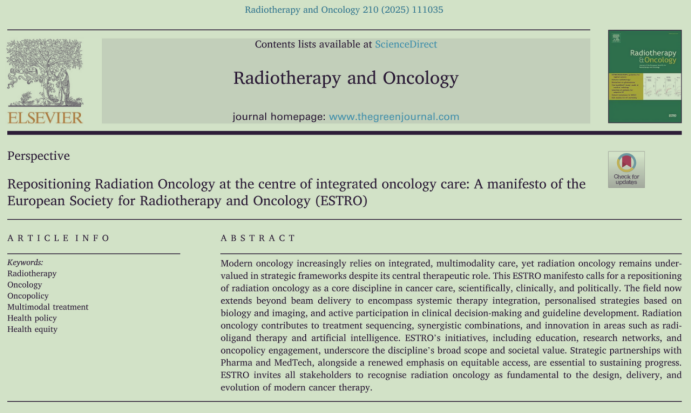
On July 12, 2025, the European Society for Radiation Oncology (ESTRO) published an article titled "Declaration to Make Radiotherapy the Core of Comprehensive Tumor Treatment," which states: The scope of modern radiotherapy has long expanded beyond the "treatment" level alone. It has deeply engaged in the design of patients' treatment strategies, the integration of systemic therapies, and the development of personalized plans, effectively reshaping tumor treatment guidelines. This interdisciplinary integration spanning physics, imaging, biology, and pharmacology has truly elevated radiotherapy to become a strategic pillar of the "ecosystem" in oncology care.

Among radiotherapy modalities, heavy ion radiotherapy—boasting unique radiophysical and radiobiological advantages—demonstrates significant superiority over photon radiotherapy in tumor re-irradiation, immune activation, and normal tissue protection. This advantage is particularly pronounced in treating radioresistant tumors, such as recurrent tumors following prior radiotherapy and sarcomas. If financially feasible, heavy ion radiotherapy stands as the preferred treatment option.
Here is a brief introduction:
- Combined Heavy Ion Radiotherapy and Immunotherapy for Advanced Tumor Patients: Heavy ion beam irradiation induces a unique pattern of double-strand DNA damage in tumor cells. Compared to photon radiotherapy, it more effectively activates the cGAS/STING pathway, triggering the body to produce more robust immune responses and enhancing the efficacy of immunotherapy.
- For Photon Radiotherapy-Resistant Recurrent/Metastatic Tumors: Such as chondrosarcoma, chordoma, and malignant melanoma, heavy ion therapy boasts a higher relative biological effectiveness (RBE). It effectively inhibits tumor growth and further spread, creating opportunities for systemic treatment.
- For Recurrent Tumors Near Critical Healthy Tissues (e.g., Brainstem, Intestines): For example, nasopharyngeal carcinoma, the dose distribution curve of heavy ion beams exhibits a steep dose peak (known as the Bragg peak) at the distal end of the beam range. This allows most of the energy to be precisely deposited in the tumor area, minimizing damage to surrounding healthy tissues and reducing late-stage side effects such as brain necrosis and intestinal necrosis.
Additionally, due to its high RBE, heavy ion therapy typically involves shorter treatment courses—usually 1–3 weeks (specific protocols depend on tumor type and stage). Shorter treatment periods reduce patients’ physical discomfort and inconvenience during therapy, facilitating faster recovery. Elderly patients particularly benefit from this.
Therefore, for patients with advanced metastatic or recurrent tumors, after evaluation by an experienced heavy ion oncology diagnosis and treatment team, undergoing heavy ion therapy is highly advisable if financially feasible.
Because we can help you live not just longer, but better!

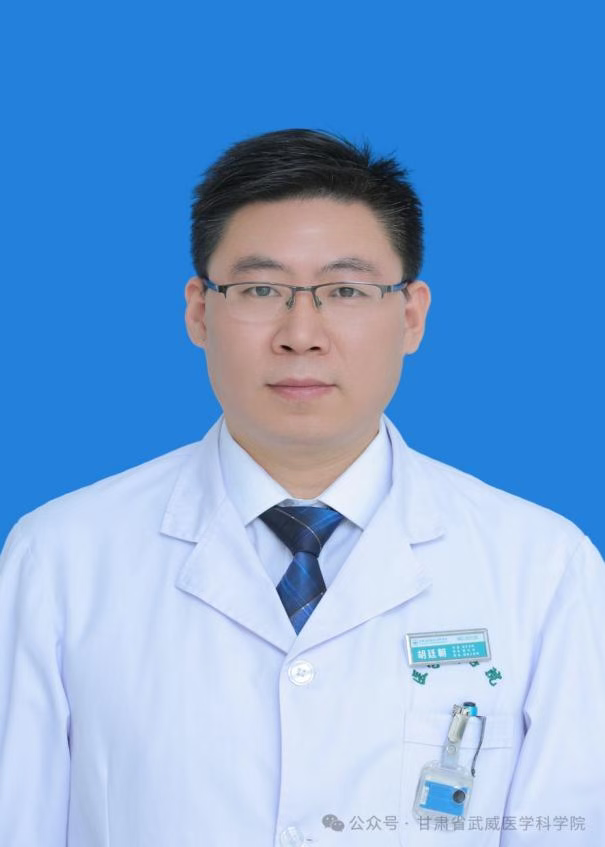

Hu Tingchao, Associate Chief Physician in Radiation Oncology
● Director of Department of Radiation Oncology V (Head and Neck Tumor Radiotherapy), Wuwei Cancer Hospital, Gansu Province
● Member of the Chinese Anti-Cancer Association
● Member of the Gansu Provincial Radiotherapy Committee
● Council Member of the 3rd Council of the Western Radiotherapy Association
● Member of the Particle Therapy Branch of the Chinese Medical Equipment Association
Education Background
Graduated from the Department of Clinical Medicine, Lanzhou University in 2005. With 18 years of experience in radiation oncology, he has pursued further training in radiation oncology at Sichuan Cancer Hospital, Fukuoka Texas Hospital (Japan), Shanghai Proton and Heavy Ion Hospital, and Sun Yat-sen University Cancer Center (Guangzhou).
Professional Expertise
- Comprehensive Oncology Treatment: Proficient in radiochemotherapy, targeted therapy, and other multimodal approaches for common malignant tumors, including head and neck tumors, glioma, lymphoma, and chordoma.
- Precision Oncology Techniques: Specializes in advanced radiotherapy modalities such as 3D Conformal Radiotherapy (3D-CRT), Intensity-Modulated Radiotherapy (IMRT), Volumetric-Modulated Arc Therapy (VMAT), Stereotactic Body Radiotherapy (SBRT), Image-Guided Radiotherapy (IGRT), and Carbon Ion Radiotherapy (CIRT). He has extensive experience in radiotherapy planning, protection of normal organ function, and mitigation/management of radiotherapy-related side effects.
Research and Publications
- Published over 10 professional papers.
- Authored 1 monograph.
- Holds 1 utility model patent.
- Presided over 2 municipal-level research projects in Wuwei.
- Participated in compiling standard procedures for carbon ion radiotherapy.
- Awarded the title of “Advanced Worker” at the hospital on multiple occasions.
Department Overview: Department of Head and Neck Tumor Radiotherapy (Department of Radiation Oncology V)
This specialized ward integrates clinical practice, research, and education. It primarily admits patients with: meningioma, pituitary adenoma, acoustic neuroma, glioma, intracranial tumors, nasopharyngeal carcinoma, oral cancer, ocular tumors, laryngeal cancer, hard palate cancer, hypopharyngeal cancer, chordoma, and lymphomas of various body parts.
Diseases with Notable Advantages in Heavy Ion Radiotherapy
Malignant melanoma of the head and neck, head and neck sarcomas, adenoid cystic carcinoma, recurrent head and neck cancer, skull base chordoma, chondrosarcoma, and glioma.
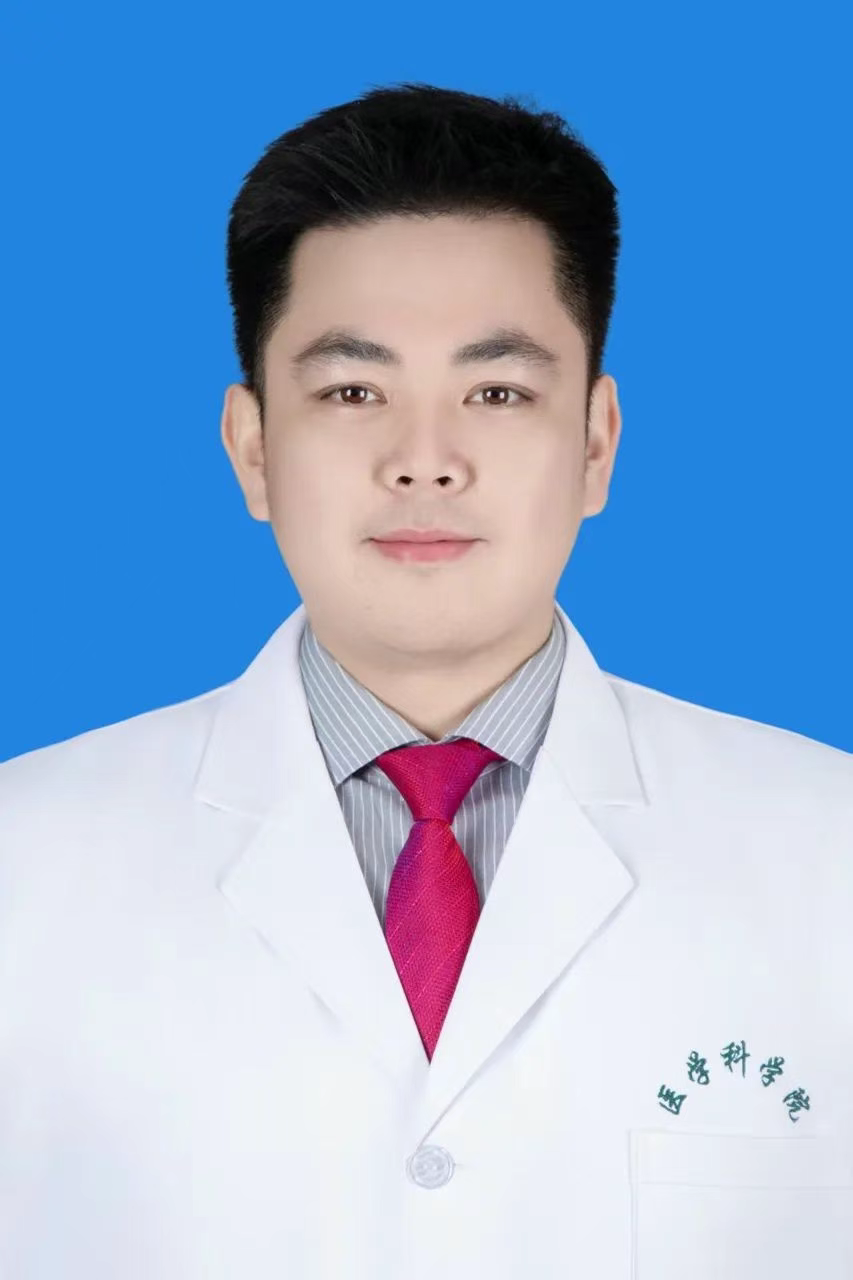
Yin Zhaosheng
Deputy Director of Department of Radiation Oncology V, CPC Member, Associate Chief Physician in Radiation Oncology
Former Director of the Department of Radiation Oncology, Affiliated Hospital of Xiangnan University, Hunan Province
Standing Committee Member of the Oncology Professional Committee, Chenzhou Medical Association
Member of the Tumor Radiotherapy and Radiotherapy Immunology Committee, Hunan International Medical Exchange Promotion Association
Member of the Clinical Nutrition Professional Committee, Hunan Medical Education and Technology Society
Trained under Professor Yee-Min Jen (former Chairman of the Radiation Oncology Committee of Taiwan, China) and Professor Wang Jinzhu (a medical management expert at Taipei Tzu Chi Hospital, Taiwan, China).
Visiting Scholar at Tri-Service General Hospital, Taiwan, China, and Chang Gung Memorial Hospital, Taiwan, China.
Specializes in precision radiation oncology and stereotactic radiotherapy, particularly in the comprehensive treatment of head and neck neuro-oncology.
Preliminary Review: Zhang Jie
Final Review: Ma Shuqian