Mini Encyclopedia of Radiotherapy for Pancreatic Cancer
Mini Encyclopedia of Radiotherapy for Pancreatic Cancer
- What is pancreatic cancer?
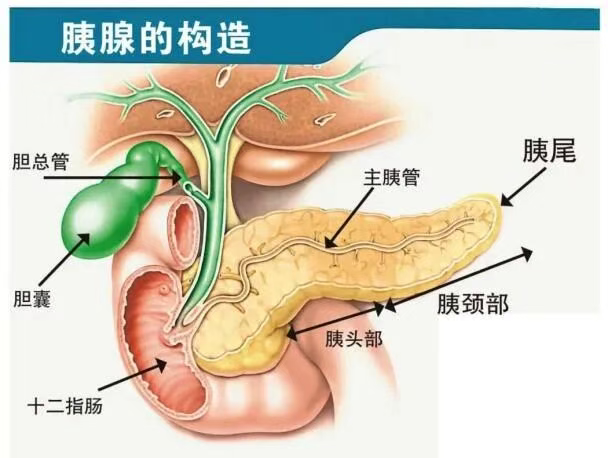
Pancreatic cancer is one of the common malignant tumors in the human digestive system. It refers to a malignant tumor originating from the pancreatic ductal epithelium. What we commonly refer to as "pancreatic cancer" specifically denotes the carcinogenesis of pancreatic ductal epithelial cells, known as pancreatic ductal adenocarcinoma (PDAC), which accounts for 90% of all pathological types of pancreatic cancer. Additionally, pancreatic neuroendocrine tumors (PNETs) are also a type of malignant pancreatic tumor, though their malignancy is far less aggressive than that of PDAC.
Pancreatic cancer is characterized by its aggressive nature, high malignancy, and rapid progression, often leading to quick development of peripheral invasion, lymphatic metastasis, hematogenous metastasis, and other forms of spread. The exact etiology of pancreatic cancer remains incompletely understood. However, epidemiological studies have shown that its development is associated with multiple risk factors, including long-term smoking, a high-fat diet, chronic pancreatitis, diabetes, and genetic predisposition.
2.Common Symptoms of Pancreatic Cancer
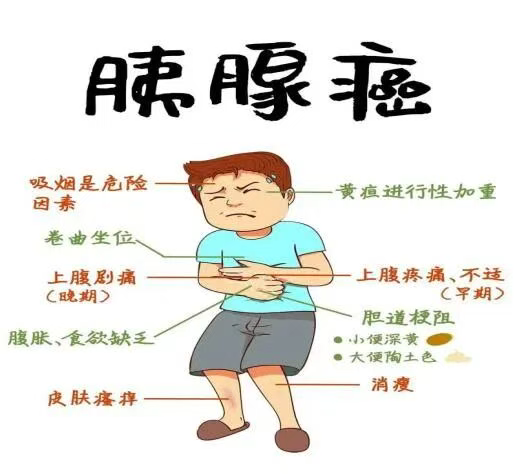
Early-stage pancreatic cancer often presents with mild or nonspecific symptoms, typically including epigastric discomfort, dull pain, aching pain, or bloating pain—or even no pain at all. Such sensations are easily mistaken for stomach-related issues and thus neglected. As the disease progresses, patients gradually develop more noticeable symptoms: jaundice, weight loss, loss of appetite, and fatigue. These manifestations are also frequently misattributed to other illnesses or physical overexertion. By the advanced stages, patients may exhibit significant weight loss, difficulty in precisely localizing abdominal pain, along with fever and neurological symptoms. Unfortunately, seeking medical diagnosis at this point is often too late for effective intervention.
3.Treatment Modalities for Pancreatic Cancer
The treatment of pancreatic cancer primarily involves modalities such as surgery, chemotherapy, radiotherapy, and immunotherapy, with surgical resection remaining the primary clinical approach. However, over 80% of pancreatic cancer patients lose the opportunity for surgery due to advanced disease stages. Thus, chemoradiotherapy has become the optimal treatment alternative.
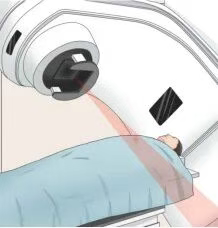
Radiotherapy, also known as radiation therapy (commonly referred to as "electric baking therapy"), is a method that utilizes ionizing radiation (e.g., heavy ions, protons, X-rays) to treat various tumors. It is a critical treatment modality for pancreatic cancer and can be applied across all disease stages. For patients with oligometastatic pancreatic cancer (characterized by a limited number of metastatic lesions and organs involved), palliative radiotherapy can be administered by irradiating the primary tumor and metastatic lesions. This aims to alleviate obstruction, compression, or pain and enhance local tumor control.
4. Preparations Before Pancreatic Cancer Radiotherapy
①Patients need to cooperate with doctors to complete evaluations, consultations, molding, positioning, target delineation, and radiotherapy plan formulation. Radiotherapy can only commence after plan verification and position repositioning.
②Fasting is required before positioning. If necessary, prepare 400–500ml of water mixed with contrast agent to visualize the small intestine.
③Understand radiotherapy basics: Radiotherapy is typically administered once daily, 5 days a week (with weekends off) to allow tissue repair. A full course usually lasts 2–6 weeks.
5. Adverse Reactions of Pancreatic Cancer Radiotherapy
①Gastrointestinal Reactions: During radiotherapy, radiation may irritate the gastrointestinal tract, causing symptoms such as nausea, vomiting, abdominal distension, pain, or diarrhea. These are usually mild but may worsen as treatment progresses. They typically subside gradually after radiotherapy ends, though late-stage reactions may occasionally intensify.
②Skin Reactions: High-dose radiation to the treatment area may cause redness, itching, desquamation, or hyperpigmentation. These reactions develop gradually during treatment and resolve post-treatment.
③Fatigue: Some patients may experience fatigue during radiotherapy. If appetite remains adequate, this fatigue is generally mild and improves after treatment ends.
④Hematologic Adverse Reactions: Concurrent chemoradiotherapy may affect the hematopoietic system, leading to reduced white blood cells or platelets. Regular blood tests are required to monitor these changes and manage risks of infection or bleeding.
⑤Other Adverse Reactions: Rare but possible reactions include abnormal liver/kidney function or pancreatitis. These occur less frequently but require close monitoring during treatment.
6.Management of Radiotherapy Adverse Reactions
①Gastrointestinal Reactions: Dietary Adjustments: Opt for light, easily digestible foods (e.g., millet porridge, pumpkin porridge) and avoid greasy, spicy, or irritating foods. Eat small, frequent meals to reduce gastrointestinal burden. Medication: For severe symptoms, antiemetic or anti-diarrheal drugs may be prescribed under medical supervision.
②Skin Reactions: Skin Protection: Avoid harsh skincare products; keep the skin clean and dry. For redness or itching, use antihistamines or anti-itch medications as directed. Avoid Friction: Protect the irradiated area from friction by wearing soft, breathable clothing and bedding. Seek Medical Attention: For severe skin damage (e.g., ulcers, erosion), consult a doctor promptly for specialized care.
③Fatigue: Adequate Rest: Ensure sufficient sleep and avoid overexertion. Moderate Exercise: Engage in gentle activities (e.g., walking) to boost immunity, but avoid strenuous exercise. Psychological Support: Address anxiety or depression through counseling to maintain a positive mindset.
④Hematologic Adverse Reactions: Regular Monitoring: Undergo frequent blood tests to track white blood cell and platelet levels. Medication: Use growth factors (e.g., granulocyte colony-stimulating factor) as prescribed for low white blood cells or platelets. Infection Prevention: Practice hand hygiene, wear masks, and avoid crowded spaces to reduce infection risk.
⑤Other Adverse Reactions: For issues like abnormal liver/kidney function or pancreatitis, seek immediate medical evaluation. Maintain healthy habits and a positive attitude to aid recovery.
Note: Radiotherapy side effects are typically localized to the treatment area, with few systemic reactions. Most are mild and manageable, and some resolve after treatment ends. Patients need not excessive concern.
7. Nutritional Support for Pancreatic Cancer
Many pancreatic cancer patients experience loss of appetite, making dietary management critical for treatment and recovery.
Dietary Principles:
- Prioritize low-fat, high-protein, high-vitamin foods (e.g., lean meats, fish, legumes, fresh vegetables, and fruits).
- Eat small, frequent meals to reduce gastrointestinal strain; avoid overeating.
- Avoid spicy, greasy, or cold foods that may exacerbate symptoms.
Common Misconceptions:
- Overpursuing "high nutrition" by overconsuming protein/fat, which burdens the pancreas.
- Neglecting dietary fiber, leading to constipation.
- Ignoring hydration, causing dehydration.
Free Clinical Trial Recruitment
Our department is conducting a Phase II Clinical Trial of Heavy Ion Radiotherapy Combined with Gemcitabine Concurrent Chemotherapy for Locally Advanced Pancreatic Cancer. This study employs internationally advanced heavy ion radiotherapy combined with gemcitabine chemotherapy to improve local control rates and long-term survival in locally advanced pancreatic cancer.
Why Choose Our Trial?
- Internationally Advanced Heavy Ion Radiotherapy: Heavy ion therapy has a higher relative biological effectiveness (RBE), enabling precise tumor cell killing while maximizing protection of surrounding healthy tissues. Studies show it outperforms traditional photon radiotherapy in pancreatic cancer.
- Combination with Gemcitabine: As a standard chemotherapy for pancreatic cancer, gemcitabine synergizes with heavy ion radiotherapy to enhance efficacy.
- Expert Team: Our team includes experienced oncologists and leverages Wuwei’s dedicated heavy ion therapy facility to ensure safety and efficacy.
- Comprehensive Patient Care: We provide detailed assessments, personalized treatment plans, and full-course follow-up to ensure optimal care.
Eligibility Criteria:
- Age 18–70 years.
- Pathologically confirmed pancreatic cancer.
- Locally advanced pancreatic cancer (no distant metastasis; maximum tumor diameter ≤6 cm).
- No prior local treatments (e.g., surgery, particle implantation).
- Good general condition with no organ dysfunction; able to tolerate treatment.
- Voluntary participation with willingness to comply with treatment and follow-up.
Benefits of Participation:
- Free heavy ion radical radiotherapy (198,000 RMB per treatment field) and subsequent treatment planning.
- Full-course monitoring and care by a professional medical team.
How to Enroll:
If eligible and interested, contact us via:
- Hotline: 13519351968
- Contact: Director Chen Weizuo
- Address: Radiotherapy Department VI, Building 5, 1st Floor, Wuwei Tumor Hospital Heavy Ion Center
Recruitment Deadline:
Closes once 30 participants are enrolled.
Clinical Trial Background
Pancreatic cancer has an extremely high mortality rate and is often diagnosed late, with ~30% of patients already in the locally advanced stage (LAPC) at detection. Photon radiotherapy has shown limited efficacy in unresectable locally advanced pancreatic cancer. Heavy ions, with higher RBE than protons, demonstrate superior overall survival. This trial aims to leverage the physical and biological advantages of heavy ions to improve local control and long-term survival in LAPC.
Join Us on the Journey to Hope
Never give up hope—work together to conquer pancreatic cancer.
Introduction to Radiotherapy Department VI
Specialty: Heavy Ion Radiotherapy for Pancreatic Cancer | Heavy Ion Radiotherapy for Abdominopelvic Tumors
Department Overview
Radiotherapy Department VI specializes in heavy ion radiotherapy for pancreatic cancer and abdominopelvic tumors (e.g., liver, colorectal, prostate cancer). Since its establishment, patients nationwide have sought treatment here, benefiting from precise, non-invasive, and painless heavy ion therapy. Over dozens of pancreatic cancer patients have been treated, achieving a 1-year local control rate exceeding 90% and median survival time increased from the traditional 11 months to 19 months. Efficacy is validated by domestic and international experts, with high patient satisfaction.
Professional Team
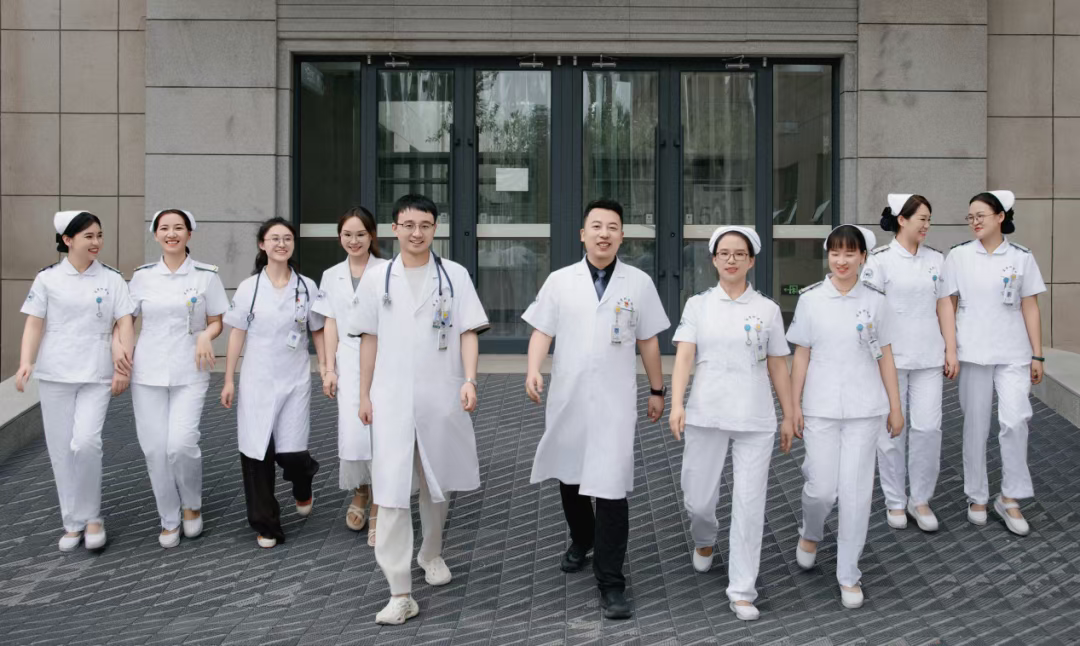
Our team comprises graduates of top medical schools with strong theoretical foundations and rich clinical experience. We collaborate with international experts, including Professor Haufe (Germany), Professor Hideo Tsujii (Japan), Professor Ren Yimin (Taiwan, China), and Professor Wu Jiaming (Taiwan, China), for complex case consultations, academic lectures, and ward rounds. Team members have trained at leading heavy ion and photon therapy centers in China, ensuring expertise in designing scientific, personalized treatment plans.
● Treatment Scope
The department primarily focuses on heavy ion radiotherapy for pancreatic cancer, while also providing heavy ion and photon radiotherapy for abdominopelvic tumors such as liver cancer, colorectal cancer, and prostate cancer. It offers patients professional radiotherapy and personalized comprehensive oncology treatment services.
Introduction to Department Experts

Chen Weizuo
Director of Radiotherapy Department VI, Heavy Ion Center, Wuwei Tumor Hospital, Gansu Province; Associate Chief Physician
Awardee of "Longyuan Young Talent" (Gansu Province)
Council Member of the Brachytherapy and Smart Radiotherapy Branch, Chinese Nuclear Society
Member of the Ion Radiotherapy Branch, Chinese Medical Equipment Association
Member of the Oncology Branch, National Health Industry Enterprise Management Association
Member of the Youth Branch, Western Radiotherapy Association
Member of the Youth Committee, CRTOG Radioimmunology Group
Member of the Youth Committee, Gastric Cancer/Colorectal Cancer Professional Committee, Gansu Provincial Anti-Cancer Association
Member of the Radiotherapy Professional Committee, Wuwei Medical Association
Professional Achievements:
•Presided over 1 project under the "Western Light" Talent Cultivation Program of the Chinese Academy of Sciences.
•Presided over 2 projects under the "Longyuan Young Innovation and Entrepreneurship" Talent Program of the Gansu Provincial Party Committee Organization Department.
•The projects won the Third Prize of the "Gansu Provincial Science and Technology Progress Award."
Publications and Patents:
•Published 11 SCI papers and 5 papers in Chinese core journals.
•Holds 2 national invention patents and 3 utility model patents.
•The invention patents won the Gold Award at the "National Invention Exhibition."
Preliminary Review: Zhang Jie
Final Review: Zhang Lihong