Guidelines for the Comprehensive Management of Endometrial Cancer Patients
Endometrial cancer is one of the common malignant tumors of the female reproductive system, posing a serious threat to women's health. Comprehensive management from prevention to rehabilitation is crucial for patients with endometrial cancer. This article will explore in detail various aspects of the prevention, diagnosis, radiotherapy, and nursing care during radiotherapy for endometrial cancer, providing comprehensive guidance for patients and their families.
I. Prevention
- Learn about cancer prevention knowledge: Understanding the causes, early symptoms, and high-risk factors of endometrial cancer helps in early detection and intervention. For example, factors such as obesity, hypertension, diabetes, infertility, delayed menopause, and long-term use of tamoxifen are associated with an increased risk of endometrial cancer.
- Regular gynecological examinations: Middle-aged women, perimenopausal women, women with menstrual disorders, and postmenopausal women with irregular vaginal bleeding should undergo an annual screening. This helps detect precancerous signals early and allows for timely treatment, improving the cure rate for endometrial cancer.
- Correct use of estrogen: Perimenopausal women using hormone replacement therapy should do so under a doctor's guidance and use it in combination with progesterone. This counteracts the proliferative effect of estrogen on the endometrium, thereby reducing the risk of endometrial cancer.
- Lifestyle changes: Reducing the incidence of conditions like hypertension, diabetes, and obesity can lower the risk of endometrial cancer. Maintaining a healthy lifestyle, such as a balanced diet and moderate exercise, also helps prevent endometrial cancer. It is recommended to consume more low-fat, high-fiber foods such as vegetables, fruits, whole grains, and legumes, and limit the intake of red meat and processed meats. Moderate exercise can boost immunity, control weight, and reduce the risk of disease.
II. Diagnosis
- Early symptom recognition: Early symptoms of endometrial cancer mainly include irregular vaginal bleeding after menopause, increased menstrual flow and prolonged periods in premenopausal women, and menstrual disorders. When these symptoms appear, timely medical attention for a gynecological examination is necessary.
- Auxiliary examinations: Commonly used auxiliary examination methods include B-ultrasound, diagnostic curettage, hysteroscopy, and pathological examination. B-ultrasound can assess uterine size, uterine cavity shape, the presence of polyps, endometrial thickness, and the depth of myometrial invasion; diagnostic curettage is the most common and valuable method for diagnosing endometrial cancer; hysteroscopy allows direct observation of the uterine cavity and cervical canal for the presence, size, and location of lesions, and enables targeted biopsies under direct vision, making it more accurate for diagnosing focal endometrial cancer; pathological examination is the gold standard for diagnosing endometrial cancer.
III. Radiotherapy
Radiotherapy is a classic treatment for gynecological malignancies. It can be used for different purposes in treating malignancies of the cervix, endometrium, vagina, and vulva, from stages I to IV.
IV. Radiotherapy Care Tips
- Balanced diet: During radiotherapy, a diet rich in calories and protein, such as eggs, dairy products, and fish, should be provided. Eat plenty of fresh vegetables and fruits, and combine whole grains with refined grains. Drink plenty of water—more than 2000ml per day—and eat fruits and vegetables to maintain regular bowel and urinary movements.
- Vaginal care: Perform vaginal irrigation daily during radiotherapy, using a vaginal dilator if needed. Avoid using hot water for washing and do not use commercially available irrigants with chemical additives for disinfection. Keep the perineal area clean and ventilated, wear loose, comfortable cotton or silk underwear, change and wash them daily, and expose them to sunlight regularly to prevent bacterial growth.
- Regular check-ups: During radiotherapy, blood tests should be performed weekly, including checks for white blood cells and platelets, which are often most affected. If levels drop below normal, take appropriate measures. During radiotherapy, immunity decreases, so avoid colds, maintain a regular lifestyle, keep a positive mood, and engage in moderate activity.
- Healthy mindset and balance: Maintain a calm and positive attitude, engage in moderate exercise, strengthen nutrition, and improve immune function.
V. Focus on Special Populations
- Women of childbearing age: Women of childbearing age should be vigilant about any menstrual disorders, especially postmenopausal women with irregular vaginal bleeding, and seek timely medical examination to rule out endometrial cancer. For endometrial cancer patients with fertility desires, personalized treatment plans should be developed based on specific circumstances to preserve fertility as much as possible.
- Advanced patients: For patients with advanced endometrial cancer, surgery may not be the primary treatment. In such cases, comprehensive treatments such as chemotherapy, radiotherapy, and endocrine therapy can alleviate symptoms and prolong survival. Patients should actively cooperate with the doctor's treatment plan and maintain a positive attitude and quality of life.
VI. Summary
The comprehensive management of endometrial cancer requires consideration of all aspects, from prevention and diagnosis to rehabilitation. Scientific preventive measures can reduce the risk of incidence; early detection and diagnosis can improve the cure rate; reasonable treatment plans can prolong patient survival; and comprehensive rehabilitation measures can improve patients' quality of life. Patients and their families should actively learn about endometrial cancer, work closely with doctors, and overcome the disease together. Meanwhile, society should strengthen public awareness and education about endometrial cancer to improve public knowledge and vigilance.
VII. Department Introduction
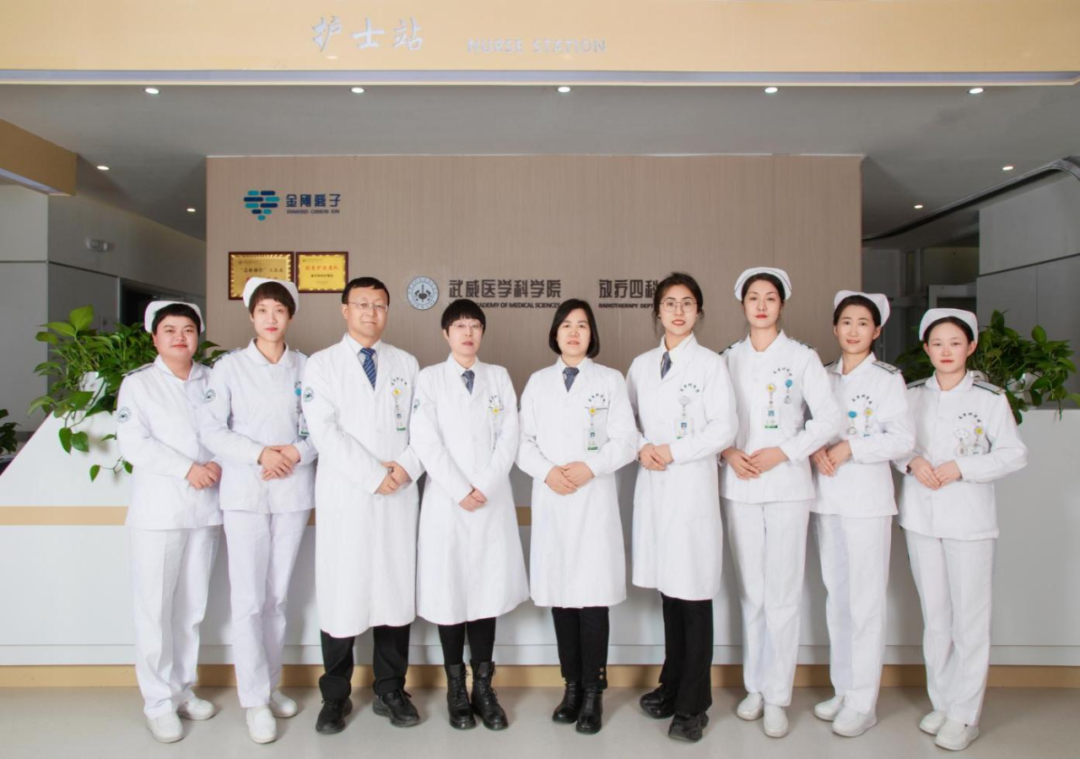
Radiotherapy Department IV specializes in photon and carbon ion therapy for two major malignancies: gynecological and breast cancers, including cervical cancer, endometrial cancer, vaginal cancer, vulvar cancer, ovarian cancer, and breast cancer. Treatments include radical radiotherapy, preoperative neoadjuvant radiotherapy, postoperative adjuvant radiotherapy, chemotherapy, immunotherapy, targeted therapy, endocrine therapy, and comprehensive treatments combining the above methods. The department has 13 medical staff, including 2 associate senior titles, 1 attending physician, and 3 resident physicians. Department members have pursued further studies at Tianjin Cancer Hospital, Beijing Cancer Hospital, Beijing 301 Hospital, Peking University Third Hospital, Shanghai Proton and Heavy Ion Center, and Sichuan Cancer Hospital.
The department director, Dang Youquan, Associate Chief Physician, has been engaged in tumor radiotherapy for 24 years and has studied at several renowned tertiary hospitals nationwide. He has extensive experience in radiotherapy and comprehensive treatment of gynecological and breast tumors. He currently serves as a committee member of the Ion Radiotherapy Branch of the China Medical Equipment Association, executive director of the Western Tumor Specialty Alliance, standing committee member of the Gansu Provincial Anti-Cancer Association Brachytherapy Professional Committee, committee member of the Gansu Provincial Geriatrics Society Radiation Oncology Professional Committee, committee member of the Gansu Nutrition Society Tumor Nutrition Branch, and part-time teacher at Wuwei Vocational College. The department invites Professor Jorg Hauffe from the Munich Proton and Heavy Ion Center in Germany, Professor Hirohiko Tsujii, the "world's first pioneer in heavy ion tumor therapy" from Japan, and Professor Ren Yimin, former chairman of the Taiwan Radiation Oncology Committee, for regular ward rounds and guidance. The department consistently carries out clinical, scientific, and teaching work under the guidance of Professor Liu Zi, director of the Gynecological Oncology Professional Committee of the First Affiliated Hospital of Xi'an Jiaotong University, and Professor Li Sha, Chief Physician of the Radiotherapy Department of the 940th Hospital of the PLA Joint Logistics Support Force. The department has completed 5 provincial and municipal research projects, published over 10 papers, and holds 3 invention patents. Over the years, effective comprehensive cancer treatments have achieved excellent results, winning consistent praise from society, peers, and patients.