Drink Tea Scientifically and Avoid These 7 Common Missteps!
Drink Tea Scientifically and Avoid These 7 Common Missteps!
In recent years, the claim that "drinking three cups of green tea daily can prevent cancer and fight dementia" has sparked widespread discussion. Multiple studies indicate that catechins (such as EGCG) in green tea possess antioxidant and anti-inflammatory properties, which can inhibit the growth of cancer cells and reduce beta-amyloid protein deposition, showing potential in preventing Alzheimer's disease. However, it's important to note that most of these studies are based on laboratory or epidemiological research and cannot be directly equated to "drinking tea equals no illness." Health is the result of multiple factors working together, and drinking tea is just one part of it. To truly benefit from green tea, one must avoid the following seven common misconceptions about tea drinking!
I. Don't Let "Healthy Tea" Become a Health Hazard
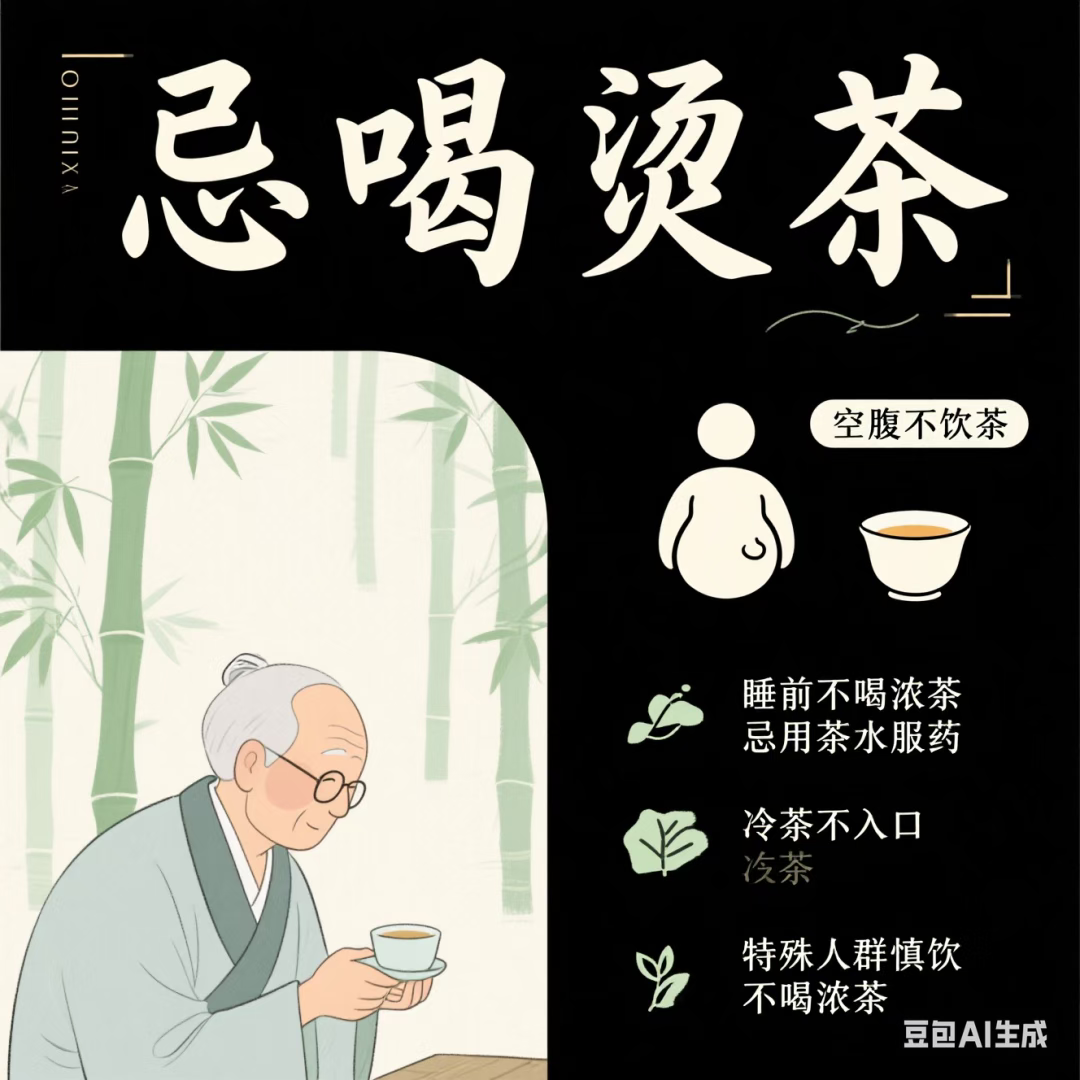
1.Avoid drinking scalding hot tea:
Tea exceeding 65°C (149°F) can repeatedly scald the esophageal mucosa, and long-term stimulation may induce esophageal cancer. The optimal temperature for drinking tea should be kept below 50°C (122°F); "neither cold nor scalding" is the healthy range.
2.Avoid drinking tea on an empty stomach:
Green tea is rich in caffeine, and consuming it on an empty stomach can easily stimulate gastric acid secretion, leading to discomfort such as nausea and palpitations, especially for those with sensitive stomachs. It is recommended to drink tea one hour after a meal. 1
3.Avoid strong tea before bedtime:
Green tea is unfermented and contains relatively high levels of caffeine. Drinking it before bed may cause insomnia. If you wish to drink tea in the evening, opt for highly fermented teas with lower caffeine content, such as black tea or ripe Pu-erh.
4.Avoid taking medication with tea:
The polyphenols and tannic acid in green tea can bind with medications like iron supplements and antibiotics, forming difficult-to-absorb precipitates and reducing drug efficacy. Avoid drinking tea two hours before and after taking medication.
5.Do not drink cold tea:
Cold tea that has been left standing for too long not loses nutrients but also easily breeds bacteria. Brew and drink tea immediately to preserve its antioxidant activity. Overnight tea should be discarded without hesitation.
6.Special populations should drink with caution:
Pregnant and breastfeeding women consuming large amounts of tea may affect the absorption of iron and calcium in the fetus or infant. Patients with gastric ulcers may find that drinking green tea irritates the gastric mucosa and worsens discomfort.
7.Avoid strong tea:
Over-brewed strong tea can lead to excessive intake of caffeine and fluoride, potentially causing rapid heartbeat, dental fluorosis, or even fluoride poisoning. It is recommended to use 2-3 grams of tea leaves per 150ml of water, with a brewing time not exceeding 3 minutes.
II. Scientific Tea Drinking Guide
• Recommended intake:
For healthy adults, consuming 3-5 cups (approximately 600-1000ml) of light green tea per day is appropriate, avoiding excessive caffeine intake.
• Brewing Technique:
Water temperature around 80°C (176°F) is ideal, as it can fully release the tea's aroma while preserving catechins to the greatest extent. The first infusion doesn't require prolonged steeping; after a quick rinse, the tea is ready to be enjoyed.
• Here are some common food pairing taboos:
Avoid combining with high-protein foods (such as milk, seafood) to prevent tannic acid from binding with protein and forming substances that are difficult to digest.

While green tea holds health potential, it is not a miraculous "cure-all." A balanced diet, regular exercise, and good rest are the cornerstones of disease prevention. Drinking tea rationally is the way to truly make this Eastern beverage a partner in safeguarding health!