
Daily Management of Lymphedema Patients
Daily Management of Lymphedema Patients
— Can patients with lymphedema drink water?
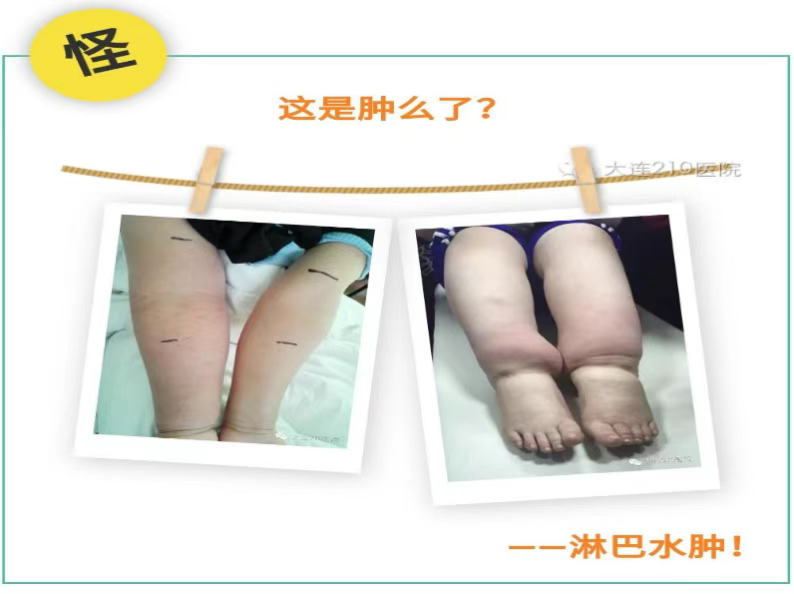
Lymphedema is caused by the accumulation of lymph fluid in interstitial spaces, resulting from impaired lymph fluid production or impaired lymphatic circulation. This condition involves a series of pathological changes, including tissue edema, chronic inflammation, lipofibrosis, and tissue fibrosis. For patients with lymphedema, the amount of water they consume has no significant impact on the severity of edema. Therefore, patients with lymphedema can drink water normally. In fact, maintaining adequate hydration may even help prevent thrombosis, which is beneficial to their overall health.

In terms of drinking water, patients with lymphedema should pay attention to the following points:
I. Water Intake Volume
It is recommended that patients with lymphedema limit daily water intake to no more than 1,800–2,000 milliliters. However, the specific amount should be adjusted according to individual circumstances. If patients have other underlying conditions (e.g., heart or kidney issues), they should consult a doctor for personalized guidance on fluid intake.
II. Timing of Water Intake
It is advisable to replenish fluids at four key times: after waking up in the morning, before and after functional exercises, after bathing, and before bedtime. This helps maintain fluid balance and supports overall health.
III. Types of Drinking Water
There are no specific recommendations for the type of drinking water for lymphedema patients. They may choose water that suits their individual needs, but it is crucial to ensure water safety. Common types of drinking water include purified water, mineral water, natural water, and tap water, among which purified water and mineral water are both safe choices.

Additionally, patients with lymphedema should also pay attention to the following points:
Bathing Water Temperature
For those who prefer hot baths, note that the duration of each bath should not exceed 15 minutes, and the water temperature should not exceed 38°C. During hot weather, edema tends to worsen, so wearing compression garments throughout the day is essential. However, if compression garments feel excessively stuffy, they may be temporarily removed, and the skin of the affected limb can be covered with a cool, damp towel to reduce temperature.
Beverage Choices
Weight Control: It is recommended to limit high-calorie beverages such as soft drinks and milk tea. Patients who enjoy fruit juice are advised to replace juice with whole fruits, as this not only increases dietary fiber intake but also enhances satiety, which aids in weight management.
1.Clothing
Undergarments and General Clothing
(1) For undergarments that come into direct contact with the skin, opt for 100% cotton, soft, and clean garments.
(2) Choose loose-fitting styles—for example, avoid elasticized cuffs or hems on clothing.
(3) Patients with upper limb lymphedema are recommended to wear a well-fitting bra with wide straps and deep side panels to help support the chest and enhance comfort.
(4) Avoid tight-fitting garments such as shapewear or slimming clothes. Note that tight-fitting clothing is not the same as compression garments.
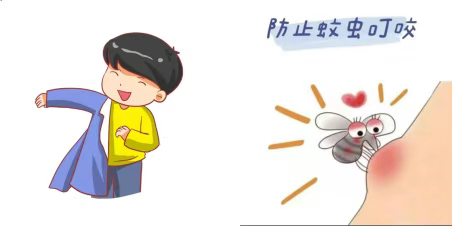
(5) If wearing clothing with more exposed skin areas, protect the skin by applying sunscreen and taking measures to prevent insect bites.
2.Pants
(1)Similar to upper garments, for underwear, long johns, and other pants that come into direct contact with the skin, opt for 100% cotton, soft, and clean options.
(2) Choose loose-fitting styles for pants—avoid overly tight waistbands or ankle cuffs. For underwear, loose-fitting or one-size-larger options are recommended.
3.Avoid Overexertion
Avoid lifting, pulling, or pushing overly heavy objects; refrain from strenuous physical labor or vigorous physical activities.
4.Prevent Infection
Keep the skin on the affected side clean.
• Avoid invasive procedures (e.g., blood drawing, intravenous infusion) on the affected arm.
• When washing, wear loose-fitting gloves to minimize prolonged exposure to irritating detergents.
The occurrence of lymphedema does not necessarily happen immediately after surgery; it may develop months or even years post-surgery. Early prevention and adherence to daily care are particularly crucial. Once lymphedema develops, prompt treatment is essential. Early and appropriate intervention for lymphedema can yield favorable therapeutic outcomes. If you are troubled by lymphedema (e.g., postoperative swelling in the arms or legs), please contact us. We will provide you with professional consultation and rehabilitation services to safeguard your health.
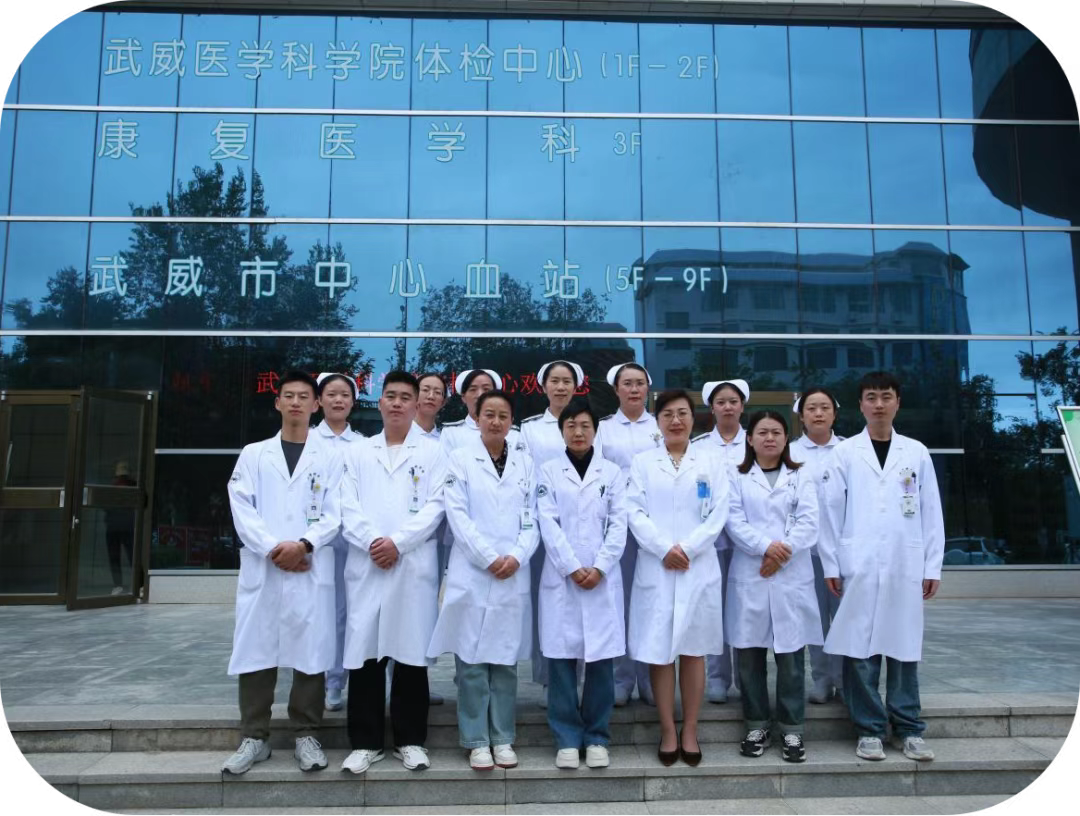
The Rehabilitation Department of Gansu Wuwei Academy of Medical and Science is a comprehensive clinical discipline integrating treatment, rehabilitation, prevention, and health care. It offers a wide range of rehabilitation services, including the diagnosis and treatment of sleep disorders, oncological rehabilitation, sub-health management, lymphatic drainage rehabilitation, pain rehabilitation, orthopedic rehabilitation, neurological rehabilitation, cardiopulmonary rehabilitation, nutritional rehabilitation, psychological and sleep rehabilitation, pelvic floor rehabilitation, stroke recovery rehabilitation, and geriatric rehabilitation.
The department operates under a "team-based diagnosis and treatment" model involving multidisciplinary experts. It collaborates with experienced specialists from related departments such as traditional Chinese medicine, neurology, neurosurgery, orthopedics, and pain management to conduct comprehensive evaluations and formulate personalized rehabilitation plans. Drawing on the theories of traditional Chinese medicine (TCM) meridians and acupoints, combined with modern high-tech medical devices, we employ integrated TCM-Western rehabilitation methods, including physical factor therapy, cognitive-behavioral therapy, exercise therapy, acupuncture, and tuina massage. Over the past decade, our department has grown into an excellent team with advanced equipment, sophisticated techniques, noble medical ethics, a united and enterprising spirit, and top-quality service.
Address: Rehabilitation Medicine Department, Gansu Wuwei Cancer Hospital (4th Floor, Physical Examination Center, Health Building)
Consultation Hotlines: +86 0935-6988016 | +86 0935-6988017
Preliminary Review: Zhang Jie
Final Review: Zhang Lihong