
Head and neck radiotherapy is not an "end"! Rehabilitation care must not be overlooked
Head and Neck Radiotherapy is not an "end"! Rehabilitation Care must not be Overlooked
The conclusion of head and neck radiotherapy does not signal the "full stop" of treatment; scientific care during the recovery period directly influences the outcome of rehabilitation. These key points must be firmly remembered.
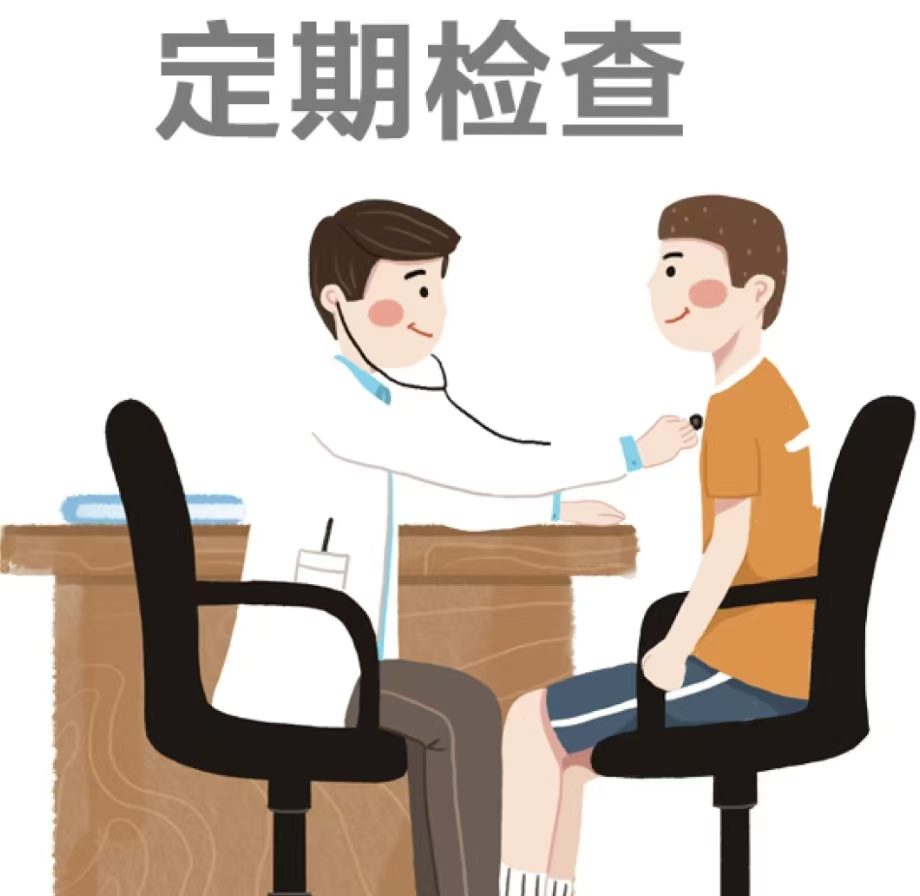
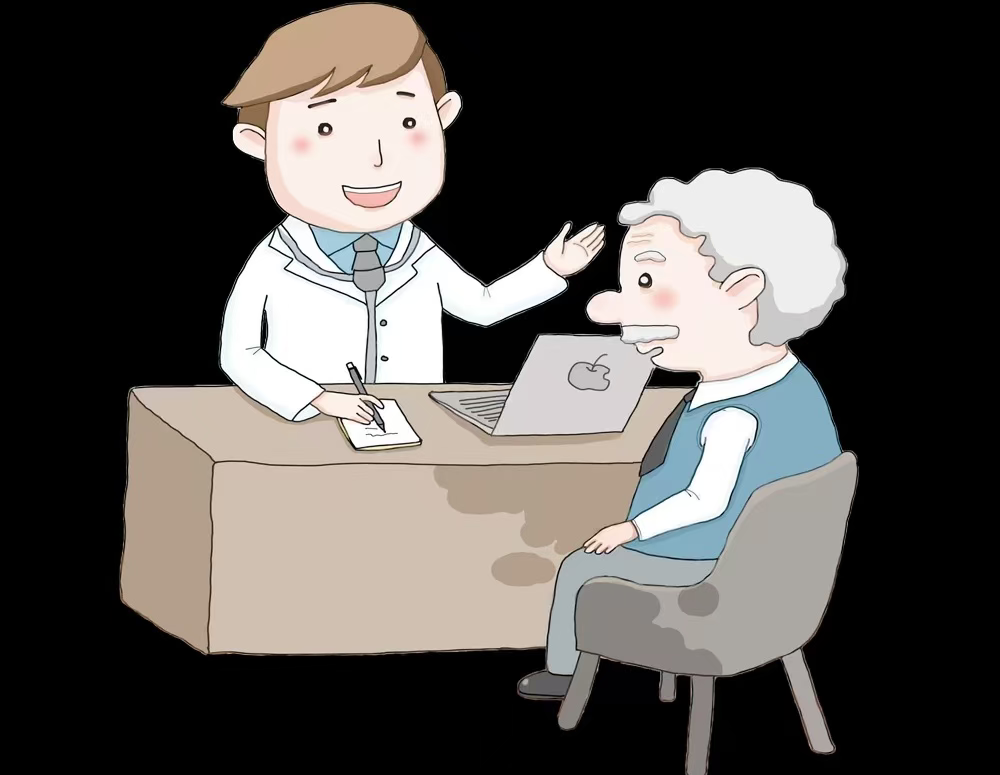
I. Adhere to Regular Follow-Up to Safeguard Your Health "Defense Line"
In the first year post-radiotherapy, follow up every 1–3 months; in the second year, every 2–6 months; from the 3rd to 5th year, every 4–6 months; and annually after 5 years. Regular follow-ups enable timely monitoring of tumor recurrence and management of long-term side effects caused by radiotherapy—never neglect this.
II. Perform Functional Exercises to Unlock the Body's "Vitality Code"
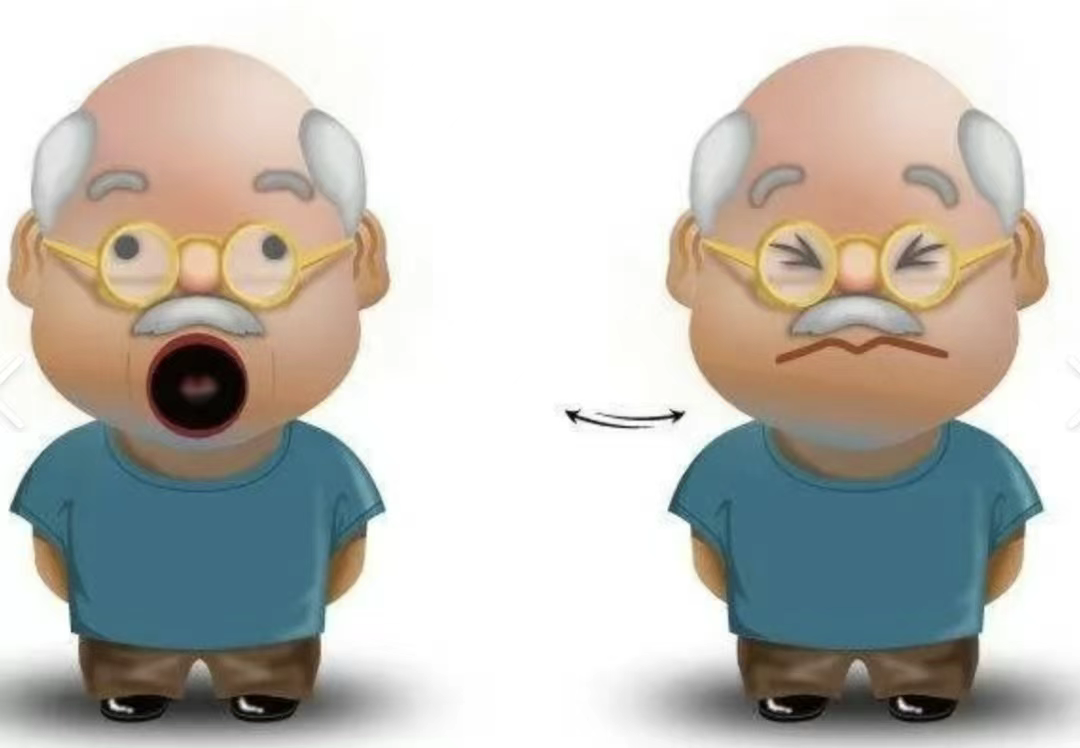
(1) Jaw Opening Exercise: Perform 3 times daily, 3–5 minutes per session. Open your mouth as wide as possible, pause for 5 seconds, then close it slowly. This helps prevent difficulty opening the mouth (trismus). You may start this exercise from the first day of radiotherapy. It effectively prevents and alleviates trismus caused by fibrosis of the temporomandibular joint (TMJ) and masseter muscles due to radiotherapy, enabling patients to eat, speak, and smile more naturally.


III. Cheek Puffing Exercise: Aiding Oral Function Recovery
Close your lips tightly, then blow air outward to puff your cheeks as much as possible. Expand them to the maximum, pause for about 5 seconds, then expel the air. Perform this 10 times daily. The cheek puffing exercise helps strengthen oral muscles, promotes blood circulation in the oral cavity, and greatly benefits the recovery of oral functions.
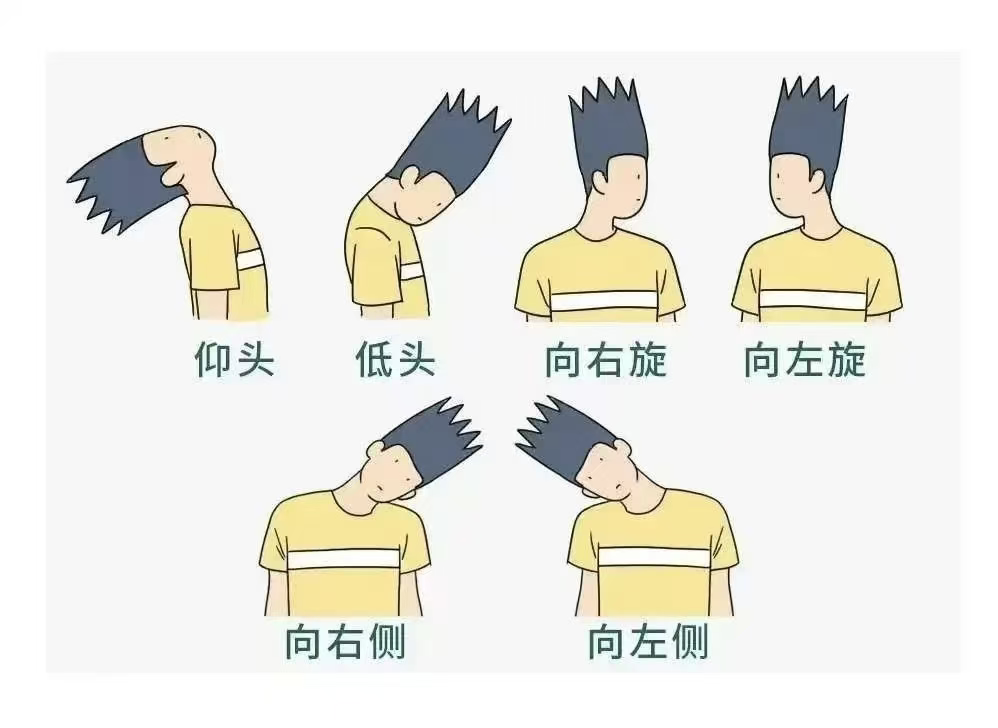
IV. Neck Turning Exercise
Stand with your feet shoulder-width apart. Turn your head to the left and right, holding each position for 3 seconds to alleviate neck stiffness (pause if skin breakdown occurs). Persist in this exercise for 2–3 years starting from after radiotherapy to effectively maintain neck function.
V. Care for Sensitive Skin to Avoid Secondary Damage
(1) Post-radiotherapy skin is delicate; sun protection must be maintained for over 1 year. When going outdoors, wear a wide-brimmed hat and apply physical sunscreen.
(2) Wear loose-fitting, cotton, large-collared clothing. Avoid skin care products containing alcohol or fragrances, and refrain from scratching or exposing the skin to extreme hot or cold stimuli.
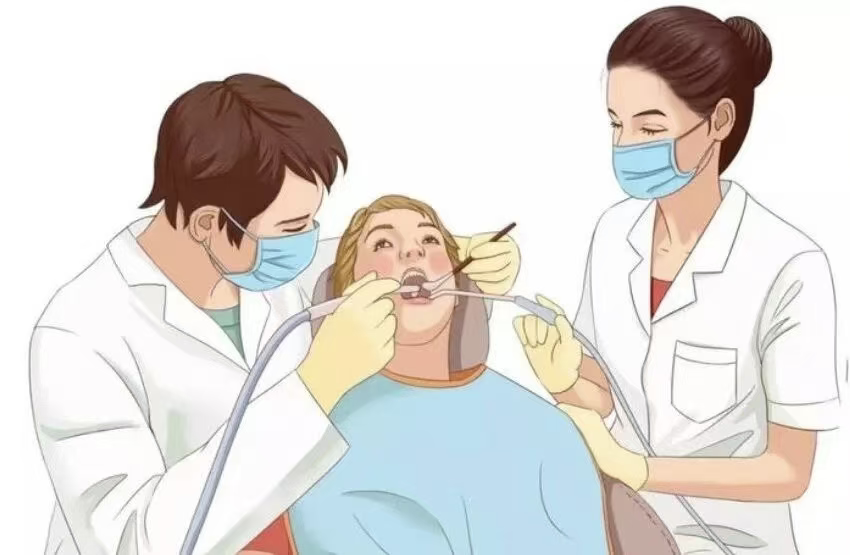
VI. Prioritize Oral Care to Prevent Oral Issues
(1) Brush teeth with a soft-bristled toothbrush and fluoride-containing toothpaste (with dual fluoride). After meals, rinse with light salt water or homemade mouthwash to maintain oral hygiene.

(2) Avoid tooth extraction as much as possible within 1–3 years after radiotherapy. If extraction is necessary, be sure to consult a dental specialist first.
The recovery period is a critical stage in regaining health. By properly implementing these care measures, one can return to normal life more smoothly.
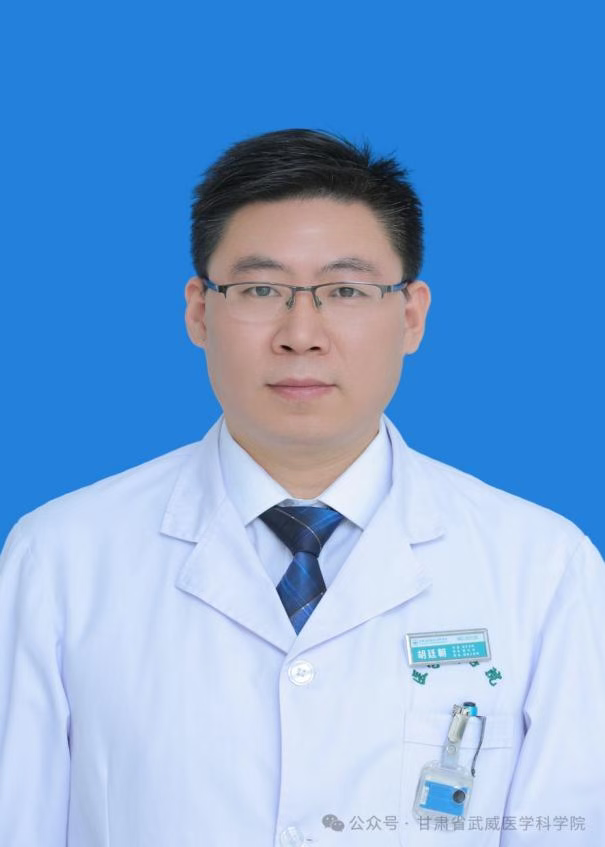

Hu Tingchao, Associate Chief Physician in Radiation Oncology
● Director of Department of Radiation Oncology V (Head and Neck Tumor Radiotherapy), Gansu Wuwei Cancer Hospital
● Member of the Chinese Anti-Cancer Association
● Member of the Gansu Provincial Radiotherapy Committee
● Council Member of the 3rd Council of the Western Radiotherapy Association
● Member of the Particle Therapy Branch of the Chinese Medical Equipment Association
Educational Background
Graduated from the Department of Clinical Medicine, Lanzhou University in 2005. With 18 years of experience in radiation oncology, he has undergone further training in tumor radiotherapy at Sichuan Cancer Hospital, Fukuoka Teikoku Hospital (Japan), Shanghai Proton and Heavy Ion Hospital, and Sun Yat-sen University Cancer Center (Guangzhou).
Professional Expertise
- Specializes in comprehensive treatment (including radiotherapy, chemotherapy, targeted therapy, etc.) for various common malignant tumors, such as head and neck tumors, gliomas, lymphomas, and chordomas.
- Expertise in precision radiotherapy techniques: 3-dimensional conformal radiotherapy (3D-CRT), intensity-modulated conformal radiotherapy (IMRT), volumetric-modulated arc therapy (VMAT), stereotactic body radiotherapy (SBRT), image-guided radiotherapy (IGRT), and carbon ion radiotherapy (CIRT). He has extensive experience in radiotherapy plan design, protection of normal organ function, and reduction/management of radiotherapy-related side effects.
Research and Publications
- Published over 10 professional papers.
- Served as the chief editor of 1 monograph.
- Holds 1 utility model patent.
- Presided over and completed 2 municipal-level scientific research projects in Wuwei.
- Participated in compiling standard procedures for carbon ion radiotherapy.
- Awarded the title of “Advanced Worker” by the hospital multiple times.
About the Department of Head and Neck Tumor Radiotherapy (Department of Radiation Oncology V)
This department is a specialized ward integrating clinical practice, scientific research, and teaching. It primarily treats the following conditions: meningioma, pituitary adenoma, acoustic neuroma, glioma, intracranial tumor, nasopharyngeal carcinoma, oral cancer, ocular tumor, laryngeal cancer, hard palate cancer, hypopharyngeal cancer, chordoma, and lymphomas of all parts of the body.
Advantageous Diseases for Carbon Ion Radiotherapy
Malignant melanoma of the head and neck, head and neck sarcoma, adenoid cystic carcinoma, recurrent head and neck cancer, skull base chordoma, chondrosarcoma, and glioma.
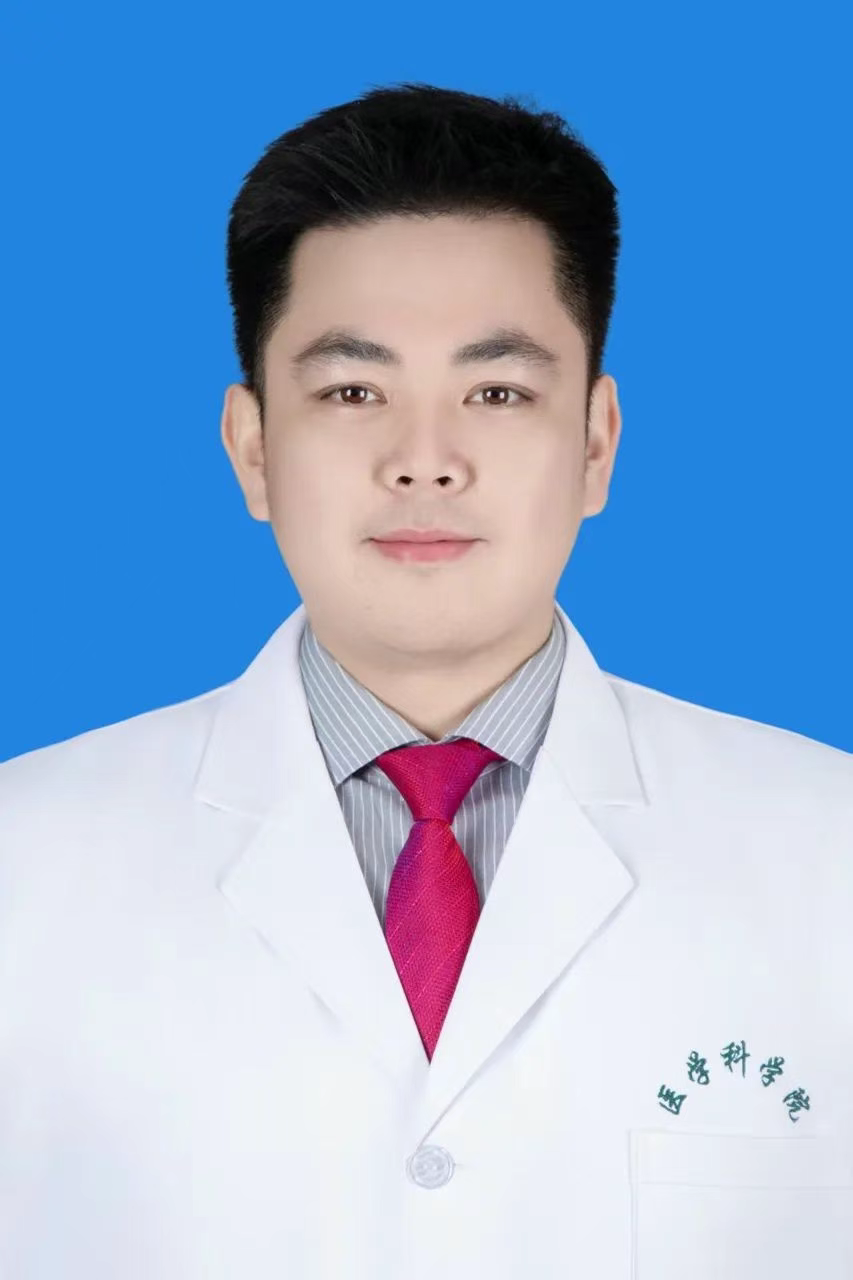
Yin Zhaosheng
Deputy Director of Department of Radiation Oncology V | Member of the Communist Party of China | Associate Chief Physician in Radiation Oncology
Former Director of Department of Tumor Radiotherapy, Affiliated Hospital of Xiangnan University, Hunan Province
Executive Committee Member of the Oncology Professional Committee, Chenzhou Medical Association
Member of the Tumor Radiotherapy and Radiotherapy Immunology Committee, Hunan International Medical Exchange Promotion Association
Member of the Clinical Nutrition Professional Committee, Hunan Medical Education and Science Society
Trained under Professor Ren Yimin (former Chairman of the Radiation Oncology Committee of Taiwan Province, China) and Professor Wang Jinzhu (a medical management expert at Tzu Chi Hospital, Taiwan Province, China).
Visiting Scholar at Tri-Service General Hospital, Taiwan Province, China, and Chang Gung Hospital, Taiwan Province, China.
Specializes in precision tumor radiotherapy and stereotactic radiotherapy, particularly comprehensive treatment of head and neck neuro-oncology.
Preliminary Review: Zhang Jie
Final Review: Zhang Lihong