
Guard Every Breath | A Comprehensive Guide to COPD
Guard Every Breath | A Comprehensive Guide to COPD
01 What is COPD?
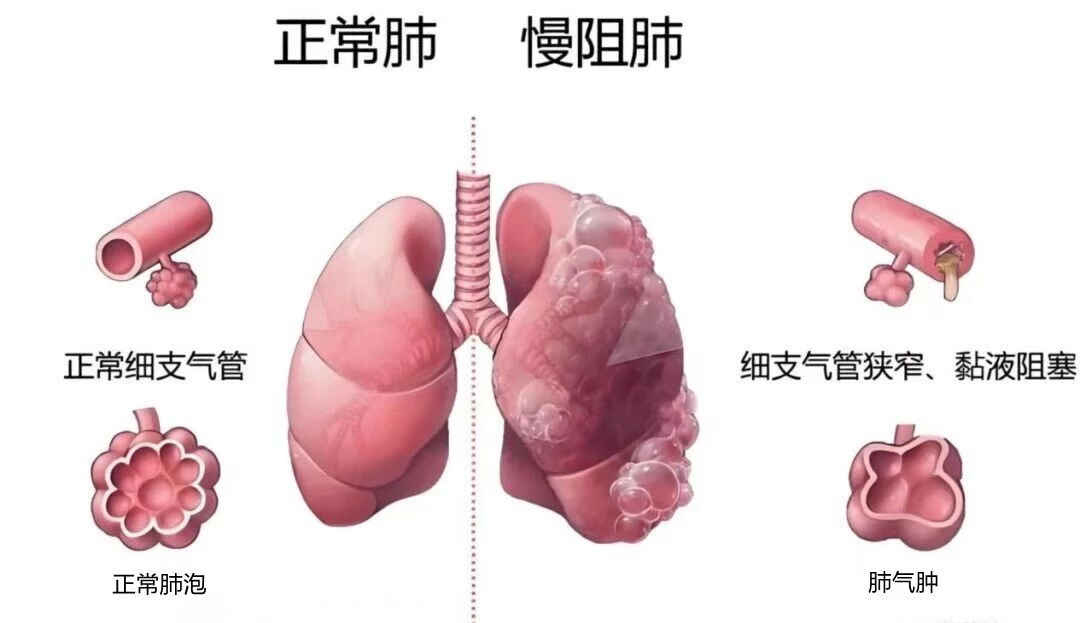
COPD (Chronic Obstructive Pulmonary Disease) is a preventable and treatable respiratory condition characterized by persistent airflow limitation. This airflow restriction is typically progressive and is associated with an enhanced chronic inflammatory response in the airways and lung tissue to harmful gases or particles, such as tobacco smoke. Common types include chronic bronchitis and emphysema, with most patients exhibiting both conditions simultaneously.
02 Common Symptoms: Do Not Ignore Your Body’s Warning Signs
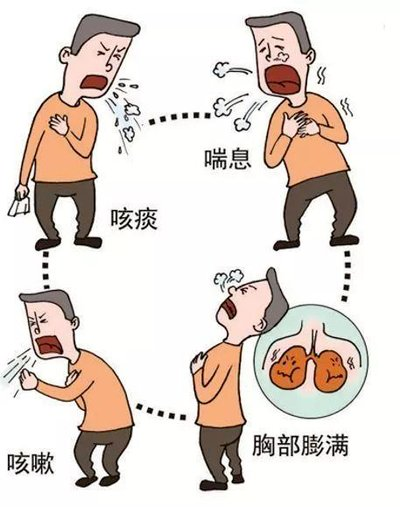
The typical symptoms of COPD are "chronic cough, sputum production, and shortness of breath after physical activity."
Early symptoms of COPD are often subtle and easily overlooked, but as the condition worsens, the following may occur:
• Chronic cough: Often the first symptom. Initially, the cough may be intermittent and more severe in the morning, but it can progress to occurring throughout the day, though nighttime coughing is generally not prominent.
• Sputum production: Coughing is usually accompanied by the expulsion of a small amount of sticky mucus. Some patients may produce more sputum in the morning, and during infections, the amount may increase, with the sputum becoming purulent.
• Shortness of breath or difficulty breathing: This is a hallmark symptom of COPD. In the early stages, it may only occur during physical exertion, but as the disease progresses, it can happen during daily activities or even at rest.
• Wheezing and chest tightness: Some patients, particularly those with severe COPD or during acute exacerbations, may experience wheezing and chest tightness.
03 Risk Factors: These Habits Are Harming Your Lungs
1. Smoking: Approximately 90% of COPD cases are linked to smoking, including exposure to secondhand smoke. Harmful substances in tobacco damage the structure of alveoli and airways, leading to irreversible lung impairment. — The primary risk factor!
2. Environmental Pollution: Long-term exposure to air pollutants such as smog, dust (e.g., among miners or textile workers), or kitchen fumes can also increase the risk of developing COPD.
3. Genetic Factors: Genetic deficiencies, such as alpha-1 antitrypsin deficiency, may contribute to early-onset COPD.
4. Recurrent Respiratory Infections (e.g., chronic bronchitis).
04 Diagnosis and Treatment: Early Detection Is Key
Pulmonary function tests (PFTs) are the "gold standard" for diagnosing COPD, as they assess the degree of airflow limitation through a simple blowing test. Treatment requires a multi-faceted approach:
1. Smoking cessation: Quitting smoking immediately can slow the decline of lung function and is the cornerstone of COPD management.
2. Medications:
• Bronchodilators: Relieve airflow limitation and improve shortness of breath. Examples include salbutamol and tiotropium.
• Inhaled corticosteroids: Recommended for patients with severe symptoms or frequent exacerbations, often used in combination with bronchodilators. Example: budesonide/formoterol powder inhaler.
• Mucolytics: Help thin mucus and promote its clearance. Examples: ambroxol, acetylcysteine.
3. Rehabilitation training:
• Pursed-lip breathing: Inhale slowly through the nose, then exhale slowly through pursed lips (as if whistling). Aim for an inhalation-to-exhalation ratio of 1:2 or 1:3 to improve ventilation.
• Diaphragmatic breathing: Lie flat or sit upright, place hands on the abdomen. Inhale while expanding the abdomen, exhale while contracting it. This strengthens respiratory muscles.
• Aerobic exercise: Enhances endurance and overall lung function.
4. Long-term oxygen therapy: For patients with a persistent arterial partial pressure of oxygen (PaO₂) below 55 mmHg, long-term home oxygen therapy is recommended. Use for at least 15 hours daily to alleviate hypoxia and delay the progression of cor pulmonale.
5. Balanced diet: Ensure adequate intake of protein (e.g., eggs, milk, lean meat) and vitamins (e.g., fresh vegetables and fruits). Avoid high-sugar and high-fat foods. Opt for frequent, small meals to reduce respiratory burden.
05 Prevention: An Extra Layer of Protection for Your Lungs
1. Avoid tobacco: It is never too late to quit smoking (including avoiding secondhand smoke). E-cigarettes are equally harmful.
2. Use protective measures: Those with occupational exposure should wear dust masks and reduce outdoor activities on smoggy days.
3. Get vaccinated: Receive an annual flu vaccine, and those over 65 are advised to get the pneumococcal vaccine.
4. Regular screening: Smokers and individuals with chronic cough should undergo annual pulmonary function tests.
Although COPD cannot be completely cured, early intervention can effectively control the disease. Let’s take action together: prioritize lung health, quit smoking now, exercise regularly, improve living environments, stay away from COPD, and safeguard respiratory wellness!
Preliminary Review: Liu Wenyu
Final Review: Ma Shuqian