
Varicose Veins: Skip Major Surgery — Minimally Invasive Options for Faster Recovery
Varicose Veins: Skip Major Surgery — Minimally Invasive Options for Faster Recovery
When it comes to the treatment of varicose veins in the lower limbs, many people still have the impression of "surgery, scars, and long recovery time." But nowadays, minimally invasive surgery has become the mainstream approach for treating varicose veins. Like a "precise surgical knife," it solves the problem while significantly reducing patients' pain and concerns.
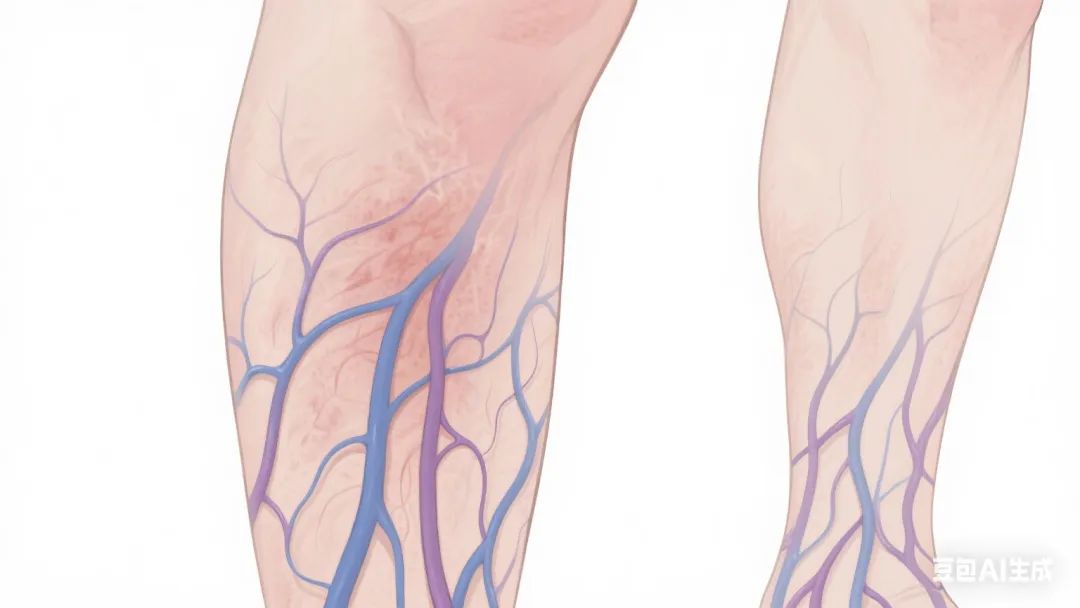
I. Minimal trauma: from "large incisions" to "pinhole-level"
Traditional surgical treatment for varicose veins often requires making multiple 3-5 cm incisions on the leg, or even stripping the entire affected vein, causing significant damage to the leg tissues. In contrast, minimally invasive procedures like microwave ablation or radiofrequency ablation are entirely different—only a tiny 2 mm hole near the ankle or knee is needed. Through a catheter, heat energy is delivered to the vein wall, causing the diseased vein to close and preventing further blood pooling.
Combined with sclerotherapy, not even an incision is required. The treatment is as simple as an injection: medication is injected into the varicose vein, causing the vessel walls to adhere and close. This "pinhole-level" minimal trauma not only reduces bleeding but also minimizes damage to surrounding nerves and muscles.

II. Faster recovery: Walk immediately after surgery without disrupting daily life
After traditional surgery, patients often need to rest in bed for a long time. Even after suture removal, they must remain extremely cautious to avoid wound reopening, resulting in a prolonged recovery period. In contrast, with minimally invasive surgery, patients can walk on the same day and go home the next day, with almost no disruption to their normal life. Generally, light exercise can be resumed within 1-2 weeks after the procedure, and full recovery to normal activities is typically achieved in about a month.
For many beauty-conscious individuals, the multiple scars left by traditional surgery are often more distressing than the varicose veins themselves. In contrast, the wounds from minimally invasive procedures are so small they’re practically negligible: the tiny incisions from microwave or radiofrequency treatments heal to the point of being nearly invisible, while sclerotherapy leaves no wounds at all. Even procedures requiring multiple puncture points typically result in only a few faint "white dots" after healing—making shorts or skirts completely worry-free.
This is undoubtedly a huge advantage for professionals such as teachers, models, and service industry workers who frequently expose their legs, as it resolves health issues while preserving aesthetic appearance.
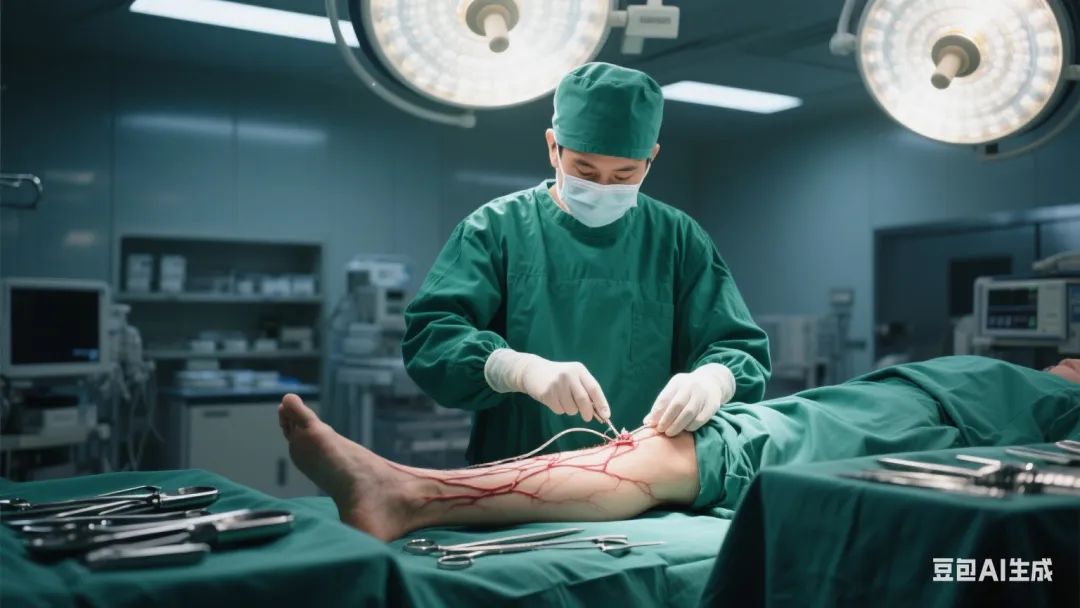
III. Fewer complications: Reduced risk of infection and recurrence
Traditional surgery, due to its large incisions, carries a higher risk of postoperative wound infections and hematomas. Additionally, the dissection of veins may damage surrounding tissues, leading to leg numbness or pain. In contrast, minimally invasive procedures cause minimal tissue disruption, significantly reducing the incidence of infections and hematomas.
Moreover, since minimally invasive surgery does not require vein stripping, it also lowers the risk of injuring the saphenous nerve, greatly decreasing the likelihood of postoperative leg numbness.
IV. Broad applicability: Suitable for mild, moderate, and severe cases
Many people assume that minimally invasive surgery is only suitable for mild varicose veins, but that's not the case. For moderate cases (where prominent blue veins are visible on the legs), microwave and radiofrequency treatments can effectively close the diseased main veins. For severe varicose veins or even cases with mild ulcers, minimally invasive surgery offers even greater advantages—it minimizes trauma while thoroughly resolving the issue.
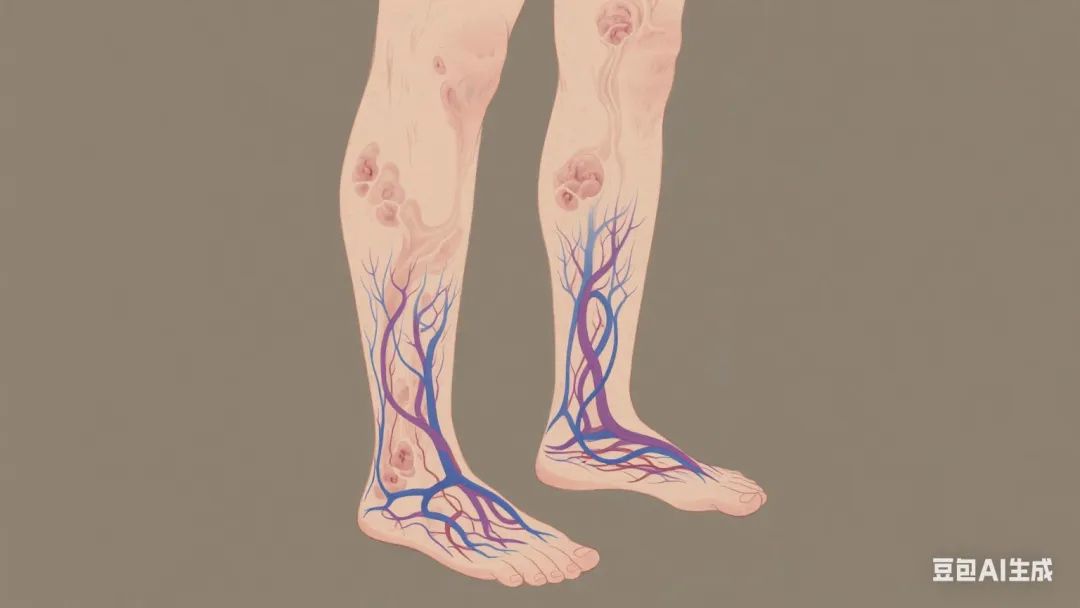
Don't let fear of surgery delay your treatment.
In the past, many people endured the pain of varicose veins rather than undergo traditional surgery, fearing its discomfort and scarring. They often waited until complications like eczema or ulcers developed—by then, treatment became more difficult. Today, the advantages of minimally invasive surgery make treatment much easier and safer.
If you're already noticing bulging "blue veins," aching heaviness in your legs, or even skin discoloration and itching, don't delay. Visit a vascular surgeon promptly for an evaluation. Your doctor will recommend the most suitable treatment based on your condition. Remember: the earlier varicose veins are treated, the better the results from minimally invasive surgery—and the faster your recovery. This is how you truly say goodbye to the distress of "worm-like veins" and restore both health and beauty to your legs.

