Earlier Identification, More Memories Preserved: The Crucial Importance of Dementia Diagnosis
Earlier Identification, More Memories Preserved: The Crucial Importance of Dementia Diagnosis
— 2026 World Alzheimer's Day Themed Free Clinic and Health Education Campaign
September 21, 2026 marks World Alzheimer's Day. To popularize knowledge on the prevention and treatment of Alzheimer's disease and cognitive impairment, and to raise public awareness of memory decline and cognitive deterioration, the medical and nursing team from our hospital's Department of Neurology, Health Management Center, and Internal Medicine Party Branch carried out a public welfare free clinic and health education campaign — reaching out to the community and serving the public by providing health consultations and educational services for the elderly.
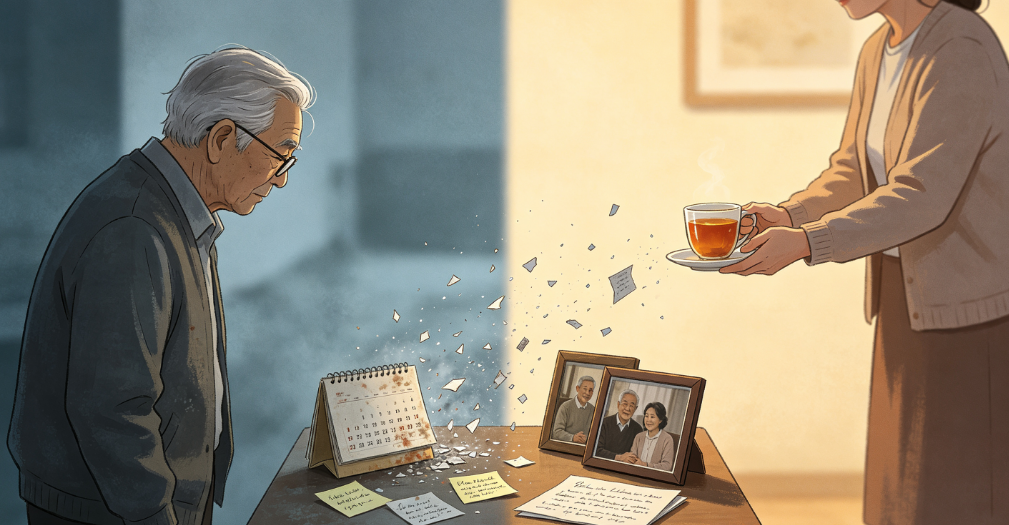
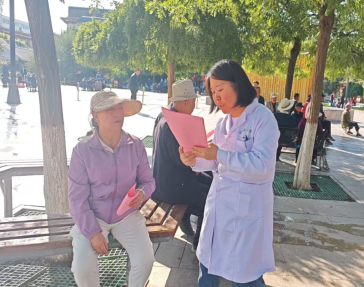
1. Free Clinic Scene: Bringing Cognitive Screening to the People
The free clinic proceeded in an orderly and welcoming atmosphere. The medical and nursing team provided public health screenings and one‑on‑one consultations for middle‑aged and elderly residents, focusing on blood pressure and blood glucose testing, preliminary memory assessment, cognitive function screening, and chronic disease consultation for the elderly. Regarding common concerns such as "Is forgetfulness normal?", "Should I see a doctor?", and "How should I provide home care?", medical staff answered each question individually and offered personalized health recommendations in conjunction with the management of chronic conditions such as hypertension, diabetes, hyperlipidemia, and atrial fibrillation. Party member volunteers from the Internal Medicine Party Branch guided patients, distributed educational materials, and helped raise awareness of the importance of early screening, early diagnosis, and early intervention.



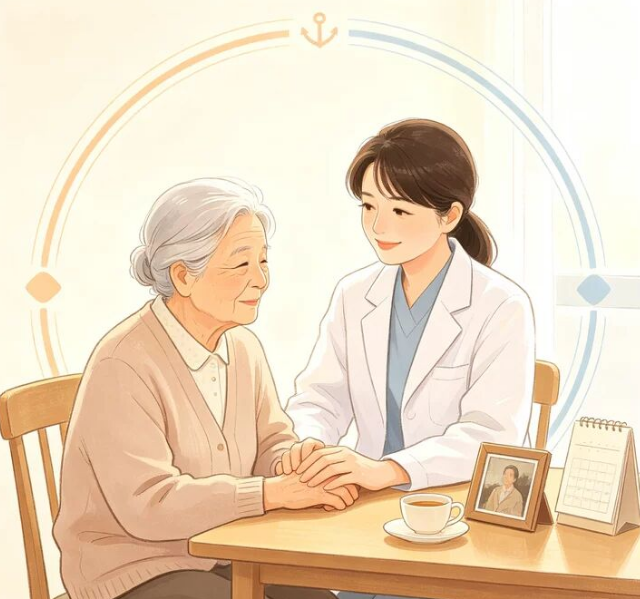
2. Why Emphasize Early Identification and Diagnosis?
Many families hold misconceptions: that forgetfulness and confusion in old age are normal and do not require medical attention. In fact, Alzheimer's disease and cognitive impairment are not inevitable consequences of normal aging. Currently, the disease cannot be cured, but domestic and international guidelines emphasize that early identification, standardized diagnosis and treatment, and comprehensive management can help slow cognitive and functional decline, help patients maintain quality of life, and to some extent reduce the burden on family caregivers. Early identification and timely medical consultation can help:
- Slow the decline of memory, thinking ability, and self‑care under medical guidance;
- Reduce safety risks such as wandering, falls, and emotional disturbances;
- Enable early standardized diagnosis and treatment and management of chronic diseases;
- Help family members provide scientific care and reduce caregiving stress.
3. Ten Early Warning Signs of Alzheimer's Disease
- Significant memory decline, frequent forgetfulness, repeated questioning;
- Repeating words or actions, slowed thinking;
- Inability to perform familiar tasks, declining self‑care ability;
- Difficulty with language expression, speech hesitation, inability to find the right words;
- Deterioration in orientation to time, place, and person;
- Declining judgment, reckless spending, easily trusting others;
- Misplacing items, frequently losing things, suspecting others of theft;
- Sudden changes in mood and personality — suspicion, irritability, apathy, withdrawal;
- Reduced social initiative, reluctance to think or communicate;
- Sleep disturbances, day‑night reversal, nighttime agitation.
If two or more of these signs persist, it is recommended to undergo cognitive function screening in the Department of Neurology as early as possible.
4. Daily Prevention and Home Care Recommendations
- Keep the brain active: Reading, newspapers, chess, and simple cognitive activities to maintain brain engagement;
- Stay socially connected: Communicate with others, go out for moderate activities, avoid prolonged isolation;
- Manage chronic diseases: Follow medical advice to control hypertension, diabetes, hyperlipidemia, atrial fibrillation, and other underlying conditions;
- Maintain a regular routine: Ensure adequate sleep, quit smoking, limit alcohol, and eat a light diet;
- Family companionship: Communicate patiently, encourage more, criticize less, and reduce anxiety and low self‑esteem in the elderly;
- Regular screening: Adults over 60 may undergo annual cognitive function check‑ups as recommended by their doctor
Memory is a gift of time and a bond of family happiness. The Department of Neurology, Health Management Center, and Internal Medicine Party Branch of Gansu Wuwei Cancer Hospital will continue to carry out health education and public welfare services, promoting early screening, early diagnosis, and early intervention for cognitive impairment. If you or a family member experiences memory decline, personality changes, or disorientation, please seek medical attention promptly. Earlier identification preserves more memories; earlier diagnosis brings greater peace of mind.
Friendly reminder: Please bring prior medical records, medication lists, and relevant examination materials to your appointment for comprehensive evaluation by the doctor.
Special note: This article is for health education purposes only and does not constitute a basis for diagnosis or treatment, nor can it replace an in‑person medical consultation. Please follow your doctor's advice for specific diagnosis and treatment.
Department Profile
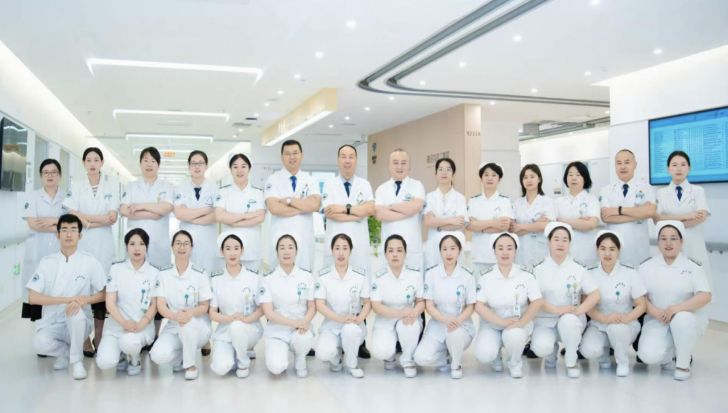
The Department of Neurology at Gansu Wuwei Cancer Hospital is a municipal‑level key discipline in Wuwei integrating clinical care, education, and research. It is also the Wuwei Cerebrovascular Disease Research Institute, the Stroke Center of the Wuwei Academy of Medical Sciences, the Wuwei Neurological Intervention Quality Control Center, the Hyperbaric Oxygen Professional Committee of the Wuwei Medical Association, a Wuwei Innovative Work Team, and a Gansu Provincial Star Innovative Work Team.
The department currently has 46 medical and nursing staff, including 15 physicians, 4 with master's degrees, 2 Chief Physicians, 4 Associate Chief Physicians, 7 Attending Physicians, and 3 Resident Physicians.
The department comprises the main campus outpatient clinic and the First Neurology Ward, the Heavy Ion Campus outpatient clinic and the Second Neurology Ward, with a total of 120 beds and 6 beds in the Neurology Intensive Care Unit.
The department has received the Gansu Provincial Patent Inventor Award, a Third Prize in the Gansu Provincial Department of Science and Technology Technology Invention Award, a Third Prize in Gansu Medical Science and Technology, a Third Prize in the Gansu Huangfu Mi Traditional Chinese Medicine Science and Technology Award, and has led the completion of one Gansu Provincial Key R&D Program project.
Writer: Lu Haiqin
First Review: Ma Shuqian
Second Review: Guo Yishan
Third Review: Cai Qinghua
Gansu Wuwei Cancer Hospital (Wuwei Academy of Medical Sciences)
(甘)医广【2025】第11-14-387号