Late Autumn Brings Dryness and Cold — Remember "Gentle Nourishment, Warm Moistening, and No Cloying
Late Autumn Brings Dryness and Cold — Remember "Gentle Nourishment, Warm Moistening, and No Cloying Tonics" for Frost's Descent Diet
Frost's Descent (Shuāngjiàng)
A Traditional Chinese Solar Term
"Frost's Descent" is one of the 24 solar terms in the traditional Chinese calendar and the last solar term of autumn. Its arrival also signifies that autumn is coming to an end and winter is about to begin.
Once Frost's Descent arrives, the weather turns from cool to cold, the temperature difference between day and night widens further, and the air becomes increasingly dry. In traditional Chinese medicine, "autumn corresponds to the lung," and dryness prevails as the dominant pathogenic factor. It most easily depletes the body's fluids, causing discomfort such as dry mouth, dry throat, dry skin, dry cough, and dry, hard stools. At the same time, cold pathogen gradually strengthens, and spleen‑stomach function also faces challenges. As the folk saying goes, "Tonifying in winter is not as good as tonifying at Frost's Descent" — meaning that by nurturing the spleen and stomach and protecting body fluids at this time, one can stay healthier and more stable through the winter.
1. Frost's Descent Diet: Gentle Nourishment, Warm Moistening, Not Cloying
When it comes to tonifying at Frost's Descent, two extremes should be avoided: excessive consumption of rich meats, and unrestrained intake of raw, cold, and cooling foods. The correct direction is "gently tonifying the spleen, moistening dryness and nourishing the lungs, warming without causing dryness." Specifically, the diet should favor "less pungent, more sweet" — reduce pungent and dispersing foods such as chili, Sichuan pepper, ginger, barbecue, and strong liquor, as they "open the windows and disperse qi," aggravating dryness. Instead, increase intake of sweet, moistening foods that nourish yin, moisten dryness, and strengthen the spleen and stomach, thereby "closing the door" on body fluids. At the same time, raw and cold fruits, iced drinks, and cold dishes should be notably reduced. Fruits taken from the refrigerator should be brought to room temperature before eating. Cool‑natured fruits such as pears can be steamed before consumption to reduce irritation to the spleen and stomach.
2. The "Three Treasures of Frost's Descent" on the Table — Homely and Nourishing
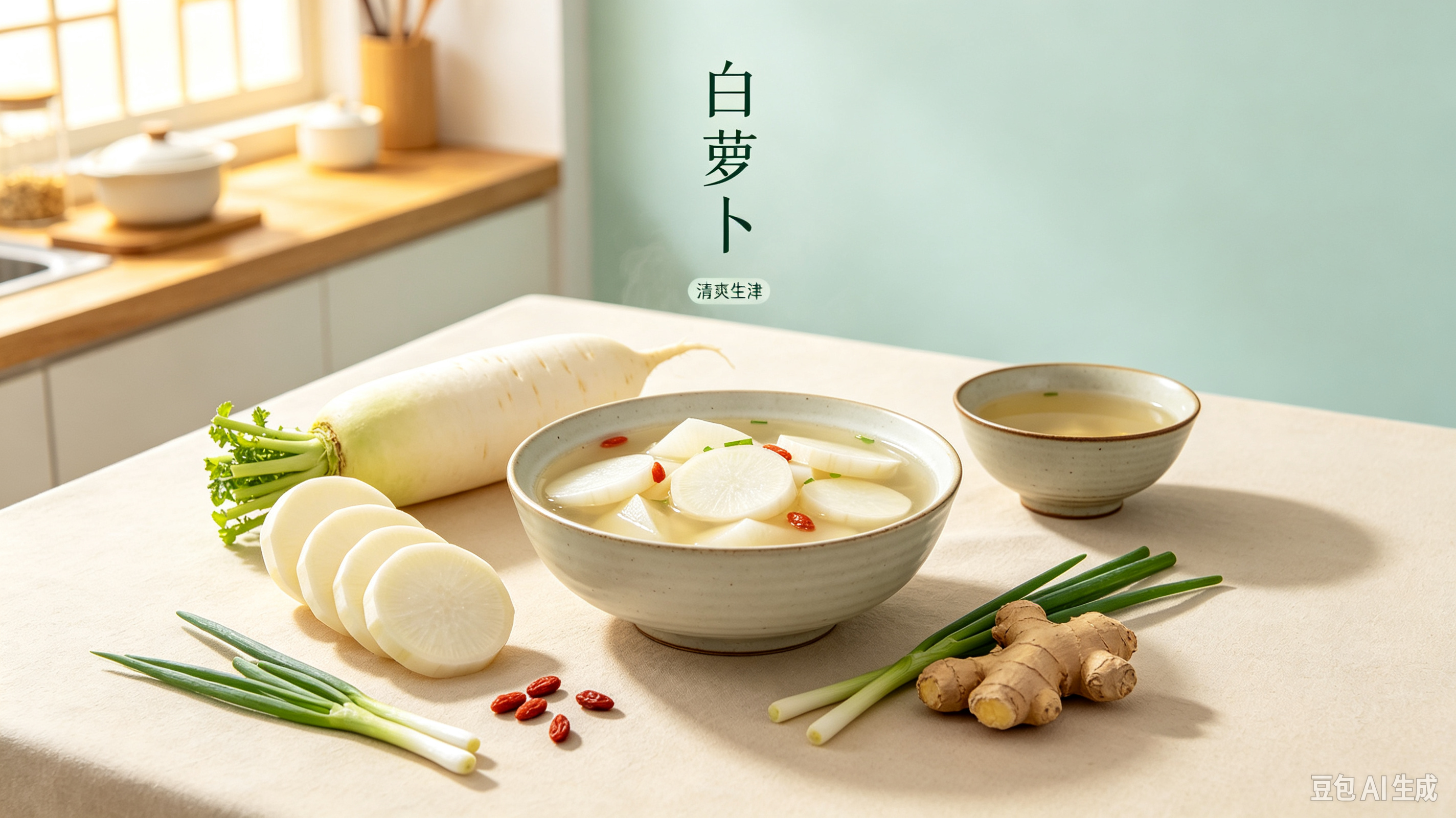
First Treasure: White Radish. "October radishes rival ginseng." Around Frost's Descent, radishes are full of moisture with little pungency. They help regulate qi, aid digestion, and resolve phlegm. With reduced activity in autumn and winter, appetite can easily become "blocked." A bowl of radish soup leaves one feeling thoroughly refreshed. Its nature is mild, so even those with weak spleen and stomach can consume it with confidence.
Second Treasure: Chinese Yam. Around Frost's Descent, Chinese yam is freshly harvested. Its nature and flavor are mild and balanced, making it an "expert" at strengthening the spleen and stomach. Steamed, it is soft and smooth; cooked in porridge, it is sweet and fragrant. It gently builds a solid digestive foundation, especially suitable for those who lose appetite with seasonal changes or are prone to diarrhea.
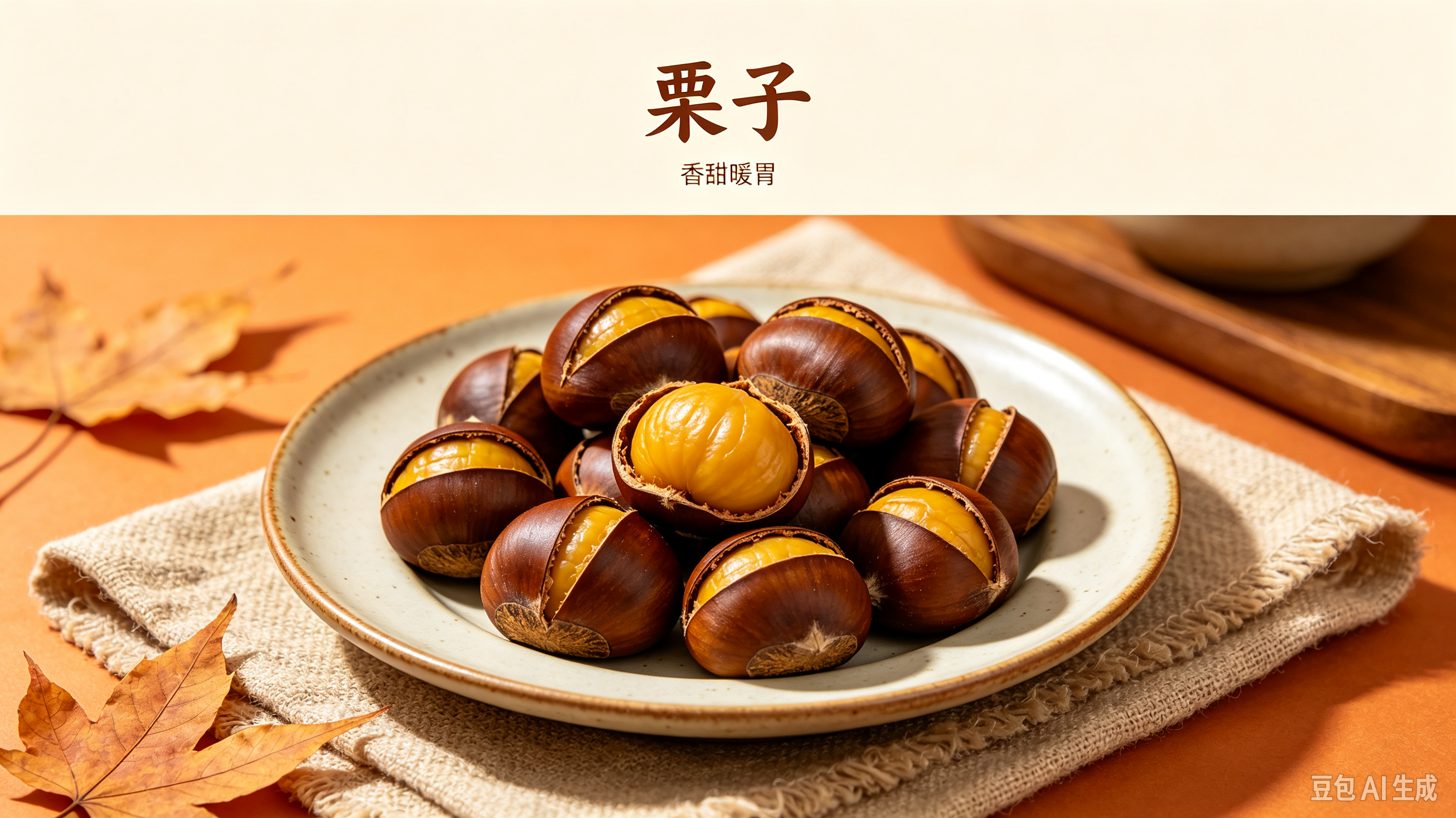
Third Treasure: Chestnuts. Chestnuts are called the "fruit of the kidney," able to tonify kidney qi and strengthen bones and muscles. For those prone to lower back and knee soreness in cold weather, eating five or six chestnuts a day is appropriate. Be careful not to overindulge — chestnuts are high in starch, and eating too many can impede digestion. Stewing them with pork ribs or chicken is an excellent way to prepare them.
In addition, white fungus, lily bulb, lotus root, pumpkin, and lotus seeds are all excellent moistening foods for Frost's Descent and can be rotated into meals.
3. The "Taste of Frost's Descent" Around Wuwei — Eating Right Nourishes Best
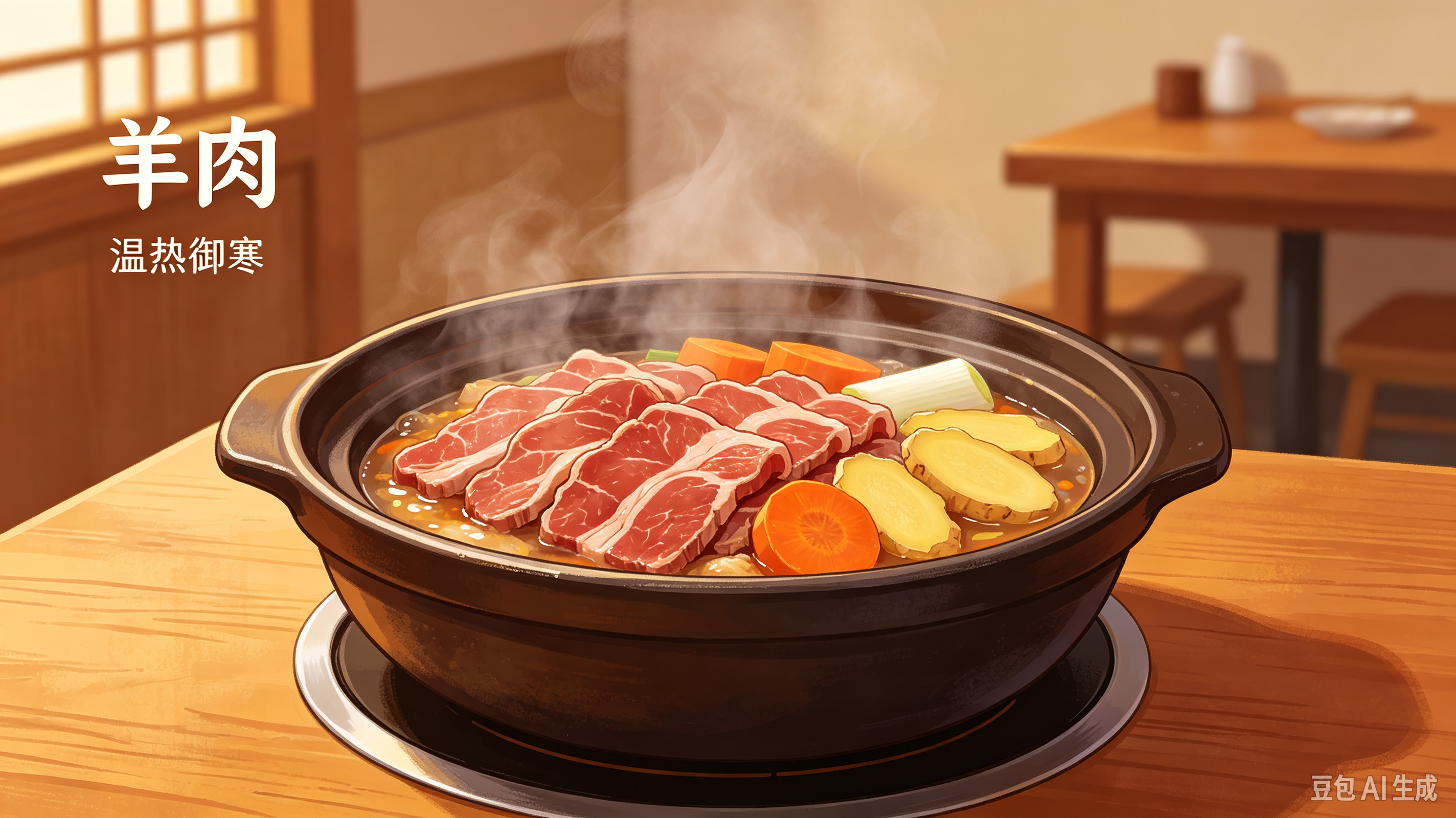
Wuwei is located in Northwest China, where late autumn cold arrives more directly. Local cuisine already includes many warm, moistening choices suited to Frost's Descent. Gulang clay‑pot lamb is slowly stewed with lamb nourished by Qilian Mountain snowmelt — warming the body and supplementing deficiency. Hand‑grabbed boiled lamb is cooked in clear water to preserve the meat's natural flavor. Lamb is warm in nature and can ward off cold and tonify yang, but eating lamb alone at Frost's Descent can easily generate dryness. Pairing it with white radish is a classic balancing approach — the "warmth" of lamb and the "moistening" of radish restrain each other, providing warming nourishment without causing internal heat.
However, a reminder is in order: Wuwei favorites such as barbecue and fried oil‑cake rolls with glutinous rice should be moderated during Frost's Descent. Barbecued foods are pungent, aromatic, and drying‑hot, easily aggravating autumn dryness; sweet, greasy oil‑cake rolls place a considerable burden on spleen‑stomach transformation. An occasional treat is fine, but they should not become the mainstay of daily diet.
4. For Those with Weak Spleen‑Stomach or After Radiotherapy/Chemotherapy — Moisten Without Cloying
For cancer patients currently undergoing treatment or in rehabilitation, as well as those with generally weak spleen‑stomach function, Frost's Descent dietary considerations require an extra layer of thought. After radiotherapy and chemotherapy, dry mouth, dry throat, and constipation are common manifestations of fluid depletion. Moistening dryness is necessary, but one should not rely solely on cloying, rich tonics such as white fungus and donkey‑hide gelatin in large amounts. If appetite is poor, with abdominal bloating and loose stools, the more sweet, greasy, cold, and cooling foods are consumed, the more "blocked" the spleen and stomach become.
' fill='%23FFFFFF'%3E%3Crect x='249' y='126' width='1' height='1'%3E%3C/rect%3E%3C/g%3E%3C/g%3E%3C/svg%3E)
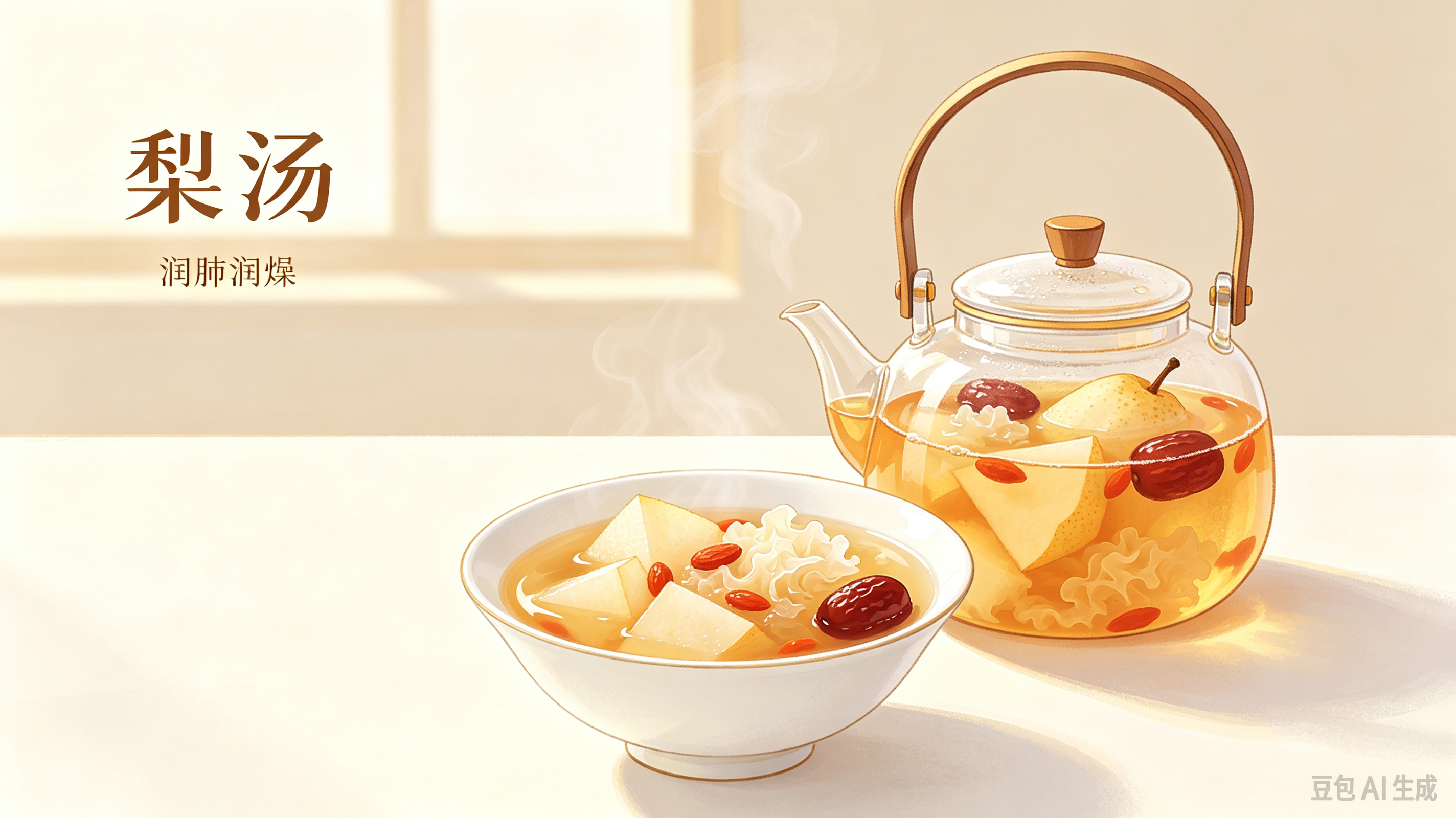
The principle is "moisten without cloying, tonify without causing stagnation." For those with obvious dry mouth but acceptable appetite, choose clear, moistening, mild, and easily digestible soups and porridges such as white fungus and lily bulb soup, lily bulb and lotus seed porridge, Chinese yam and millet porridge, and lotus root and pork rib soup — two or three times a week is sufficient; there is no need for large amounts daily. If appetite is poor with bloating and diarrhea, priority should be given to protecting the spleen and stomach, and blind yin nourishment should be avoided. For those with obvious dry cough and dry throat, steamed pears are gentler on the spleen and stomach than raw pears. For dry, hard stools, increase sesame, walnuts, oats, and vegetables, and ensure adequate warm water intake. Pungent, fried, raw, and cold foods should be especially restricted during this period. If constipation is related to painkillers or antiemetics, do not rely solely on dietary measures — inform the attending physician promptly for standardized management.
5. Eat Well, But Also Sleep Well, Stay Warm, and Keep a Good Mood
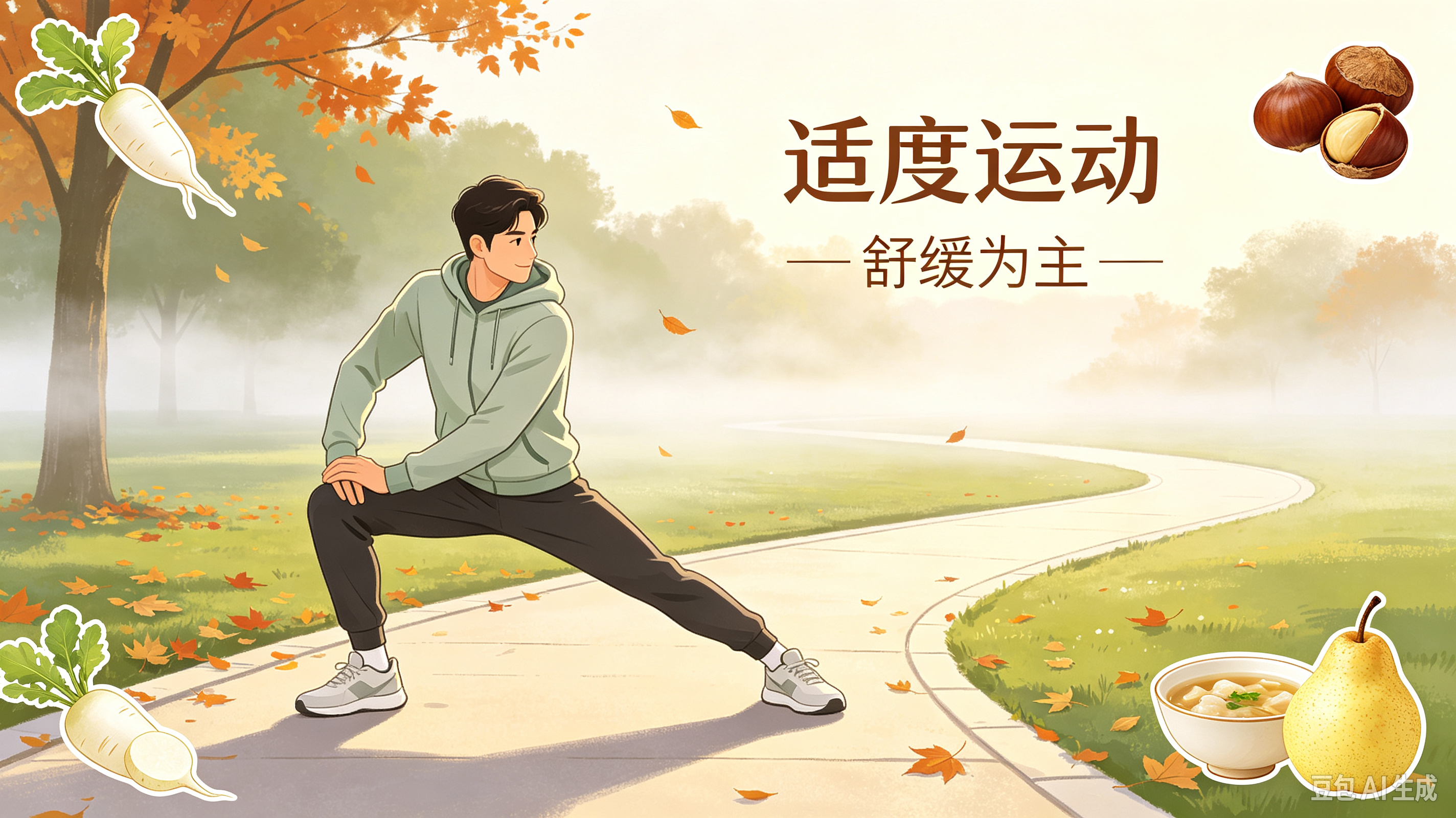
Frost's Descent health preservation is not only about the dining table. In terms of clothing, the head and neck, waist and abdomen, and feet are key areas for protection. Do not blindly follow "autumn exposure to cold." Before bed, soak the feet in warm water for 15–20 minutes, until the back feels slightly warm. Exercise should be scheduled after temperatures rise in the morning or in the afternoon. Gentle activities such as brisk walking, Tai Chi, and Baduanjin are appropriate, with the aim of feeling slightly warm without heavy sweating, avoiding the stimulation of the respiratory tract and cardiovascular system by low morning temperatures. At Frost's Descent, vegetation withers and people are prone to low mood. Sunbathing during the day and drinking a cup of rose tea are simple and effective ways to "warm the heart."
Frost's Descent is the transition point from autumn to winter. The core of health preservation is not about "eating more tonics," but about eating correctly, eating warm, and eating moistening. Stabilizing the spleen and stomach and protecting body fluids is the foundation for the entire winter. If you have specific concerns about dietary regulation, especially special nutritional issues during treatment, you are welcome to consult the Department of Clinical Nutrition or the Department of Integrated Traditional Chinese and Western Medicine at Wuwei Cancer Hospital, where professional assessment can help you "tonify at Frost's Descent" in just the right way.
Writer: Ma Shuqian
First Review: Ma Shuqian
Second Review: Guo Yishan
Third Review: Cai Qinghua
Gansu Wuwei Cancer Hospital (Wuwei Academy of Medical Sciences)
(甘)医广【2025】第11-14-387号