Finding Low Platelets During a Health Check = Being Sick?
Finding Low Platelets During a Health Check = Being Sick? The Truth May Be Different from What You Think!
Discovering low platelets during a health check — does it mean you're sick? The truth may be different from what you think!
Many people, upon finding "low platelets" during a health check, react with panic first: "Am I sick?" "Do I have a terrible blood disease?"
In fact, low platelets ≠ being sick! It may be a "temporary alarm" from the body — or it may be a signal of disease.
1. Understanding Low Platelets Scientifically
Here are the truths you need to know: Low platelets ≠ being sick. Don't panic first!
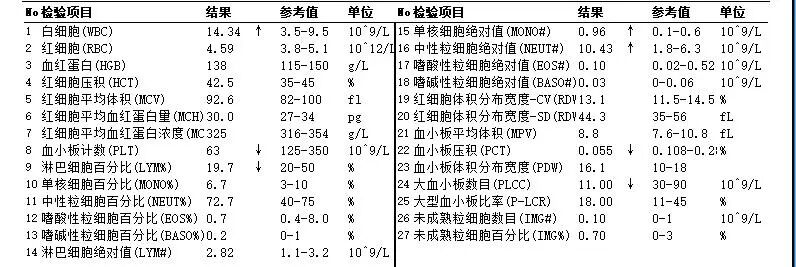
Platelets (blood platelets) are the "little hemostatic guards" in the blood, with a normal range of (100–300) × 10⁹/L. When the value falls below 100 × 10⁹/L, it is termed thrombocytopenia (low platelet count). However, a slight decrease (such as 80–100 × 10⁹/L) may not require excessive concern — it should be assessed comprehensively in conjunction with symptoms and other tests.
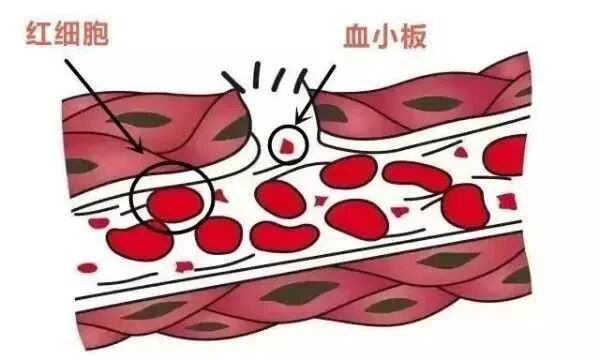
Key points: The lower the value (e.g., <50 × 10⁹/L), the faster the decline, and when accompanied by bleeding symptoms (such as gum bleeding, nosebleeds, skin bruising, red‑purple spots on the skin, blood in urine or stool, or bleeding that is difficult to stop after injury), a high level of vigilance is required.
2. Common Causes of Low Platelets
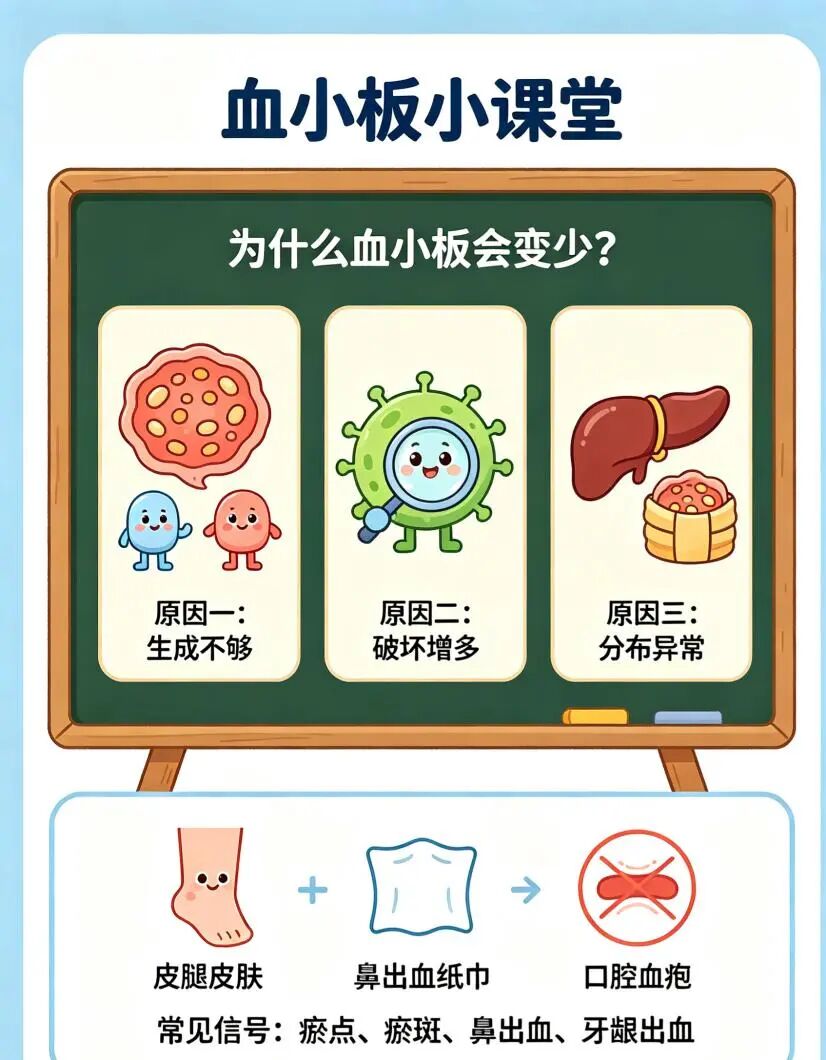
1. Physiological causes: Not necessarily disease!
① Blood dilution: Drinking large amounts of water or receiving intravenous fluids before a health check may cause a false decrease (but generally not below 90 × 10⁹/L). Special periods in women: menstruation, mid‑to‑late pregnancy may cause temporary decreases.
② Testing error: Poor blood collection, instrument error, etc. It is recommended to repeat the test after 1–2 weeks.
2. Pathological causes: Further investigation is needed.
① Infection: Bacterial, viral, fungal, parasitic, and spirochete infections (such as Helicobacter pylori, hepatitis viruses, EB virus, mumps, chickenpox, brucellosis, tick‑borne disease, etc.).
② Medication effects: Chemotherapy drugs (such as paclitaxel, etoposide, gemcitabine, etc.), certain antibiotics, hyperthyroidism medications, anticoagulants, etc., may cause drug‑induced decreases.
③ Autoimmune diseases: Conditions such as systemic lupus erythematosus, Sjögren's syndrome, systemic sclerosis, and rheumatoid arthritis that attack the body's own platelets.
④ Blood diseases: Leukemia, aplastic anemia, primary immune thrombocytopenia, myelofibrosis, and some cases of iron deficiency anemia.
⑤ Hypersplenism: An enlarged spleen excessively destroys platelets.
3. Situations Requiring Special Vigilance
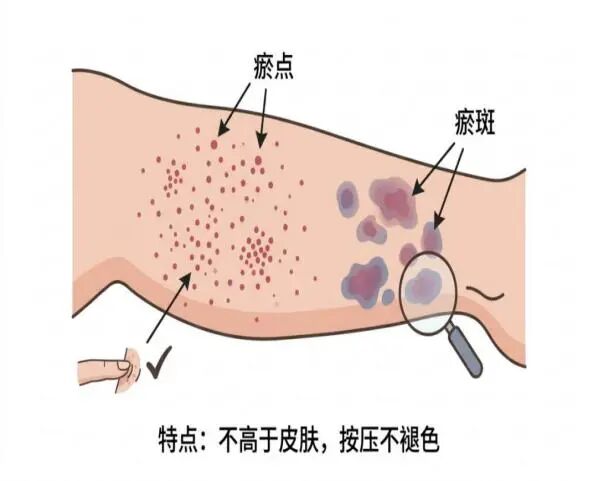

If the following manifestations occur, seek medical attention as soon as possible:
① Abnormal bleeding: Unstoppable nosebleeds, coughing up blood, heavy menstrual bleeding, gum oozing, large skin bruises, blood in urine, or black stools.
② Accompanying symptoms: Recurrent fever, bone pain, sudden weight loss, enlarged lymph nodes.
③ Rapid drop in values: Platelets falling from normal to <50 × 10⁹/L within a short period.
4. Finding Low Platelets During a Health Check — Three Steps for a Scientific Response
Step 1: Repeat the test + rule out interference
① Repeat the blood count after 1–2 weeks (avoiding the menstrual period and colds).
② Discontinue suspicious medications (under a doctor's guidance).
Step 2: Conduct further investigation to find the cause
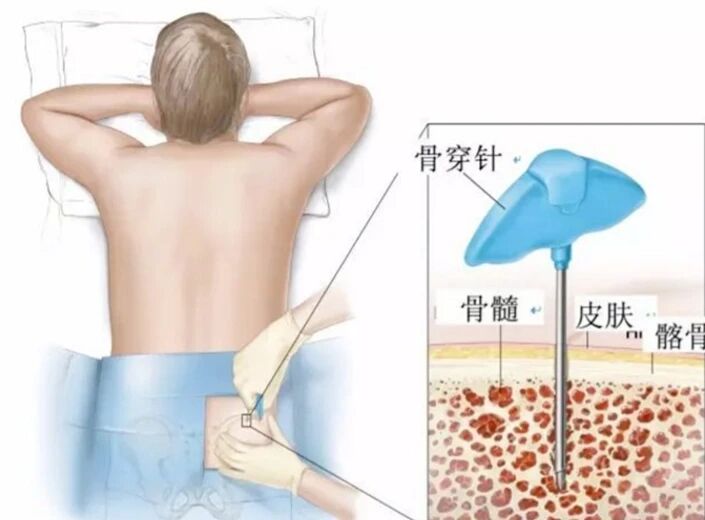
Blood smear, thyroid function, liver function, coagulation function, infection screening (viral antibodies, Helicobacter pylori testing, etc.), immune tests (antinuclear antibodies, antiplatelet antibodies, etc.), abdominal ultrasound, bone marrow aspiration, etc. (bone marrow aspiration is essential when a blood disease is highly suspected).
Step 3: Adjust lifestyle + dynamic monitoring
① Avoid hard foods, foods with bones or fishbones, and avoid overheated and high‑fiber foods. Focus on soft, easily digestible foods and increase intake of foods rich in vitamin C and folic acid (such as green leafy vegetables and citrus fruits).
② Avoid crowded public places, keep warm, prevent colds, and strengthen immunity.
③ Avoid injury, reduce strenuous exercise, and avoid bumps and knocks.
④ Regular follow‑up. For mild decreases without symptoms, follow‑up every 3–6 months is sufficient.
Important reminder: Do not be afraid of bone marrow aspiration or biopsy! These are routine diagnostic procedures when a blood or lymphatic system disorder is clinically suspected. Just as your doctor uses a stethoscope and may order an X‑ray, CT, or MRI if you have a cough, fever, or suspected pneumonia, bone marrow examination is a routine and essential step. Hematology specialists perform these procedures skillfully, safely, and without risk. After the procedure, patients can resume normal activities immediately, with no functional limitations or impact on mobility — there is absolutely no such thing as "aftereffects" as rumored.
Department of Medical Oncology / Hematology
Department Introduction
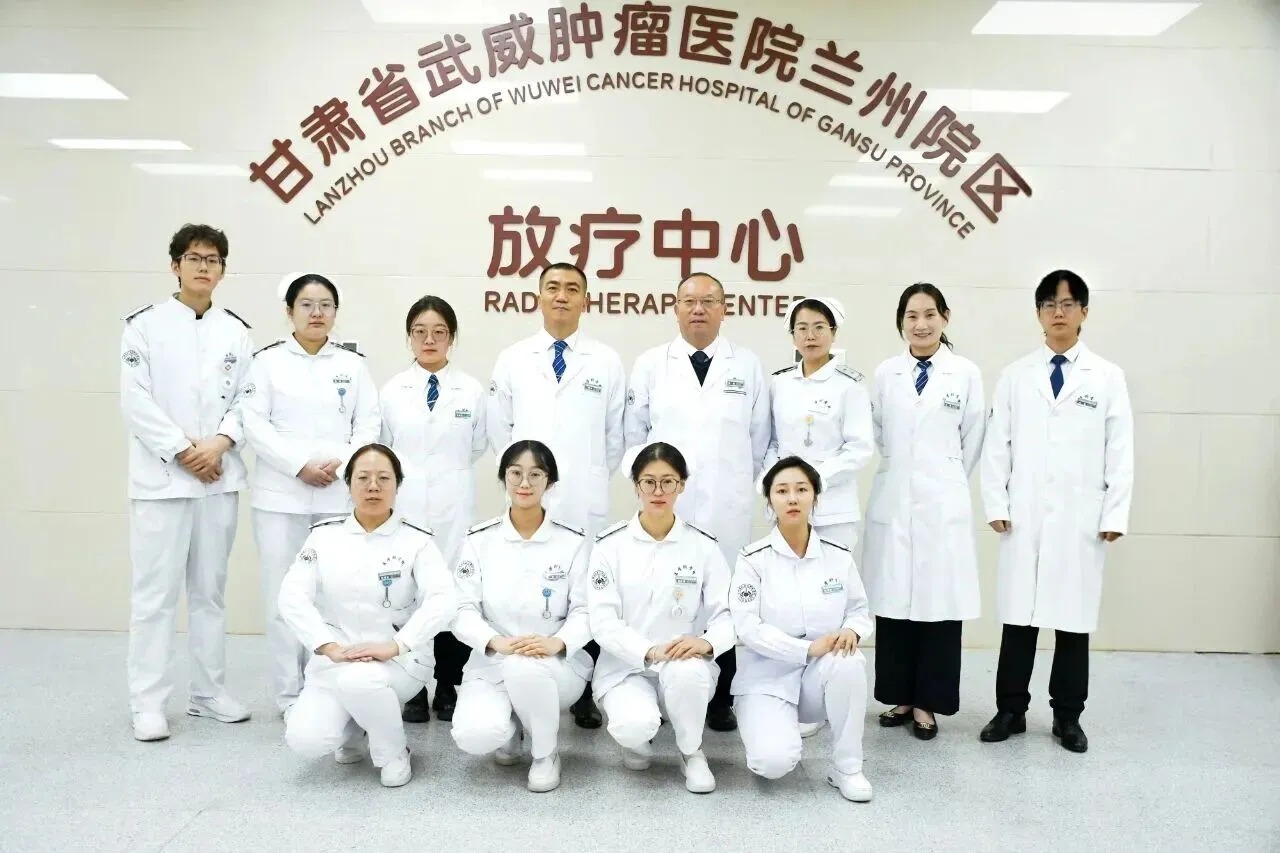
The Department of Medical Oncology / Hematology at the Lanzhou Campus of Gansu Wuwei Cancer Hospital was established in May 2025 as a regional specialty department. The department features a well-structured professional team, mature diagnostic and treatment techniques, and comprehensive equipment. It includes a specialized inpatient ward, outpatient clinic, and a Hematology Center Laboratory. The inpatient unit is equipped with 30 fixed beds, one cell apheresis treatment bed, and two Class 100 laminar flow beds. The department specializes in the precise diagnosis and treatment of hematologic diseases such as leukemia, lymphoma, and multiple myeloma, as well as solid tumors including lung cancer, gastric cancer, colorectal cancer, and breast cancer. It excels in the management of refractory and relapsed cases and the treatment of complications arising from radiotherapy and chemotherapy. Leveraging MICM-based precise diagnostics, personalized treatment plans, and laminar flow wards, the department provides refined medical care and comprehensive, full-cycle health support to safeguard the health of the regional population.
Physician Team
The department is led by Professor Pan Ming, a First‑Grade Chief Physician and Chief Expert. The medical team consists of 12 healthcare professionals, including 1 chief physician, 1 associate chief physician, 1 attending physician, and 3 resident physicians (among whom 1 holds a Ph.D. and 3 hold master’s degrees), along with 6 charge nurses and registered nurses. The team has a well-structured talent echelon with solid professional expertise. With extensive clinical experience in the field of oncology and hematology, the team skillfully applies cutting-edge techniques such as chemotherapy, targeted therapy, immunotherapy, and integrated traditional Chinese and Western medicine to precisely diagnose and treat various benign and malignant tumors and hematologic disorders. With rigorous medical skill, they customize individualized treatment plans for each patient, safeguarding their health.
Treatment Philosophy
Patient-centered, precision‑focused, and efficacy‑driven. The department places equal emphasis on professional diagnosis/treatment and humanistic care. Relying on advanced technology and standardized practices, it provides every patient with individualized, refined, and compassionate medical services, dedicating responsibility and expertise to protecting patients’ lives and health.
Medical Resources
The Hematology Center Laboratory provides same‑day diagnostic services through bone marrow cell morphology analysis and also offers MICM‑based precision typing technologies including bone marrow pathology, flow cytometry, chromosome analysis, and mutation gene testing. The inpatient unit is equipped with standardized laminar flow wards, providing a safe and clean environment for high‑dose chemotherapy and hematopoietic stem cell transplantation. The department routinely performs cutting-edge procedures such as blood cell separation apheresis, plasma exchange, and adult unrelated cord blood hematopoietic stem cell transplantation. With advanced equipment and comprehensive technical capabilities, the department provides solid hardware and technical support for precise diagnosis and treatment as well as the management of severe and complex conditions.
Address: 11th Floor, Inpatient Building, Lanzhou Campus of Gansu Wuwei Cancer Hospital (No. 100 Yanbei Road, Chengguan District, Lanzhou City)
Writer: Pan Ming
First Review: Liu Qiong
Second Review: Guo Yishan
Third Review: Cai Qinghua