Key Cardiovascular and Cerebrovascular Precautions for the Mid‑Autumn Holiday
Protecting Health During Festive Reunions: Key Cardiovascular and Cerebrovascular Precautions for the Mid‑Autumn Holiday
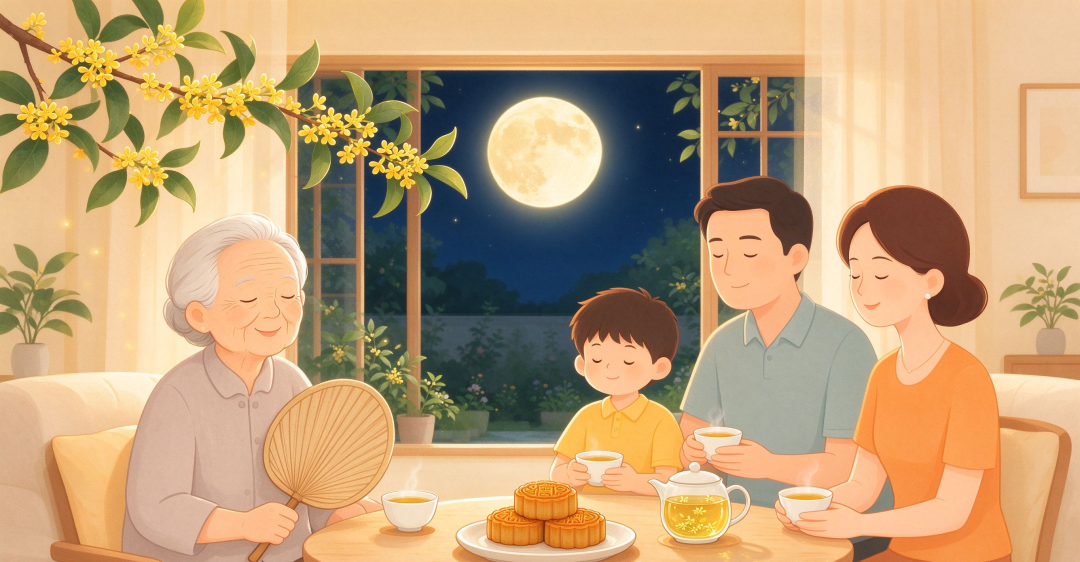
Mid‑Autumn is a warm time for family reunions, but for individuals with hypertension, diabetes, hyperlipidemia, those at high risk of stroke, and those in the recovery phase of chronic diseases, the holiday period is actually a peak time for cardiovascular and cerebrovascular events. Dietary indulgence, disrupted routines, emotional fluctuations, and temperature changes during the holiday can disrupt the previously stable vascular internal environment and trigger acute events such as cerebral infarction and myocardial infarction — pathological mechanisms that warrant vigilance.
PART 1: Dietary Considerations
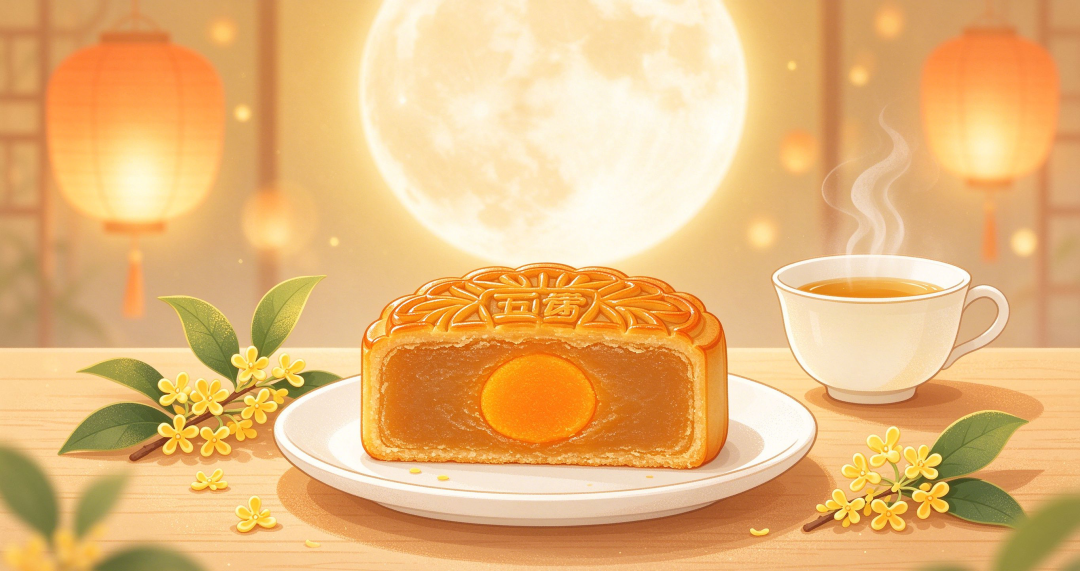
Mooncakes are high in sugar, oil, and calories. Their consumption can cause rapid blood glucose spikes, increased blood lipids and blood viscosity, and added burden on the vascular endothelium. High‑oil, high‑salt fried, braised, and grilled foods can lead to increased blood viscosity and slowed blood flow, raising the risk of thrombosis. Alcohol can cause sudden blood pressure spikes and vascular spasms, and is a major trigger of autumn and winter strokes. Recommendations: limit mooncake intake to small tastes; avoid eating them on an empty stomach or before bedtime; maintain a light and moderate diet with balanced meat and vegetables and small, frequent meals; and for those with a history of stroke, hypertension, atrial fibrillation, or diabetes, alcohol should be completely avoided.
PART 2: Routine and Activity Considerations
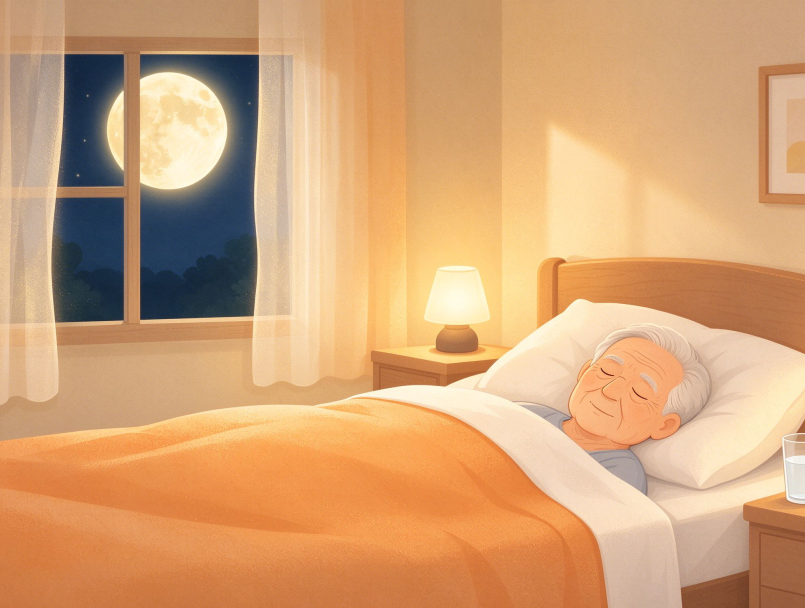
Sleep deprivation can cause sympathetic nervous system excitation and elevated blood pressure, and is the primary trigger of sudden cerebral infarction during holidays. Avoid staying up late and ensure regular, adequate sleep. Prolonged sitting slows blood flow and promotes thrombosis. It is recommended to stand up and move for 5 minutes after every hour of sitting to promote blood circulation.
PART 3: Environmental and Medication Considerations
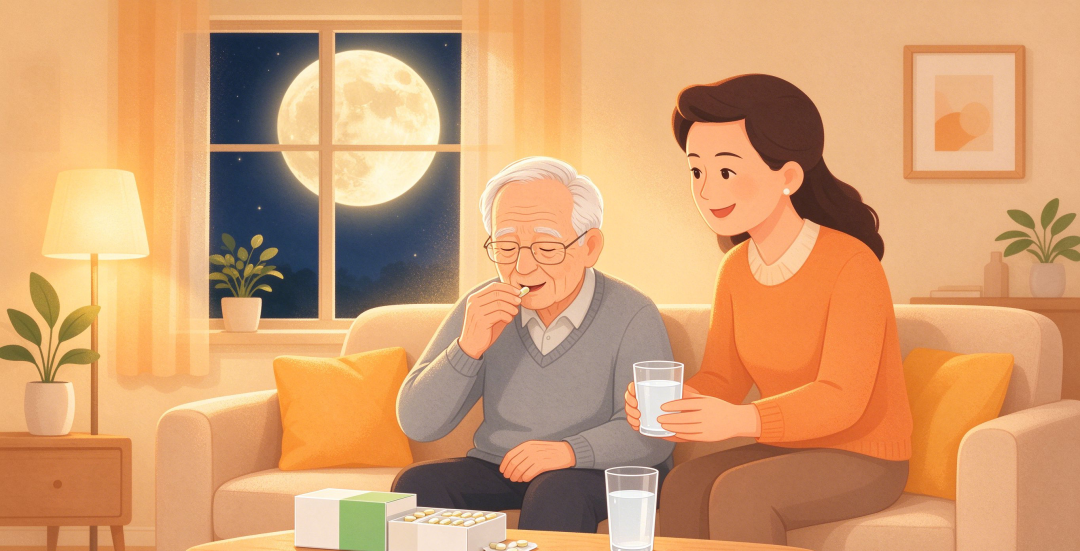
During Mid‑Autumn, the temperature difference between day and night increases. Cold exposure causes blood vessel constriction and significant blood pressure fluctuations. Pay attention to adding clothing in the morning and evening, protecting the head, neck, wrists, and ankles, and avoiding direct exposure to cold drafts. More importantly, be vigilant against unauthorized discontinuation or missed doses of medication — for hypertensive patients, stopping medication can cause rebound blood pressure elevation and increase the risk of cerebral hemorrhage; for diabetic patients, intermittent medication can cause blood glucose fluctuations and worsen vascular damage; and for those in the stroke recovery phase, antiplatelet and lipid‑lowering medications must not be interrupted for even a single day.

PART 4: Emotional Management
Excitement, fatigue, and excessive stimulation can cause blood pressure fluctuations and heart rate instability. Extreme emotional ups and downs are most harmful to blood vessels. Maintaining a calm mindset and enjoying a peaceful reunion is the most effective way to nourish the heart and protect the brain.
PART 5: Emergency Warning Signs
If any of the following symptoms occur — "crooked mouth corner, numb arm, slurred speech, dizziness, or deviated walking" — seek medical attention immediately without delay. The earlier a stroke is treated, the fewer the sequelae. Golden treatment time is a matter of seconds and minutes. Festive reunions require good health above all: control your diet, stabilize your routine, take medications on time, and calm your emotions to enjoy a peaceful holiday.
Writer: Zhang Jie
First Review: Zhang Jie
Second Review: Guo Yishan
Third Review: Cai Qinghua