Cold Dew Arrives, Cool‑Dryness Rises: Key Points for Late Autumn Health Preservation
Cold Dew Arrives, Cool‑Dryness Rises: Key Points for Late Autumn Health Preservation
Cold Dew is the first solar term of autumn to carry the character "cold" (寒). According to the Collected Explanations of the Seventy‑Two Seasonal Phenomena of the Monthly Ordinances: "In the ninth month, the dew qi is cold and about to condense." Cold Dew marks the transition from cool to cold weather, with cool‑dryness gradually intensifying.
For Wuwei, after Cold Dew the day‑night temperature difference widens further, the air becomes drier, and cold air activity becomes frequent. For cancer patients currently undergoing treatment or in the recovery phase, the body is relatively weak during this season, and immune function is more susceptible to seasonal changes. It is therefore especially important to follow the solar term and focus on moistening and consolidating — with an emphasis on "supporting healthy qi and defending against external pathogens" — to smoothly navigate the cool‑dry period.
01. Cold Dew Health Preservation
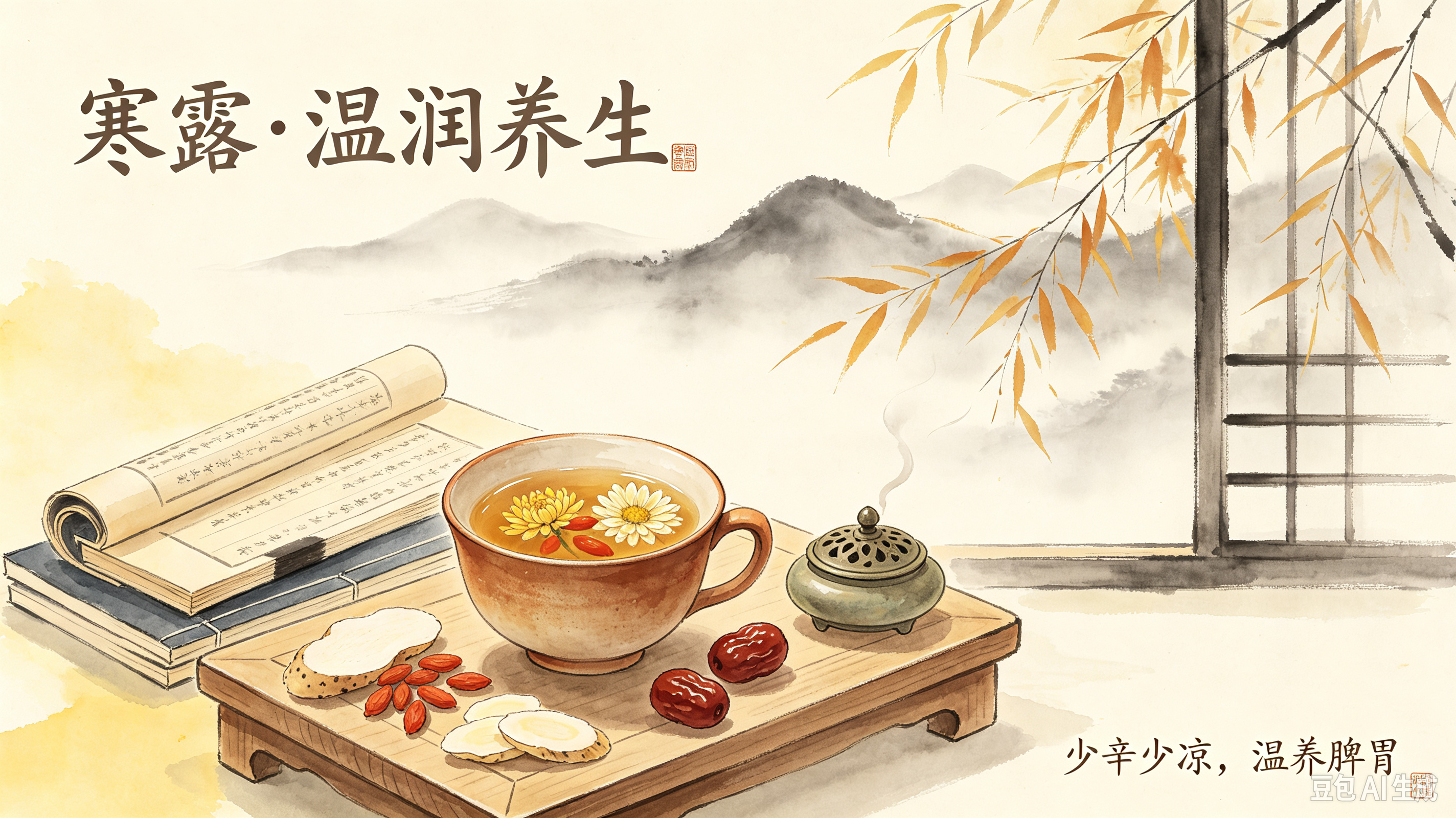
After surgery, radiotherapy, chemotherapy, targeted therapy, or immunotherapy, cancer patients generally present with deficient healthy qi, insufficient qi and yin, and a weak spleen and stomach. Autumn dryness prevails and can aggravate symptoms such as radiation‑induced pharyngitis and oral mucositis after radiotherapy, manifesting as persistent dry mouth, dry throat, dry cough without phlegm, and dry, cracked, itchy skin.
At the same time, cancer patients have lowered immune function, and some have low white blood cell counts. The large temperature differences between morning and evening in autumn make them highly susceptible to colds, respiratory infections, and fever — also an important seasonal factor leading to the suspension of radiotherapy and chemotherapy courses. The core of Cold Dew health preservation is to consolidate yang and moisten dryness, prevent cold and secure the exterior, and strengthen healthy qi and consolidate the root — storing energy for the coming winter and treatment.
02. Sleep Early to Consolidate Yang, Protect Three Key Areas
1. Adjust routine to align with autumn's gathering
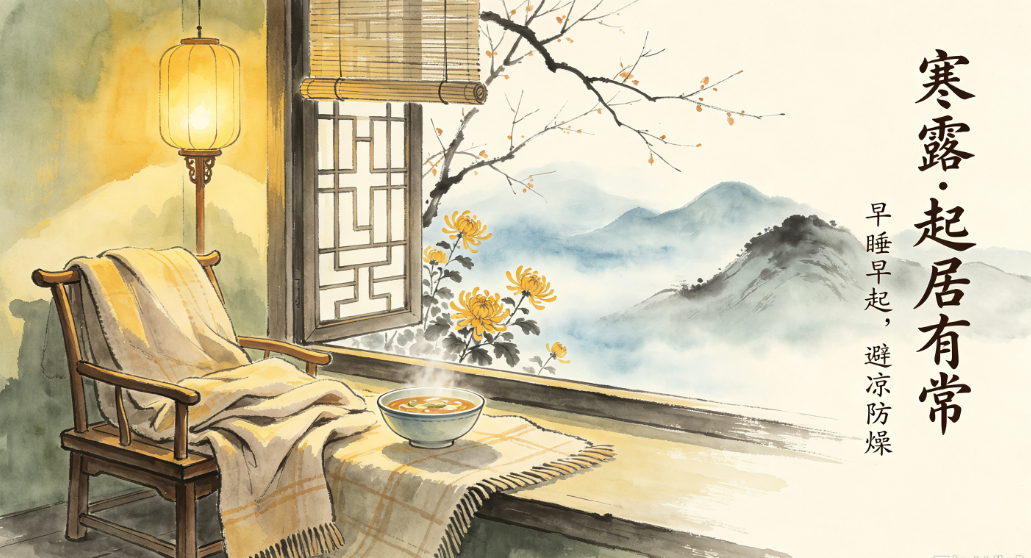
After Cold Dew, yang qi gradually withdraws, and daily routines should be adjusted accordingly. It is recommended to fall asleep before 10:00 PM and ensure 7 hours of sleep. Early sleep helps consolidate yang qi and nourish qi and blood — particularly crucial for physical recovery during treatment.
2. Focus on protecting three key areas
Cancer patients generally have weaker qi and blood circulation and poorer peripheral circulation, making them more sensitive to cold than others. Particular attention should be paid to the following three areas:
Protect the feet: The feet are farthest from the heart and are the first gateway for cold invasion. Stop wearing sandals and wear socks that cover the ankles. Before bed, soak the feet in warm water at about 40°C for 15–20 minutes, until slightly warm. Special reminder: patients with diabetes or peripheral neuropathy have reduced temperature sensitivity — family members must test the water temperature first to avoid burns.
Protect the abdomen and back: Cold in the abdomen can easily cause diarrhea and spleen‑stomach discomfort; keep a thin blanket over the abdomen at night. The back is where yang qi gathers — keep a vest or shawl on hand in the morning and evening, and sun the back on sunny days to supplement yang qi.
Protect the shoulders and neck: The back of the neck is where wind‑cold most easily enters — wear a thin scarf when going out. For patients with sensitive neck skin after radiotherapy, choose soft, pure cotton scarves to avoid friction and irritation.
03. Warm and Moistening Foods, Adjust According to Pattern
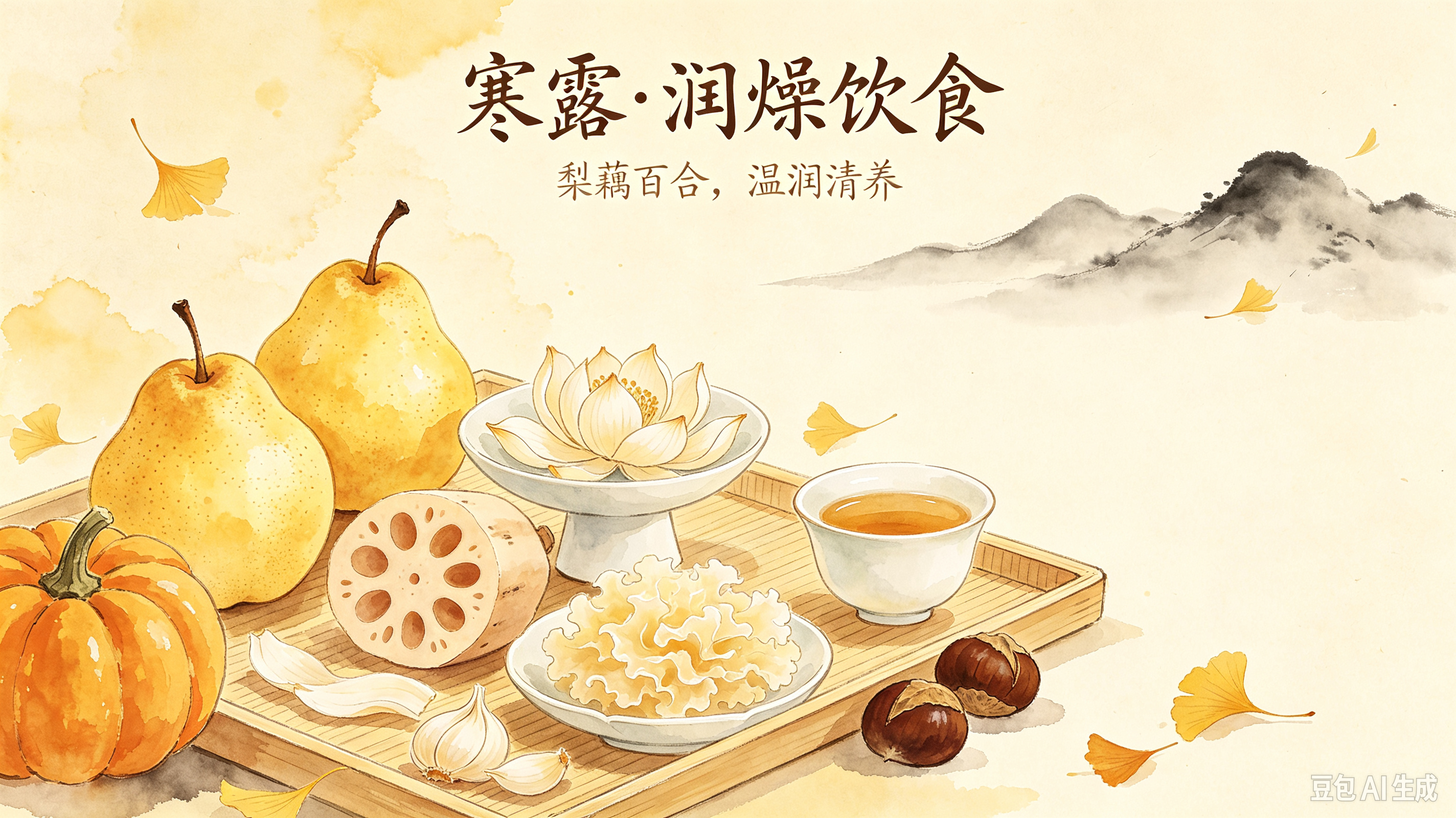
The "dryness" of Cold Dew has shifted from the warm dryness of early autumn to cool dryness. Combined with the fluid depletion caused by radiotherapy and chemotherapy, the diet should be moistening without being cold, and nourishing without being greasy. Cancer patients should not blindly "put on autumn fat" — foods with strong heating properties such as lamb, deer antler, and Shiquan Dabu Tang can easily cause internal heat, constipation, and increased metabolic burden.
Dietary focus by treatment stage:
- During radiotherapy or endocrine therapy: Choose moistening foods such as sesame, white fungus, snow pear, and lotus root; avoid pungent and drying foods.
- For those with weak spleen and stomach after chemotherapy: Focus on spleen‑strengthening, easily digestible foods such as Chinese yam, millet, and pumpkin to reduce gastrointestinal burden.
- For those with postoperative weakness: Use warm, moistening, and gentle tonification — consume moderate amounts of high‑quality protein and red dates. Avoid excessive or sudden tonification, and avoid raw, cold, and cooling foods.
- Reduce intake of: Pungent and irritating foods such as chili, scallions, ginger, and garlic, which aggravate dryness; iced fruits and cold drinks, which damage spleen yang; and fried, greasy foods, which are difficult to digest and promote dampness and phlegm.
04. Stop at Light Sweating, Act Within Your Limits
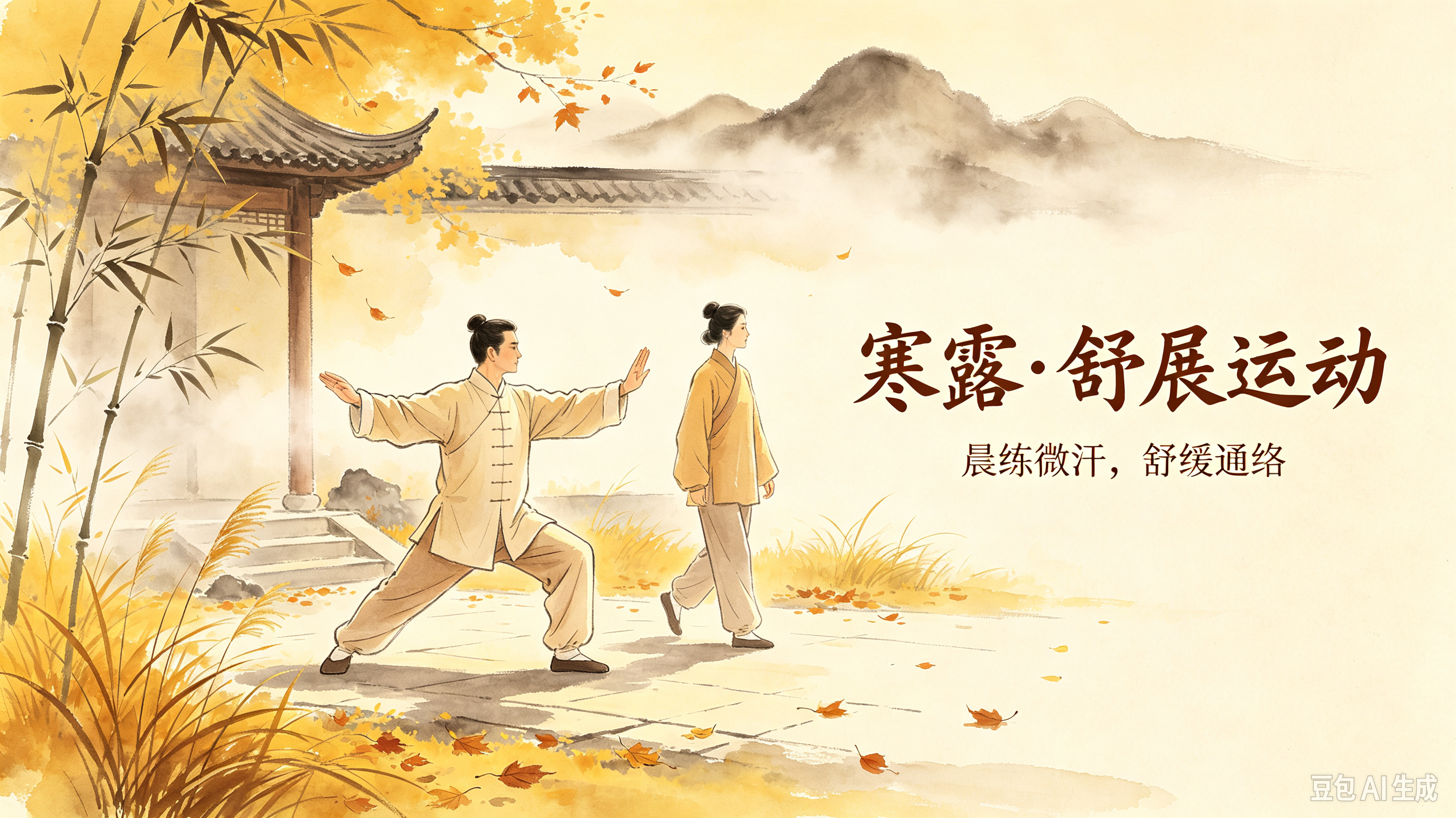
Autumn governs gathering, and the core of exercise is "gathering." Heavy sweating depletes yang qi and body fluids, giving cold an opportunity to invade. Walking, Baduanjin, and Tai Chi are suitable exercises for cancer patients — aiming for slight warmth and light perspiration. Choose times after 9:00 AM or in the afternoon when sunlight is abundant, avoiding the cold morning and evening hours.
Exercise recommendations by stage:
Patients currently undergoing systemic treatment: Choose light daily physical activities such as walking or doing light housework within your capacity, with the principle of not feeling fatigued.
Patients who have completed treatment and are in the recovery phase: Gradually extend exercise duration and increase frequency, provided symptoms or adverse reactions are not aggravated.
⚠️ During chemotherapy with low blood counts: Prioritize rest and suspend outdoor exercise.
Summary of Cold Dew Health Preservation Points
Sleep early to consolidate yang — aim to be asleep before 10:00 PM.
Protect the feet, abdomen, back, shoulders, and neck — keep warm and prevent cold.
Eat warm and moistening foods — adjust according to treatment stage; avoid blind heavy tonification.
Exercise gently — stop at light sweating; prioritize rest when blood counts are low.
Get more sun exposure — find outlets for emotions and avoid "autumn sadness."
Attend follow‑up appointments on time — if persistent dry mouth, worsening cough, or cold hands and feet that cannot be warmed occur, seek medical attention promptly and do not tough it out.
After Cold Dew, autumn deepens further. May every patient friend follow the solar term, cultivate health scientifically, stabilize their physical condition, and pass through late autumn with peace of mind.
Friendly reminder: This article is for health education purposes and cannot replace professional diagnosis and treatment. Health preservation plans for cancer patients should be tailored to individual conditions and treatment stages, under the guidance of the attending physician. If you have health concerns, please seek timely medical attention at a licensed medical institution.
Writer: Ma Shuqian
First Review: Ma Shuqian
Second Review: Guo Yishan
Third Review: Cai Qinghua
Gansu Wuwei Cancer Hospital (Wuwei Academy of Medical Sciences)
(甘)医广【2025】第11-14-387号