
The "Venous Roots" of Lower Limb Edema: Beware of Three Venous Diseases of the Lower Limbs
The "Venous Roots" of Lower Limb Edema: Beware of Three Venous Diseases of the Lower Limbs
In daily life, many people experience the discomfort of lower limb edema—such as swollen calves after prolonged sitting, shallow indentations left by pressing the ankles, or legs feeling as heavy as lead in the afternoon. This condition may sometimes be a "warning sign" from the veins in your lower limbs. In particular, three venous issues—varicose veins of the lower limbs, post-thrombotic syndrome (deep vein thrombosis), and iliac vein compression syndrome—are often the hidden culprits behind such swelling.
Ⅰ. Varicose Veins of the Lower Limbs: Visible "Blue Veins" Hiding Unmistakable Swelling
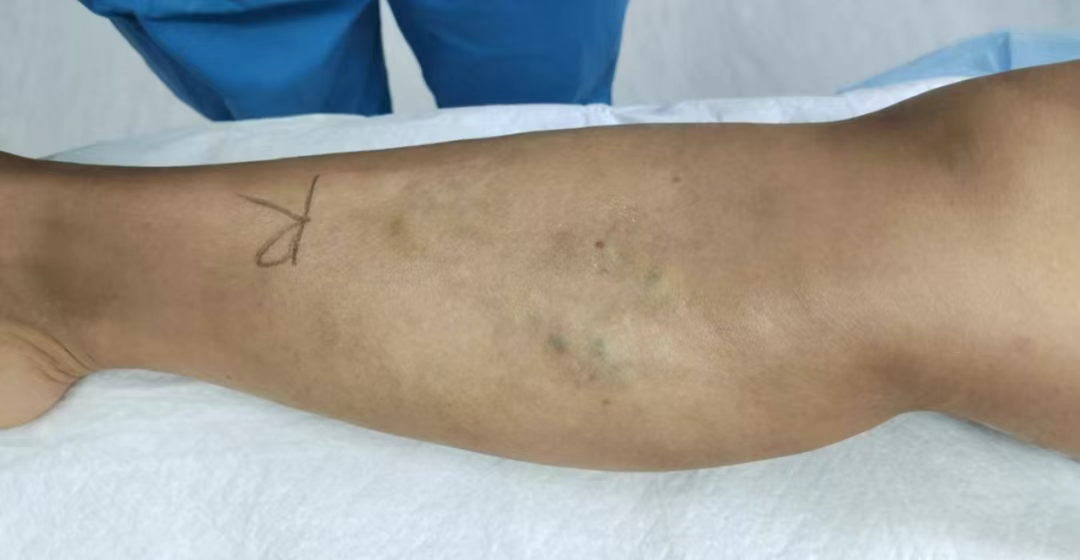
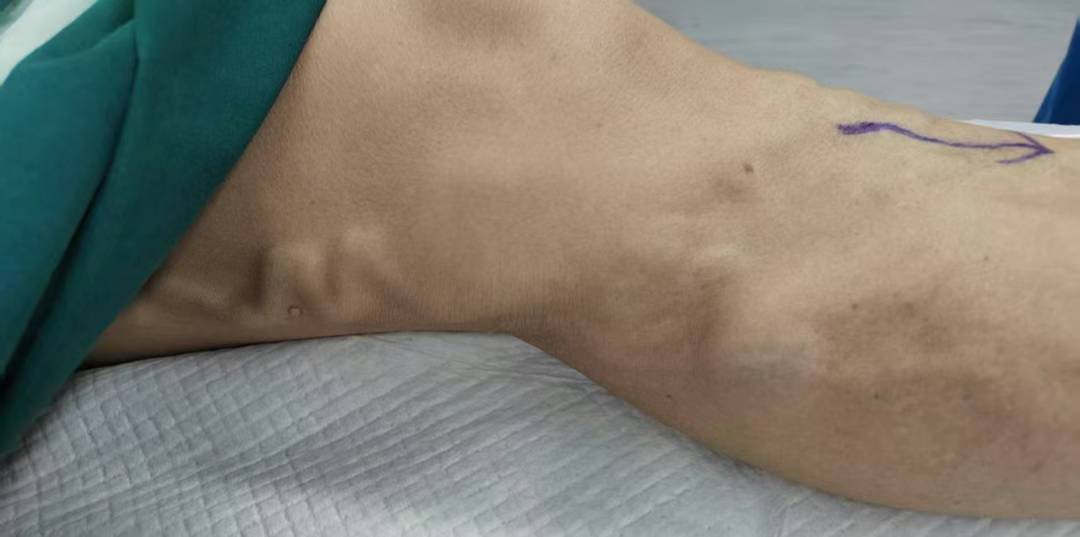
Many people develop twisted, worm-like blue veins on their legs—this is varicose veins of the lower limbs.
Our leg veins contain many one-way valves, known as venous valves, which prevent blood from flowing backward. When these valves are damaged due to congenital defects, prolonged standing, or aging, they fail to close properly, causing blood to pool in the veins. Over time, this blood accumulation increases venous pressure, forcing fluid to leak into surrounding tissues and leading to edema (swelling).
This type of swelling has a distinct pattern: it worsens after daytime activity, making the legs more noticeably swollen, but gradually subsides when lying down with legs elevated at night.
Beyond swelling, patients may also experience leg heaviness, fatigue, and aching. In severe cases, the bulging veins may form visible knots or lumps, accompanied by itchy skin and hyperpigmentation (darkening of the skin).
Teachers, chefs, salesclerks, and other individuals who stand for long periods, as well as pregnant women (due to uterine compression of veins), are all at high risk for varicose veins. The key to prevention lies in reducing the burden on the veins: get up and move around for 5 minutes every hour, and stand on your tiptoes to promote blood return; wear medical compression stockings to "lend a hand" to the veins; and elevate your legs while resting to allow blood to flow smoothly back to the heart.
II. Post-thrombotic Syndrome (PTS): Stubborn Swelling as a "Sequelae" of Deep Vein Thrombosis
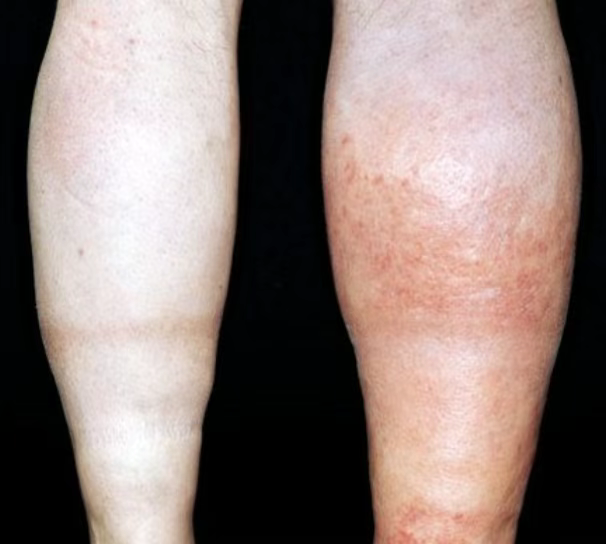
The deep veins in the lower limbs lie hidden within the muscles, much like the main arteries of a highway. Once these "roads" get blocked, deep vein thrombosis (DVT) can occur. Even if the clot is dissolved or organized, the damage to the venous valves weakens the blood's ability to return to the heart—this is what we call post-thrombotic syndrome (PTS).
This swelling tends to be more stubborn: it may seem fine in the morning after waking up, but as you walk or stand during the day, your legs will swell. It may also be accompanied by calf pain, dark or purple discoloration of the skin, and even eczema or ulcers (commonly known as "chronic leg ulcers"). Patients who are bedridden for long periods, those who have just undergone surgery, and travelers on long flights who sit for extended periods without moving are all at high risk for deep vein thrombosis. The resulting edema may persist with them for years.
Preventing this swelling starts with preventing the clot: Get out of bed and move as soon as possible after surgery, and do frequent ankle pumps during long trips. If a clot is diagnosed, follow your doctor’s advice and take prescribed anticoagulants.
Managing post-thrombotic swelling requires consistency: Wear compression stockings, do leg rehabilitation exercises (such as pedaling a stationary bike), and in severe cases, medication or surgery may be needed to improve venous return.
III. Iliac Vein Compression Syndrome: One of the Culprits Behind Unilateral Leg Swelling
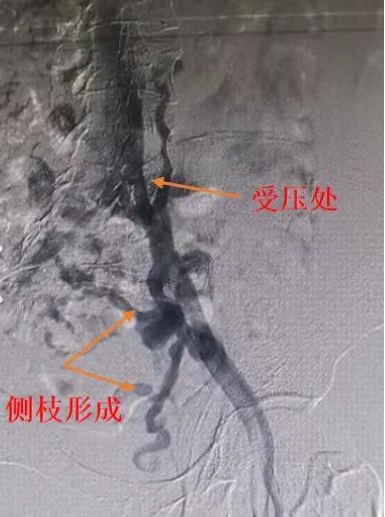
The iliac vein serves as a "critical junction" for returning blood from the lower limbs to the heart. The left iliac vein is particularly vulnerable to compression by the adjacent right iliac artery, leading to impaired blood return—this is iliac vein compression syndrome (IVCS).
Since the left iliac vein is more prone to compression, the resulting swelling often occurs unilaterally, with the left leg being more noticeably affected. Patients typically experience aching heaviness in the left leg, which worsens after prolonged walking but improves with rest. In severe cases, significant compression may trigger deep vein thrombosis (DVT), causing sudden, intense pain and swelling.
To diagnose suspected IVCS, doctors may use ultrasound, CT angiography, or other imaging tests. For mild cases, symptoms can be alleviated by avoiding prolonged sitting, taking a 30-minute daily walk, and maintaining a healthy weight. In severe cases, interventional procedures such as stent placement may be required to open the compressed vein and restore proper blood flow.
IV. Preventing Swelling Starts with Protecting Your Veins
For swelling caused by any venous issue, prevention is always better than treatment:
•Avoid prolonged sitting or standing: Get up and move every 30–60 minutes. If you must sit for long periods, do ankle pumps or leg lifts.
•Reduce venous pressure: If you're overweight, manage your weight, and avoid tight pants or socks that restrict circulation.
•Master emergency relief: When swelling occurs, lie down and elevate your legs above heart level for 15–20 minutes at a time.
•Seek medical help promptly: Sudden one-sided leg swelling, increased skin temperature, or severe pain could signal a thrombotic emergency—go to the hospital immediately.
Leg swelling is not a minor issue—it may be your veins’ way of sending an SOS. From visible varicose veins to hidden deep clots or compressions, understanding these "venous warning signs" helps protect your legs early, so every step feels light and easy.

