Misconceptions About Head and Neck Radiation Therapy
Misconceptions About Head and Neck Radiation Therapy
Radiotherapy is one of the important treatment methods for head and neck tumors, but many people have misconceptions about it. Today, let's clarify everything at once!
Misconception 1: Will radiotherapy "wreck" your body?
In fact, modern radiotherapy techniques are becoming increasingly precise, capable of accurately targeting tumor lesions while minimizing damage to surrounding healthy tissues. Doctors develop personalized treatment plans based on each patient's condition, striving to control the tumor while keeping side effects to a minimum.

Misconception 2: Are the side effects of radiotherapy so frightening that it's better not to treat?
Radiotherapy may indeed cause side effects such as dry mouth, oral ulcers, and swallowing discomfort, but these are mostly temporary and manageable. For example, adjusting your diet and maintaining proper oral care can effectively alleviate these discomforts. In fact, giving up treatment and allowing the tumor to progress unchecked is far more dangerous than these side effects.

Misconception 3: Should you "overindulge" in greasy foods during radiotherapy?
During radiotherapy, your gastrointestinal function may be affected. Overindulging in greasy foods—thinking it will help—can actually strain your digestive system. Instead, opt for light, easily digestible, high-protein foods like egg custard or fish porridge. These choices maintain balanced nutrition while reducing physical stress on your body.

Misconception 4: Is everything fine after radiotherapy, with no need for follow-up?
The completion of radiotherapy doesn't mean treatment is fully over - there remains a risk of tumor recurrence or metastasis. Regular follow-up examinations are essential to promptly detect and address any emerging issues. These check-ups play a vital role in consolidating treatment efficacy and protecting your health, and they should never be neglected.

Understanding head and neck radiotherapy correctly and avoiding these misconceptions will help you better cooperate with treatment and improve your chances of recovery.
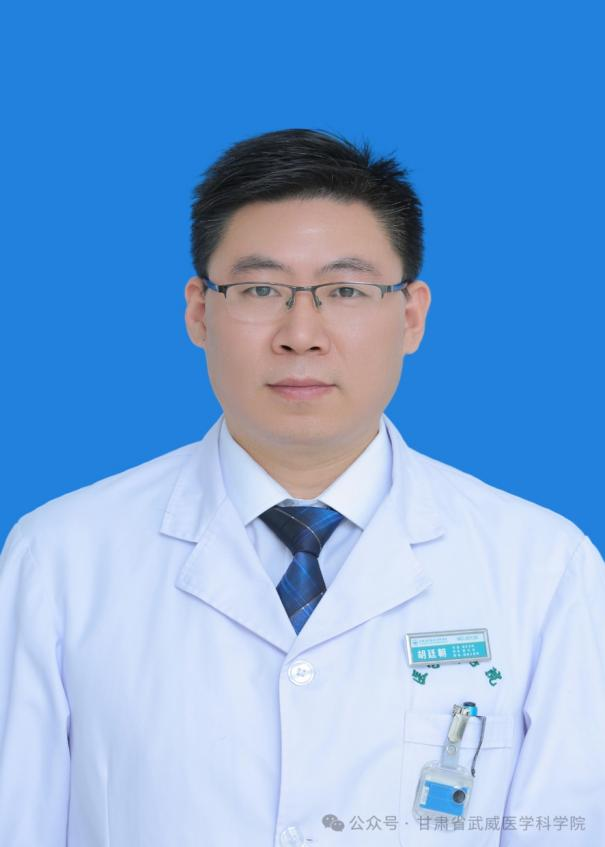
Hu Tingchao, Associate Chief Physician in Radiation Oncology
● Director of Department of Radiation Oncology V (Head and Neck Tumor Radiotherapy), Gansu Wuwei Cancer Hospita
● Member of Chinese Anti-Cancer Association
● Committee Member of Gansu Provincial Radiation Therapy Committee
● Council Member of the 3rd Board of Directors, Western Radiation Oncology Association
● Committee Member of Particle Therapy Branch, China Medical Equipment Association
Education: Graduated from the Clinical Medicine Department of Lanzhou University in 2005, with 18 years of experience in tumor radiotherapy. Completed advanced training in tumor radiotherapy at Sichuan Cancer Hospital, Fukuoka Tokushukai Hospital (Japan), Shanghai Proton and Heavy Ion Center, and Sun Yat-sen University Cancer Center.
Clinical Expertise: Specializes in comprehensive treatment (chemoradiotherapy, targeted therapy, etc.) for common malignant tumors including head and neck cancers, glioblastoma, lymphoma, and chordoma. Expert in precision radiotherapy techniques: 3D-CRT, IMRT, VMAT, SBRT, IGRT, and carbon ion radiotherapy (CIRT). Extensive experience in treatment planning, organ-at-risk sparing, and management of radiation toxicities.
Research & Publications: Authored over 10 professional papers, Chief editor of 1 monograph, Holder of 1 utility model patent, Led 2 municipal-level research projects in Wuwei, Contributed to standard operating procedures for carbon ion radiotherapy, Recipient of multiple "Outstanding Staff" awards. Department Profile: The Department of Radiation Oncology V (Head and Neck Tumor Radiotherapy) integrates clinical care, research, and education. Primary treatment areas: Meningioma, pituitary adenoma, acoustic neuroma, glioblastoma, intracranial tumors, Nasopharyngeal carcinoma, oral cancer, ocular tumors, laryngeal cancer, Hard palate cancer, hypopharyngeal cancer, chordoma, Lymphoma at various body sites.
Carbon Ion Therapy Advantageous Indications: Malignant melanoma of head and neck, Sarcoma of head and neck, Adenoid cystic carcinoma, Recurrent head and neck cancers, Skull base chordoma, Chondrosarcoma, Glioblastoma.