Radiation Therapy Diet Guide: Alleviating Side Effects and Recharging Your Body
Radiation Therapy Diet Guide: Alleviating Side Effects and Recharging Your Body
Ⅰ. Possible Reactions After Radiation Therapy
Radiation therapy is a key treatment for tumors, using precise radiation beams to destroy cancer cells. However, it may also affect the body in certain ways, primarily falling into two categories:
1. Local Reactions (Symptoms at the Irradiated Area)
Skin and Mucosal Damage: The skin in the treated area may become red, dry, or flaky. In severe cases, blisters or ulcers may develop. After healing, pigmentation (darkening of the skin) may remain.

Organ-Specific Effects:
- Digestive Tract (e.g., abdominal radiotherapy): Nausea, vomiting, diarrhea, or difficulty swallowing.
- Chest (e.g., lung cancer radiotherapy): Cough, chest tightness, or shortness of breath (may indicate radiation pneumonitis).
- Head & Neck (e.g., nasopharyngeal cancer radiotherapy): Dry mouth, oral infections.
- Pelvis (e.g., colorectal cancer radiotherapy): Diarrhea, frequent urination, or painful urination.
Systemic Reactions (Whole-Body Effects)
During radiotherapy, the body may experience a range of systemic symptoms due to radiation exposure and tumor cell death:
1.Fatigue: Most patients feel persistent tiredness that does not improve with rest, related to increased energy expenditure.
2.Weakened Immunity: Reduced white blood cells (leukopenia) and platelets (thrombocytopenia) may lead to higher infection or bleeding risks, along with pale complexion.
3.Emotional Impact: Anxiety and depression may affect appetite and quality of life.
Clinical Management:
Doctors tailor individualized treatment plans based on the patient’s condition and use supportive therapies (e.g., skin care, nutritional support, white blood cell boosters) to minimize side effects. Most patients gradually recover after treatment ends. Therefore, patients should closely cooperate with medical staff, report discomfort promptly, and optimize both treatment outcomes and quality of life.
Ⅱ.How Should Cancer Patients Supplement Nutrition in the Later Stages?
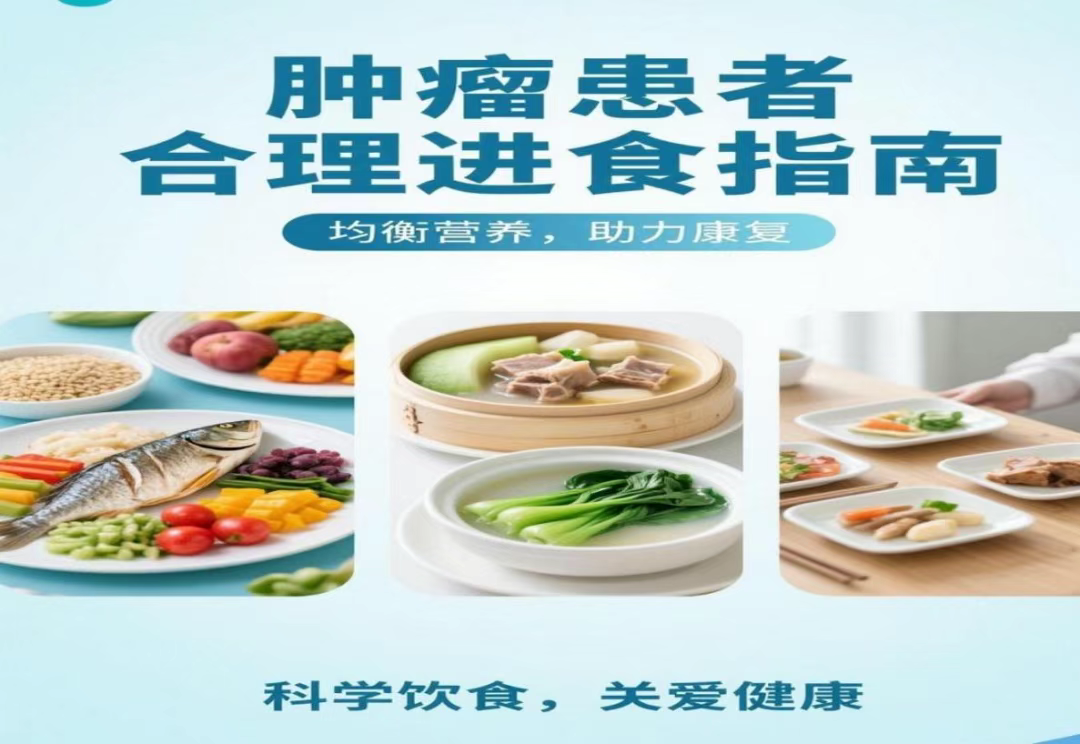
In the advanced stages of cancer, patients are prone to malnutrition due to disease progression and treatment side effects (such as reduced appetite and impaired digestion/absorption). Proper nutritional support is crucial for maintaining strength, improving quality of life, and enhancing treatment tolerance. For dietary management in cancer patients, scientific and balanced nutrition is essential. In daily meals, patients should follow the principle of "rational eating with evidence-based dietary restrictions."

1. Principles of Nutritional Supplementation
(1) Focus on High-Calorie, High-Protein Foods: Prioritize easily digestible, high-protein foods such as eggs, milk, lean meat (lean pork, beef, or mutton), fish (e.g., crucian carp, perch), soy products (tofu, soy milk), and protein powder (used under the guidance of a doctor or dietitian) to support tissue repair and boost immunity.

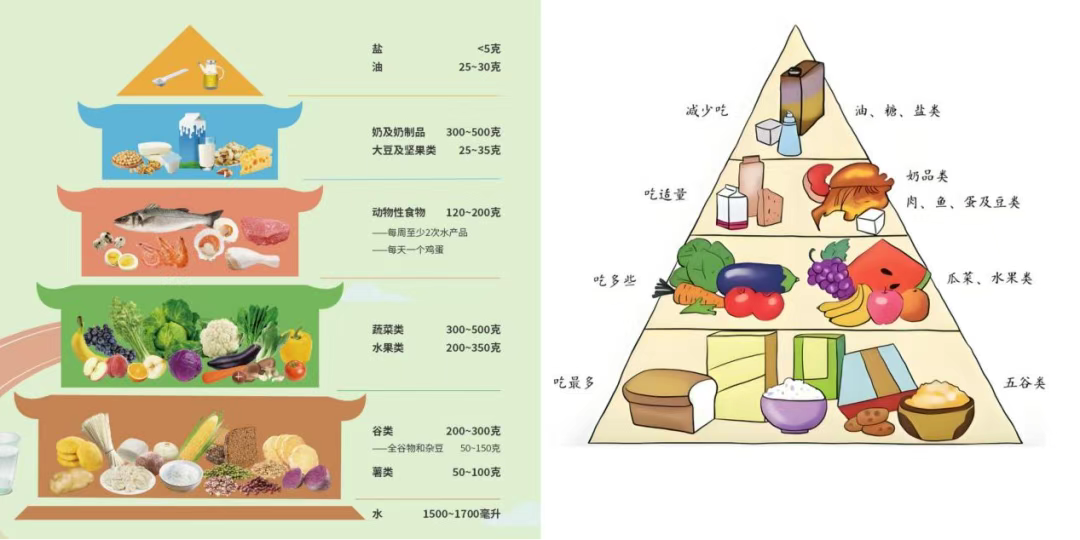
(2) Balanced and Varied Diet: Ensure adequate intake of grains (such as millet, rice, oats), fresh vegetables (leafy greens, mushrooms, etc.), and fruits (such as apples, bananas, kiwifruits) to provide vitamins, minerals, and dietary fiber, which support healthy gut motility.
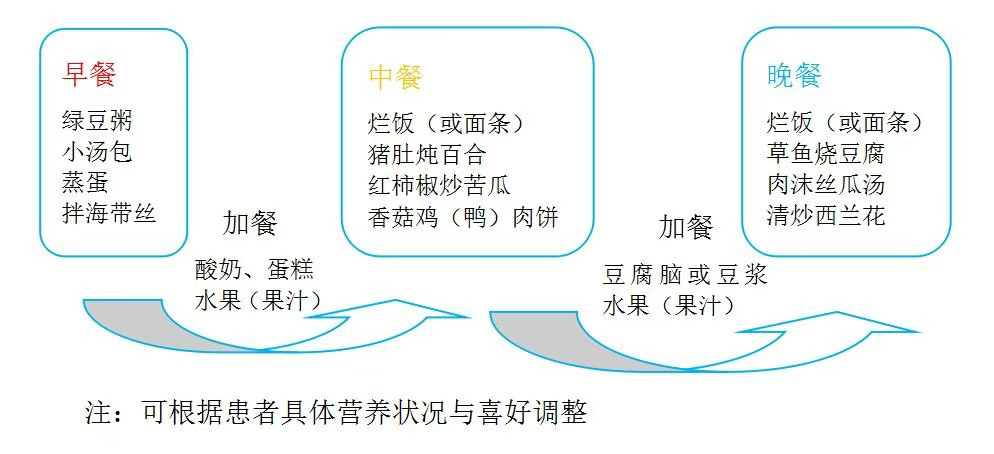
(3) Small, Frequent Meals with Soft & Easily Digestible Foods: If appetite is poor, switch from three meals to 5-6 smaller meals daily, choosing soft, liquid, or semi-liquid foods (such as congee, noodle soup, steamed egg custard, or minced meat with vegetable puree) to reduce gastrointestinal burden.

2. Targeted Adjustments
(1) Weak Digestive Function:
Avoid greasy, spicy, and raw/cold foods. Cook foods until soft and well-done. If necessary, use enteral nutrition preparations (e.g., nutritional liquids) for supplementation.
(2) Difficulty Swallowing:
Choose thick porridge, lotus root starch, sesame paste, or other mushy foods. Alternatively, blend foods into a puree using a high-speed blender to prevent choking.
(3) Altered Taste Perception:
Adjust food flavors appropriately (e.g., use small amounts of natural seasonings for taste enhancement), but avoid excessive salt or sugar. Ensure food is served at a suitable temperature (avoid overly hot dishes).
3. Precautions
(1) Severe Eating Difficulties or Malnutrition:
If patients have significant trouble eating or severe malnutrition, nutritional support (e.g., nasogastric feeding or intravenous nutrition) should be provided under a doctor or dietitian’s guidance. Never force-feed.
(2) Avoid Unnecessary "Food Restrictions":
Unless a doctor explicitly prohibits certain foods (e.g., during specific treatments requiring dietary limitations), do not overly restrict the diet, as this may lead to insufficient nutrient intake.
(3) Cater to Patient Preferences:
Whenever possible, select foods the patient enjoys to improve their willingness to eat. Family members can assist in meal preparation to enhance variety and appeal.
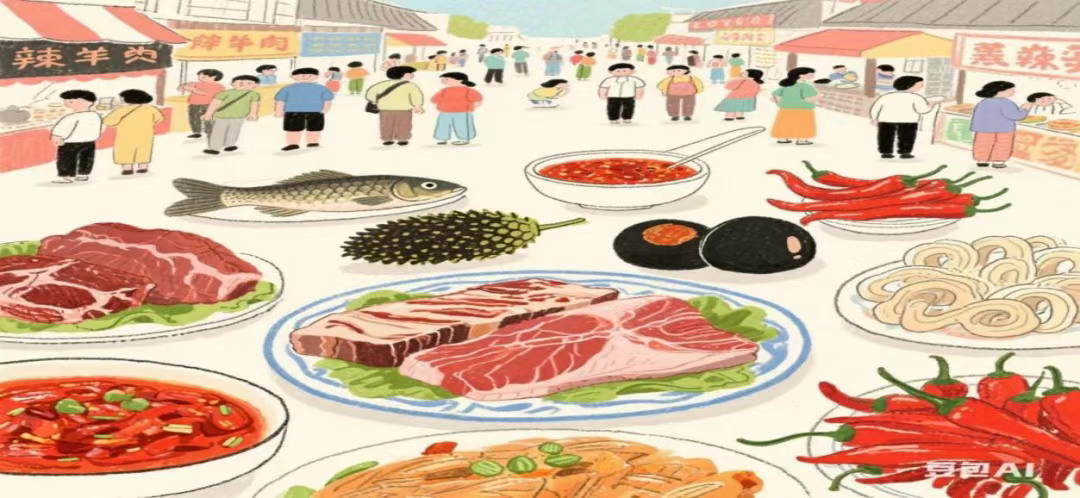
(4) Foods That May Worsen Disease or Pose Carcinogenic Risks:
Processed Meats (Class I Carcinogens): Such as sausages, ham, and bacon, which contain nitrites and polycyclic aromatic hydrocarbons (PAHs)—substances linked to cancer. These may aggravate tumor progression, so patients should avoid or minimize consumption.
4. Key Reminders
Nutritional supplementation should be personalized. It is recommended to consult with your attending physician or clinical dietitian to develop a tailored plan based on the patient’s specific condition, weight changes, digestive function, and other individual factors. Avoid self-prescribing supplements without professional guidance.