
Slow-Healing Leg Injury? Varicose Veins Might Be the Culprit
Slow-Healing Leg Injury? Varicose Veins Might Be the Culprit
At the beginning of the year, Mr. Zhang accidentally fell at work, resulting in a fracture of his tibia. After emergency surgery to implant a steel plate for fixation, he expected to recover in three months as the doctor predicted. However, reality proved to be far more challenging. The surgical wound remained in a "semi-healed" state, with persistent fluid leakage, recurring redness and swelling of the surrounding skin, and even a discharge of pale yellow tissue fluid. After visiting multiple hospitals, a lower limb venous ultrasound revealed that the great saphenous vein at the back of Mr. Zhang’s calf had expanded to twice its normal diameter, with traces of thrombus covering the vessel walls. This was the true culprit hindering wound healing.
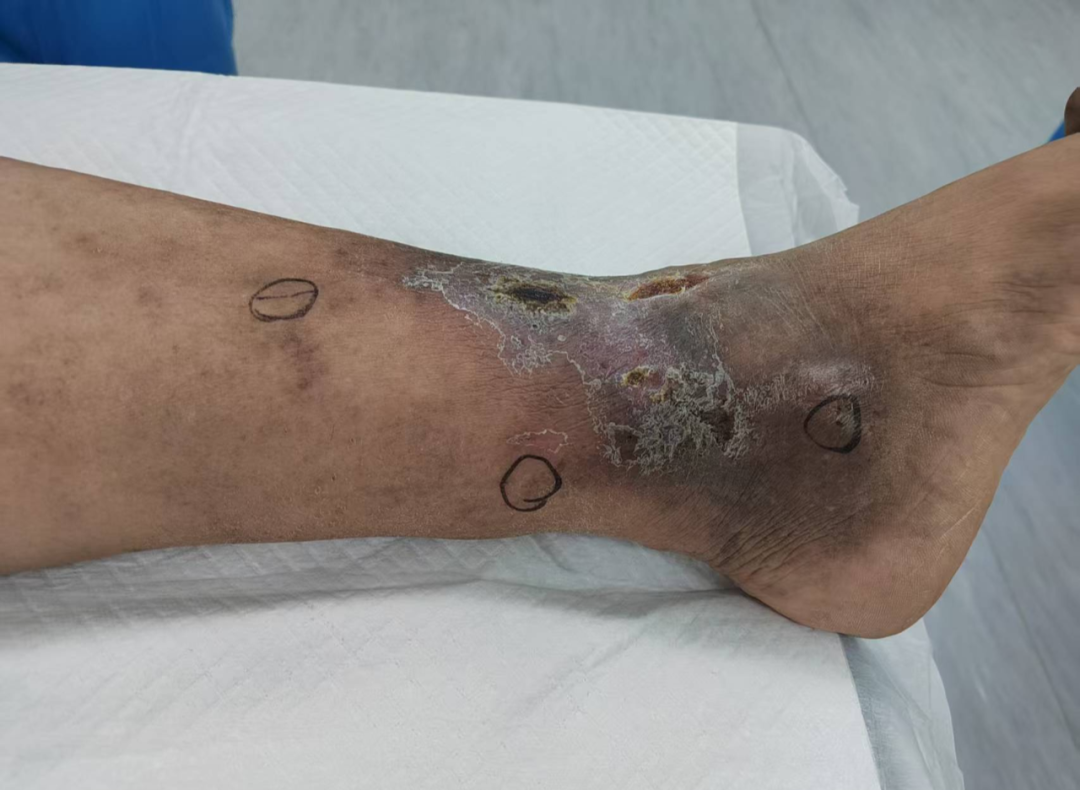
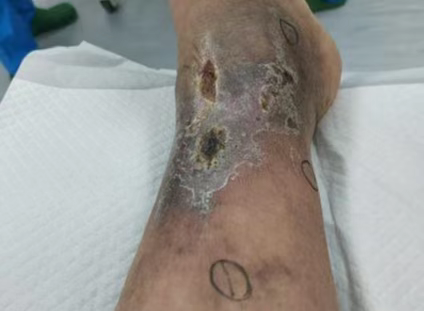
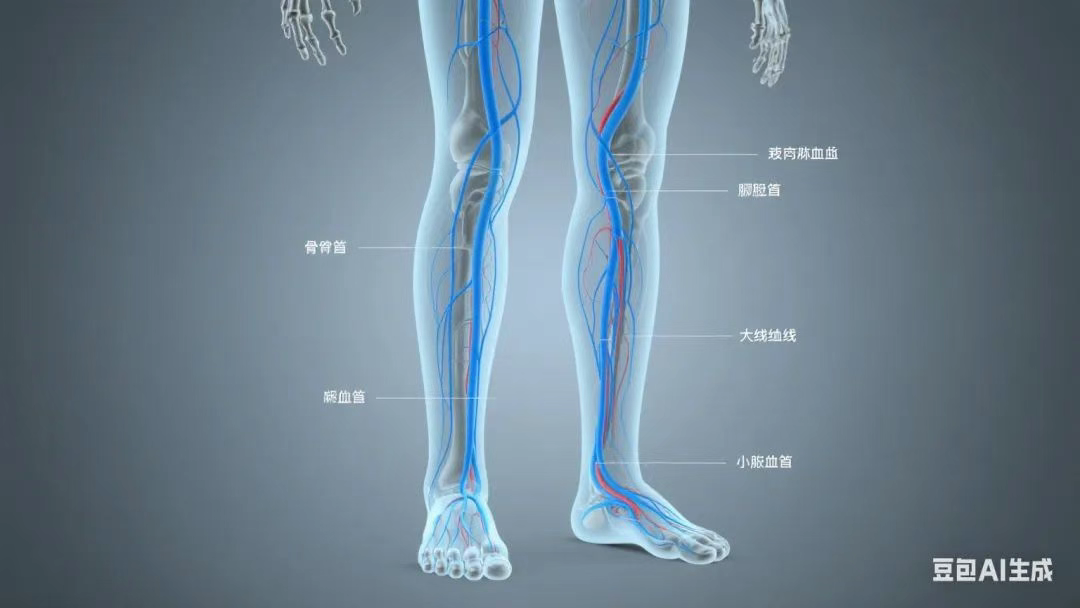
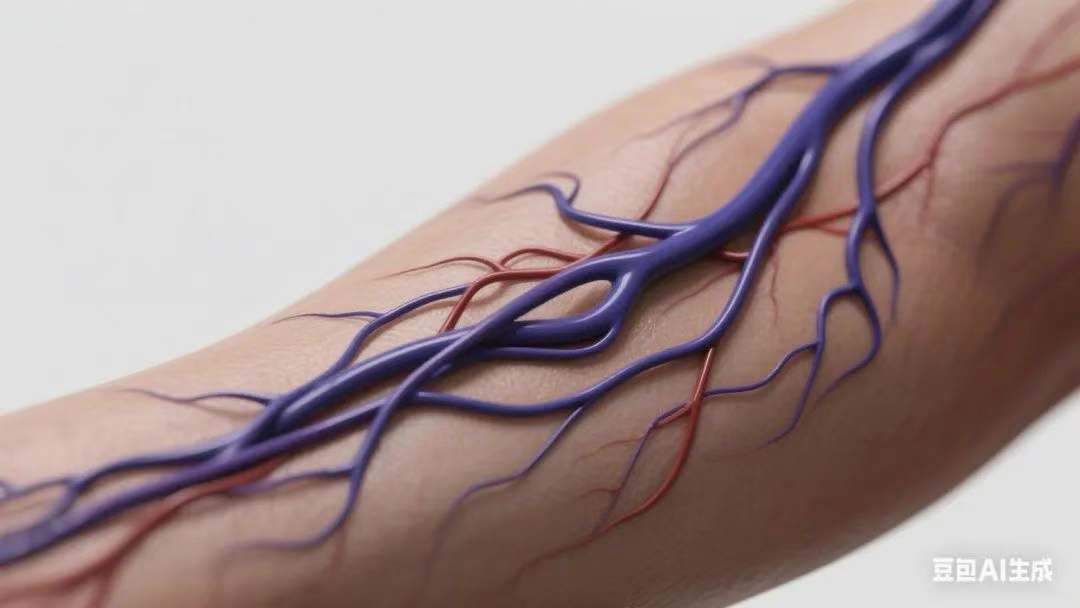
The venous system in the human lower limbs is a sophisticated "one-way traffic network." Under normal conditions, venous valves act like countless micro "one-way valves," working in tandem with the "pumping" action of the calf muscles to transport blood from the feet back to the heart against gravity. However, prolonged standing (e.g., teachers, sales assistants), heavy physical labor, obesity, and other factors can overwhelm these "valves." Clinical data shows that people who stand for more than 8 hours a day have a threefold higher incidence of varicose veins compared to the general population. When venous valve function declines, blood accumulates in the lower limb veins, causing the vessels to gradually dilate and twist, forming visible "worm-like" bulges. In severe cases, symptoms such as skin hyperpigmentation and itching may occur.
Many patients hold misconceptions about varicose veins, dismissing them as a minor cosmetic issue. In reality, varicose veins prevent the timely elimination of metabolic waste products like lactic acid and carbon dioxide, creating an acidic environment around wounds. This inhibits the proliferation of fibroblasts and epithelial cells, directly hindering granulation tissue growth and epidermal regeneration. Studies indicate that lower limb trauma patients with varicose veins have a 40% higher wound infection rate and require 2-3 times longer healing periods than ordinary patients.
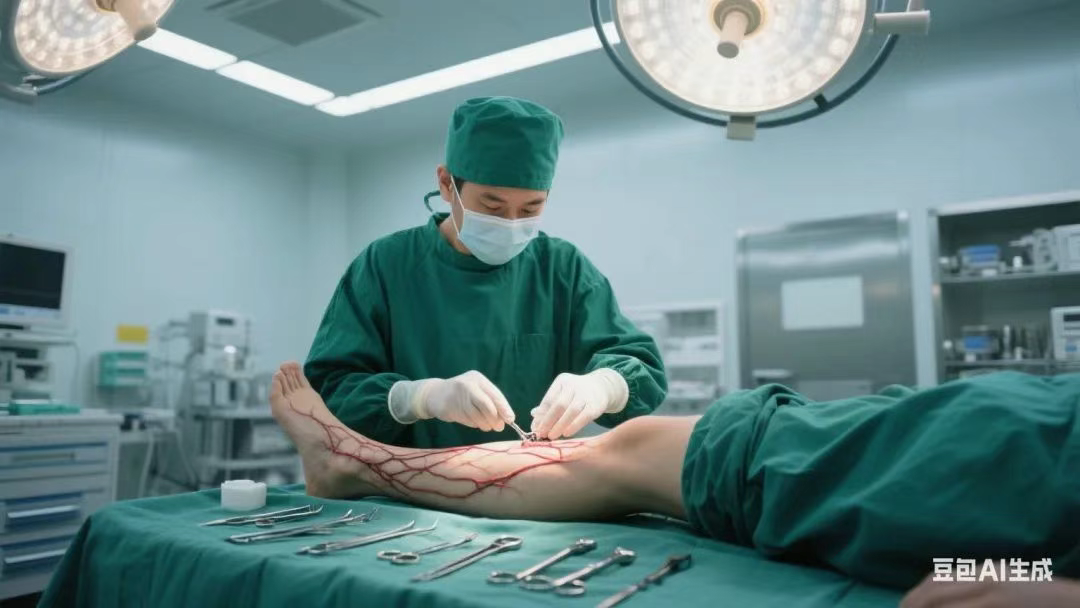
Faced with such complex conditions, traditional treatment models often fall into the trap of "treating symptoms in isolation." Take Mr. Zhang as an example: despite multiple debridements, dressing changes, and antibiotic use, his fracture wound remained difficult to heal. The varicose vein surgery employed a "zero-incision" strategy: using microwave ablation, the doctor inserted a catheter just 0.3 mm in diameter into the diseased vein. High-energy microwaves instantly caused the vessel walls to contract and seal, complemented by foam sclerotherapy injections to comprehensively block abnormal blood flow. The procedure is minimally invasive and ensures quick recovery. Post-surgery, wearing Class II gradient compression stockings as prescribed effectively promotes venous return in the lower limbs and accelerates wound healing.
Prevention is always better than cure. In daily life, it is recommended to stand up and move for 5 minutes after every hour of sitting. Simple actions like rising on tiptoes or flexing the feet can activate the calf muscle pump. For those with a body mass index (BMI) over 24, every 5 kg of weight loss reduces venous pressure by 15%. During rest, placing a thin pillow 15-20 cm high under the feet can assist blood return via gravity. If you notice purplish-blue clusters of blood vessels on the legs accompanied by soreness or heaviness, or if the skin around the ankles gradually darkens, a venous ultrasound should be performed promptly. Early intervention through compression therapy and medication can effectively slow disease progression and prevent severe complications like refractory ulcers.

