
Radiotherapy Diet Guide: Alleviating Side Effects and "Recharging" the Body
Radiotherapy Diet Guide: Alleviating Side Effects and "Recharging" the Body
I. Possible Physical Reactions After Radiotherapy
Radiotherapy is a crucial method for treating tumors, using precise radiation to kill cancer cells, but it may cause some effects on the body, mainly divided into two categories:
1. Local Reactions (Symptoms at the Irradiation Site)
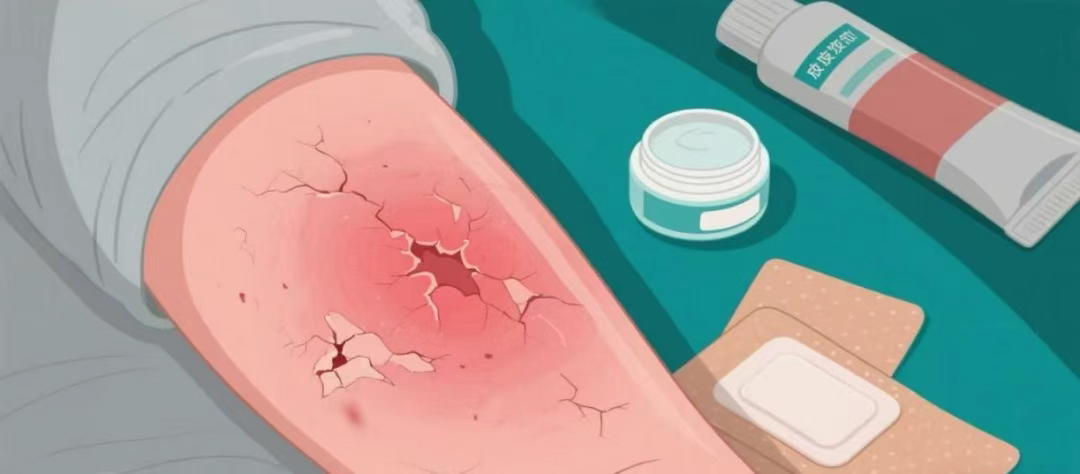
Organ Effects:
- Digestive tract (e.g., abdominal radiotherapy): May cause nausea, vomiting, diarrhea, or difficulty swallowing.
- Chest (e.g., lung cancer radiotherapy): May trigger coughing, chest tightness, or breathing difficulties (radiation pneumonitis).
- Head and neck (e.g., nasopharyngeal cancer radiotherapy): Dry mouth, oral infections.
- Pelvic area (e.g., colorectal cancer radiotherapy): Diarrhea, frequent urination, painful urination, etc.
2.Systemic Reactions
During radiotherapy, the body may experience systemic symptoms due to radiation stimulation and tumor cell necrosis:
(1) Fatigue and weakness: Most people feel persistent exhaustion that doesn’t ease with rest, related to increased energy consumption.
(2) Decreased immunity: Reduced white blood cells and platelets may lead to susceptibility to infections, bleeding, or paleness.
(3) Emotional impact: Anxiety, depression, etc., may affect appetite and quality of life.
Clinically, doctors will develop individualized plans based on the patient’s condition and mitigate side effects through symptomatic treatments (e.g., skin care, nutritional support, white blood cell-boosting therapy). Most patients gradually recover after treatment ends. Therefore, patients should closely cooperate with medical staff and promptly report discomfort for better outcomes and quality of life.
How Cancer Patients Should Supplement Nutrition in Later Stages
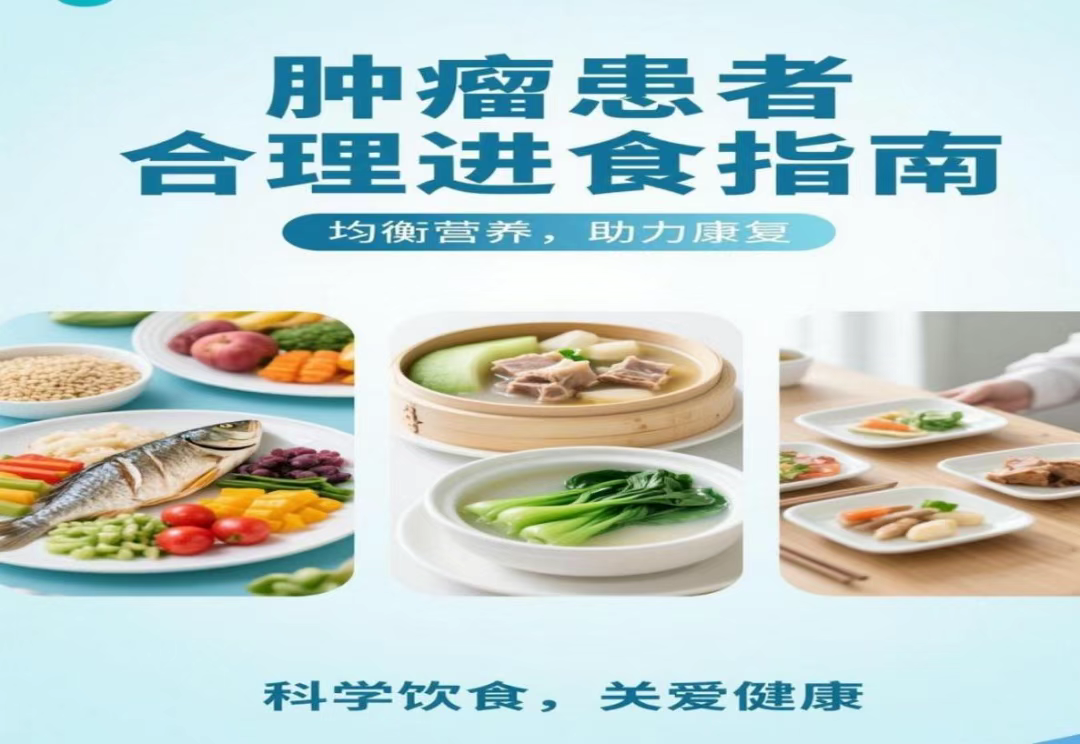
Due to disease burden and treatment side effects (e.g., reduced appetite, impaired digestion/absorption), cancer patients are prone to malnutrition. Proper nutrition is vital for maintaining strength, improving quality of life, and tolerating treatment. Scientific dietary management and balanced nutrition are essential. Patients should follow the principle of "eating reasonably and restricting based on evidence."
I. Nutritional Principles
(1) Focus on high-calorie, high-protein foods: Prioritize easily digestible, protein-rich options like eggs, milk, lean meat (pork/beef/lamb), fish (e.g., crucian carp, perch), soy products (tofu, soy milk), or protein powder (under medical guidance) to aid tissue repair and immunity.

(2) Balanced and varied diet: Ensure intake of grains (e.g., millet, rice, oats), fresh vegetables (leafy greens, mushrooms), and fruits (e.g., apples, bananas, kiwifruit) for vitamins, minerals, and fiber to promote bowel function.
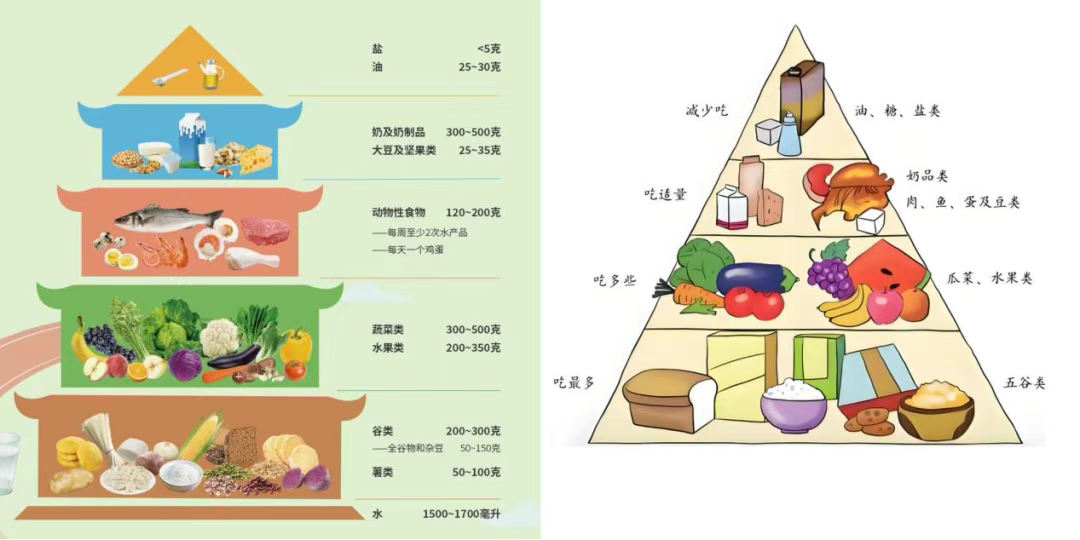
(3) Small, frequent meals; soft and easily digestible: For poor appetite, switch to 5–6 meals/day with soft, liquid, or semi-liquid foods (e.g., porridge, noodle soup, steamed eggs, minced meat with vegetable puree) to ease digestive burden.

II. Targeted Adjustments
- Weak digestion: Avoid greasy, spicy, or raw/cold foods. Cook foods until soft, or use medical nutritional supplements if needed.

2.Swallowing difficulties: Opt for paste-like foods (e.g., thick porridge, lotus root starch, sesame paste) or blend foods to avoid choking.
3.Altered taste: Adjust flavors mildly (e.g., natural herbs/spices) but avoid excess salt/sugar. Ensure food is warm (not hot).
III. Precautions
- For severe eating difficulties or malnutrition, use tube feeding or IV nutrition under medical guidance. Do not force-feed.
- Avoid unnecessary dietary restrictions unless medically advised (e.g., specific treatment phases), to prevent nutrient deficiency.
- Prioritize patient preferences to boost appetite. Family members may assist in preparing diverse, appealing meals.
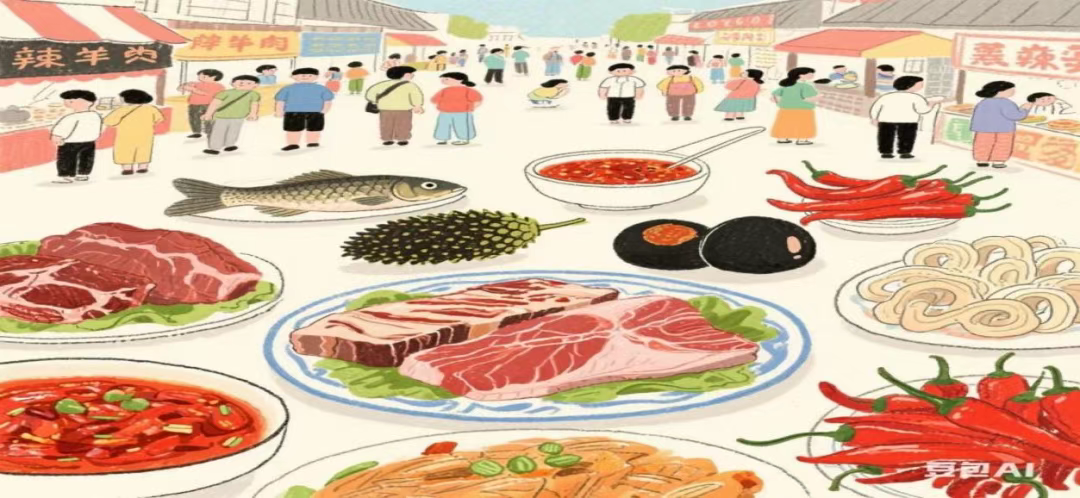
- Avoid foods that may worsen cancer or pose carcinogenic risks, e.g., processed meats (Group 1 carcinogens like sausages, ham, bacon) containing nitrites or polycyclic aromatic hydrocarbons.
IV. Key Reminder
Nutritional supplementation should be personalized. Consult doctors or dietitians to create tailored plans based on the patient’s condition, weight changes, and digestion. Avoid self-prescribed supplements.
Contact Us:
Wuwei Cancer Hospital, Department of Radiation Oncology I, specializes in carbon-ion and photon radiotherapy for abdominal/pelvic malignancies (liver, bile duct, pancreatic, colorectal, kidney, prostate cancers). We also provide comprehensive treatments like chemotherapy, targeted therapy, immunotherapy, and cellular immunotherapy. Our department is currently conducting a clinical study on carbon-ion therapy for early/mid-stage hepatocellular carcinoma. Eligible participants may receive heavy-ion therapy free of charge.

