10-Minute Guide to Cancer: Essential Anti-Cancer Principles Everyone Should Know!
10-Minute Guide to Cancer: Essential Anti-Cancer Principles Everyone Should Know!
Cancer, which may seem far removed from healthy individuals, quietly occurs every day. For the public, it is particularly important to understand the truth amid the many misconceptions about cancer.
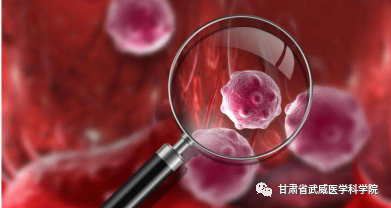
What is cancer? What is a tumor? What is a malignant tumor?
First, simply put, a tumor refers to cells that our body doesn’t need but that grow excessively. As these cells multiply and accumulate, they form a solid mass—this is what we call a tumor. If this tumor stays put where it formed, doesn’t spread around, and grows slowly, we call it a benign tumor. If the tumor spreads uncontrollably—medically known as metastasis—we call it a malignant tumor. A malignant tumor is what we commonly refer to as cancer. Below, let’s take a quick look at a simple diagram for a visual understanding.

How does cancer develop?
The essence of cancer is that carcinogenic factors break through the body's defense network—the first line of defense being avoiding exposure to carcinogens, the second being the body's anti-free radical system, and the third being the immune system. There are many types of carcinogens in nature, but what is the mechanism that turns normal cells into cancer cells? Research has found that all carcinogenic factors in the body act through complex reactions, ultimately leading to free radicals attacking normal cells, which then become cancer cells.

Free radicals exist in the body at all times, but why doesn't everyone get cancer? It turns out that our bodies have a system to eliminate free radicals—the second line of defense against cancer—which protects us from further damage caused by free radicals. However, if the rate of free radical production exceeds the rate of their elimination, the excess free radicals can cause further harm to the body, potentially even leading to cancer.
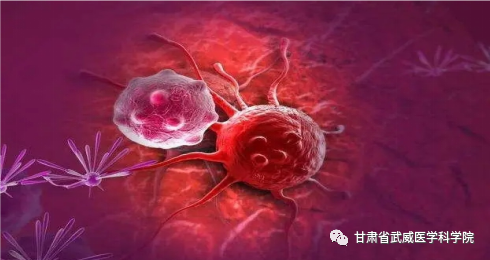
Our bodies have a sophisticated protective mechanism to survive healthily in complex environments—this is our immune system, the third line of defense against cancer. Like an army stationed within the human body, it constantly battles invading viruses and bacteria, bearing the heavy responsibility of defense. If the first two lines of defense fail and normal cells turn into cancer cells, immune surveillance can immediately identify them and launch an attack to eliminate these mutated cells. Although the human body is constantly exposed to carcinogenic factors, not everyone develops cancer—this is thanks to the powerful immune system. Therefore, cancer patients must have all three lines of defense breached.
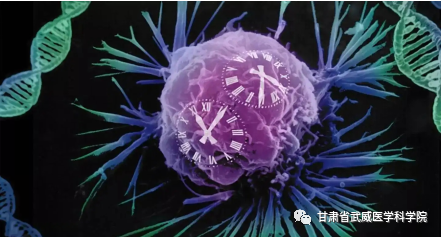
What are the stages of cancer development?

Cancer Prevention
Many people believe that cancer is an incurable disease, and being diagnosed with it is like receiving a death sentence. But cancer is not a terminal illness—it is a chronic disease. The Union for International Cancer Control states that over one-third of cancers can be prevented, one-third can be treated to extend life and achieve cure, and another one-third can have their symptoms alleviated through treatment. Therefore, cancer is not an incurable disease, nor is it as terrifying as people imagine.
Cancer tertiary prevention should be highly valued!
Primary prevention, also known as etiological prevention, aims to prevent the occurrence of cancer and reduce its incidence. A healthy lifestyle can help prevent cancer.
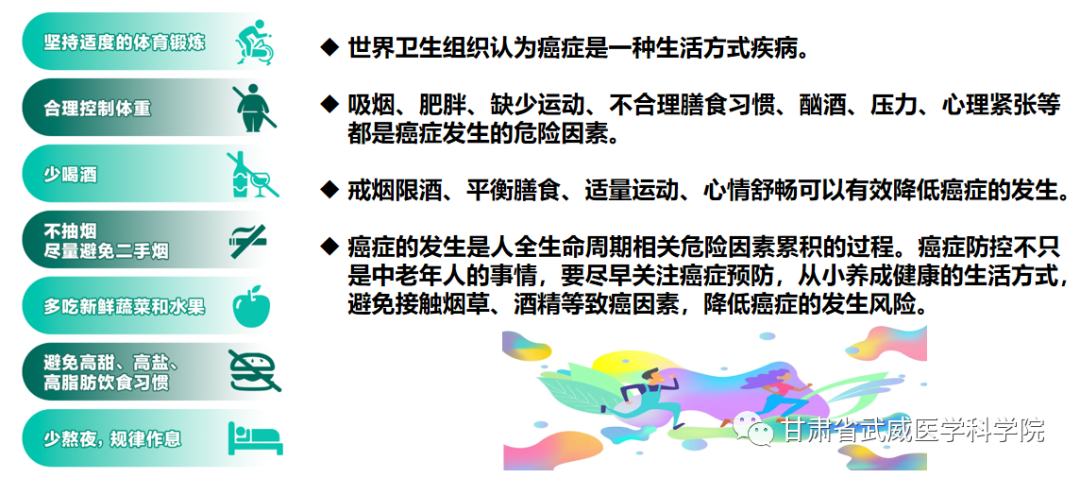
Secondary prevention, also known as "three early" prevention (early detection, early diagnosis, and early treatment), aims to prevent the progression of cancer and reduce mortality.
It primarily focuses on potential or hidden conditions before cancer symptoms appear, implementing measures for early detection, diagnosis, and treatment to control or delay disease progression. It is essential to pay attention to early warning signs of cancer, conduct general screenings for high-risk populations, promptly treat precancerous conditions, and regularly monitor individuals with a family history of cancer to detect early signals and halt cancer development.
Tertiary prevention, also known as clinical treatment, aims to prevent disease progression and reduce disability rates.
Implement standardized treatments and other measures, selecting the most appropriate diagnosis and treatment plans to prevent disease progression, improve quality of life, and extend survival time.