Precautions during Radiotherapy for Esophageal Tumor
Precautions During Radiotherapy for Esophageal Tumors
Treatment options for esophageal tumors include surgery, chemotherapy, radiotherapy, and immunotherapy. As most patients are diagnosed at advanced stages and ineligible for surgery, chemoradiotherapy is the optimal approach. Radiotherapy (commonly called "radiation therapy") uses ionizing radiation (e.g., heavy ions, protons, X-rays) to treat tumors. During radiotherapy, close collaboration between patients and the medical team is essential to enhance efficacy and minimize side effects.
01 Pre-Radiotherapy Preparation
1. Medical Evaluation
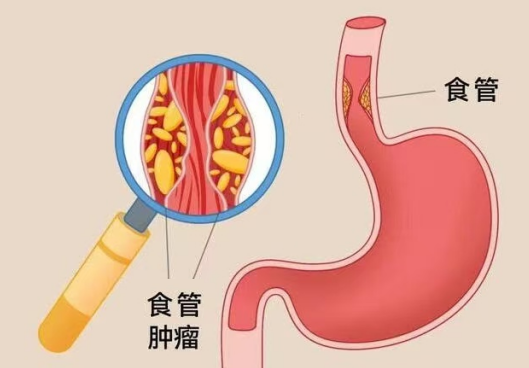
1)Complete endoscopic, CT/PET-CT, and endoscopic ultrasound (EUS) examinations to determine tumor location, stage, and adjacent tissue involvement.
2)Assess cardiopulmonary, hepatic, and renal functions, and nutritional status, especially for anemia or hypoproteinemia.
2、Nutritional Support
- Adjust diet to liquid/semi-liquid foods if dysphagia or obstruction occurs.
- Consider nasogastric tube or gastrostomy for severe feeding difficulties.
- Consult nutritionists for high-protein/high-calorie supplements (e.g., enteral nutrition powder).
3. Oral & Esophageal Hygiene
- Treat oral infections (e.g., caries, gingivitis) pre-therapy to reduce post-radiation risks.
- Esophageal stenting or dilation may be needed for severe stenosis.
02 Precautions During Radiotherapy
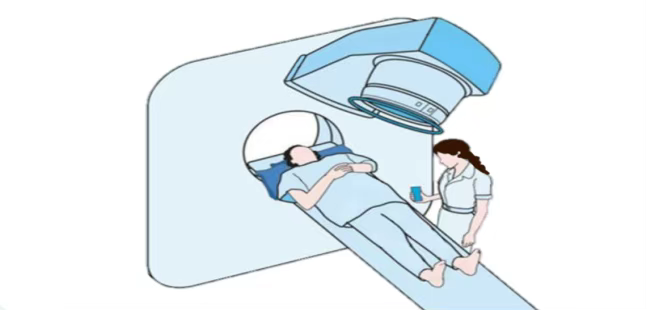
1. Immobilization & Precision Radiotherapy
- Use body molds or vacuum cushions for consistent positioning.
- Advanced techniques (e.g., IMRT, heavy ion therapy) minimize damage to healthy tissues.
2. Skin Care
Radiation may cause erythema, dryness, or desquamation:
- Avoid scratching, sun exposure, and irritants.
- Wear loose cotton clothing.
- Apply physician-recommended protective agents (e.g., aloe vera, radioprotectants).
03 Dietary Management
1. Food Selection
- High-protein/high-calorie options: fish paste, steamed eggs, milk, protein powde.
- Puréed or liquid foods (e.g., rice paste, lotus root starch, nutritional shakes).
- Avoid spicy, fried, hard, hot, or acidic items (e.g., orange juice, tomatoes).
2. Eating Techniques
- Small, frequent meals (6–8 daily); chew slowly.
- Remain upright for 30 minutes post-meal to prevent reflux.

04 Post-Treatment Follow-up
1. Regular Monitoring
- Endoscopy and CT at 1–3 months post-radiotherapy to evaluate efficacy.
- Follow up every 3–6 months to monitor recurrence/metastasis.
2. Long-Term Side Effect Management
Monitor for hypothyroidism (after neck irradiation) or esophageal fibrosis (causing stenosis).
05 Critical Reminders
- Absolutely quit smoking and alcohol—they exacerbate mucosal damage and recurrence risk.
- Maintain oral hygiene: Rinse daily with saline or sodium bicarbonate to prevent fungal infections.
- Record symptoms: Report persistent weight loss or worsening pain immediately.
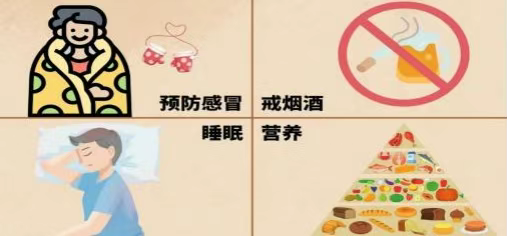
Multidisciplinary collaboration (radiotherapy, nutrition, gastroenterology) is vital. Strictly adhere to medical advice, optimize nutrition, and monitor bodily responses. Seek urgent care for severe dysphagia, chest pain, or fever!
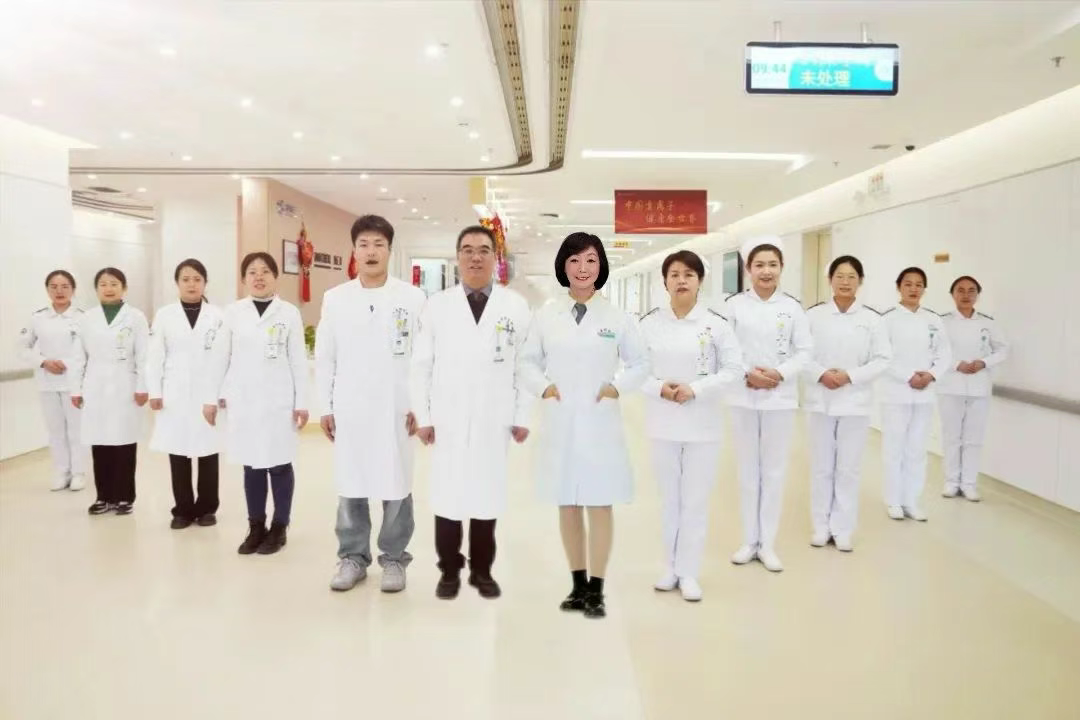
Department of Thoracic, Bone & Soft Tissue Tumor Heavy Ion Therapy (Radiotherapy Dept. II)
Specializes in heavy ion/photon radiotherapy for lung, esophageal, thymic, and breast cancers, as well as bone/soft tissue tumors.
Team: 16 members, including 2 chief physicians and 1 associate chief physician.
Director: CHEN Dongji (Chief Physician, Vice President of Gansu Heavy Ion Hospital, Director of Radiotherapy Dept. II). With 30+ years of experience, trained at Munich Proton Therapy Center (Germany). Key roles:
- Committee Member, Ion Therapy Group, Chinese Anti-Cancer Association
- Council Member, Western Radiotherapy Association
- Committee Member, Gansu Radiotherapy Society
International Advisors: Prof. Jörg Hauffe (Munich Heavy Ion Center), Prof. Hiroyuki Tsujii ("Global Heavy Ion Therapy Pioneer"), and Prof. REN Yimin & WU Jiaming (Taiwan, China).
Achievements: 3 Provincial Second-Class Awards, 7 Municipal First/Second-Class Awards, 30+ publications. Staff trained at renowned centers: German RPTC, Shanghai Proton Heavy Ion Center, Beijing 301 Hospital, etc.
Techniques: Heavy ion therapy, spatial fractionation, SRS/SABR/SBRT, VMAT/IMRT, IGRT, 3D-CRT, 3D brachytherapy, hyperthermia. Integrates surgery, immunotherapy, targeted therapy, chemotherapy, and TCM for personalized treatment.
Address:
Department of Thoracic, Bone & Soft Tissue Tumor Heavy Ion Therapy (Radiotherapy Dept. II),
2nd Floor, Building 4, Heavy Ion Campus,
Gansu Wuwei Cancer Hospital,
No. 1, Tianyi Road, Liangzhou District, Wuwei, Gansu, China