
"Head First: Own Your Health – Know Head & Neck Tumors"
Focus on the "Head" Priority: Understanding Head and Neck Tumors and Being the First Person Responsible for Your Health
1. What Are Head and Neck Tumors?
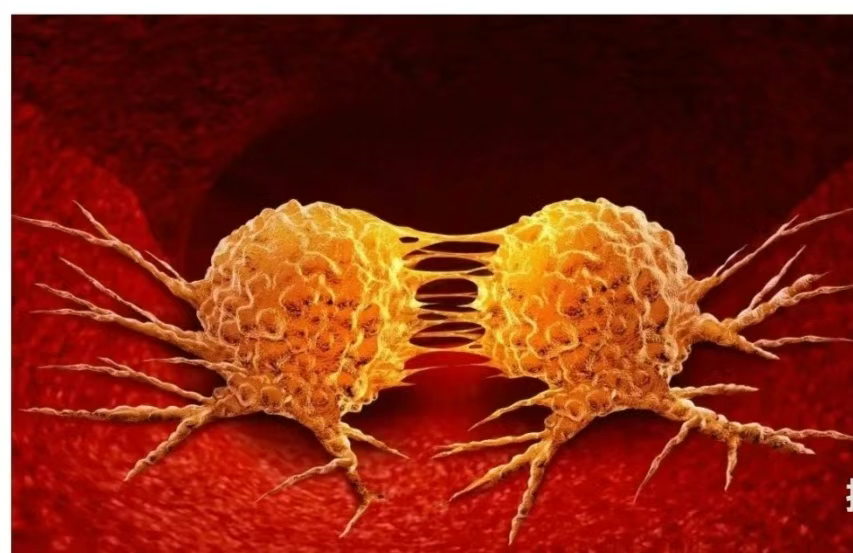
Head and neck tumors refer to malignant tumors occurring below the skull base and above the chest, including nasopharyngeal carcinoma, oral cancer, tongue cancer, laryngeal cancer, thyroid cancer, and others. They rank as the seventh most common malignant tumors globally.
2.What Are the Pathological Types of Head and Neck Tumors?
About 90% of head and neck cancers originating from the oral cavity, larynx, pharynx (hypopharynx, nasopharynx, or oropharynx), and nasal sinuses are squamous cell carcinomas, with rarer types such as adenocarcinoma and neuroendocrine carcinoma.
3.Where Do Head and Neck Tumors Occur?
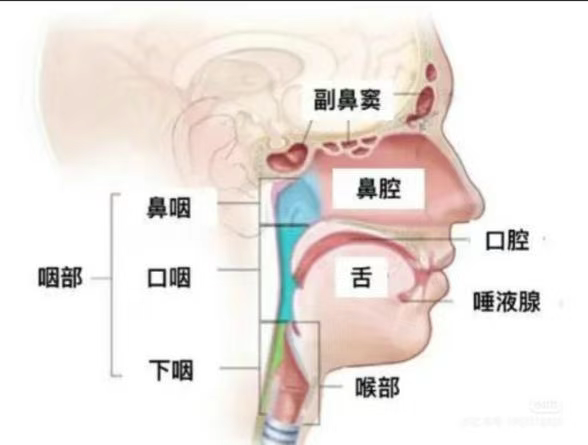
(1) Lips, oral cavity
(2) Pharynx: Further divided into nasopharynx, oropharynx, and hypopharynx
(3) Larynx
(4) Maxillary sinus
(5) Ethmoid sinus
(6) Salivary glands
(7) Thyroid
4.What Are the Risk Factors for Head and Neck Tumors?
Smoking and alcohol consumption are common causative factors for oral, oropharyngeal, hypopharyngeal, and laryngeal cancers. The development of head and neck tumors is closely linked to smoking and heavy drinking. Additionally, certain viral factors are directly associated with these tumors—about 50% of oropharyngeal cancers are related to human papillomavirus (HPV) infection, while nearly all nasopharyngeal cancers are linked to Epstein-Barr virus (EBV) infection.

5.What Are the Symptoms of Head and Neck Tumors?
(1) Symptoms vary depending on the tumor’s location, size, and nature. Common signs include headache, vomiting, blurred vision, limb weakness, speech difficulties, seizures, and balance disorders.
(2) Painless neck lumps, persistent hoarseness.
(3) Long-lasting oral ulcers that do not heal, recurrent nasal congestion, and nosebleeds.
(4) Unilateral tinnitus or hearing loss.
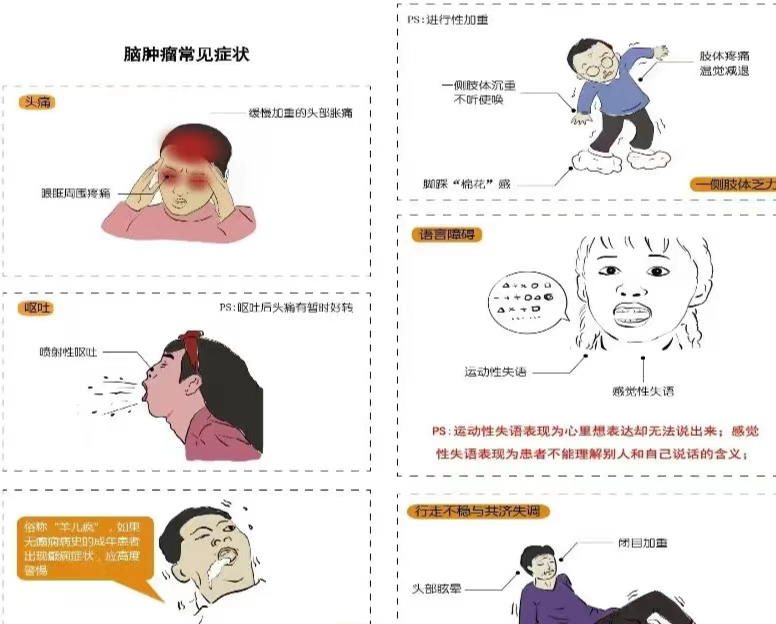
These seemingly ordinary symptoms could be warning signs of head and neck tumors, especially in individuals who smoke, drink alcohol, chew betel nuts, are infected with HPV, or have long-term exposure to dust or radiation.
6.How to Prevent Head and Neck Tumors
(1) Quit smoking, limit alcohol, and avoid betel nuts—building a strong defense for your body.
Excessive alcohol consumption increases the risk of certain diseases and can lead to traffic accidents and violent incidents. The recommended daily alcohol intake should not exceed 25 grams for adult men and 15 grams for women.

(2) Get vaccinated against HPV at the appropriate age—adding an extra layer of protection for your health.

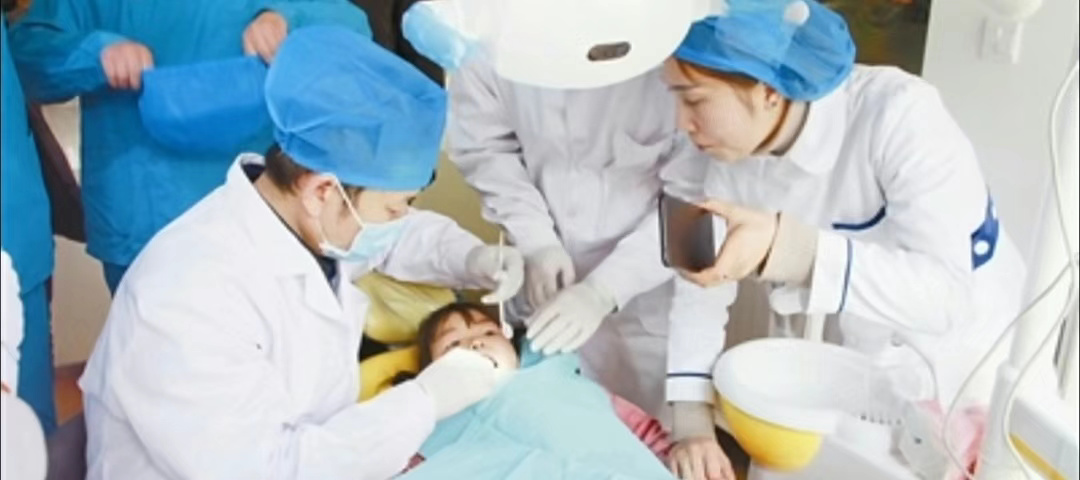
(3) Maintain oral hygiene and undergo regular dental check-ups.
(4) Eat a balanced diet—consume more fresh fruits and vegetables, reduce intake of preserved foods, and provide your body with adequate nutrition.

(5) Early screening is key to combating head and neck tumors. Early detection and treatment are crucial for improving cure rates and quality of life.


Hu Tingchao, Associate Chief Physician of Radiation Oncology
- Director of the Fifth Department of Radiotherapy (Head and Neck Tumor Radiotherapy), Gansu Wuwei Cancer Hospital
- Member of the Chinese Anti-Cancer Association
- Committee Member of the Gansu Radiotherapy Association
- Council Member of the Third Western Radiotherapy Association
- Committee Member of the Particle Therapy Branch, China Association of Medical Equipment
Education & Training:
Graduated from the Clinical Medicine Department of Lanzhou University in 2005. With 18 years of experience in radiation oncology, he has trained at Sichuan Cancer Hospital, Japan Fukuoka Tokushukai Medical Center, Shanghai Proton and Heavy Ion Center, and Sun Yat-sen University Cancer Center.
Specializations:
- Expertise in comprehensive treatment (radiotherapy, chemotherapy, targeted therapy) for head and neck tumors, gliomas, lymphomas, chordomas, and other common malignant tumors.
- Precision tumor therapy: 3D conformal radiotherapy (3D-CRT), intensity-modulated radiotherapy (IMRT), volumetric modulated arc therapy (VMAT), stereotactic body radiotherapy (SBRT), image-guided radiotherapy (IGRT), and carbon ion radiotherapy (CIRT). Extensive experience in radiotherapy planning, organ function protection, and managing side effects.
Research & Publications:
Published over 10 professional papers, authored one medical textbook, holds one utility model patent, led two Wuwei municipal-level research projects, contributed to the carbon ion radiotherapy standard guidelines, and has been repeatedly honored as an "Outstanding Worker" by the hospital.
Head and Neck Tumor Radiotherapy Department (Fifth Radiotherapy Department) is a specialized clinical, research, and teaching ward. Main treated conditions include:
- Meningioma, pituitary adenoma, acoustic neuroma, glioma, intracranial tumors
- Nasopharyngeal carcinoma, oral cancer, ocular tumors, laryngeal cancer, hard palate cancer, hypopharyngeal cancer
- Chordoma, lymphoma (all regions)
Heavy Ion Therapy Advantages:
- Head and neck malignant melanoma
- Head and neck sarcoma
- Adenoid cystic carcinoma
- Recurrent head and neck cancer
- Skull base chordoma, chondrosarcoma
- Glioma

