Balloon Angioplasty for Fistula: Making Dialysis Smoother!
Balloon Angioplasty for Fistula: Making Dialysis Smoother!
For many kidney patients, hemodialysis is a vital way to sustain life, and the arteriovenous fistula (AV fistula) serves as the "lifeline" for dialysis. However, with prolonged use, many patients may experience issues such as fistula stenosis and insufficient blood flow, affecting dialysis efficiency and even leading to treatment interruptions. Today, let’s talk about a common and effective solution—balloon angioplasty (PTA).
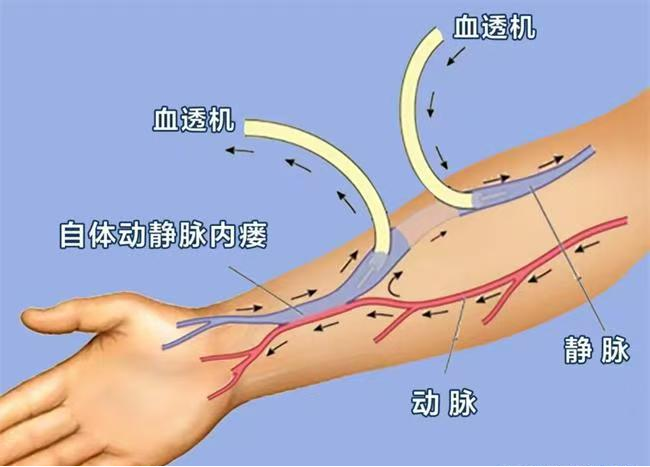
What Is Balloon Angioplasty?
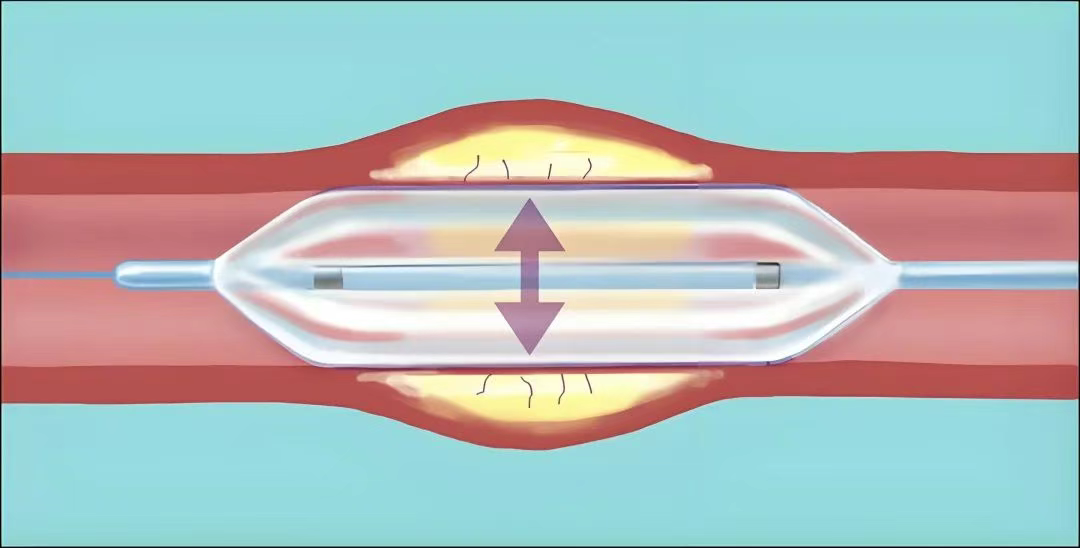
Balloon angioplasty is a minimally invasive interventional technique. The doctor guides a tiny balloon through a catheter to the narrowed section of the fistula, then inflates it to widen the blood vessel and restore smooth blood flow. It requires no surgery, causes minimal trauma, and allows for quick recovery, making it one of the preferred methods for treating AV fistula stenosis.
Why Is Balloon Angioplasty Needed?
Over time, the fistula may develop issues such as:
- Vessel narrowing (stenosis)
- Reduced blood flow
- Difficulty in needle insertion
- Inadequate dialysis
These problems can decrease dialysis efficiency and even lead to more serious health complications. Balloon angioplasty effectively improves these conditions, prolongs the fistula’s lifespan, and ensures better dialysis quality.
What Is the Procedure Like?
- Local anesthesia: Performed while the patient is awake, with minimal pain.
- Vessel puncture: A thin catheter is inserted into the blood vessel.
- Balloon inflation: The balloon is positioned at the narrowed area and expanded under pressure.
- Post-op observation: Patients can usually go home within hours.
The entire process takes about 30 minutes to an hour, with quick recovery and no disruption to regular dialysis schedules.
Is Balloon Angioplasty Safe?
Balloon angioplasty is a well-established, low-risk procedure. Common post-op reactions include mild swelling or bruising, which typically resolve within days. Doctors will assess whether the procedure is suitable based on each patient’s condition.
Fistula Care Tips
- Avoid strenuous activity after the procedure; keep the puncture site clean and dry.
- Watch for abnormalities like redness, swelling, bleeding, or pain.
- Schedule regular check-ups to detect fistula issues early.
Conclusion
Balloon angioplasty is a reliable way to protect your dialysis "lifeline." As part of the dialysis center team, we hope every kidney patient understands this technique, addresses problems early, and receives timely treatment to ensure smoother, worry-free dialysis. If you or someone you know is on hemodialysis, consider learning more about this procedure and discussing with your doctor whether balloon angioplasty is a suitable option.
Healthy dialysis starts with a healthy fistula!
"For every dialysis session, we give our all."