Who Is Most at Risk for Liver Cancer? Unveiling the 5 Hidden Killers Behind It
Who Is Most at Risk for Liver Cancer? Unveiling the 5 Hidden Killers Behind It
As a globally prevalent cancer, liver cancer is closely associated with various risk factors. The 2025 The LancetLiver Cancer Commission report highlights that over 60% of global liver cancer cases could be prevented by controlling these risk factors. The following "hidden killers" warrant particular attention.
1. Viral Hepatitis: The #1 Culprit Behind Liver Cancer
Hepatitis B (HBV) and Hepatitis C (HCV) virus infections are the leading causes of liver cancer. In 2022, HBV accounted for 39% of global liver cancer cases, while HCV accounted for 29.1%—projections suggest these figures will remain at 36.9% (HBV) and 25.9% (HCV) by 2050.
HBV is transmitted through mother-to-child, blood, and sexual contact, whereas HCV primarily spreads via blood exposure (e.g., shared needles). Chronic infection, if left untreated, leads to repeated liver damage, increasing the risk of cirrhosis and eventually liver cancer.
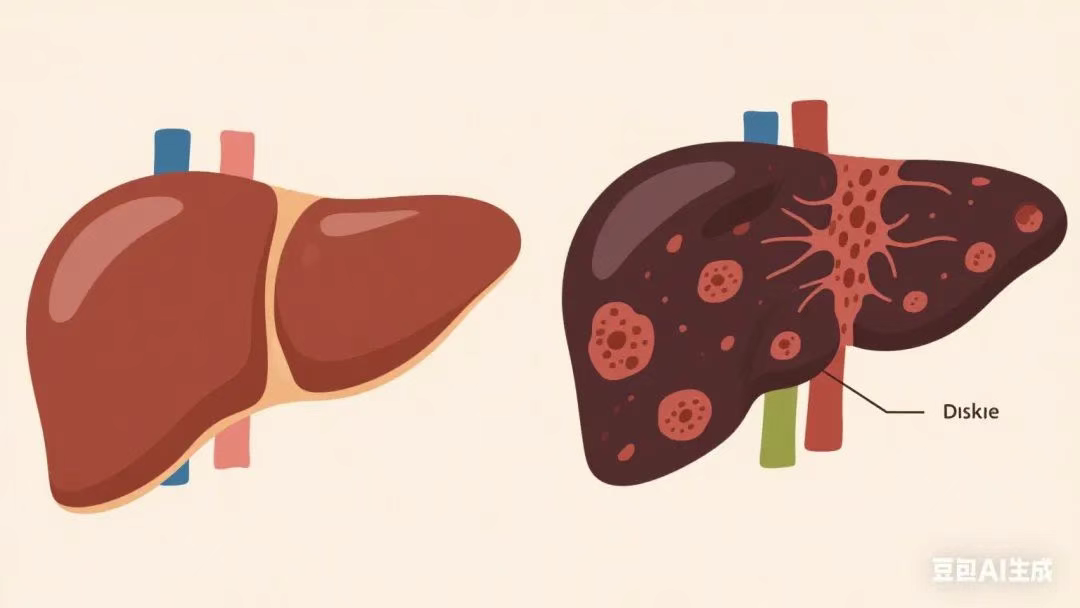
2. Alcohol: The Liver’s "Slow-Acting Poison"
Chronic heavy drinking (averaging ≥40g of alcohol per day for over 10 years) can lead to alcoholic liver disease, progressively progressing to cirrhosis and even liver cancer. Even more alarming, individuals with both metabolic disorders and long-term alcohol use face a 2.3x higher risk of liver cancer death compared to those with a single risk factor.
Data shows that alcohol-related liver cancer cases will rise from 18.8% in 2022 to 21.1% in 2050.

3. Obesity & Fatty Liver: Quietly "Fattening" Your Liver Cancer Risk
With rising global obesity rates, metabolic dysfunction-associated steatotic liver disease (MASLD) has emerged as a growing risk factor – its contribution to liver cancer cases is projected to rise from 8% in 2022 to 11% in 2050. For individuals with obesity or diabetes who also develop fatty liver, the liver remains in a chronic inflammatory state, which may gradually worsen into cirrhosis.

4. Aflatoxins: The "Cancer Code" Hidden in Food
Aflatoxins found in moldy peanuts and corn are a well-established cause of liver cancer. Long-term exposure damages liver cell DNA, and the risk is significantly higher—especially in people already infected with hepatitis B.

5. Other "Contributing Factors": Genetics, Cirrhosis & Radiation
Individuals with a family history of liver cancer (first-degree relatives affected), a history of cirrhosis, or those who have undergone abdominal radiation therapy also face elevated risks. Additionally, clonorchiasis (liver fluke infection) and abuse of hepatotoxic drugs may indirectly contribute to liver cancer development.
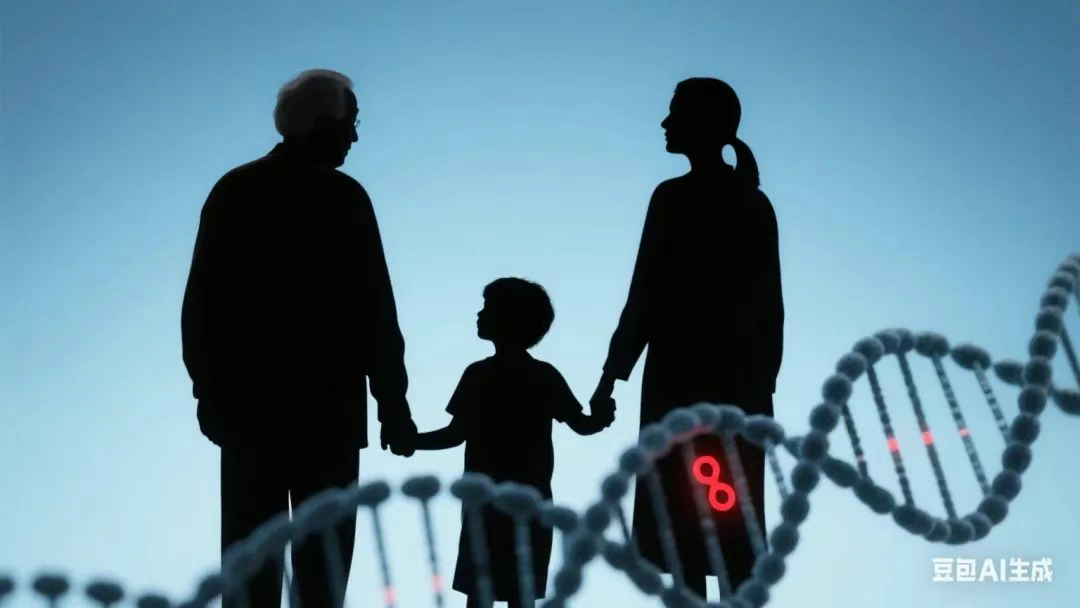
Liver Cancer Prevention Tips:
- Vaccination: Ensure newborns complete the full course of hepatitis B vaccination, and high-risk groups (e.g., healthcare workers) receive timely booster shots.
- Limit Alcohol: Reduce alcohol consumption, and strictly avoid alcohol for patients with liver disease.
- Healthy Diet: Avoid moldy foods, reduce high-fat and high-sugar diets to prevent fatty liver disease.
- Regular Screening: High-risk individuals (e.g., hepatitis B/C carriers, cirrhosis patients) should undergo abdominal ultrasound + AFP (alpha-fetoprotein) testing every 6 months.
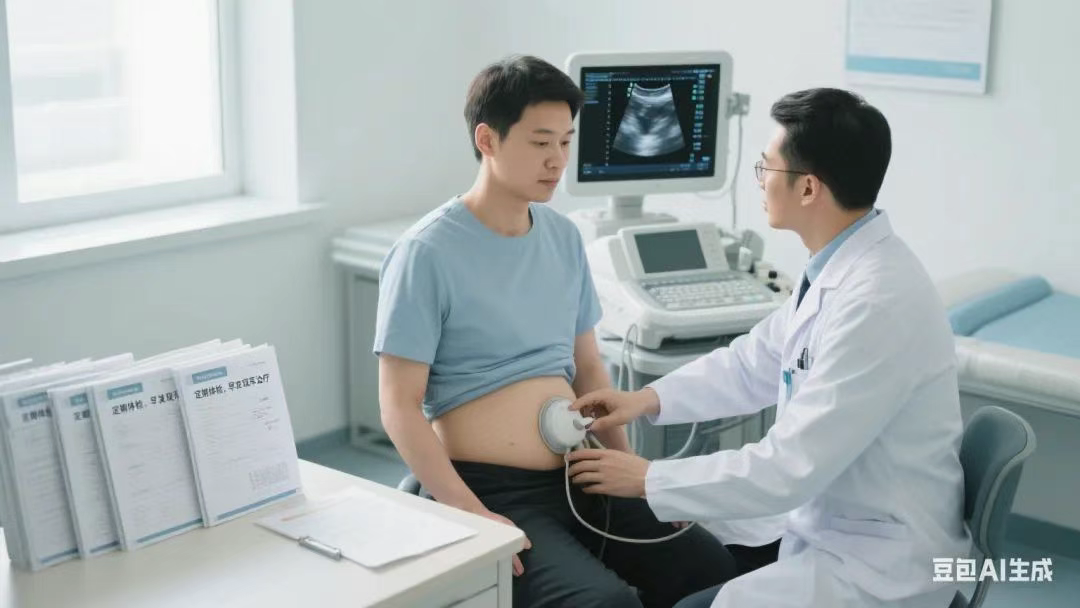
Department Introduction
The First Radiotherapy Department of Wuwei Cancer Hospital specializes in carbon ion and photon radiotherapy for abdominopelvic malignancies, including liver cancer, bile duct cancer, pancreatic cancer, colorectal cancer, kidney cancer, and prostate cancer. We also provide comprehensive treatments such as chemotherapy, targeted therapy, immunotherapy, and cellular immunotherapy for various cancers.
Currently, our department is conducting a clinical trial on carbon ion therapy for early- and mid-stage hepatocellular carcinoma (HCC). If you meet the enrollment criteria, the heavy ion treatment costs will be fully covered for you.