
Clinical Data Review of Carbon Ion Radiotherapy in Pancreatic Cancer Treatment
Clinical Data Review of Carbon Ion Radiotherapy in Pancreatic Cancer Treatment
Q1: Why is pancreatic cancer so challenging?
Pancreatic cancer is known as the "king of cancers." It is estimated that about 45,750 people died from it in the United States in 2019, with a 5-year survival rate of only 5-10%, as metachronous metastasis and local recurrence are very common. Recent data indicate that more frequent use of neoadjuvant therapy in resectable and borderline resectable tumors, along with the adoption of FOLFIRINOX as the new postoperative standard chemotherapy, can improve median overall survival after surgery. Approximately one-third of patients initially present with non-metastatic but unresectable locally advanced pancreatic cancer (LAPC), primarily due to vascular invasion. Because pancreatic cancer is difficult to detect early, about 80% of patients lose surgical opportunities at diagnosis, with the tumor often encasing blood vessels (referred to as locally advanced pancreatic cancer). In LAPC, the standard treatment is neoadjuvant therapy followed by reassessment of resectability, leading to either resection or palliative chemotherapy. Neoadjuvant therapy includes chemotherapy, radiotherapy, or a combination of both. In LAPC, several trials have investigated the potential benefits of combined chemotherapy and radiotherapy in terms of overall survival and local control.
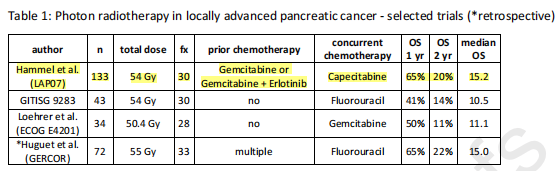
As shown in Table 1, the LAP07 trial enrolled 133 patients, with a pre-radiotherapy chemotherapy regimen of gemcitabine or gemcitabine plus erlotinib, a radiotherapy dose of 54Gy/30 fractions, and concurrent gemcitabine during radiotherapy, achieving a 1-year overall survival rate of 65%, a 2-year overall survival rate of 20%, and a median survival of 15.2 months.
The GITISG 9283 trial included 43 patients without pre-radiotherapy chemotherapy, using a radiotherapy dose of 54Gy/30 fractions and concurrent single-agent fluorouracil, with a 1-year overall survival rate of 41%, a 2-year overall survival rate of 14%, and a median survival of 10.5 months.
Loehrer et al. enrolled 34 patients without pre-radiotherapy chemotherapy, applying a radiotherapy dose of 50.4Gy/28 fractions and concurrent gemcitabine, resulting in a 1-year overall survival rate of 50%, a 2-year overall survival rate of 11%, and a median survival of 11.1 months.
Huguel et al. studied 72 patients with various pre-radiotherapy chemotherapy regimens, using a radiotherapy dose of 55Gy/33 fractions and concurrent single-agent fluorouracil, reporting a 1-year overall survival rate of 66%, a 2-year overall survival rate of 22%, and a median survival of 15 months.
These data demonstrate that neoadjuvant therapy and the total radiotherapy dose are associated with overall survival in pancreatic cancer patients.
Q2: Why is traditional treatment difficult to achieve better results?
Chemotherapy or conventional radiotherapy has limited efficacy: while conventional photon radiotherapy can achieve local tumor control, it rarely significantly extends survival. Pancreatic cancer exhibits relative radioresistance due to the highly hypoxic nature of tumor cells, which explains why conventional photon radiotherapy—whose therapeutic effect relies on generating oxygen free radicals—is ineffective. Additionally, because most adjacent organs at risk (OARs) near the pancreas are highly radiosensitive, the tolerable safe radiation dose is relatively low. Constrained by the radiation tolerance of surrounding normal tissues, the maximum allowable dose for pancreatic tumors is also limited. Key structures include the duodenum and remaining upper gastrointestinal tract, which are often directly invaded by the tumor. Excessive radiation doses can cause ulceration, bleeding, or even perforation in these organs, potentially leading to fatal complications.
Among unresectable pancreatic cancers, the largest trial using proton radiotherapy was conducted in Japan. Terashima et al. treated 50 patients with proton radiotherapy (doses up to 70.2 Gy (RBE) in 26 fractions) combined with gemcitabine, yielding promising results but with relatively high toxicity rates. Takatori et al. supported these findings with another analysis of 91 patients receiving proton radiotherapy. Hattori et al. conducted a preliminary study on 18 patients with locally advanced pancreatic cancer treated with proton radiotherapy and concurrent S-1 chemotherapy, reporting satisfactory outcomes.
Carbon ions demonstrate a higher RBE than protons (with particularly elevated RBE values in the Bragg peak region), a characteristic that can enhance local tumor control. Carbon ion therapy is known to be relatively less dependent on the oxygenation status of irradiated tissues and less influenced by the cell cycle phase. Consequently, carbon ion radiotherapy provides greater biological effectiveness for pancreatic cancer treatment compared to proton radiotherapy.
Q3: What are the advantages of carbon ion radiotherapy?
First, the physical properties of carbon ions enable precise targeting through the Bragg peak effect: after entering the body, their energy is concentrated at the tumor site (like a "depth charge"), minimizing damage to surrounding tissues and allowing for a safe increase in tumor dosage that breaks through the limitations of conventional radiotherapy.
Second, the biological characteristics of carbon ions overcome radiation resistance by not relying on oxygenation and directly killing tumor cells through DNA double-strand breaks, delivering highly efficient anti-cancer effects: their lethality is 2.7-4.5 times greater than conventional photon radiotherapy. They are particularly effective against hypoxic cancer cells (common in pancreatic cancer) and cancer stem cells (the root of recurrence), and they are unaffected by cell cycle phases, remaining effective even against dormant cancer cells.
The simplest way to understand this is that conventional radiotherapy is like a "shotgun," while carbon ions are like a "sniper rifle with armor-piercing bullets."
In various clinical Phase I/II trials, Shinoto et al. demonstrated promising results in pancreatic cancer patients treated with carbon ion radiotherapy. These findings have attracted significant attention in pancreatic cancer research. Reviewing these data and the current applications of carbon ion radiotherapy in pancreatic cancer is the focus of this article.
Clinical trial results related
1. In 2013, Shinoto et al. conducted a Phase I trial of carbon ion radiotherapy as a neoadjuvant treatment for pancreatic cancer: 26 non-metastatic, resectable pancreatic cancer patients received preoperative carbon ion radiotherapy (8 fractions over 2 weeks). Results: 81% of patients successfully underwent surgery, with a 5-year survival rate of 42% (compared to only 20% for conventional surgery), and a 0% local recurrence rate after carbon ion therapy.
2. In 2016, 72 Japanese patients with inoperable pancreatic cancer received definitive carbon ion radiotherapy combined with chemotherapy (carbon ion radiotherapy + gemcitabine). Results: median survival of 19.6 months (compared to approximately 11-15 months with conventional treatments); only 1 case of severe side effects (gastrointestinal ulcer).
3. Kawashiro et al. published a retrospective analysis of carbon ion radiotherapy for locally recurrent pancreatic cancer, including 30 patients. 57% received concurrent chemotherapy (27% with S-1 and 30% with gemcitabine). Median follow-up time was 17.3 months, with a median overall survival of 25.9 months. The 1-year and 2-year overall survival rates were 79% and 51%, respectively. No significant Grade 3 adverse reactions were observed.
Conclusion
For locally unresectable pancreatic cancer, various treatment approaches including chemotherapy, conventional radiotherapy, or combined therapies have been attempted over the past decades, yet therapeutic outcomes remain suboptimal. Proton therapy has demonstrated favorable efficacy in pancreatic cancer treatment, but its safety and effectiveness require further investigation. Given that heavier ions such as carbon ions possess higher relative biological effectiveness (RBE), current data suggest that carbon ion radiotherapy holds promise for improving both overall survival and local control rates in pancreatic cancer patients. Among research studies, variations exist regarding the irradiation of selective lymph node regions, selection of concurrent chemotherapy regimens, and definition of target volumes. Although clinical data remain limited, the results from the aforementioned Japanese studies are indeed encouraging. Ongoing studies in Japan, Italy, Germany, and the United States will further enhance recognition of this highly promising therapeutic approach.

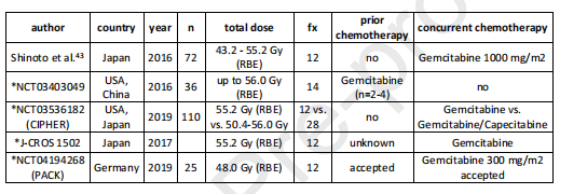
In summary, carbon ion radiotherapy is an effective treatment with minimal adverse effects, particularly suitable for patients with unresectable pancreatic cancer, postoperative residual tumors, radioresistant lesions, or recurrent disease. Both the median follow-up duration and overall survival rates are superior to those achieved with conventional photon radiotherapy.
Introduction to Department VI of Radiotherapy:
Specialized Department for Heavy Ion Therapy of Pancreatic Cancer
Department for Heavy Ion Therapy of Abdominal and Pelvic Tumors
●Department Overview
Department VI of Radiotherapy specializes in heavy ion therapy for pancreatic cancer and heavy ion/photon radiotherapy for abdominal and pelvic tumors, including liver cancer, colorectal cancer, and prostate cancer. Since its opening, the department has attracted pancreatic cancer patients from across China, enabling precise eradication of pancreatic cancer cells without pain, surgery, or tissue damage. To date, the department has treated dozens of pancreatic cancer patients nationwide, achieving a 1-year local control rate exceeding 90% and extending median survival from the conventional 11 months to 19 months. The treatment demonstrates definitive efficacy, provides an excellent patient experience, and has gained full recognition from renowned domestic and international experts as well as patients.
●Professional Team
The team members are all graduates of prestigious medical schools in China, with solid medical theoretical foundations and extensive clinical experience. The department has specially engaged renowned experts such as Professor Hauff from Germany, Professor Hirohiko Tsujii from Japan, Professor Yimin Ren and Professor Jiaming Wu from Taiwan to provide guidance, conduct consultations on complex cases, deliver academic lectures, and lead ward rounds. Team members have completed advanced training at multiple well-known heavy ion and photon therapy centers in China, gaining rich experience in heavy ion therapy. They are capable of formulating scientifically sound and individually tailored treatment plans for patients.
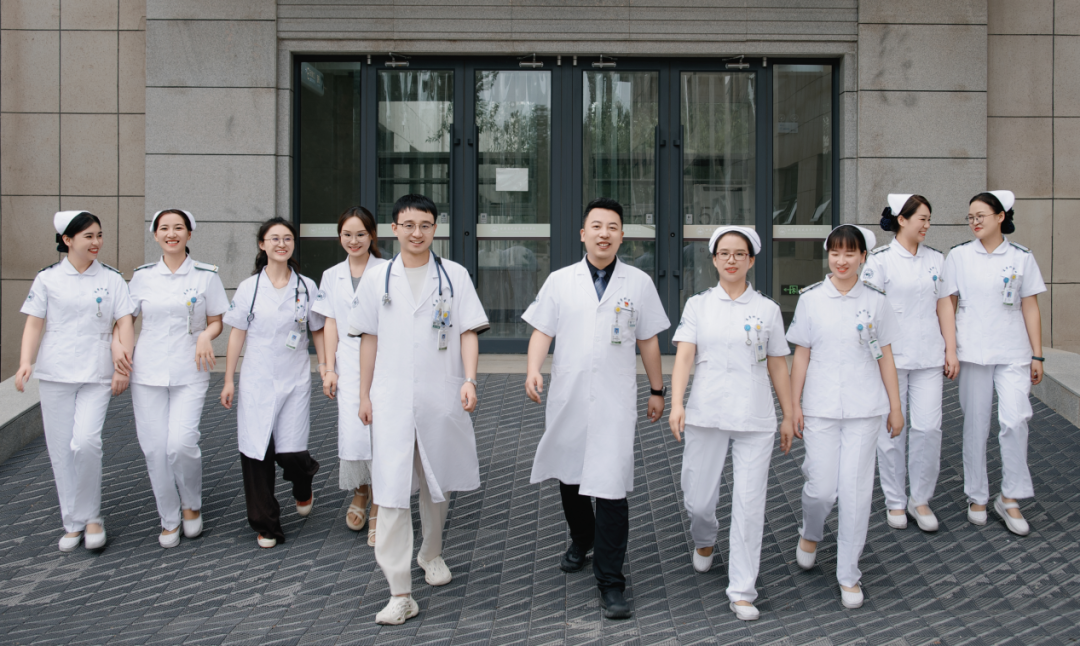
●The department primarily specializes in heavy ion therapy for pancreatic cancer, while also providing heavy ion and photon radiotherapy for abdominal and pelvic tumors, including liver cancer, colorectal cancer, and prostate cancer. It offers professional radiotherapy services along with personalized comprehensive cancer treatment tailored to each patient's needs.
Department expert introduction
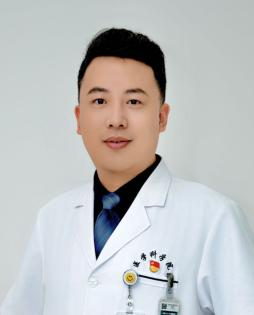
Chen Weizuo
- Director and Associate Chief Physician of Department VI, Heavy Ion Center, Gansu Wuwei Cancer Hospital
- Gansu Province "Longyuan Youth Talent"
- Council Member of the Brachytherapy and Smart Radiotherapy Branch, Chinese Nuclear Society
- Committee Member of the Ion Radiotherapy Branch, China Medical Equipment Association
- Committee Member of the Oncology Branch, National Health Industry Enterprise Management Association
- Committee Member of the Youth Branch, Western Radiotherapy Association
- Committee Member of the Young Committee of the CRTOG Radioimmunology IR Youth Committee
- Youth Committee Member of the Gastrointestinal Cancer Professional Committee (Gastric Cancer/Colorectal Cancer), Gansu Anti-Cancer Association
- Committee Member of the Radiotherapy Professional Committee, Wuwei Medical Association
- Principal Investigator of 1 project under the "Western Light" Talent Cultivation Program of the Chinese Academy of Sciences; 2 projects under the "Longyuan Youth Innovation and Entrepreneurship" Talent Program of the Gansu Provincial Party Committee Organization Department. Projects awarded the Third Prize of the "Gansu Provincial Science and Technology Progress Award."
- Published 11 SCI papers and 5 papers in Chinese core journals. Holds 2 national invention patents and 3 utility model patents. Invention patents awarded the Gold Medal at the "National Invention Exhibition" and the Second Prize of the Project Award in the National "Invention Entrepreneurship Award."

