
Prevent Stomach Cancer: Don't Let It Take Away Your Beautiful Life
Prevent Stomach Cancer: Don't Let It Take Away Your Beautiful Life
Gastric cancer is a common tumor of the digestive tract, especially in China, where 400,000 new cases are diagnosed each year. Our city is also among the high-incidence regions for gastric cancer nationwide. Although the overall incidence of gastric cancer has been declining globally each year, its mortality rate remains the second highest among all tumors, with as many as 300,000 deaths annually in China. Gastric cancer has an insidious onset, often showing no obvious symptoms in the early stages, and about half of patients are already in the middle or late stages by the time they seek medical attention. Therefore, early prevention and diagnosis of gastric cancer are extremely important.
1. Cultivate healthy dietary and living habits
Low-salt diet;
Avoid foods that may contain nitrosamines;
Eat more fresh fruits and yellow-green vegetables;
Consume more dairy products;
Quit alcohol and smoking: Smoking has been clearly identified as a risk factor for gastric cancer. Strong alcoholic beverages can cause gastric mucosal lesions;
Eat fewer foods containing additives;
Avoid excessively hot food and drinks.
2. Actively treat benign gastric lesions
1. Eradicate Helicobacter pylori (HP) infection in the stomach;
2. Actively treat precancerous conditions: such as gastric polyps, gastric ulcers, and atrophic gastritis.
3. Regular screening to avoid delaying the condition and missing treatment opportunities.
Case presentation
Wen was admitted to the chemotherapy department in October 2021 due to "abdominal distension and pain." Gastroscopy revealed malignant transformation of a gastric ulcer (in the gastric antrum). Pathology and immunohistochemistry results showed poorly differentiated adenocarcinoma, C-erbB-2 (-), Ki-67 (approximately 70% positive). Chest and abdominal CT indicated metastasis to lymph nodes in the hepatogastric space (approximately 8.2×5.6 cm), multiple liver metastases (approximately 1.5 cm), and metastatic lymph nodes at the left supraclavicular root (approximately 2.3×1.7 cm).
Chief physician Wang Huijuan organized a departmental discussion to thoroughly analyze Wen’s condition. After full communication with the patient and their family, first-line palliative chemotherapy consisting of six cycles was administered from October 2021 to February 2022. Evaluations every two cycles showed stable disease (lesions shrank but did not meet partial response criteria), and the patient’s symptoms improved compared to before. In March 2022, the patient developed an enlarged left cervical lymph node (4 cm). Disease reassessment indicated progression, and a needle biopsy of the cervical lymph node was performed. Pathology and PD-L1 testing results showed: (lymph node) metastatic adenocarcinoma, PDL1 (sp263) TPS <1%, CPS <1%, Her-2 negative. After further discussion with the patient and family, treatment was adjusted to a combination of immune checkpoint inhibitors and second-line systemic intravenous chemotherapy for six cycles. After one cycle, the patient’s cervical lymph node significantly shrank. After two cycles, imaging evaluation showed partial response (PR). Since then, the patient has received maintenance therapy with immune checkpoint inhibitors every three weeks. To date, the patient has undergone one year of immunotherapy. A CT and gastroscopy in April 2023 showed that the cervical lymph node, gastric antrum ulcer, and liver metastases had nearly disappeared, and the condition remained stable. The patient has now safely passed 18 months of treatment. Our hospital’s chemotherapy department will continue to follow up with this patient. We also hope more people maintain healthy dietary habits, undergo regular health check-ups, and achieve early detection, early diagnosis, and early treatment.
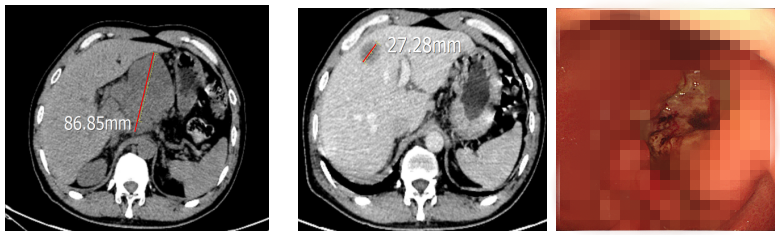
Pre-treatment abdominal CT scan and gastroscopy
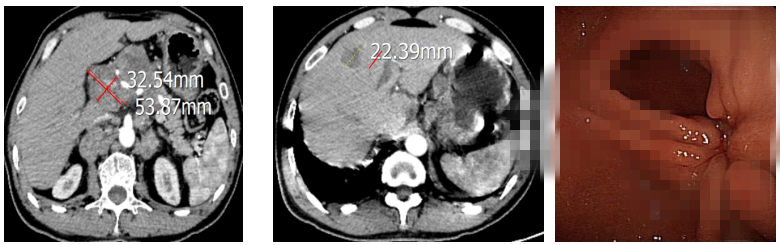
Abdominal CT scan and gastroscopy after six cycles of chemotherapy
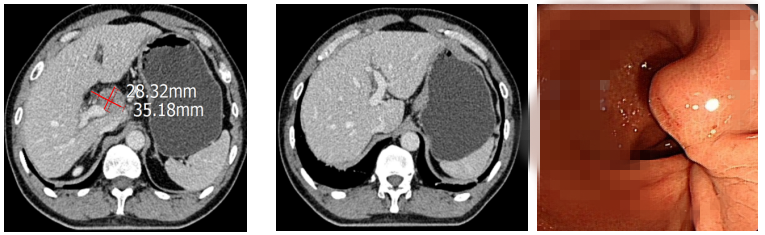
Abdominal CT scan and gastroscopy after six cycles of second-line chemotherapy

The latest 2020 statistics (Gastric Cancer, GC) show that globally, gastric cancer ranks fifth in incidence among malignant tumors, with 1.089 million new cases, and fourth in mortality, with 769,000 new deaths. In China in 2020, it ranked third in incidence, with 479,000 new cases and 374,000 deaths, and third in mortality at 15.9 per 100,000, far higher than the global average. Moreover, gastric cancer is often diagnosed at an advanced stage when symptoms appear.
The development of gastric cancer is caused by a combination of multiple factors. The most common causes include Helicobacter pylori infection; lifestyle factors such as consuming large amounts of grilled or charred animal meat, high salt intake, pickled or smoked foods, as well as smoking and alcohol consumption; precancerous conditions and lesions; genetic factors, environmental factors, and dietary factors.
Most early-stage gastric cancer patients are asymptomatic, while a small number may experience mild discomfort such as bloating, indigestion, which often goes unnoticed. Advanced-stage gastric cancer may present with symptoms such as upper abdominal pain, weight loss, anemia, fatigue, loss of appetite, cachexia, or gastrointestinal bleeding. In the terminal stages of the disease, patients may exhibit severe emaciation, appearing skeletal, a condition known as cachexia or malignant malnutrition. The gold standard for diagnosis is histopathological confirmation through endoscopic biopsy.
Treatment methods: Surgery is the only potentially curative option for gastric cancer patients, with early-stage patients achieving a cure after surgery. Advanced-stage patients require comprehensive treatment based on the pathological type and clinical stage of gastric cancer, primarily involving surgery combined with perioperative chemotherapy, radiotherapy, targeted therapy, and immunosuppressive agents to prolong survival and improve quality of life.
The primary route of gastric cancer metastasis is lymphatic spread, with 70% of advanced cases involving lymph node metastasis. Hematogenous metastasis also occurs, most commonly to the liver. When peritoneal seeding metastasis develops, patients often present with significant ascites.
Prognosis: The prognosis of gastric cancer is closely related to the stage. Early-stage patients have a higher cure rate. However, most cases are detected at an advanced stage or with distant metastases, leading to poor outcomes for late-stage patients, with a five-year survival rate of less than 10%.
It is hoped that more people will understand tumor-related knowledge, adopt healthy lifestyle and dietary habits in daily life, avoid staying up late and excessive alcohol consumption, limit intake of red meats such as beef, mutton, and pork, and replace them with white meats like chicken, duck, fish, and seafood. Additionally, consumption of preserved foods and salt should be restricted, leftover food avoided, and fresher foods prioritized. Prevention is key—regular health check-ups, early detection, early diagnosis, and early treatment are essential to maintaining good health every day.
Introduction to the Oncology Department
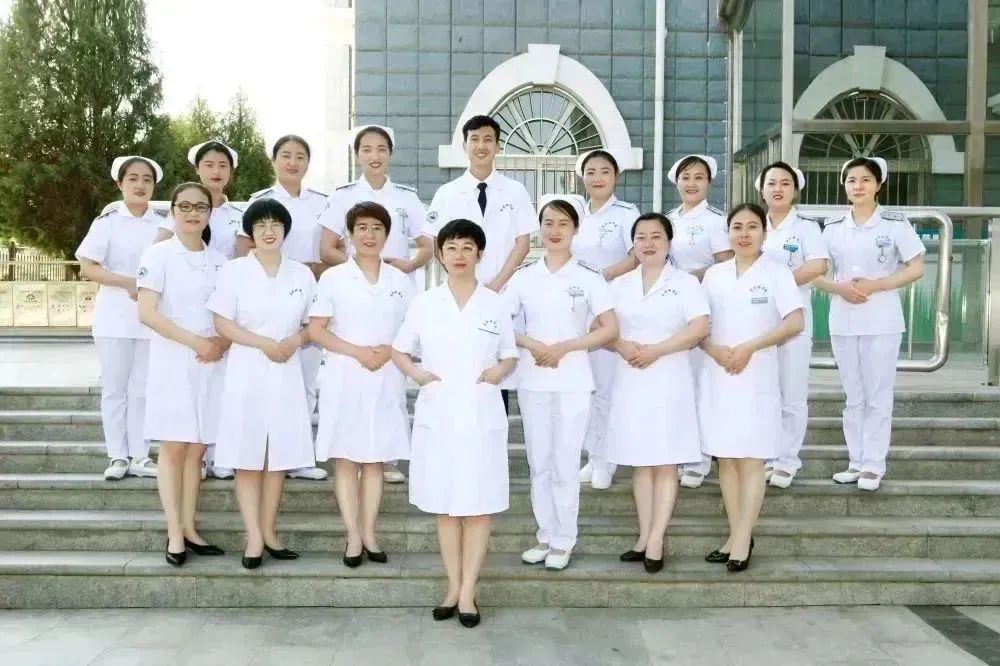
The Chemotherapy Department of Wuwei Academy of Medical Science Cancer Hospital was established in February 2009. Currently, it has 46 beds. Under the leadership of Director Wang Huijuan, a chief physician, the department consists of seven doctors: one chief physician, one associate chief physician, two senior attending physicians, and three resident physicians. The department has long-term collaborations with Professor Zhao Da, Vice President and Chief Expert of the Department of Oncology at the First Hospital of Lanzhou University, who serves as an external expert, conducting regular ward rounds and academic exchanges. The department admits over 1,200 oncology chemotherapy patients annually, making it the largest and most standardized medical oncology unit in the Hexi region. In 2013, it became one of the first "Standardized Pain Management Demonstration Wards for Cancer" certified by the Gansu Provincial Health Department. In 2017, its team won first prize in the "Gansu Province Standardized Cancer Pain Management Skills Competition." In 2017, it joined the "Gansu Lung Cancer Prevention and Treatment Alliance." In 2018, it became a member of the "Lanzhou University Comprehensive Cancer Treatment Specialty Alliance," and its team won third prize in the "2019 Gansu Lung Cancer MDT Competition." In 2021, it was designated as a "Key Discipline of Wuwei City." In July 2022, it became a "Sub-Center of the Gansu Provincial Clinical Medical Research Center for Thoracic Tumors." The department currently offers comprehensive services, including diagnosis and treatment of various solid tumors and lymphomas, neoadjuvant chemotherapy, adjuvant chemotherapy after surgery, palliative chemotherapy, and local drug perfusion chemotherapy. It also provides endocrine therapy, molecular targeted therapy for tumors, immune checkpoint inhibitor therapy, as well as cellular immunotherapies such as CIK and NK cell treatments. The department has led and participated in multiple clinical drug trials, all of which have been successfully conducted, bringing significant benefits to a wide range of patients.
Contact us: 0935-6988068, 0935-6988063.
Address: Radiotherapy Department, Wuwei Academy of Medical Sciences Heavy Ion Center (2nd floor of the Rehabilitation Building).

