Prevent Stomach Cancer: Don't Let It Take Away Your Beautiful Life
Prevent Stomach Cancer: Don't Let It Take Away Your Beautiful Life
Unique Advantage: Directly and Thoroughly Destroys Tumors While Protecting Surrounding Healthy Tissues
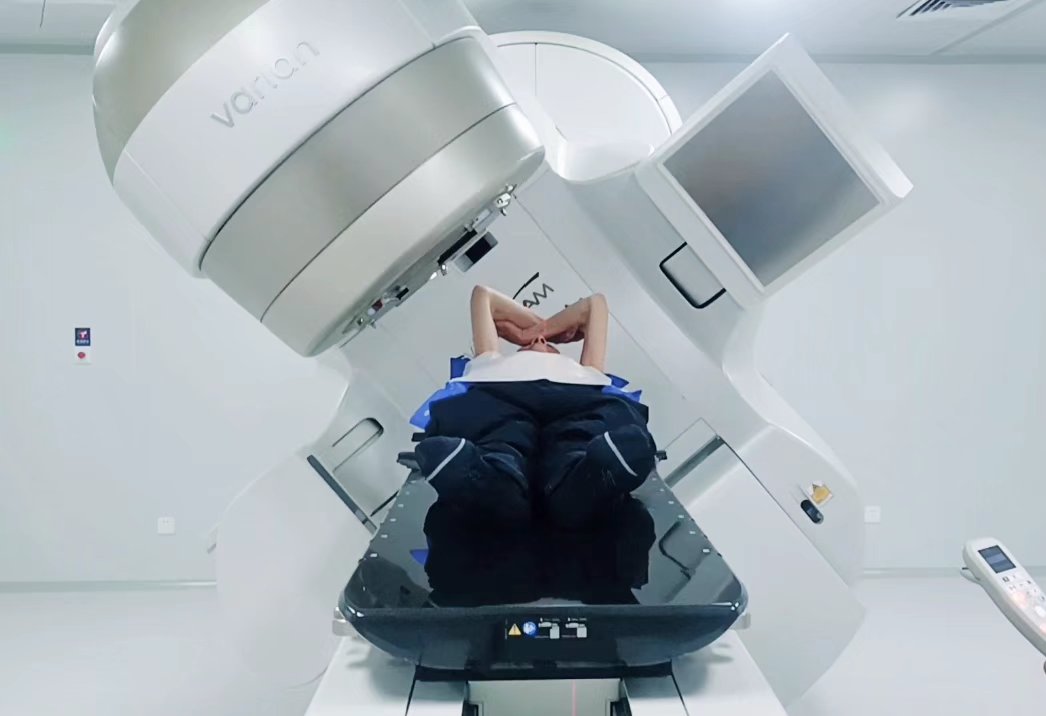
As a novel radiotherapy modality, heavy ion radiotherapy possesses unique physical and biological advantages:
1. Heavy ions deliver higher energy to tissues over the same penetration distance compared to conventional radiation beams.
2. Energy is rapidly released only at the tumor site, minimizing damage to surrounding healthy tissues.
3. Tumor cell killing is independent of cell cycle phase and oxygenation status.
4. It induces double-strand breaks in tumor cell DNA, preventing cell division and proliferation.
5. It generates distinctive immunoenhancing effects, abscopal effects, and bystander effects.
6. It exhibits higher relative biological effectiveness (RBE).
7. It causes less pain and fewer complications.
Compared to conventional photon radiotherapy, carbon ion therapy demonstrates superior efficacy with fewer adverse reactions.
Excellent local control: The local control rate for early-stage non-small cell lung cancer reaches 90%
For heavy ion radiotherapy in stage I non-small cell lung cancer (NSCLC), Miyamoto et al. reported a 5-year local control rate of 90% and a 5-year overall survival rate of 68% in 79 patients. Shioyama et al. reported data from 306 patients across four institutions in Japan, with 3-year overall survival, progression-free survival, and local control rates of 83.6%, 69.4%, and 88.6%, respectively.
For stage II-III NSCLC treated with heavy ion radiotherapy, Karube et al. reported outcomes in 64 patients from three centers, showing a 2-year overall survival rate of 62.2%, a 2-year progression-free survival rate of 42.3%, and a 2-year local control rate of 81.8%. Hayashi et al. reported results in 32 patients over 80 years old with stage II-III disease, with 2-year local control, progression-free survival, and overall survival rates of 83.5%, 46.7%, and 68.0%, respectively.
Compared to the excellent efficacy of heavy ion radiotherapy, conventional photon radiotherapy—such as the RTOG 9410 study, which included 610 stage III NSCLC patients treated with photon radiotherapy plus concurrent chemotherapy—demonstrated a median survival of only 15.6 months and a 5-year survival rate of just 13%.
Heavy ion radiotherapy shows significantly superior outcomes for locally advanced non-small cell lung cancer compared to other radiotherapy modalities.
Case sharing
Case 1
The patient, a 48-year-old female from Tongchuan, Shaanxi, was found on a chest CT in May 2021 to have a space-occupying lesion in the right lower lobe of the lung. A PET-CT scan at an out-of-province hospital indicated a lesion in the basal segment of the right lower lobe with increased glucose metabolism, suggestive of lung cancer. A bronchial biopsy revealed poorly differentiated carcinoma, considered to be lung adenocarcinoma. Genetic testing showed an EGFR exon 21 L858R mutation. After ruling out contraindications for radiotherapy, the patient began carbon ion radiotherapy in July 2021, concurrently taking the targeted drug osimertinib orally.
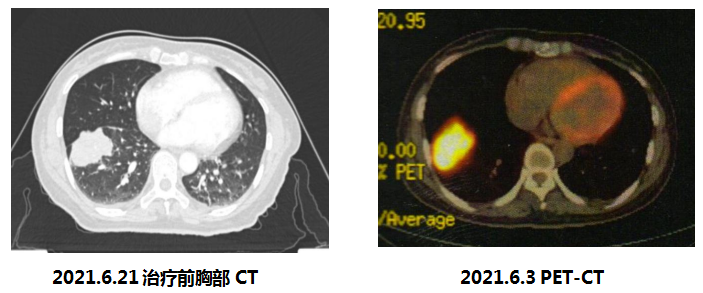
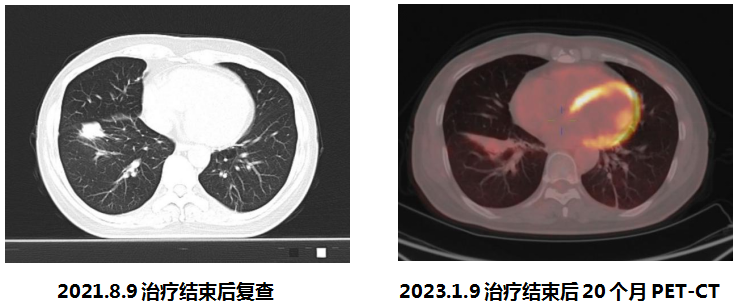
After treatment, the patient experienced no discomfort such as chest tightness, shortness of breath, or coughing. The tumor showed significant shrinkage post-treatment, with the efficacy evaluated as a partial response (PR). The patient has now completed 20 months of follow-up without any recurrence or metastasis of the tumor.
Case 2
The patient, a 68-year-old male from Qingyang, Gansu, presented with a chest CT in October 2022 showing partial bronchial stenosis and occlusion in the left lower lobe with an abnormally enhanced mass. Transbronchial needle biopsy revealed (left lower lobe dorsal segment mucosal tissue) non-keratinizing squamous cell carcinoma. Genetic testing showed no mutations. Diagnosis: Malignant tumor of the left lower lobe (squamous cell carcinoma), secondary malignant tumor of mediastinal lymph nodes, secondary malignant tumor of hilar lymph nodes, cT2bN3M0 stage IIIB, KPS score: 70. After excluding contraindications for radiotherapy, the patient underwent carbon ion radiotherapy in November 2022, concurrently with two cycles of chemotherapy using "albumin-bound paclitaxel + cisplatin."
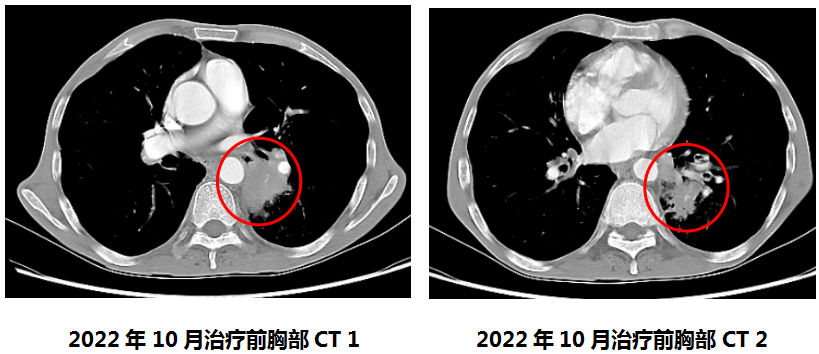

The patient experienced no significant discomfort after treatment. A follow-up examination three months post-treatment showed significant tumor shrinkage compared to before, with the efficacy evaluated as a partial response (PR).
Introduction to Wuwei Heavy Ion Center
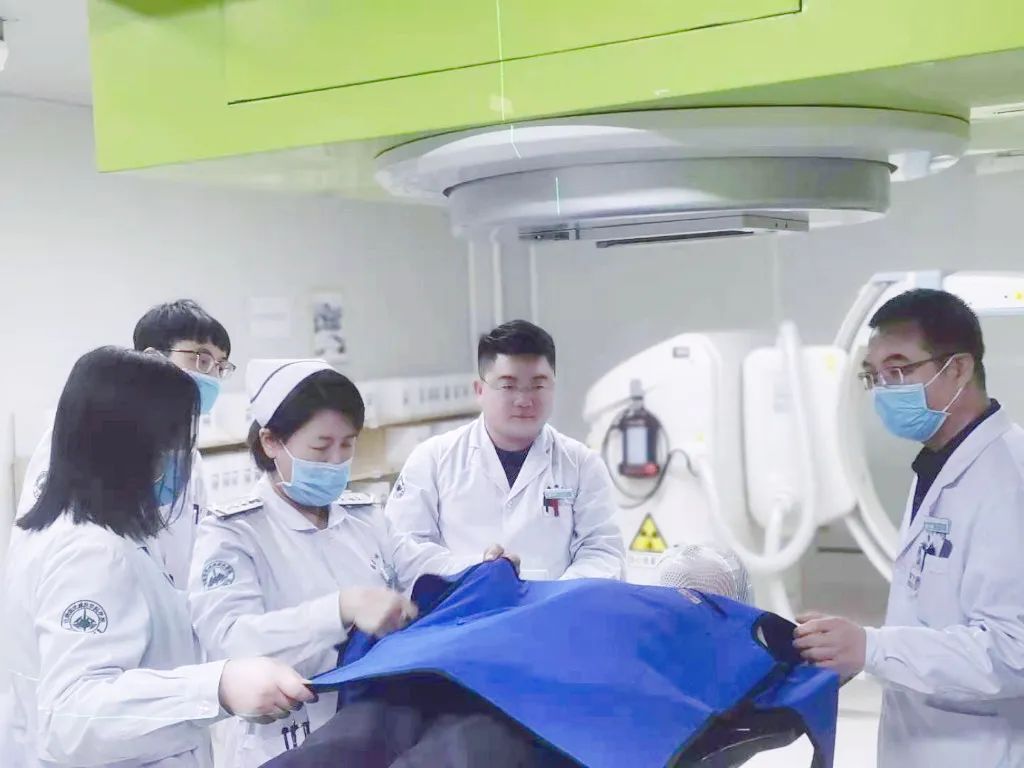
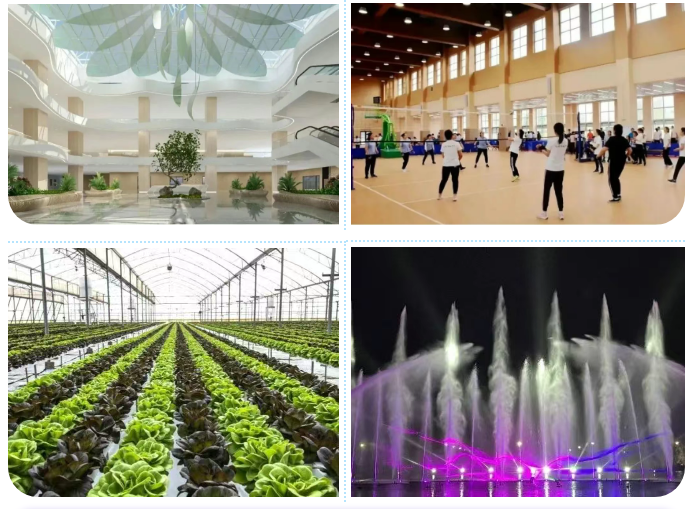
The Heavy Ion Center of Gansu Wuwei Academy of Medical and Science Cancer Hospital is China's first clinical application center for heavy ion therapy systems. Since its official launch in March 2020, it has been successfully operational for three years. To date, our center has treated over 716 patients, achieving excellent therapeutic outcomes for challenging lesions in areas such as the head, pancreas, and lungs, with patients coming from all over the country. Building on the successful three-year operation, the center has established China's first tumor rehabilitation and wellness town, creating a comprehensive, full-life-cycle health management system characterized by integrated tumor treatment, dietary management therapy, psychosomatic health management, traditional Chinese medicine syndrome differentiation therapy, rehabilitation physiotherapy, bio-immune cell therapy, agritherapy, and cultural therapy.


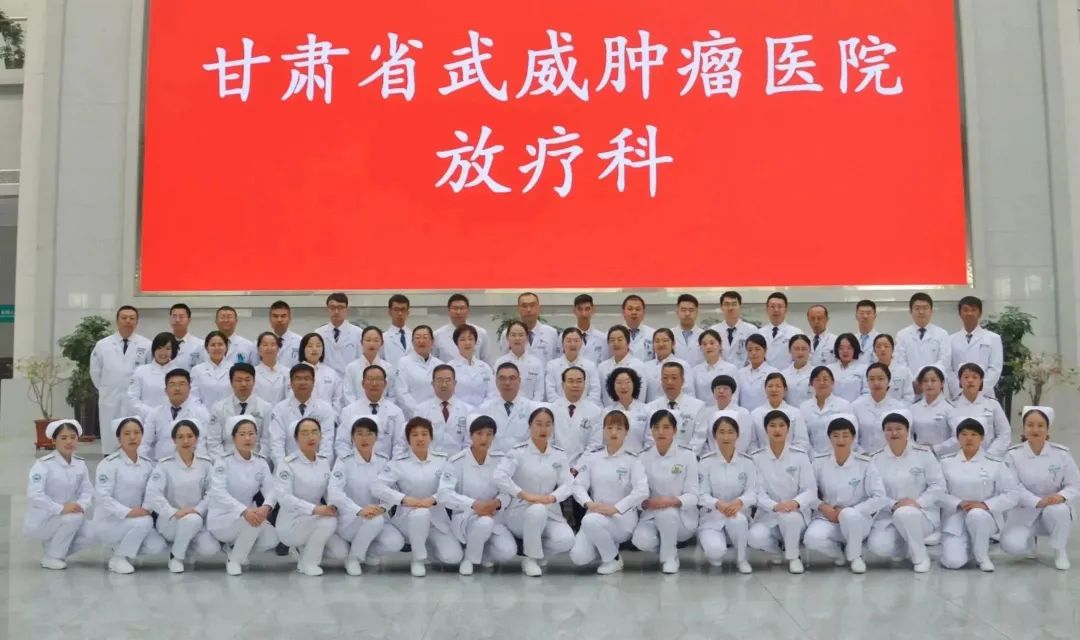
Introduction to Department of Radiation Therapy II
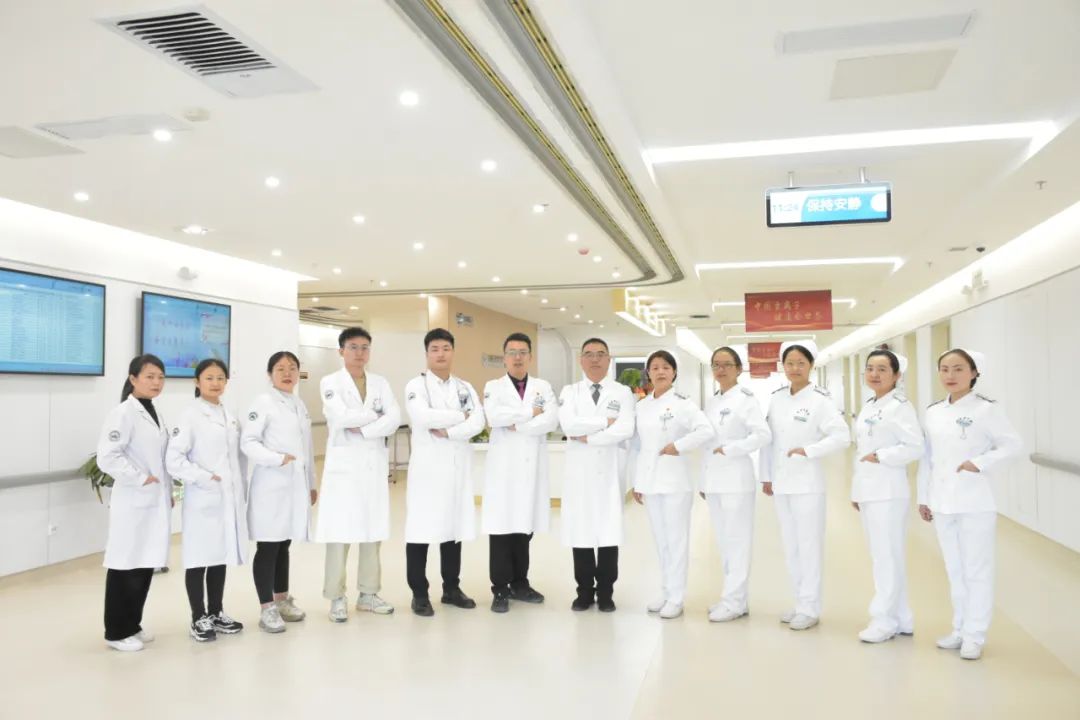
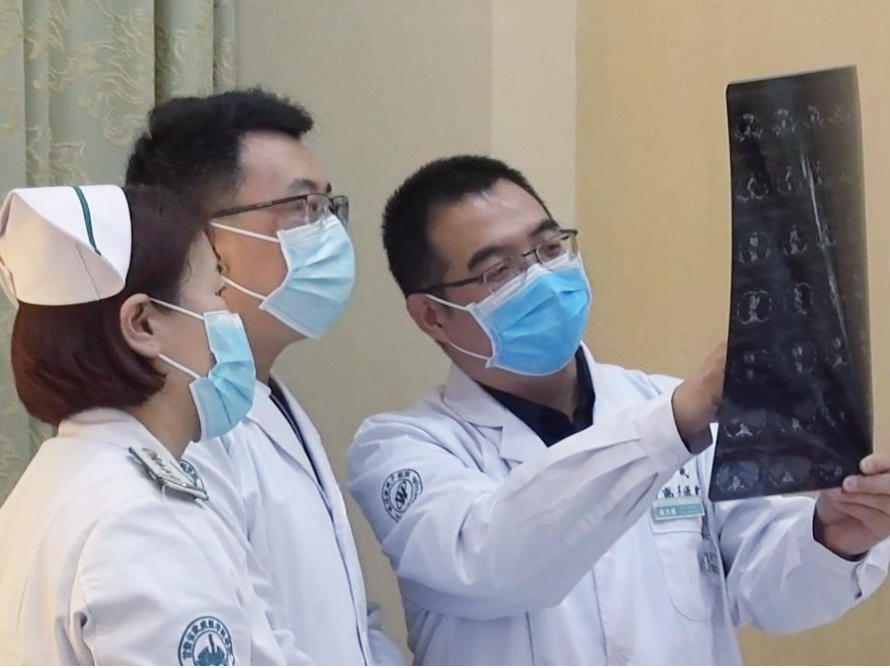
The Department of Radiotherapy II specializes in heavy ion and photon radiotherapy for thoracic tumors and bone and soft tissue tumors. As a distinctive specialty integrating medical treatment, teaching, and research, our department focuses on radiotherapy for cancers such as lung cancer, esophageal cancer, thymic cancer, breast cancer, bone tumors, and soft tissue tumors. The department currently has 1 chief physician, 1 associate chief physician, 2 attending physicians, 3 resident physicians, and 9 nursing staff including 1 deputy chief nurse, 1 senior nurse, and 7 nurses. We have appointed Professor Qu Baolin from Beijing 301 Hospital and Professor Wei Shihong from Gansu Provincial Cancer Hospital as guest professors. Under the long-term guidance of Professor Yee-Min Jen and Professor Jia-Ming Wu from Taiwan, we conduct clinical work, research, and teaching. Our department has won 3 provincial second prizes and 5 municipal first and second prizes for scientific and technological progress, and has published over 30 academic papers. Our staff have received advanced training at renowned domestic and international cancer centers, including the German RPTC Center, the Cancer Hospital of the Chinese Academy of Medical Sciences, Shanghai Proton and Heavy Ion Center, Beijing 301 Hospital, Peking University Third Hospital, Sichuan Provincial Cancer Hospital, and Zhejiang Provincial Cancer Hospital. The department offers the most advanced radiotherapy techniques both domestically and internationally, including heavy ion therapy, stereotactic radiotherapy, SRS/SABR/SBRT, rotational/static intensity-modulated conformal radiotherapy, image-guided radiotherapy, three-dimensional conformal radiotherapy, three-dimensional brachytherapy, and hyperthermia. With a strong professional technical team, scientifically rigorous quality management, and outstanding therapeutic outcomes in comprehensive cancer treatment, our department has earned high praise from patients for its treatment standards, medical quality, and ethical conduct. We are committed to serving patients with exquisite medical skills, high-quality service, and noble medical ethics.