
Bone Marrow Metastatic Cancer: The "Uninvited Guest" in Your Body
Bone Marrow Metastatic Cancer: The "Uninvited Guest" in Your Body
When people mention cancer, many think of common tumors in the lungs, stomach, breast, liver, or gallbladder. But did you know? Cancer cells can also "travel" to the bone marrow—this is what we call Bone Marrow Metastatic Cancer (BM-Ca).
What is Bone Marrow Metastatic Cancer?
Simply put, BM-Ca does not originate in the bone marrow. Instead, cancer cells from other parts of the body migrate through the bloodstream or lymphatic system to the bone marrow, where they take root and grow. It’s like weeds spreading from elsewhere into a garden, crowding out space meant for healthy cells.
Common cancers prone to metastasizing to the bone marrow include:
● Breast cancer
● Prostate cancer
● Lung cancer
● Gastric cancer
● Colorectal cancer
● Apocrine carcinoma
Once these cancer cells invade the bone marrow, they disrupt its normal functions.
What Signals Might Your Body Send?
The bone marrow’s primary role is producing blood cells (red blood cells, white blood cells, and platelets). When cancer cells invade, these functions are impaired, leading to symptoms such as:
1.Anemia: Frequent dizziness, fatigue, and pale skin due to reduced red blood cell production.
2.Bleeding tendency: Gum bleeding or unexplained bruising caused by low platelet counts.
3.Recurrent infections: Weakened immunity increases susceptibility to colds, wounds, or inflammation due to impaired white blood cell production.
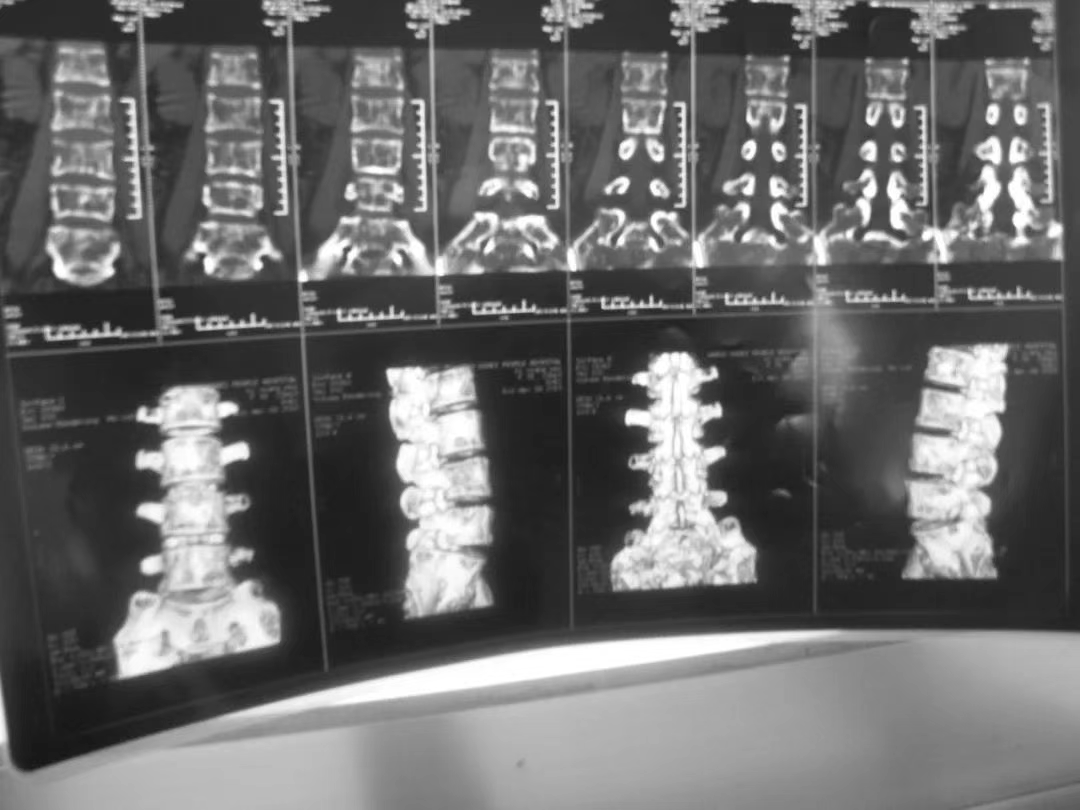
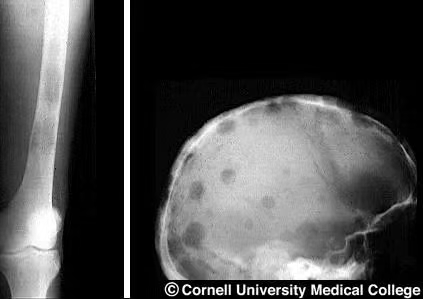
4.Bone pain: Cancer cells destroy bone tissue, causing generalized or localized pain (e.g., back, limbs), worsened by movement, and potentially leading to pathological fractures.
How Is It Diagnosed?
If you have a history of cancer or experience the symptoms above, the following tests can confirm BM-Ca:
1.Blood tests:Complete blood count (to assess red/white blood cells and platelets).Liver/kidney function and calcium levels.
2.Bone marrow aspiration or biopsy:This is the gold standard for diagnosis.Sometimes, multiple biopsies or an experienced hematologist’s intervention is needed (especially for sternal puncture).
Bone marrow smear: cancer nests of metastatic carcinoma in bone marrow
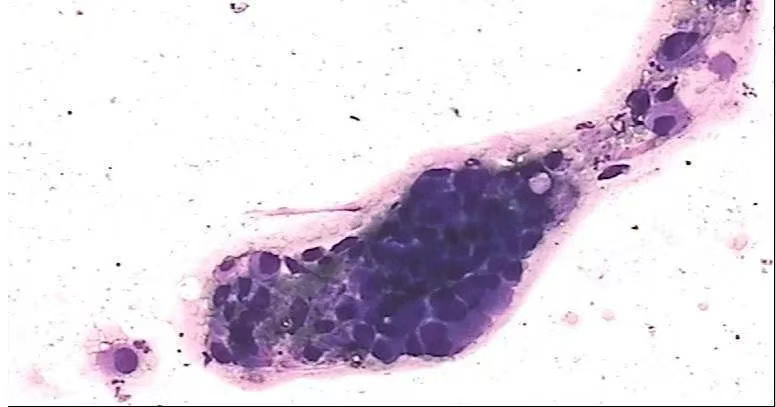
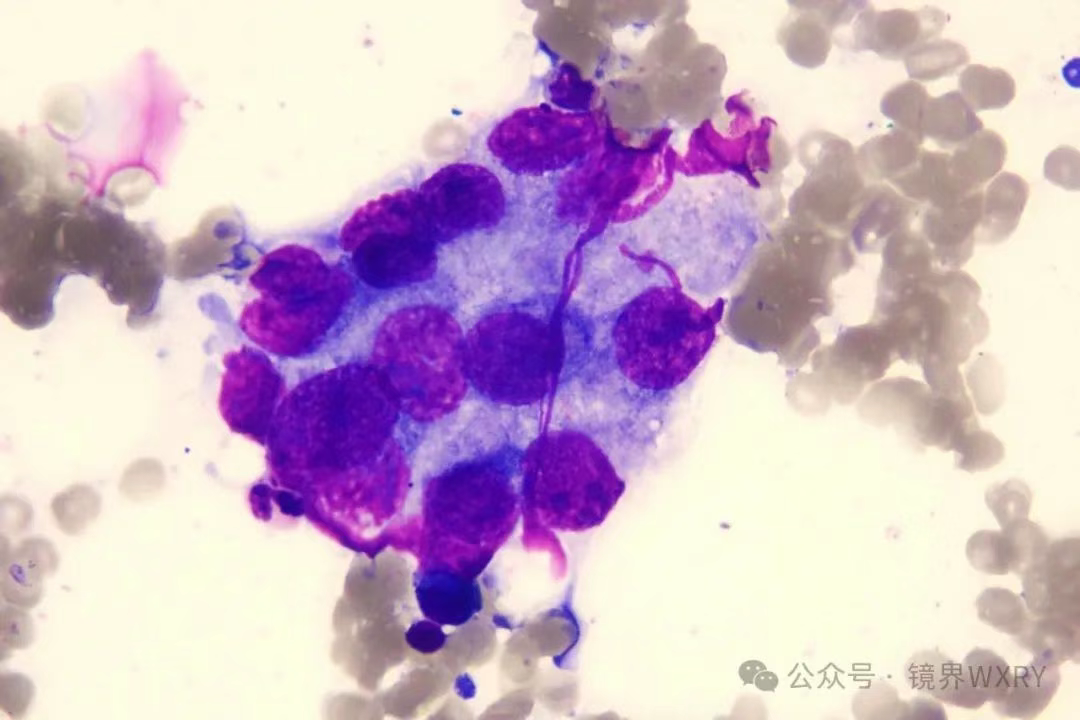
Bone Marrow Cytomorphology Report

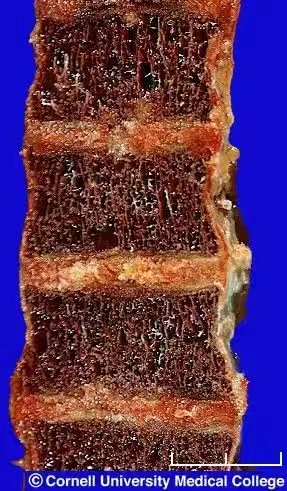
3. Imaging examinations: such as bone scan, CT or MRI, and PET/CT, can identify sites of bone destruction.
What to Do If Diagnosed with Bone Marrow Metastatic Cancer?
While it sounds daunting, bone marrow metastatic cancer is not untreatable. The primary treatment goals are to:
● Control cancer growth
● Alleviate symptoms
● Improve quality of life and survival
● Extend survival time
Common Treatment Approaches
1.Targeting the Primary CancerExample: For breast cancer metastasized to bone marrow, use breast cancer-specific chemotherapy or targeted drugs (treating the root cause).
2.Symptom ManagementAddress anemia, low platelets, or leukopenia with supportive medications.Use pain relievers (e.g., opioids) or bone-modifying agents (e.g., bisphosphonates) for bone pain.
3.Supportive CareNutritional support: High-protein diets, calcium, and vitamin D supplementation.Adequate rest: To enhance immune resilience.
4.Preventing ComplicationsBisphosphonates (e.g., zoledronic acid) or denosumab to strengthen bones, reduce fracture risk, and inhibit bone destruction.
5.Localized Radiation Therapy (RT)Precise targeting of metastatic lesions to control pain and halt tumor progression.
Critical Reminders
⚠️ Early Action Saves Lives
⚠️ Listen to Your Body
? Mindset Matters
Medical Oncology/Hematology Department
Professional Team
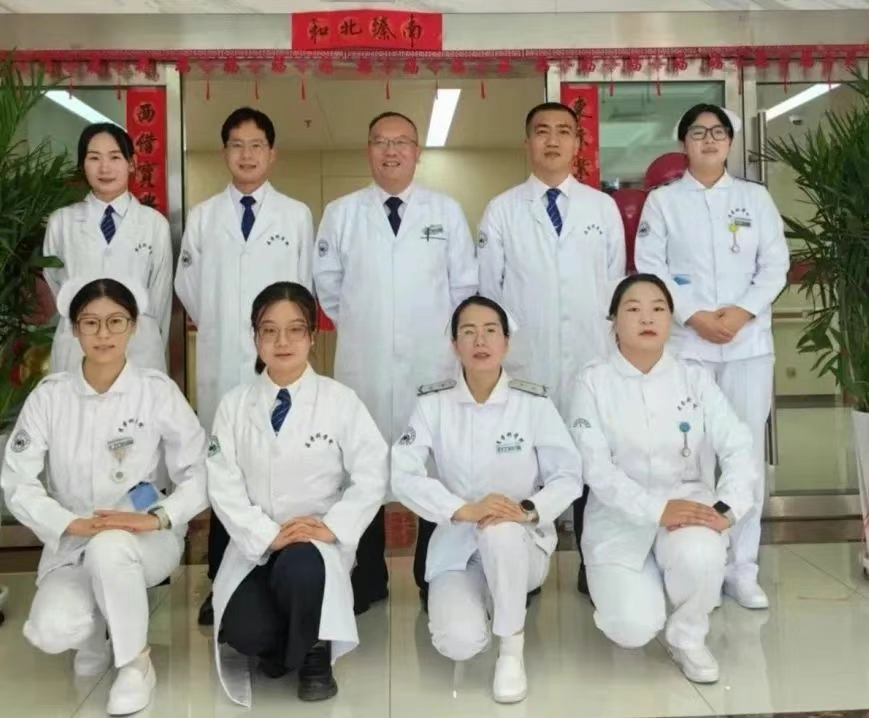
The department boasts an elite team of healthcare professionals. The medical team includes distinguished experts Professor Bai Hai and Professor Ming Pan, both holding the title of Chief Physician, Class I. Renowned in the field for their profound academic expertise and extensive clinical experience, they provide a solid foundation for the department’s diagnostic and therapeutic excellence. The department maintains a well-structured talent echelon and continuously refines its talent development mechanisms to ensure high-quality, multi-tiered medical services. The nursing team delivers comprehensive, meticulous care with a strong sense of responsibility and professional skill, prioritizing patient comfort and safety throughout treatment
Scope of Services
The department specializes in the precision diagnosis and treatment of benign and malignant hematological diseases and solid tumors. It demonstrates significant expertise in managing refractory/relapsed hematological disorders and complex solid tumors. Key focus areas include:
Hematological diseases: Leukemia, lymphoma, multiple myeloma, and various anemias.
Diagnostic and Therapeutic Technologies
1.Diverse Treatment ModalitiesEmploys internationally advanced approaches, including:Chemotherapy, targeted therapy, immunotherapy, endocrine therapy.Supportive care, cellular therapy (e.g., CAR-T), and integrated Chinese-Western medicine.Develops personalized comprehensive plans tailored to individual patient conditions for optimal outcomes.
2.Precision DiagnosticsUtilizes MICM integrated typing (Morphology, Immunology, Cytogenetics, Molecular genetics) via the advanced Hematology Center Laboratory.Techniques include:Bone marrow morphology/pathology, flow cytometry, and genetic testing.Enables accurate disease classification and individualized treatment strategies.
3.Laminar Flow Wards SupportEquipped with laminar flow wards featuring HEPA filtration systems.Critical for high-risk procedures (e.g., high-dose chemotherapy, hematopoietic stem cell transplantation).Minimizes infection risks and ensures a safe therapeutic environment.
Department Expert Profiles

Chief Physician Pan Ming
Director, Medical Oncology/Hematology Department & Hematology Center Laboratory, Lanzhou Heavy Ion Center, Gansu Wuwei Tumor Hospital.
● Title: Class-I Chief Physician (Integrated Chinese-Western Medicine)
● Honors:Gansu Famous Traditional Chinese Medicine PractitionerLeading Talent of Gansu Health CommissionDirector of Gansu Provincial Key Medical Discipline (Hematology)Outstanding Science Worker of Gansu ProvinceOutstanding CPC Member in Gansu Healthcare SystemRecipient of Gansu "May 1st" Labor Medal and Gansu Model WorkerGovernment High-Level Talent Allowance Recipient
Clinical Expertise:
42 years of experience in integrated Chinese-Western internal medicine, hematology, and hematopathology research. Specializes in:
● Blood disorders: Anemias, aplastic anemia, hemolytic diseases, leukemia, lymphoma, multiple myeloma, MDS, MPN, bone marrow metastatic cancer, thrombocytopenia, thrombosis/hemorrhage, TTP, HSP, DIC.
● Bone marrow cytomorphology analysis, hematopoietic stem cell transplantation.
● Integrated approaches for complex internal medicine cases.
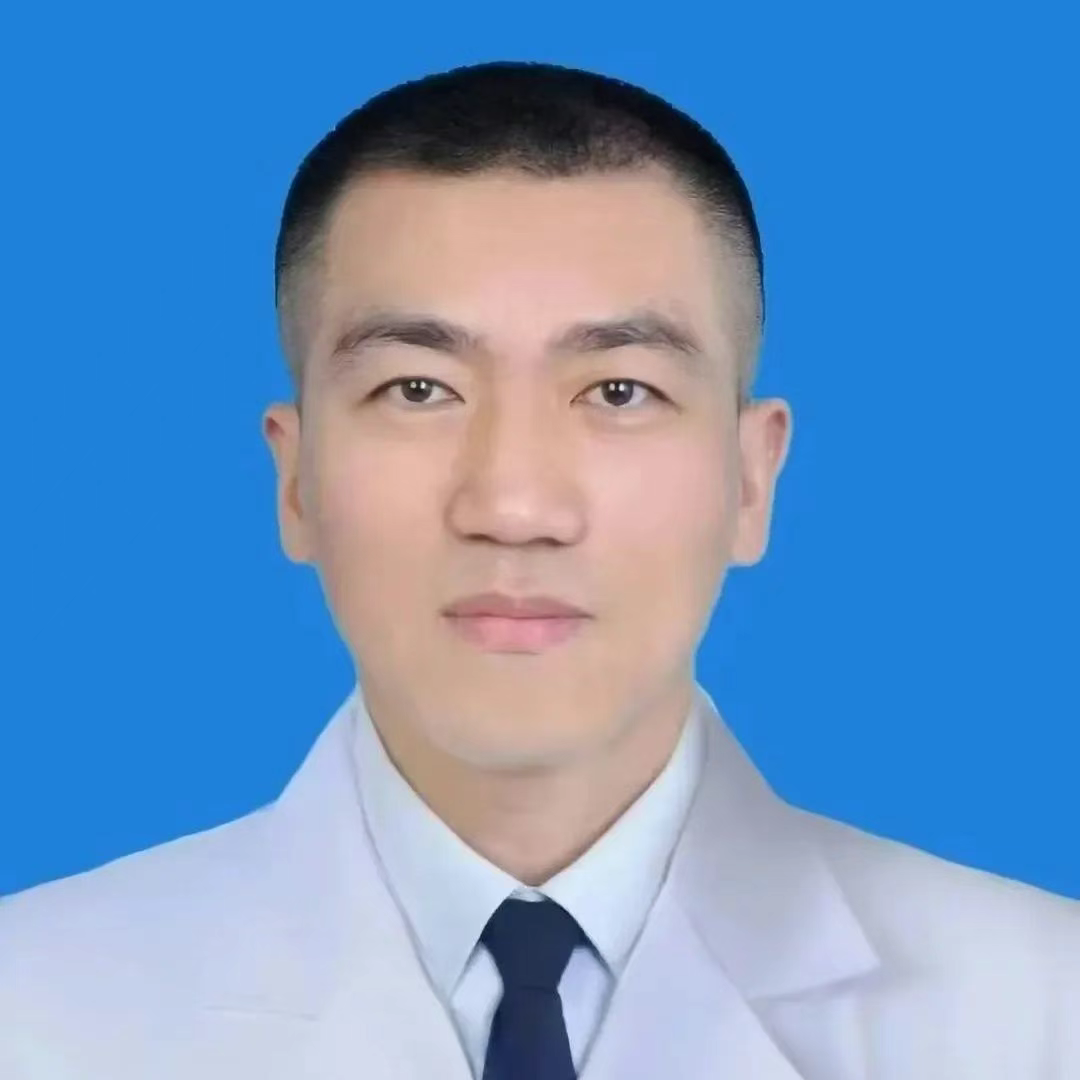
Deputy Chief Physician Ding Jianhua
Deputy Director, Medical Oncology/Hematology Department, Lanzhou Heavy Ion Center, Gansu Wuwei Cancer Hospital.
Clinical Focus:
● Precision diagnosis of hematologic malignancies using MICM typing (Morphology-Immunology-Cytogenetics-Molecular).
● Personalized treatment via multidisciplinary strategies:Chemotherapy/radiotherapy, targeted therapy, immunotherapy, cellular therapy (e.g., CAR-T).
● Diseases managed:Hematologic: Leukemia, lymphoma, multiple myeloma, anemias.Solid tumors: Lung, gastric, colorectal, and breast cancers.
● Extensive experience in managing oncology complications.
● Published 10+ peer-reviewed research papers.

