
Because of You, "Pancreas" Peace
Because of You, "Pancreas" Peace
1. What is pancreatic cancer, and what should I do if I have it?
Pancreatic cancer is a malignant tumor that develops in the pancreas and is known as the "king of cancers." It is a highly lethal digestive tract tumor with extremely high malignancy. The pancreas is located behind the peritoneum, in front of the lumbar vertebrae, making it a rather concealed organ. It is surrounded by the duodenum and stomach, with a complex structure. As a result, early-stage pancreatic cancer generally does not present obvious discomfort symptoms. By the time clinical symptoms such as pain appear, most patients are already in the advanced stages of pancreatic cancer, having lost the opportunity for curative surgery, with a short survival period and particularly poor prognosis. Over the past decade, the global incidence of pancreatic cancer has nearly doubled. After being diagnosed with pancreatic cancer, it is important to maintain a positive attitude, seek specialized treatment at reputable hospitals, and strive to extend survival time while ensuring quality of life.
2. What is the traditional treatment for pancreatic cancer?
The standard treatment for early-stage pancreatic cancer is surgical resection. However, due to the pancreas's deep anatomical location and complex structure, radical surgery for pancreatic cancer is extremely challenging, often resulting in poor postoperative quality of life for patients. Even when performed by experienced surgeons, the five-year survival rate after radical resection remains below 20%. For patients who are not candidates for surgery, radiotherapy and chemotherapy are conventional treatment options. However, the stomach, duodenum, and small intestine surrounding the pancreas are all radiation-sensitive organs. When radiation doses are increased, the risk of ulceration and perforation significantly rises, limiting the achievable radiation dose and thus reducing its effectiveness against pancreatic cancer. Additionally, pancreatic tumors are highly hypoxic, which makes them resistant to conventional photon radiotherapy and chemotherapy, further diminishing treatment efficacy.
3. Why are heavy (carbon) ions particularly suitable for treating pancreatic cancer?
To develop more advanced radiotherapy techniques, scientists have conducted continuous research and experiments, discovering that carbon ions offer unique radiophysical and biological advantages in cancer treatment. Carbon ion therapy has shown significantly better efficacy against pancreatic cancer while causing fewer side effects. Carbon ion beams are high-energy radiation that delivers direct ionization within the Bragg peak region, inducing massive DNA double-strand breaks in tumor cells and effectively killing hypoxic cancer cells. Moreover, when the carbon ion beam reaches the end of its range, it releases all its energy at the Bragg peak, precisely targeting the tumor while sparing the surrounding intestinal tract and stomach. This markedly reduces the risk of ulceration and perforation, improves patient comfort during treatment, and significantly shortens hospital stays (typically requiring only 12 sessions for pancreatic cancer treatment with carbon ions).
4. How effective is (carbon) ion therapy for pancreatic cancer?
Japan was the first country to apply carbon ion therapy for pancreatic cancer. The National Institute of Radiological Sciences (NIRS) in Japan reported that the median survival time for pancreatic cancer patients treated with carbon ions reached an impressive 25.9 months, significantly outperforming conventional photon radiotherapy and chemotherapy—surpassing even the survival rate of early-stage pancreatic cancer treated with surgery (22.1 months).
Carbon ion therapy is suitable for pancreatic cancer patients at all stages, including:
- Early-stage patients who refuse surgery due to high surgical risks;
- Patients who cannot undergo surgery for other reasons;
- Locally advanced pancreatic cancer patients, who can opt for radical carbon ion radiotherapy;
- Advanced-stage pancreatic cancer patients experiencing pain or compression symptoms, who can receive palliative carbon ion radiotherapy to relieve symptoms and improve quality of life;
- Postoperative or post-chemoradiotherapy recurrence cases;
- Metastatic pancreatic cancer involving lymph nodes, liver, lungs, brain, or bones, where palliative carbon ion therapy can be applied.
5. Why should you choose the Department of Radiation Oncology 1 at Wuwei Cancer Hospital?
Wuwei Cancer Hospital's Heavy Ion Center is home to China's first domestically developed heavy ion accelerator currently in operation and represents the northwest's first heavy ion therapy facility, having established a comprehensive set of technical protocols for heavy ion irradiation. The Department of Radiation Oncology specializes in heavy ion and photon radiotherapy for abdominal and pelvic tumors, including pancreatic cancer, liver cancer, colorectal cancer, and prostate cancer. Since its opening, the center has attracted pancreatic cancer patients from across China, having treated over 80 such cases nationwide. The one-year local control rate has reached an impressive 90%, demonstrating clear therapeutic efficacy and a positive patient experience. These results match or even exceed data from some global heavy ion therapy centers, earning widespread recognition from leading domestic and international experts as well as patients.
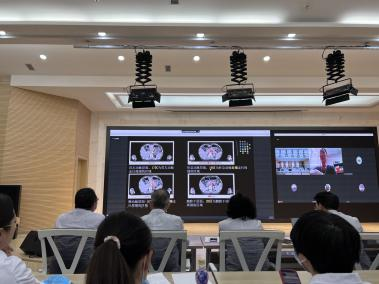
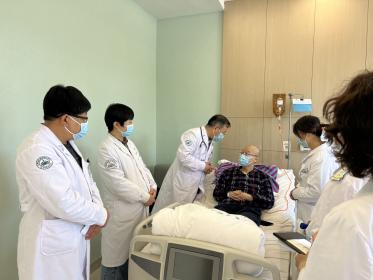
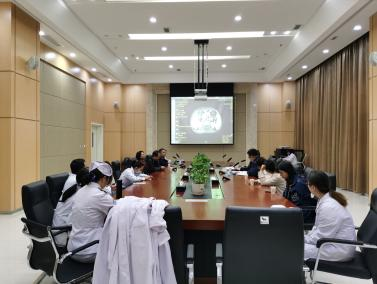
Expert MDT consultation and ward round for pancreatic cancer patients before treatment
Case 1
Male patient Zhang XX, 56 years old. Main complaints: intermittent distending pain in the upper abdomen for 8 months, nausea and vomiting for 10 days. Admission evaluation: Abdominal MRI (December 2020) showed a mass in the pancreatic uncinate process and surrounding mesenteric arteries and veins, with invasion and occlusion of the superior mesenteric vein, as well as compression and stenosis of the horizontal part of the duodenum. Clinical diagnoses: 1. Adenocarcinoma of the pancreatic uncinate process; 2. Obstruction of the horizontal part of the duodenum; 3. Severe malnutrition; 4. Gastric retention.
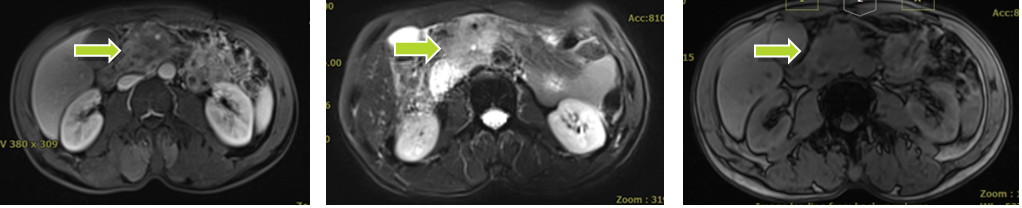
Pancreatic lesion in a patient before carbon ion therapy
Treatment process
Due to the pancreatic lesion compressing the horizontal part of the duodenum, causing high-level gastrointestinal obstruction, which led to gastric retention and postprandial vomiting, the patient underwent nasojejunal tube placement and gastrointestinal decompression upon admission. After ensuring adequate nutritional support and gastric emptying, carbon ion therapy was initiated on December 29, 2020, with a total dose of 55.2Gy (RBE) delivered in 12 fractions. By the 7th treatment session, the pain was significantly relieved, and tumor markers showed a marked decline during the course of treatment. One month after completing therapy, the patient regained normal dietary intake, with noticeable tumor shrinkage. By the 6-month follow-up, the tumor had undergone necrosis with complete disappearance of metabolic activity.
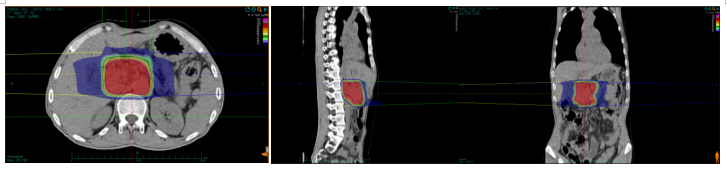
Carbon Ion Therapy Target Planning for Pancreatic Cancer
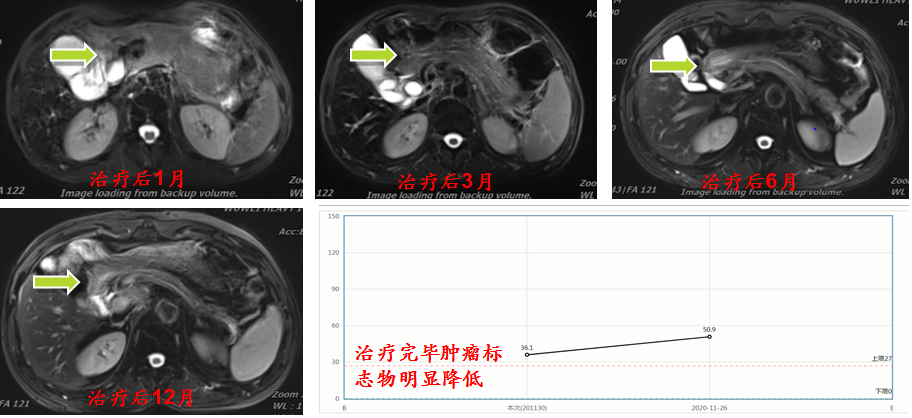
Evaluation of the curative effect of carbon ion therapy on pancreatic cancer
Case 2
Male patient Wang XX, 81 years old. Chief complaint: epigastric distension and pain for 3 months. Admission assessment: Abdominal MRI showed a 5.4x4.7cm mass in the pancreatic body (tumor-like lesion, possible pancreatic cancer), with partial encasement of the splenic artery and possible involvement of the adjacent lesser curvature of the stomach. Clinical diagnosis: adenocarcinoma of the pancreatic body.
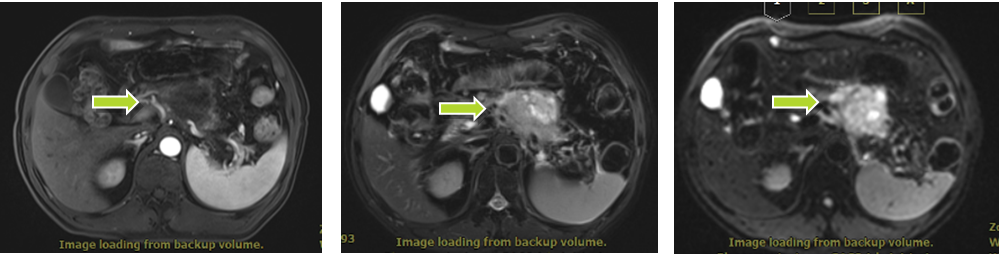
Pancreatic cancer lesion before carbon ion therapy (5.4x4.7 cm)
Treatment process
Carbon ion therapy was administered from June 24, 2021, for a total of 12 sessions. Pain relief began after the 5th session and completely resolved by the end of treatment. Three months post-treatment, the pancreatic lesion showed significant shrinkage, and by 9 months after treatment, the pancreatic body tumor had completely disappeared. The patient experienced a comfortable treatment course, maintained normal eating, achieved rapid pain relief, and demonstrated remarkable therapeutic efficacy.
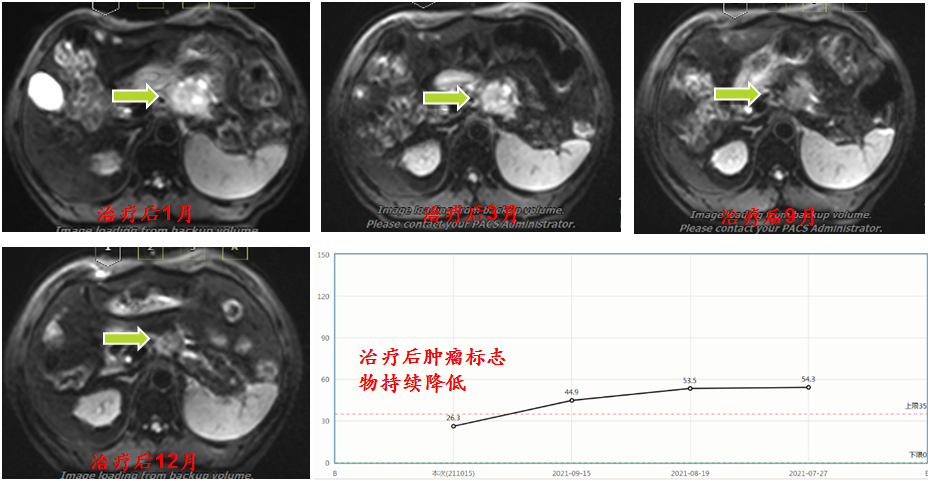
Evaluation of the Therapeutic Effect of Carbon Ion Therapy on Pancreatic Cancer
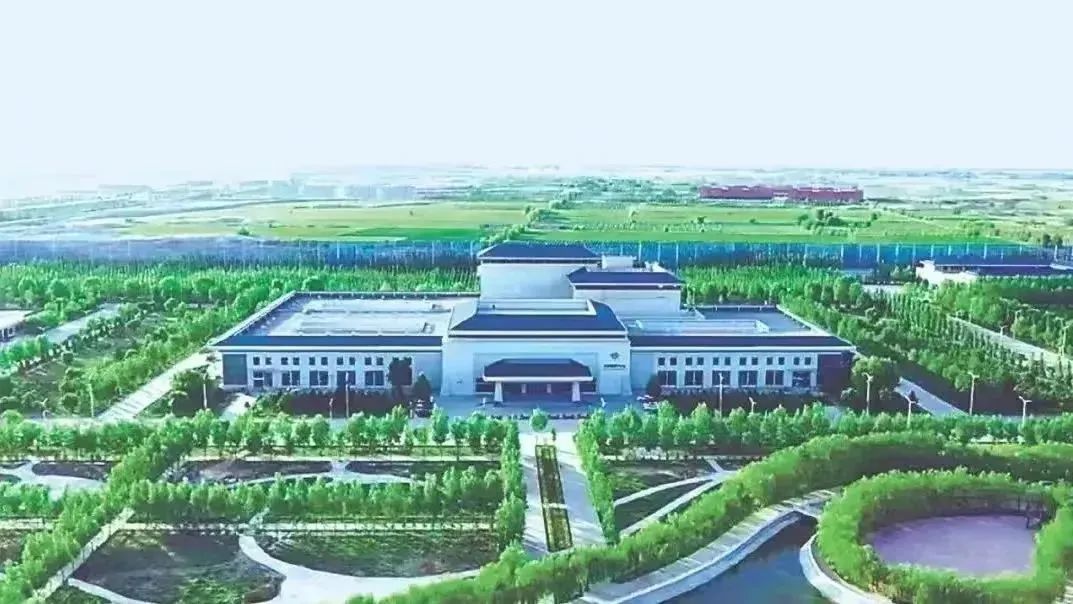
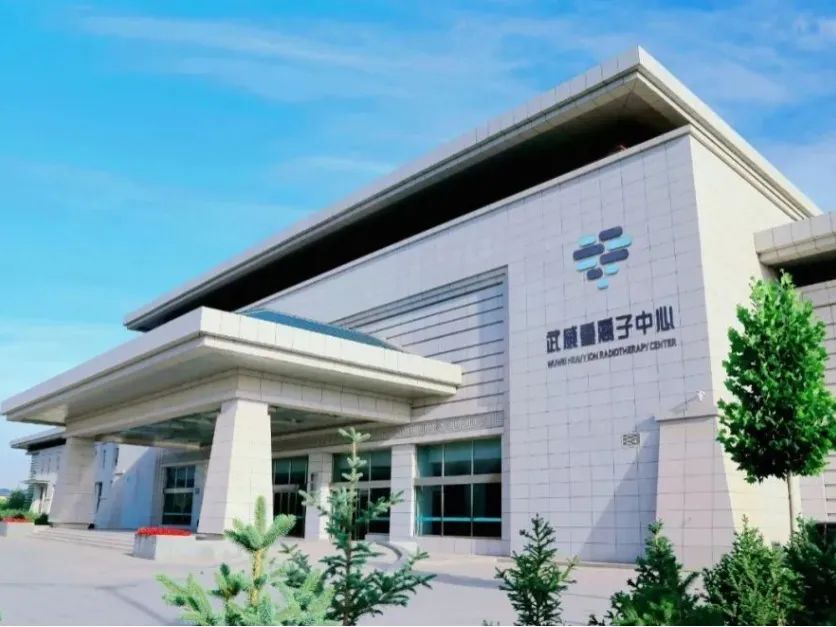
Introduction to Wuwei Heavy Ion Center
Wuwei Medical Science Institute Cancer Hospital's Heavy Ion Center is China's first clinical application center for heavy ion therapy systems. Since its official clinical operation in March 2020, the center has been successfully running for three years. To date, we have treated over 700 patients, achieving excellent therapeutic outcomes for complex lesions in the head, pancreas, lungs, and other body parts, with patients coming from all regions of China. Building upon the successful three-year operation, the center has established China's first cancer rehabilitation town, creating a comprehensive, full-life-cycle health management system featuring integrated tumor treatment, dietary management therapy, psychosomatic health management, traditional Chinese medicine syndrome differentiation treatment, rehabilitation physiotherapy, bio-immune cell therapy, agritherapy, and cultural therapy.





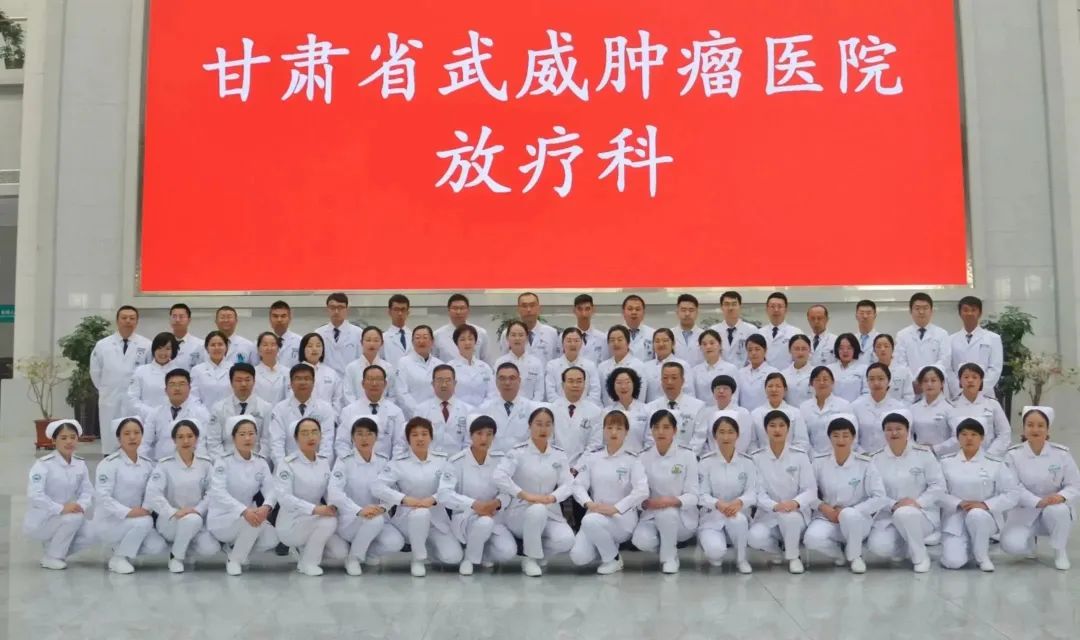
Introduction to Department of Radiotherapy I

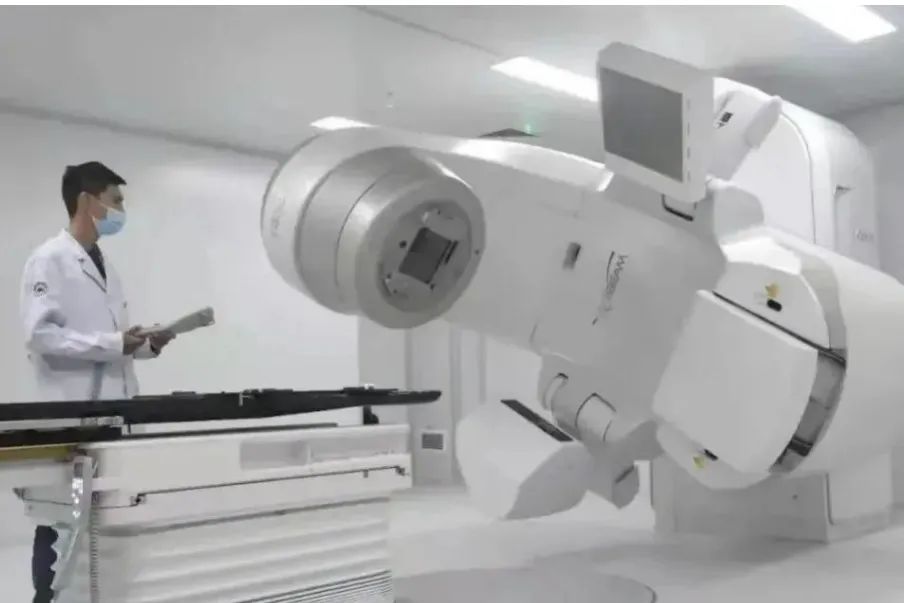
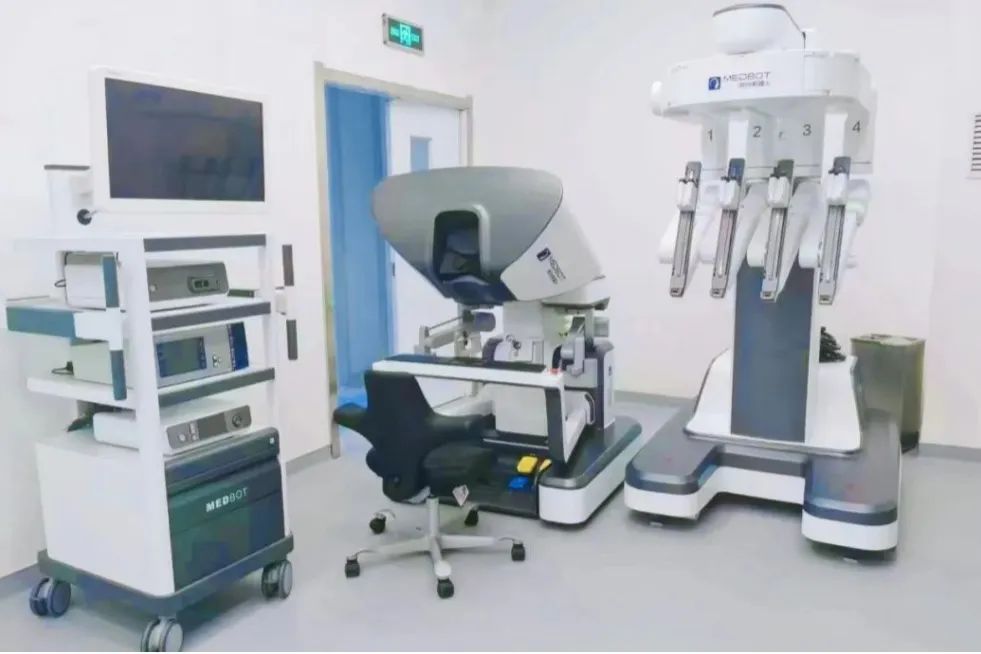
The Department of Radiation Oncology, as a specialized unit for radiotherapy of abdominal and pelvic tumors, focuses on carbon ion and photon radiotherapy for abdominal and pelvic tumors including pancreatic cancer, liver cancer, colorectal cancer, and prostate cancer. Since its opening, the department has attracted pancreatic cancer patients from across China, having treated over 80 such cases nationwide. The one-year local control rate has reached an impressive 90%, demonstrating clear therapeutic efficacy and a positive patient experience. These results match or even exceed data from some global heavy ion therapy centers for pancreatic cancer treatment, earning widespread recognition from leading domestic and international experts as well as patients.

