Want to better protect against cancer? Add these foods to your menu
Want to Better Protect Against Cancer? Add These Foods to Your Menu

When you go online, you're bombarded with all kinds of information about anti-cancer foods, making it hard to distinguish truth from falsehood. Are there really foods that can prevent cancer?
As a global leader in cancer prevention research and education, the American Institute for Cancer Research (AICR) has found that while no single food can prevent cancer on its own, a diet rich in vegetables, fruits, whole grains, legumes, and other plant-based foods can help reduce the risk of developing various types of cancer.
On the occasion of the 29th National Cancer Prevention and Control Awareness Week, the editor has selected 10 common foods from the recently updated list of 20 anti-cancer foods by the American Institute for Cancer Research (AICR) for your reference.
Note:
Anti-cancer Level 1: Strong evidence supports their anti-cancer effects.
Anti-cancer Level 2: May have preventive effects against these cancers.

01 Apple
Apples are rich in dietary fiber and vitamin C. A single apple provides about 10% of the daily recommended intake of both dietary fiber and vitamin C. The gut microbiota can also utilize pectin from dietary fiber to produce compounds that are beneficial to cells.
Anti-cancer Level 1: Colorectal cancer
Anti-cancer Level 2: Oropharyngeal cancer, laryngeal cancer, lung cancer

02 Asparagus
Although it's a common misconception and an overstatement that asparagus can prevent or cure cancer, this non-starchy vegetable is rich in beneficial compounds such as flavonols, inulin, saponins, and folate, all of which may help reduce the risk of cancer.
Anti-cancer Level 1: Digestive tract cancers (including cancers of the mouth, pharynx and larynx, esophagus, lung, stomach, and colorectum)
Anti-cancer Level 2: Estrogen receptor-negative (ER-) breast cancer, bladder cancer

03 Broccoli and Other Cruciferous Vegetables
Among cruciferous vegetables, broccoli is the most well-known, followed by Brussels sprouts, cauliflower, cabbage, broccoli florets (also called Chinese broccoli or gai lan), and turnips.
Cruciferous vegetables are entirely non-starchy. Nearly all of them are rich in vitamin C and manganese, and some dark green varieties also provide vitamin K. Additionally, broccoli, cauliflower, and Chinese broccoli (gai lan) are excellent sources of folate and B vitamins. Broccoli and Brussels sprouts are high in magnesium and good sources of dietary fiber. Broccoli and Chinese broccoli also contain carotenoids such as beta-carotene.
Anti-cancer Level 1: Colorectal cancer
Anti-cancer Level 2: Oropharyngeal cancer, laryngeal cancer, lung cancer
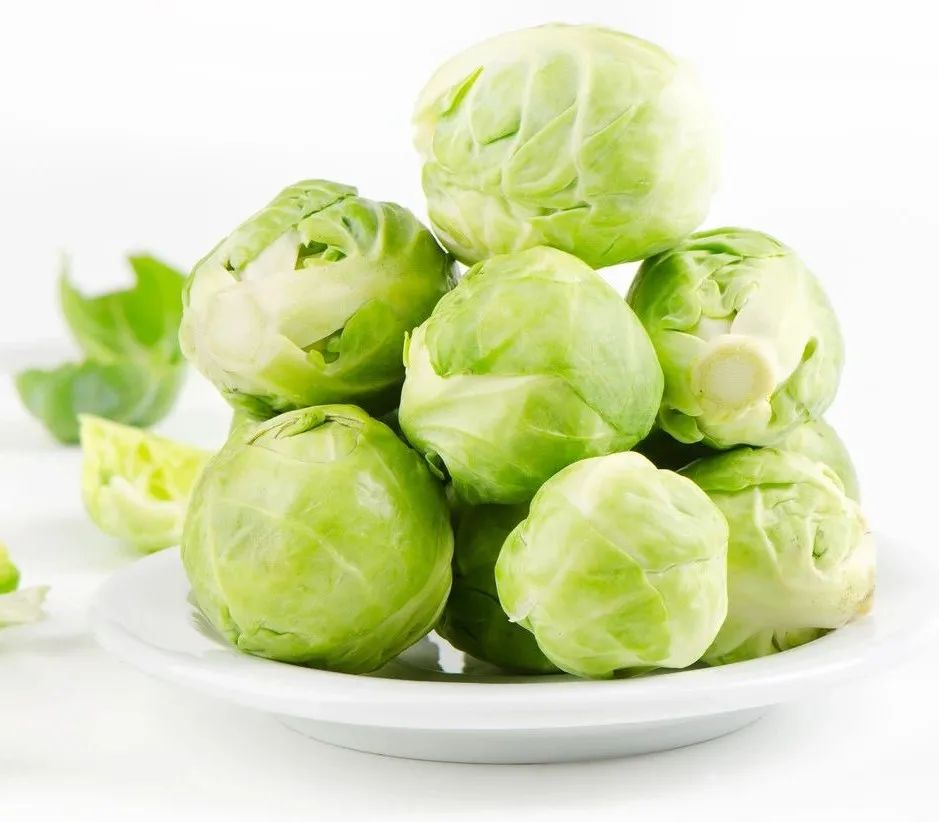
04 Brussels Sprouts
Brussels sprouts are rich in nutrients such as carotenoids, dietary fiber, vitamin C, folate, flavonols, lignans, and glucosinolates, all of which may help prevent cancer. These compounds enhance antioxidant and DNA defense capabilities, and promote healthy cell signaling.
Anti-cancer Level 1: Colorectal cancer (intestinal cancer)
Anti-cancer Level 2: Oropharyngeal cancer, laryngeal cancer, esophageal cancer, lung cancer, stomach cancer, and colorectal cancer

05 Carrots
Carrots contain various antioxidants and other phytochemicals, including:
- Beta-carotene and alpha-carotene, which are important for supporting immune function, maintaining healthy cells, and activating enzymes that help metabolize carcinogens;
- Luteolin, a flavonoid phytochemical shown in laboratory studies to have antioxidant, anti-inflammatory, and anti-cancer properties;
- Falcarinol and other polyacetylenes, which are being studied for their potential anti-inflammatory and other protective effects.
Anti-cancer Level 1: Breast cancer

06 Cauliflower
Cauliflower is rich in vitamin C, folate, and glucosinolates, all of which may help reduce the risk of cancer.
Anti-cancer Level 1: Digestive tract cancers
Anti-cancer Level 2: Oropharyngeal cancer, laryngeal cancer, esophageal cancer, lung cancer, stomach cancer, and colorectal cancer
07 樱桃

07 Cherries
Research suggests that cherries may help relieve headaches and pain associated with arthritis and gouty arthritis. Both tart cherries and sweet cherries are rich in vitamin C, dietary fiber, and the mineral potassium. Tart cherries also contain vitamin A.
Anti-cancer Level 1: Colorectal cancer
Anti-cancer Level 2: Oropharyngeal cancer, laryngeal cancer, lung cancer

08 Beans (Legumes)
Beans, including red beans, kidney beans, mung beans, peas, chickpeas, and fava beans, are rich in dietary fiber, phytochemicals, and plant protein. Currently, beans are often consumed as part of the staple diet, especially when paired with grain-based staples, which provides excellent protein complementarity. They also supply high-quality folate and B vitamins, contributing to cancer prevention in multiple ways.
Anti-cancer Level 1: Colorectal cancer

09 Oranges
Oranges are one of the most popular citrus fruits and provide antioxidants along with other forms of cancer protection. What makes oranges particularly unique is their high juice content compared to flesh, which is rich in dietary fiber, flavanones, limonene, and vitamin C.
Anti-cancer Level 1: Colorectal cancer
Anti-cancer Level 2: Digestive tract cancers

10 Tomatoes
Tomatoes have drawn particular attention from prostate cancer researchers because lycopene and its related compounds tend to accumulate in prostate tissue. Lycopene is a powerful antioxidant that has shown cancer-fighting potential in various lab studies, helping to inhibit the growth of cancer cells—including those of prostate, breast, lung, and endometrial cancers.
The American Institute for Cancer Research (AICR) has found substantial evidence that foods containing lycopene may help reduce the risk of prostate cancer. Tomatoes are also a good source of dietary fiber, which is associated with a lower risk of colorectal cancer.
In addition, the cancer research institute has also listed the following foods that should be limited:
01 / Alcohol
Research shows that drinking alcohol increases the risk of developing various types of cancer. The risk of cancer associated with alcoholic beverages depends on the amount and frequency of consumption. There is strong evidence that alcohol increases the risk of the following cancers: breast cancer, colorectal cancer, esophageal cancer, liver cancer, stomach cancer, as well as cancers of the mouth, pharynx, and larynx. The safest choice is to avoid alcohol entirely.
Many people believe that red wine contains resveratrol, which is thought to be beneficial to health. However, it is actually the alcohol itself that poses a cancer risk. Therefore, whether it’s beer, wine, or liquor, all types of alcoholic beverages can increase the risk of cancer. If you're looking to gain health benefits from compounds like resveratrol, you can obtain them from the fruits and vegetables listed among the anti-cancer foods mentioned earlier.
02 / Processed Meat
Processed meats include ham, bacon, sausages, hot dogs, pepperoni, corned beef, and similar products. These smoked, cured, or salted foods often contain nitrates or nitrites, which are used during processing and have been linked to an increased risk of colorectal cancer.
There is strong evidence that processed meats increase the risk of colorectal cancer, that Cantonese-style salted fish increases the risk of nasopharyngeal cancer, and that foods preserved by salting increase the risk of stomach cancer.
03 / Red Meat
There is strong evidence that eating red meat—such as beef, pork, and lamb—increases the risk of colorectal cancer. This is because red meat contains more heme iron than poultry or seafood. This specific form of iron can lead to the production of free radicals, which damage DNA and promote the formation of nitroso compounds, causing harmful effects in the gut that may contribute to cancer development.
To reduce risk, it is recommended to limit red meat intake to no more than three servings per week (approximately 350–500 grams of cooked meat).
04 / Sugar-Sweetened Beverages
Research shows that sugar-sweetened beverages are one of the dietary factors that contribute to weight gain, overweight, and obesity. Being overweight or obese in adulthood increases the risk of various cancers, including cancers of the mouth, pharynx, larynx, esophagus (adenocarcinoma), stomach (cardia), pancreas, gallbladder, liver, colorectum, breast (postmenopausal), ovary, endometrium, prostate, and kidney, as well as heart disease.
Limiting sugary sodas, energy drinks, and other sugar-sweetened beverages can help prevent weight gain, overweight, and obesity, thereby reducing the risk of cancer.