Smooth intestines, a smooth life; Keep it flowing, don’t wait for ‘intestinal regret’!
Smooth intestines, a smooth life; Keep it flowing, don’t wait for ‘intestinal regret’!
Intestinal obstruction, put simply, refers to a condition where the normal movement of the intestines is hindered, causing food, liquids, and gases to be unable to pass through the intestines smoothly.
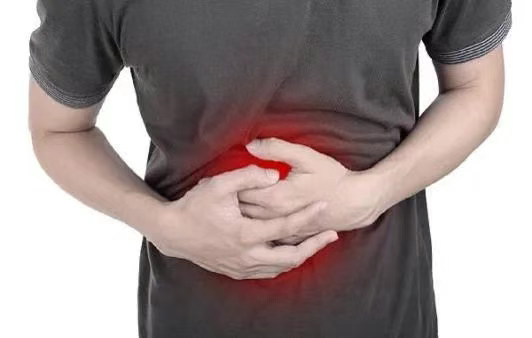
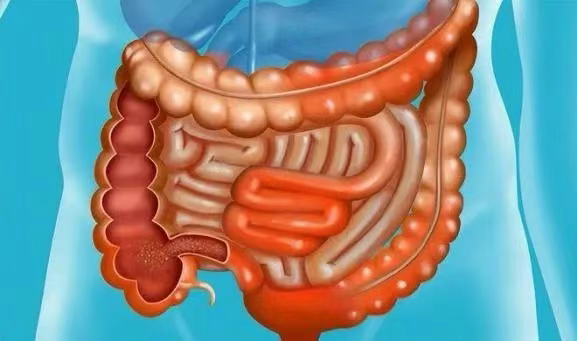
Main Symptoms
Abdominal pain: Typically mild in intensity, it may also manifest as abdominal distension, discomfort, cramping pain, or paroxysmal colic, with relatively short periods of relief.
Nausea and vomiting: Initially, vomiting may be absent. As the duration of obstruction increases, the severity worsens, and nausea and vomiting may occur. The vomitus often consists of undigested food.
Abdominal distension: This symptom is generally not prominent.
Cessation of defecation and flatus: In cases of incomplete intestinal obstruction, small amounts of anal defecation or flatus may still occur. Thus, intestinal obstruction cannot be completely ruled out solely because there is still anal passage of stool or gas.
Systemic symptoms: These are generally mild. With prolonged obstruction, complications such as water and electrolyte imbalances or malnutrition may develop.

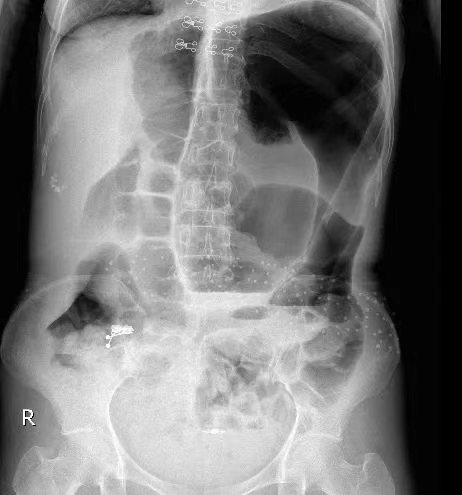
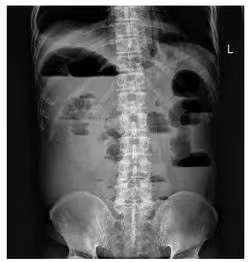
Etiology of Acute Intestinal Obstruction
The most common causes of acute intestinal obstruction include intestinal adhesions, tumors, and hernias. Adhesions related to abdominal surgical history are the primary cause of small bowel obstruction, accounting for 60% to 75% of cases. Obstructions secondary to tumors are more prevalent in the large intestine. Other contributing factors include inflammatory bowel disease (IBD), intussusception, intestinal volvulus, gallstones, and intestinal foreign bodies.
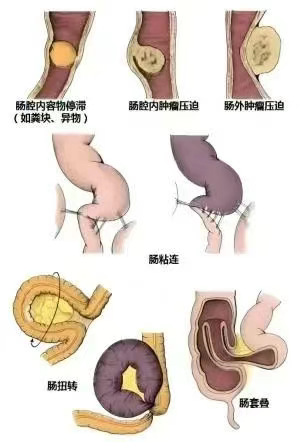
Treatment Measures
The primary treatment methods for intestinal obstruction include conservative treatment (non-surgical) and surgical treatment.
- Conservative TreatmentKey approaches include:(1) Fasting and gastric decompression.(2) Fluid replacement to address fluid loss.(3) Correcting electrolyte imbalances and acid-base disturbances.(4) Pharmacotherapy (e.g., antibiotics, laxatives).(5) Enema therapy.(6) Traditional Chinese medicine (TCM) techniques (e.g., herbal decoctions, acupuncture).
- Surgical Treatment
Surgical intervention is required for conservative treatment failure or specific etiologies necessitating urgent intervention:
(1) Confirmed or suspected strangulated intestinal obstruction, particularly closed-loop obstruction.
(2) Tumor-related complete obstruction.
(3) Intestinal volvulus or intussusception.
(4) Large foreign bodies (e.g., massive fecaliths, persimmon stones).
(5) Acute obstruction caused by internal/external hernias.
(6) Congenital intestinal malformations.
Surgical options typically involve open laparotomy or laparoscopic surgery.
Compared to open surgery, laparoscopic surgery offers advantages such as minimally invasive access, better cosmetic outcomes, and faster recovery. Patients undergoing laparoscopic procedures experience shorter operative times, earlier postoperative flatus/defecation, reduced hospital stays, less intraoperative blood loss, and lower postoperative analgesic use and complication rates.

Prevention of Intestinal Obstruction
(1) Dietary Recommendations:
- Choose high-quality protein, high-vitamin, and light, easily digestible foods.
- Limit indigestible foods such as raw persimmons, sticky rice cakes, and glutinous rice, which tend to adhere to the intestinal tract.
- Avoid irritating foods (e.g., spicy, greasy) and overeating.
(2) Lifestyle Management:
- Maintain regular bowel movements and perform abdominal massage to stimulate intestinal peristalsis and prevent constipation.
- For patients with a history of abdominal surgery, follow medical advice to restore gastrointestinal function as early as possible.
- Engage in moderate physical exercise (e.g., walking, yoga) to enhance physical fitness and mental well-being.
- Seek prompt medical attention if symptoms like abdominal pain, bloating, or vomiting occur.
Gansu Wuwei Tumor Hospital (Lanzhou Campus), Oncology Surgery Department
Our department boasts a highly skilled and experienced medical team equipped with advanced medical facilities, providing strong support for disease diagnosis and treatment.
Expert Introduction in Tumor Surgery
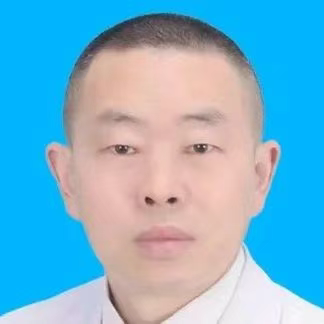
Deputy Chief Physician
Tao Jichun
Expert Profile
Position:
- Deputy Director of Abdominal Surgery, Gansu Wuwei Tumor Hospital
- Director of Tumor Surgery, Lanzhou Heavy Ion Hospital Campus
Professional Affiliations:
- Council Member, China Anal Preservation Alliance
- Member, Chinese Anti-Cancer Association
- Member, Gansu Provincial Anti-Cancer Association
- Member, Gansu Provincial Medical Association
- Member, Wuwei Municipal Integrative Medicine and General Surgery Society
- Committee Member, Wuwei Municipal Coloproctology Committee
Clinical Expertise:
- Over 20 years of experience in gastroenterology, hepatology, and biliary diseases.
- Specializes in minimally invasive laparoscopic and endoscopic surgeries for gastrointestinal and hepatobiliary diseases.
Academic Contributions:
- Published 3 national-level academic papers and 5 provincial-level academic papers in gastroenterology and hepatobiliary fields.
- Completed 1 scientific research project in Wuwei City and finalized its achievement registration.