Understand Digestive Endoscopy in One Article!
【Popular Science】Understand Digestive Endoscopy in One Article!
What is Digestive Endoscopy?
Digestive endoscopy is a tube with a built-in high-definition camera, similar in thickness to a bubble tea straw. Doctors can use it to directly see every corner of your esophagus, stomach, and intestines; even ulcers as small as sesame seeds cannot escape its "keen eyesight." Now, polyps can be removed and biopsies taken without surgery.

The early symptoms of gastrointestinal diseases are often not obvious, but once severe symptoms appear, the lesions are usually quite advanced. According to relevant surveys, gastric cancer patients in China account for 40% of global gastric cancer patients, and deaths related to gastrointestinal cancers account for 45% of total cancer deaths in China. Therefore, undergoing digestive endoscopy is very important, as it helps detect related system lesions early for targeted treatment.
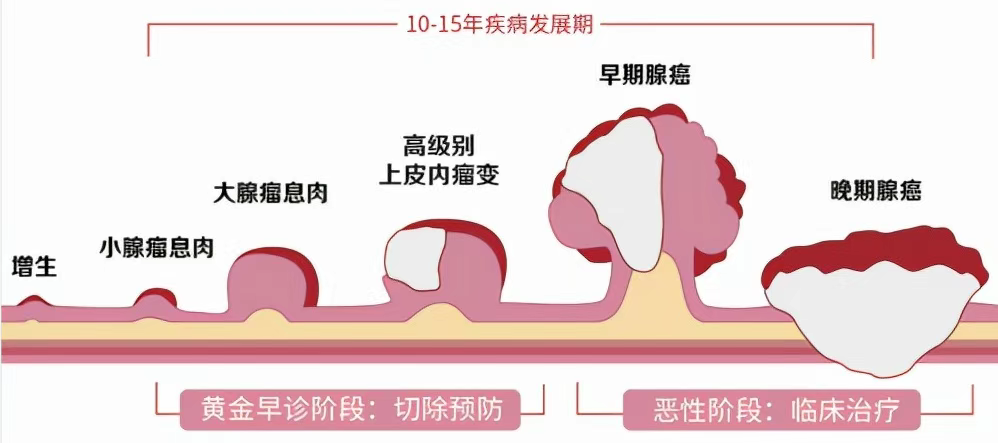
These Groups Should Undergo Digestive Endoscopy
Individuals over 40 years old: If you have never had a gastrointestinal endoscopy, it is recommended to undergo an initial examination. If no related issues are found, it is advised to have a digestive endoscopy every 3 to 5 years.
Individuals who smoke and drink heavily for a long time, and those with a family history of gastrointestinal tumors or related diseases.
Patients with Helicobacter pylori infection or diseases such as chronic atrophic gastritis, gastric ulcers, etc., need digestive endoscopy to understand their physical condition.
Individuals who lack exercise long-term and consume excessive amounts of fatty foods and high-salt foods.
Individuals whose bowel habits suddenly change, experience bloody stools for unknown reasons, or experience sudden weight loss are advised to undergo digestive endoscopy to understand their physical condition.
Advantages of Painless Gastrointestinal Endoscopy
1. High Comfort Level
Before the examination, intravenous anesthesia is administered, allowing the examinee to complete the procedure in a sleep state. Generally, sleep is induced within 30-40 seconds, and the examinee wakes up quickly after the examination.
2. Conducive to Diagnosis and Treatment
The examinee remains calm during the procedure, without experiencing pain, nausea, or vomiting, allowing the doctor to carefully observe all parts of the gastrointestinal tract. If suspicious lesions are found, biopsies can be performed immediately.
3. Minimal Trauma, Convenient for Treatment
Since the examinee is asleep during the procedure, it avoids potential damage to the gastrointestinal mucosa caused by the endoscope and facilitates minimally invasive treatments by the doctor for issues like gastrointestinal bleeding, polyps, and ulcers during the examination.
4. High Accuracy
The absence of gagging or vomiting reflexes allows for clearer observation of lesions in the pyriform fossa, posterior pharyngeal wall, and esophageal opening. Additionally, accurate magnification and staining can be performed, further increasing diagnostic accuracy.
Department Introduction
The Digestive Endoscopy Center of Lanzhou Heavy Ion Center, Wuwei Cancer Hospital is equipped with 1 Olympus CV-290 host system and a total of 4 gastroscopes and colonoscopes. It is equipped with China's first domestically produced Toumai four-arm surgical robot, Gansu Province's first super-iterative PET-CT, a dynamic 500-slice Gemstone Spectral CT, and over 300 other devices of various types; over 10 various endoscopes including STORZ·HD full HD laparoscopes and HD 3D fluorescence laparoscopes.
Endoscopic Excellence, Honors Showcase Strength
● Key Discipline of Gansu Province;
● First Place in the National Endoscopy Case Competition for Early Diagnosis and Treatment of Upper Gastrointestinal Cancer in Rural Areas (Technical Skills Competition);
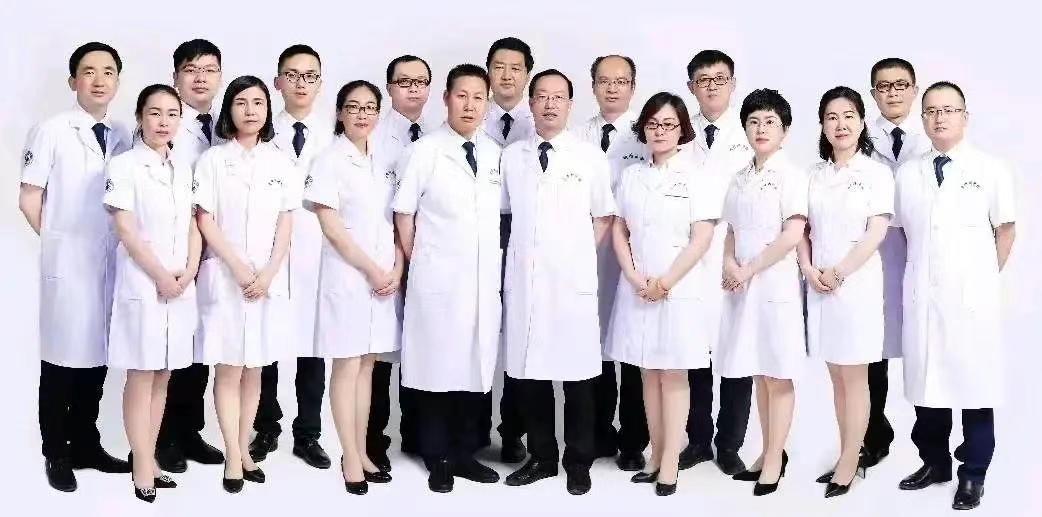
● Assembly and diagnostic/therapeutic levels lead the province, forming a large team of senior professionals led by: Chief Physician Zhang Zhiyi, founder of the Department of Gastroenterology at Wuwei Cancer Hospital and Director of the Endoscopy Center (Gansu Provincial Health System Leading Talent), Chief Physician Wu Zhengqi (Level 1 Chief Physician), Chief Physician Lu Linzhi (Chairman of the Wuwei Digestive Committee), etc.;
● National Ministry of Health Gastric Cancer Early Diagnosis and Early Treatment Base, National Ministry of Health Endoscopy Professional Technology (Digestive) Training Base, Gansu Provincial Key Laboratory of Gastrointestinal Diseases, Wuwei Branch of China Helicobacter Pylori Shanghai Molecular Medicine Center, Wuwei Branch of Xijing Biobank;
● The Department of Gastroenterology is currently actively creating a national key discipline, aiming to build a demonstration base in Western China.
Smart Endoscopy, Minimally Invasive Techniques Leading the Future
● Endoscopic Variceal Sclerotherapy and Ligation (EVL/EVS)
● Dilation and Stent Placement for Malignant Gastrointestinal Obstruction (Including Radioactive Seed Stent Placement)
● Endoscopic Polypectomy (Electrocoagulation and Electrosection)
● Endoscopic Mucosal Resection (EMR) for Early Esophageal Cancer, Gastric Cancer, Colorectal Cancer, and Precancerous Lesions
● Endoscopic Submucosal Dissection (ESD) for Early Esophageal Cancer, Gastric Cancer, Colorectal Cancer, and Precancerous Lesions
● Submucosal Tunneling Endoscopic Resection (STER)
● Peroral Endoscopic Myotomy (POEM)
● Argon Plasma Coagulation (APC) for Gastrointestinal Polyps and Bleeding
● Endoscopic Hemostasis and Foreign Body Removal
● Clinical Application of Endoscopic Ultrasound (EUS)
● Magnifying Endoscopy and Narrow Band Imaging (NBI)
● Clinical Application of Capsule Endoscopy
● Endoscopic Retrograde Cholangiopancreatography (ERCP), Endoscopic Sphincterotomy (EST), and Related Techniques for Diagnosis and Treatment of Biliary and Pancreatic Diseases
● Helicobacter Pylori Infection Testing
● Endoscopic Ultrasound-Guided Fine Needle Aspiration (EUS-FNA), Endoscopic Ultrasound-Guided Biliary Drainage (EUS-BD), Endoscopic Ultrasound-Guided Pseudocyst Drainage, Transcecal Appendectomy
● Thoracoscopic-Laparoscopic-Assisted Three-Incision Esophagectomy
● 3D Laparoscopic-Assisted Radical Gastrectomy
● Laparoscopic-Endoscopic Cooperative Surgery (LECS) for Gastrointestinal Stromal Tumors (GIST)
● Totally Laparoscopic Radical Colectomy/Proctectomy
● Hyperthermic Intraperitoneal Chemotherapy (HIPEC)
Address: Digestive Endoscopy Center, 4th Floor, Inpatient Complex Building, Lanzhou Heavy Ion Center