【Beware of Summer "Potassium" Hazards】High-Potassium "Minefields" for Dialysis Friends to Avoid
【Beware of Summer "Potassium" Hazards】High-Potassium "Minefields" for Dialysis Friends to Avoid
Dear dialysis friends,
In the scorching heat of July, with the sun blazing and fruits at their most fragrant, it's a delightful season. However, for those of us on dialysis, summer isn't just about staying cool—it's also a time to be extra cautious about hyperkalemia! Most hemodialysis patients have severely impaired kidney function, greatly reducing the body's ability to excrete potassium. Poor dietary choices can easily lead to elevated blood potassium levels, causing symptoms ranging from numbness in the limbs and heart palpitations to severe arrhythmias or even cardiac arrest! So this summer, be sure to steer clear of these "high-potassium minefields."

⚠️ Minefield 1: Overindulging at the Fruit Stand
Watermelon, cantaloupe, bananas, oranges, grapes... they may look tempting, but they're all potassium-rich. It's best to enjoy just a small taste occasionally—never overindulge!
✅ Tip: Low-potassium fruits like apples, pears, and strawberries are safer for dialysis patients when consumed in moderation.
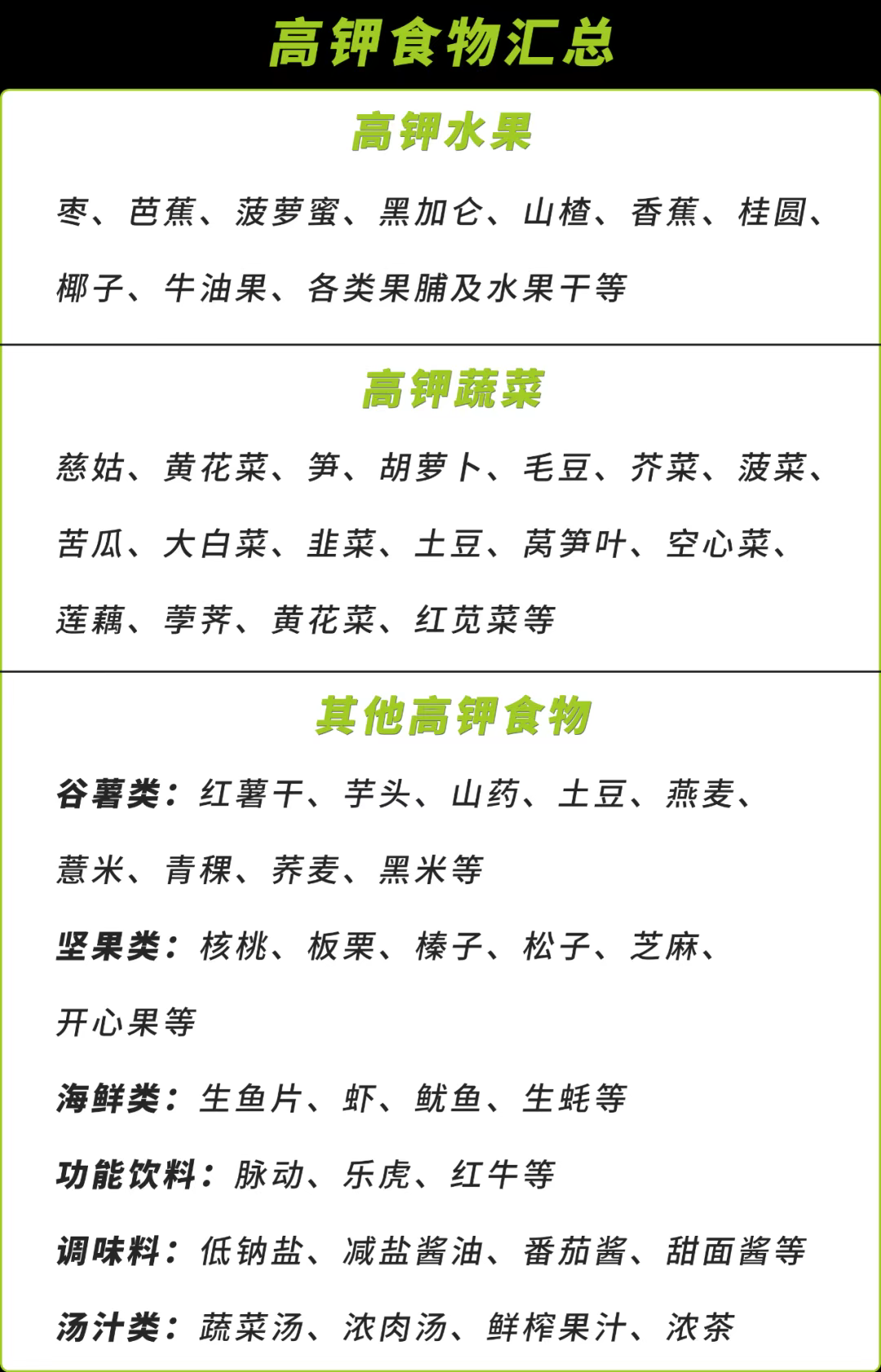
⚠️ Minefield 2: Insufficient Blanching of Vegetables
Spinach, amaranth, water spinach, potatoes, seaweed, and kelp are also high in potassium. Many assume cooking alone removes potassium, but that's not the case!
✅ Correct Method:
● Cut vegetables first, then wash and blanch in boiling water for 1–2 minutes.
● Soak sliced root vegetables (e.g., potatoes) in water for over 30 minutes before cooking.
● Discard cooking water promptly to avoid reabsorbing potassium ions.
⚠️ Minefield 3: Drinking Broth Without Eating? Big Mistake!
Many enjoy bone broth, chicken soup, or mung bean soup to beat the heat, but these broths often contain high levels of dissolved potassium—even more than the meat itself!
✅ Tip: Opt for plain water, lightly salted water, or electrolyte drinks recommended by your doctor to stay hydrated safely.
⚠️ Minefield 4: Ignoring the Body's "Distress Signals"
Early symptoms of hyperkalemia are subtle, but watch out for: numbness in limbs, fatigue, palpitations, chest tightness, nausea, or vomiting. Take these signs seriously!
✅ If you notice any abnormalities, contact your doctor immediately or go to the hospital for a blood potassium test.
✅ Summer Safety Tips
- Monitor blood potassium regularly, keeping levels between 3.5–5.5 mmol/L.
- Stick to your dialysis schedule—don’t skip or postpone sessions.
- Maintain a balanced diet: control potassium, limit fluids, and supplement calcium.
- Stay positive—emotional stability helps manage your condition.
❤️ Closing
Though summer is hot, with mindful eating and careful living, we can still enjoy its cool delights and flavors. May every dialysis friend keep their potassium levels stable and stay safe this season! Wishing you good health and smooth dialysis!