A decade of sharpening a sword achieves new brilliance.
Ten Years of Honing a Sword, Forging New Glory
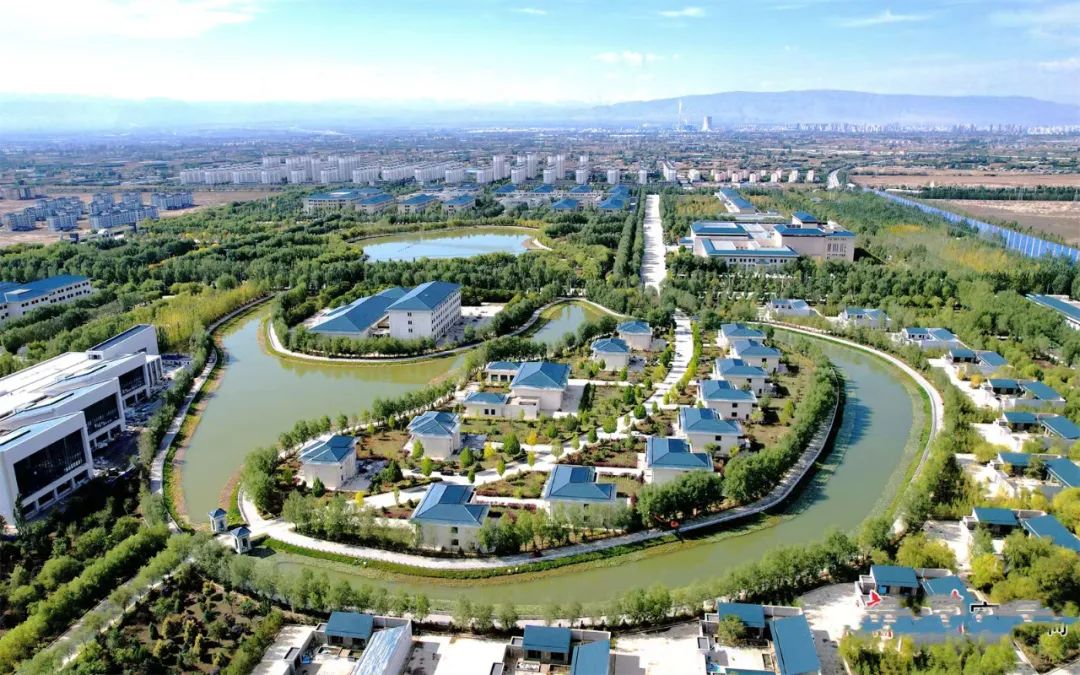
Ten years of forging ahead through trials and tribulations, ten years of striving with unwavering determination. It has been a decade since Gansu Wuwei Cancer Hospital was accredited as a Top-tier Tertiary Hospital in 2014, making it the first such hospital in the Jinchang-Wuwei region. A decade of dedicated efforts has forged new glories. Over these ten years, the hospital has achieved leapfrog development: the first domestic heavy ion therapy system was established here, with 1,145 cases of heavy ion treatment completed; the hospital underwent upgrades and implemented its "one core, two wings" strategic layout...
Significant Advancements in Medical Technology and Modernization of Management
Over the past decade, medical technology at the hospital has seen remarkable progress. As the first clinical application site for China’s self-developed heavy ion therapy system, Gansu Wuwei Academy of Medical and Science has achieved multiple cutting-edge technologies at the national advanced level. These include high-frequency oscillatory ventilation-controlled precision heavy ion therapy, precision bladder capacity control for bladder cancer treatment, surgical implantation of Spacer between organs and tumors combined with single-session heavy ion therapy, "heavy ion surgical technology" (single-session treatment) under combined organ motion control, multimodal 3D medical imaging technology, transcecal appendectomy via Natural Orifice Specimen Extraction Surgery (NOSES), robot-assisted radical rectal cancer resection with NOSES, 3D-printed reconstruction, autologous hematopoietic stem cell transplantation, and allogeneic hematopoietic stem cell transplantation.
In terms of management, the hospital has reached new heights of modern hospital administration. It has become the first Grade A Tertiary Hospital in Gansu Province to achieve full "cloud migration," realizing the "dual cloud" goal of eliminating computer hosts at work terminals and on-premises network machine rooms. The hospital has also built intelligent systems such as the Smart Hospital Command Center, Asia’s longest hospital track logistics system, IoT application system, information release system, conference system, and surgical teaching system. Leveraging information technology, it has implemented KPI (Key Performance Indicator) "five-dimensional" assessments, DIP (Diagnosis-Intervention Packet) payment management for single diseases, and standardized management of 18 core medical quality systems. Through data visualization of quantitative metrics and trend analysis, the hospital has achieved a new paradigm of modern hospital management.
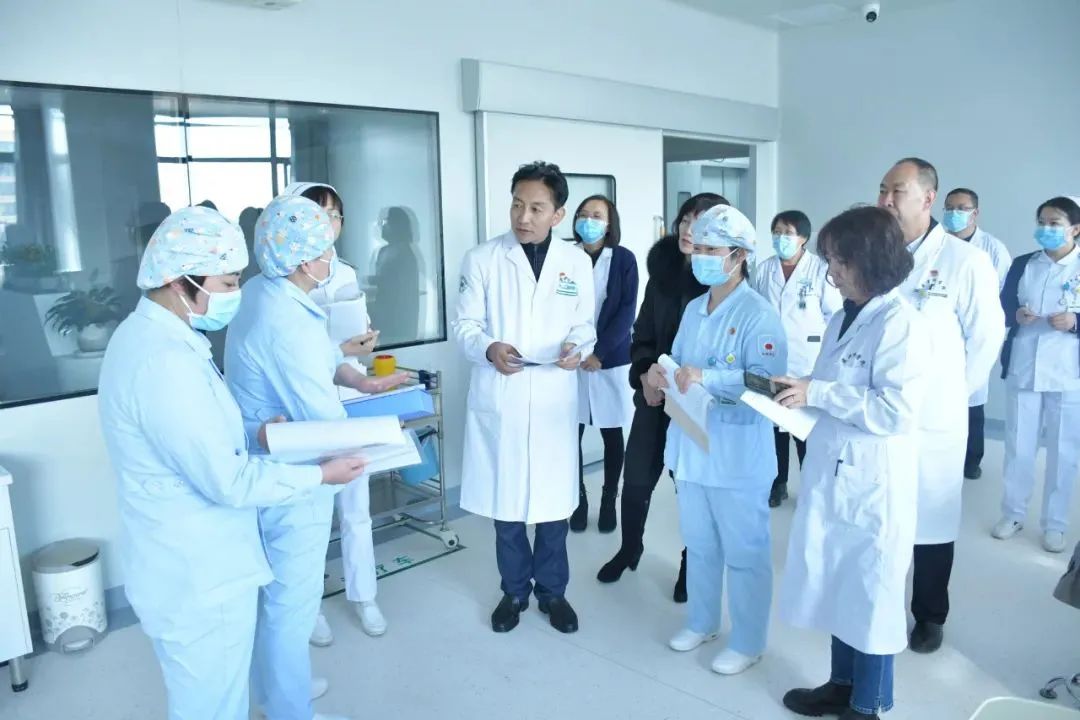
Ward Round
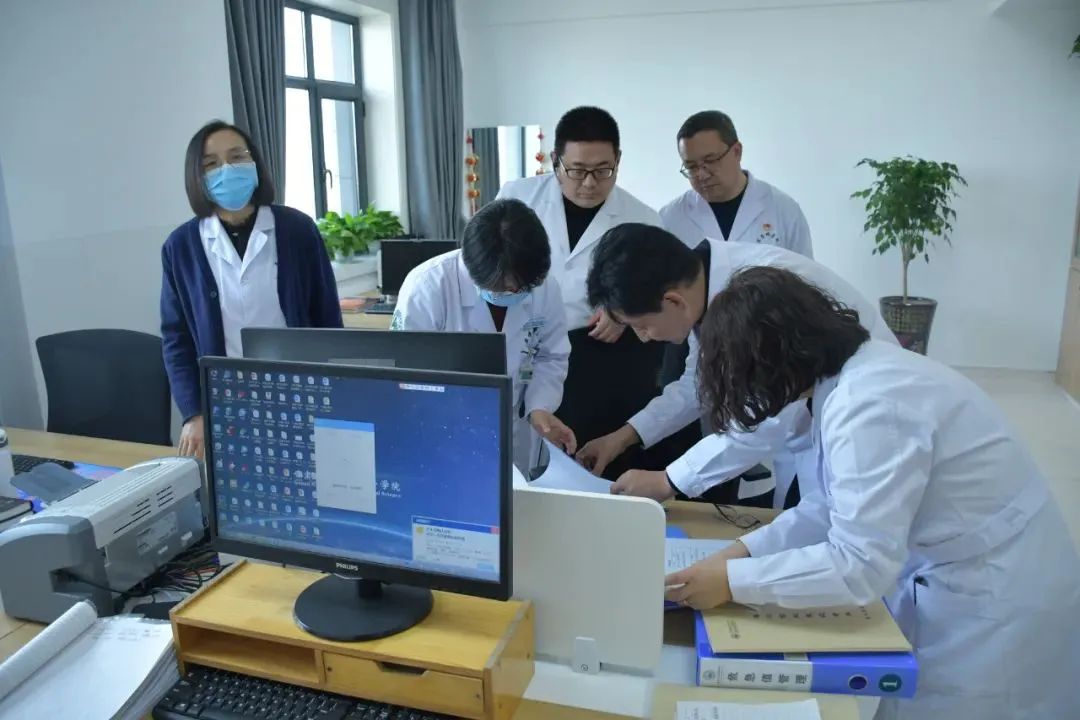
Medical Quality Supervision
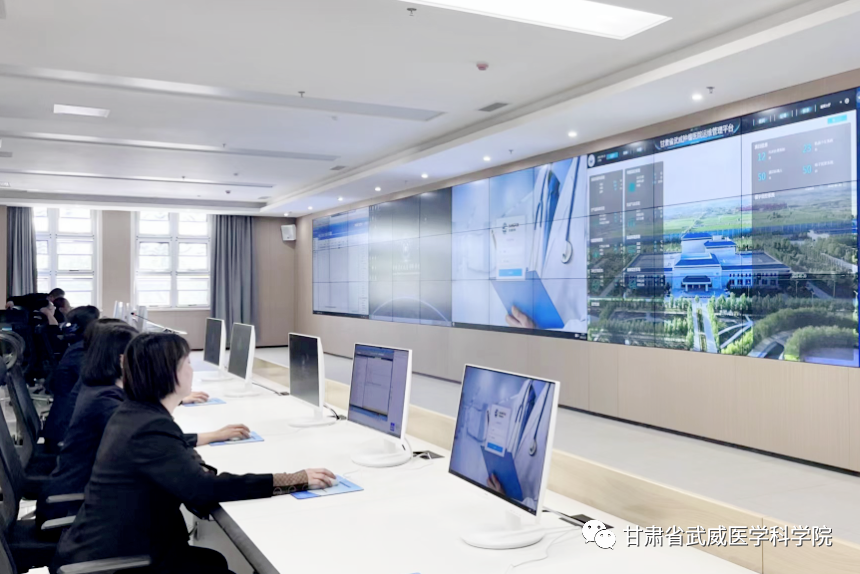
Smart Hospital Command Center of Wuwei Heavy Ion Center
Leading Professionalization in Talent Development and Advanced High-End Medical Equipment Acquisition
Over the past decade, the hospital has implemented a talent-driven development strategy represented by the "136 Professional Leading Talents" program, cultivating a large number of outstanding disciplinary leaders and technical backbones. Meanwhile, it has recruited globally renowned experts to work long-term in Wuwei, including Prof. Hiroyuki Tsuji, known as the "Father of Global Heavy Ion Therapy" and former president of Japan's National Institute of Radiological Sciences (NIRS); Prof. Tatsuo Kanai from the Faculty of Medicine at Gunma University in Japan; Prof. Jörg Hauffe, former president of the Munich Proton Therapy Center (RPTC) in Germany; Mr. Jia-Ming Wu, former chief physicist at Taiwan Chang Gung Memorial Hospital; and Prof. Yee-Min Jen, former chairman of the Taiwan Oncology Radiotherapy Committee. Additionally, over 500 key professional and technical personnel have received training at leading medical centers in Germany, the U.S., Japan, and other domestic institutions, further enhancing the quality of the hospital’s talent pool.
Over the past ten years, the hospital has been equipped with a range of advanced high-end medical devices, including China’s first domestically developed heavy ion therapy system, China’s first TUMAI four-arm surgical robot, the Discovery 710 PET-CT, Siemens Skyra 3.0T ultra-high-speed MRI, Siemens Somatom Drive dual-source photon CT, Siemens Artis Phönix angiography system, Varian Vital Beam linear accelerator, and Elekta Infinity "Visual" 4D image-guided medical linear accelerator. These facilities fully meet the needs of precision diagnosis and treatment.
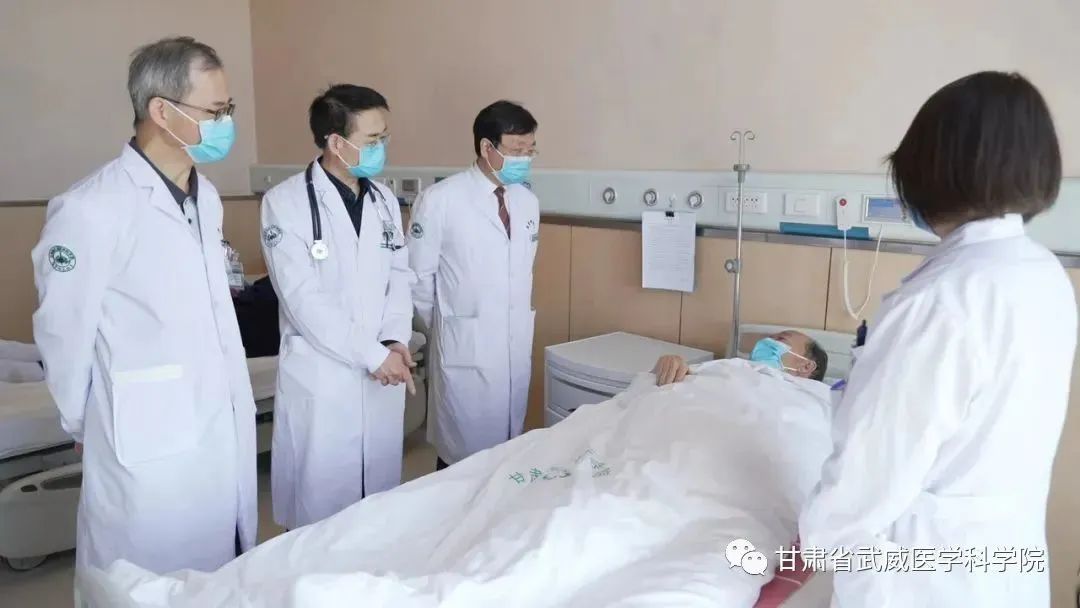
Expert Team Ward Round
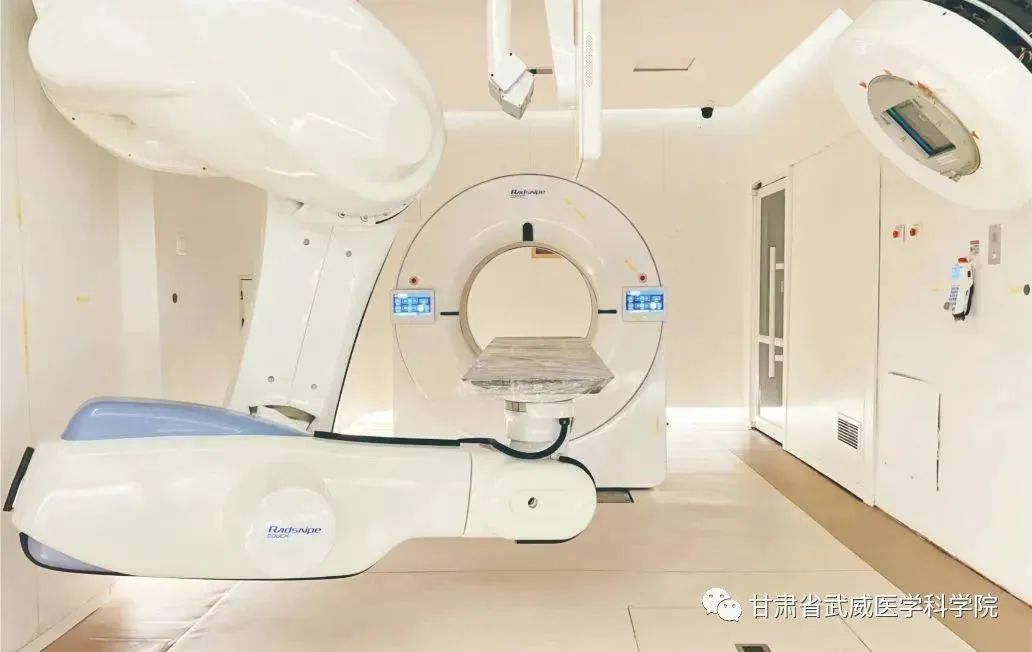
First Chinese Heavy Ion Therapy System Treatment Cabin
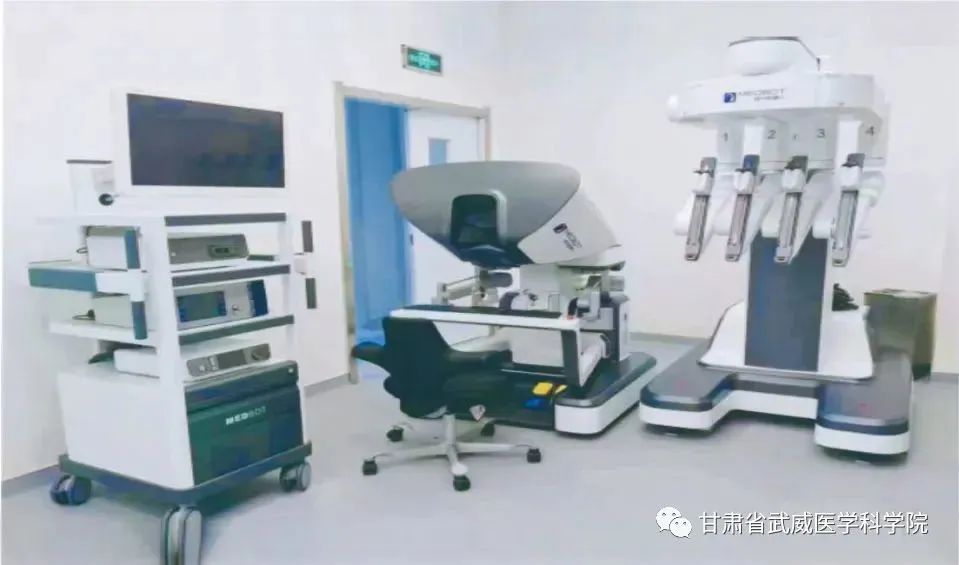
Domestically Produced First Tumai Four-Arm Surgical Robot
Significant Leap in Scientific Research and Teaching; Branding Pursuits in Disciplinary Development
Over the past decade, scientific research and teaching at the hospital have achieved remarkable progress. As an Advanced Collective in Scientific and Technological Work of Gansu Province, our hospital has built a comprehensive research system. Anchored by multiple provincial-level and above research platforms—including the National Drug Clinical Trial Institution, National Professional Training Base for Digestive Endoscopy, National Demonstration Base for Early Diagnosis and Treatment of Upper Gastrointestinal Cancers, Gansu Branch of Beijing National Engineering Research Center for Biochips, Gansu New R&D Institution, and Gansu Key Laboratory of Gastroenterology—a robust medical research consortium has taken shape, driving forward with innovation.
Over the past decade, clinical teaching has also seen significant development. A modern digital simulation training center has been established, offering a wide range of training programs: basic anatomy, digital anatomy, cardiac and peripheral interventional procedures, TCM meridian acupuncture and moxibustion, simulated training for various endoscopies and laparoscopic procedures, ICU ward training, simulated operating room training, and simulated nursing and medical technology training. By emphasizing "three basics" (fundamental theories, knowledge, and skills) and "three rigorouses" (rigorous requirements, organization, and work styles), the hospital has continuously improved medical technical standards and advanced its goal of eliminating medical errors through daily training.
Over the past decade, the hospital has prioritized disciplinary development, focusing on three flagship treatment systems: oncological diseases, digestive system diseases, and cardiovascular system diseases. It has built 5 provincial key disciplines, including Oncology, Gastroenterology, Radiation Oncology, Gastrointestinal Surgery, and Respiratory and Critical Care Medicine; 13 municipal key disciplines, such as Cardiology, Hematology, Neurology, Thoracic Surgery, and the Oncology Discipline Cluster; and its Radiation Oncology Department has entered a 3-year construction cycle as a national clinical key specialty, while the Oncology Department passed on-site acceptance as a provincial clinical key discipline. Additionally, it has been approved as a Provincial Model Stroke Prevention and Treatment Center (Comprehensive Stroke Prevention and Treatment Center) and certified as a China Primary Chest Pain Center. Disciplinary development continues to fuel the hospital’s growth.
The Heavy Ion Center of Gansu Wuwei Cancer Hospital (Gansu Wuwei Academy of Medical and Science) is China’s first clinical application center for heavy ion therapy systems. Since its official launch in March 2020, it has operated successfully for 3 years. To date, it has treated 1,133 patients, achieving favorable outcomes for complex lesions in the head, pancreas, lungs, and other body parts, with patients coming from across the country. The center has also established the nation’s first oncology rehabilitation town, featuring a comprehensive, full-life-cycle health management system with distinctive services such as comprehensive oncological treatment, dietary management therapy, psychosomatic health management, TCM syndrome differentiation treatment, rehabilitation physiotherapy, bio-immune cell therapy, rural therapy, and cultural therapy.
Over the past decade, the hospital has remained committed to upholding the leading role of state and government in healthcare provision. Guided by its vision to "become a top-tier oncology specialty hospital in Gansu Province and a well-known one in Northwest China, with hospitals having distinctive brands, departments with unique characteristics, medical staff with specialized expertise, patient satisfaction, employee contentment, and government reassurance," it has consistently prioritized institutional development, social recognition, government trust, and public satisfaction. True to its original aspiration, it continues to advance, striving to build a high-level oncology prevention and treatment center. The path of Wuwei Tumor Hospital continues to expand.
"Long and arduous is the journey; I will press on with unwavering resolve." In the years to come, we will adhere to our mission of "dedicating ourselves wholeheartedly to saving lives and healing the wounded" and make unremitting efforts to promote hospital development and serve the people, writing new chapters and creating greater glories.
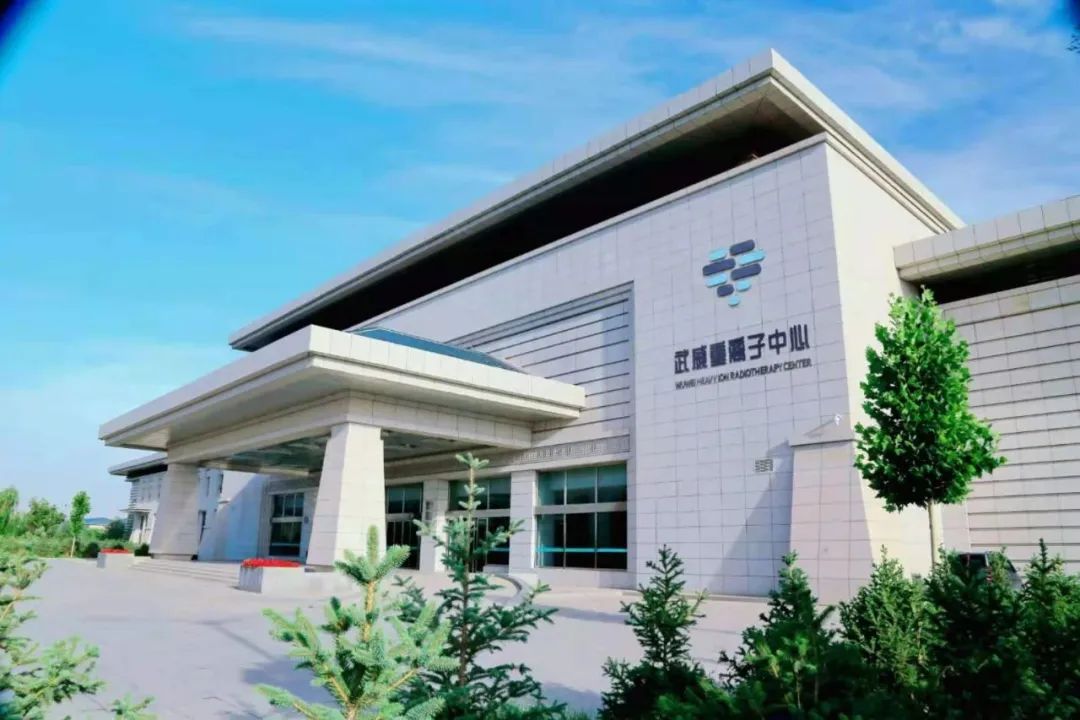
Main Building of Wuwei Heavy Ion Center
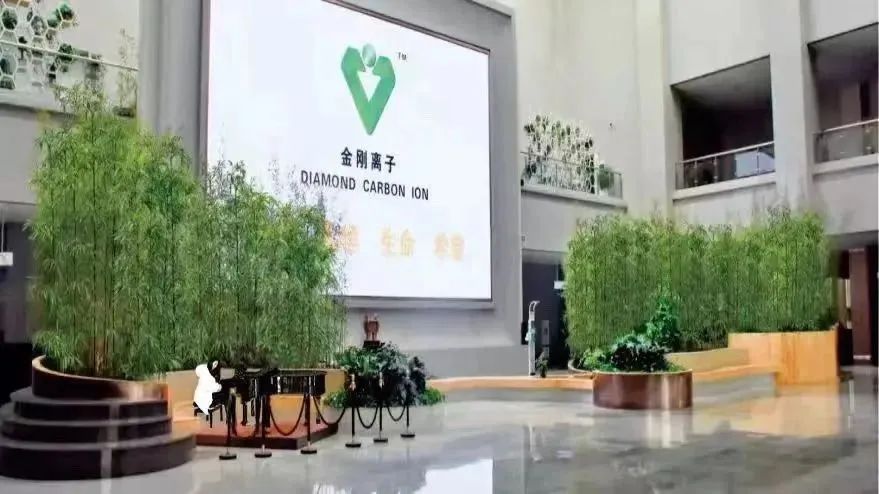
the Lobby of Main Building
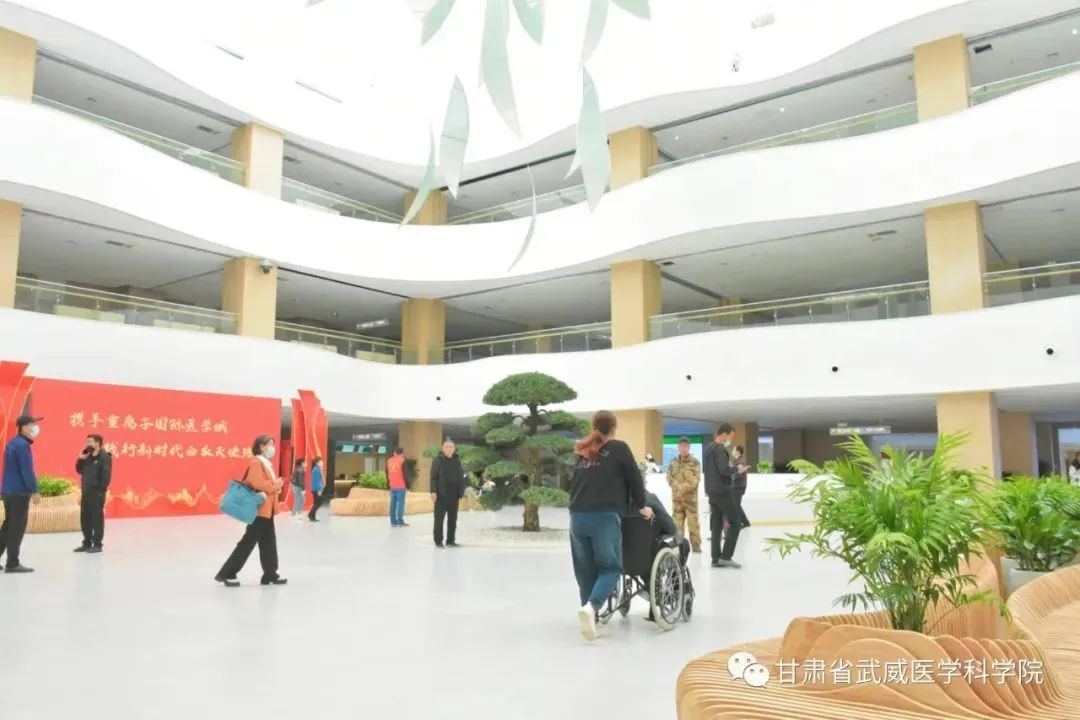
Outpatient Lobby
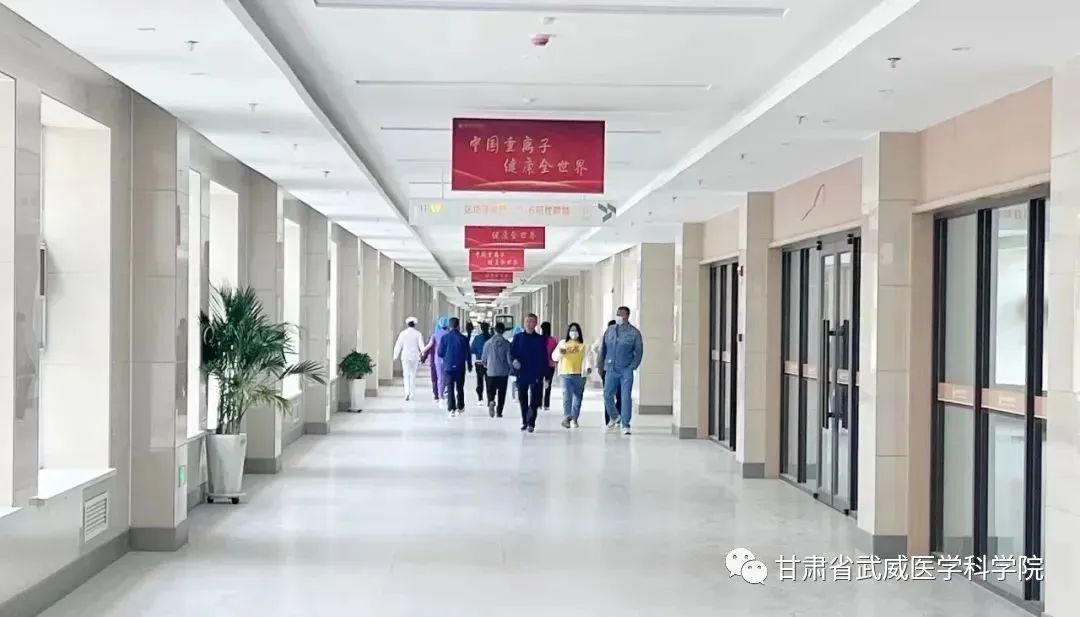
Corridor
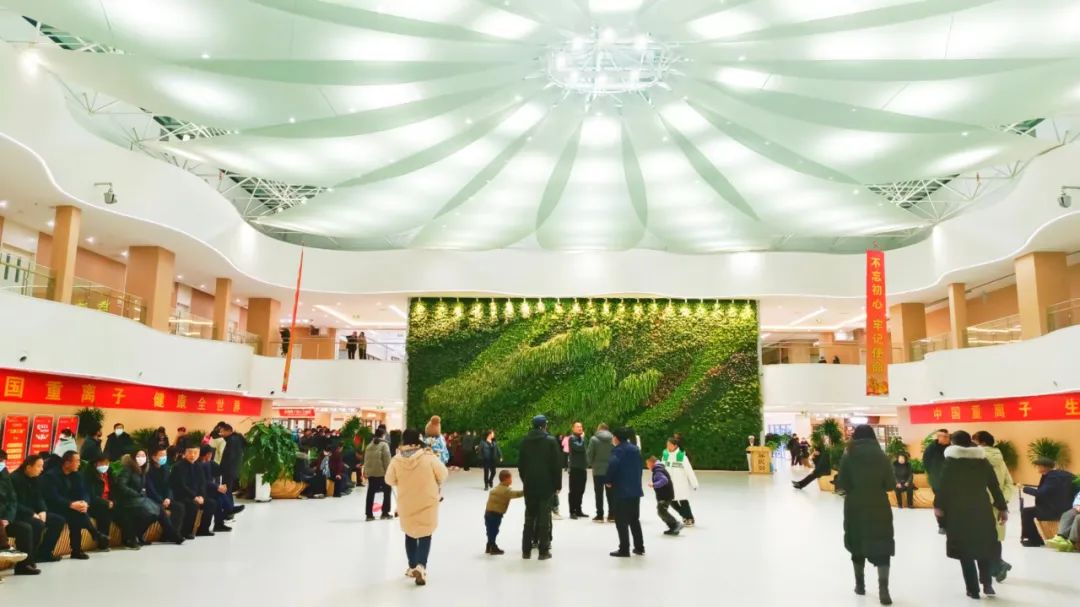
Inpatient Department Lobby