Cherish Women's Health, Embrace a Beautiful Life!
Cherish Women's Health, Embrace a Beautiful Life!
In today's era, women play multiple critical roles—they excel in the workplace and serve as pillars of strength at home. Yet, the fast-paced demands of modern life often lead women to neglect their own health. Women's health encompasses various dimensions, including physical well-being, mental health, and personal hygiene habits, all of which deserve utmost attention. Never underestimate seemingly minor ailments or discomforts, as they are crucial to disease prevention and early detection. Today, the Women's Federation shares insights on women's health, hoping to plant the seeds of health awareness in everyone's mind.

Breast care should begin as early as possible: Surveys indicate that 80% of women worldwide wear ill-fitting bras. Prolonged use of improper bras can increase the risk of breast diseases. It's important to develop the habit of not wearing bras during sleep, as extended bra-wearing can disrupt breast blood circulation and the normal flow of lymphatic fluid, preventing the timely elimination of harmful substances from the body. Over time, this may lead to the malignant transformation of normal breast cells. Additionally, women should regularly undergo breast examinations at hospitals.

Prevent diseases before they occur: Regular gynecological examinations enable early detection and timely treatment of various gynecological conditions, such as vaginitis, cervicitis, uterine fibroids, and ovarian cysts. If these diseases are not properly treated in a timely manner, they may progressively worsen, causing more severe damage to women's health and even posing life-threatening risks.

Scientific dietary balance: Emphasize proper food combinations by consuming more vegetables and fruits while avoiding greasy, high-salt diets. Many women, fearing weight gain, adopt vegetarian diets exclusively. However, a balanced intake of meat, vegetables, and fruits is essential for optimal nutrition—meeting the body's nutritional needs while preventing excessive calorie intake that leads to obesity. Additionally, it's advisable to minimize consumption of sugary beverages, such as milk tea.
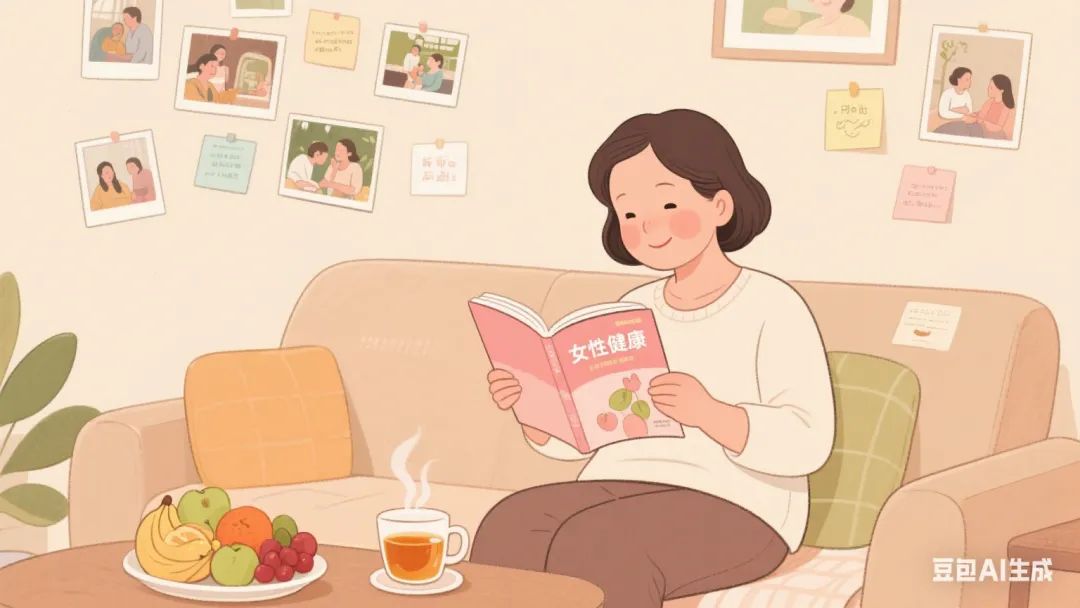
Maintain a sunny and cheerful mindset: Life is often filled with thorns, and setbacks are inevitable. Yet, we must strive to find happiness. Avoid comparing yourself to others—just do your best. Don’t dwell on trivial matters or nitpick; cultivate a broad perspective, and challenges will seem insignificant. Steer clear of anxiety and nurture a peaceful heart. Refrain from complaining—face difficulties bravely and tackle challenges with positivity. Control anger and maintain emotional stability. Good habits shape an optimistic outlook. In life’s long journey, only those with a calm and composed mind possess the courage to confront its countless trials and tribulations.

Scientific and healthy weight control: Excessive dieting is like planting a sweet but dangerous time bomb on your health journey. While it may temporarily give you a slimmer figure, it could potentially lead to numerous health risks in the future. Blindly and excessively pursuing weight loss might result in anorexia, diabetes, weakened immunity, hormonal imbalances, and even reproductive issues like amenorrhea in women - such practices are highly inadvisable. During weight loss, it's crucial to avoid extreme measures and quick fixes; instead, weight management should be approached rationally with priority given to maintaining overall health.

Regular HPV and TCT co-screening: HPV (Human Papillomavirus) infection is common in the general population, so there is no need to be overly anxious about being infected. Under normal circumstances, the human immune system can clear HPV, making transient infections a relatively common occurrence. Only persistent and recurrent infections with high-risk HPV strains may potentially lead to high-grade intraepithelial lesions or cervical cancer. For non-high-risk individuals, the following screening recommendations apply: Women aged 30 to 65 should undergo cervical cytology testing (TCT) every three years, HPV testing every five years, or a combined HPV and TCT test every five years. For those over 65, screening is generally unnecessary unless they have not had sufficient prior screening or are at higher risk for cervical cancer.
Expert Profile
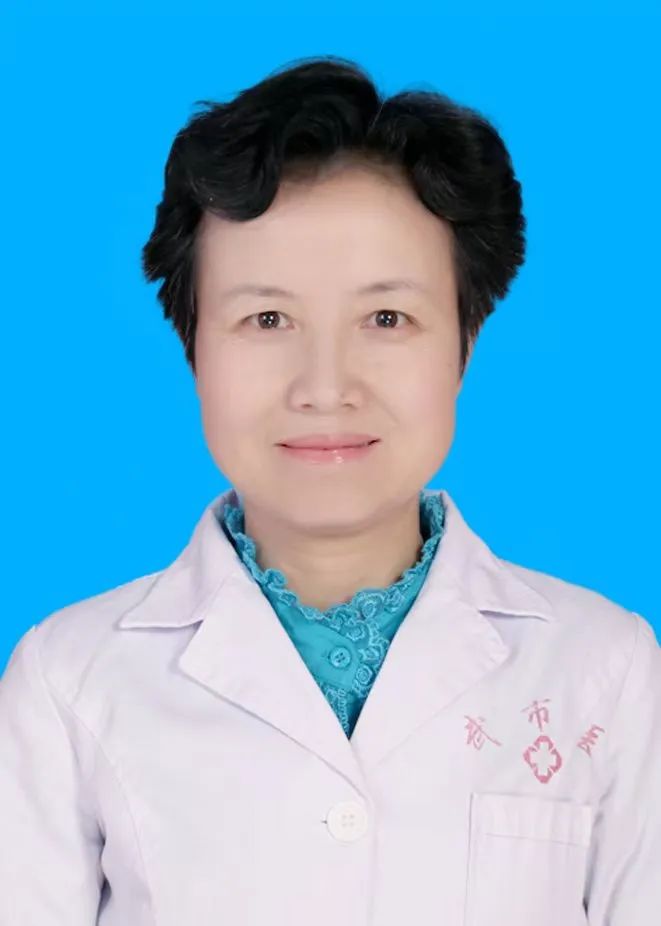
Professor Kong Qingliang
Medical Master's degree holder with over 30 years of experience in gynecological outpatient diagnosis, treatment, teaching, and health education. Specializes in managing menopausal symptoms (irregular menstruation, hot flashes, night sweats, mood disorders, sleep disturbances), recurrent urinary tract infections, stress urinary incontinence, and adolescent health management. Long-term expertise in standardized diagnosis and treatment of menstrual disorders, abnormal uterine bleeding, premature ovarian failure, polycystic ovary syndrome, endometriosis, adenomyosis, gynecological inflammation, dysmenorrhea, premenstrual syndrome, infertility, recurrent miscarriage, pre-pregnancy counseling, and fertility preservation. Extensive experience in gynecological tumor identification and holistic health management. Completed standardized training programs at renowned reproductive medicine centers across the province. Certified as a National Youth Health Educator by the China Family Planning Association, holds qualifications as a Level-3 Psychological Counselor and Health Management Specialist. Member of the 3rd Gansu Provincial Medical Association Reproductive Medicine Committee and the Wuwei Municipal Medical Association Gynecological Oncology Committee.