2025 National Public Health Initiative: Rural Upper GI Cancer Screening Program Launched in Wuwei
Successful Launch of the 2025 National Public Health Initiative: Rural Upper GI Cancer Early Detection & Treatment Program in Huaian Town, Wuwei
Gansu Province is a high-incidence and high-mortality region for cancer, particularly esophageal and gastric cancers, which are the most prominent. Statistics show that the incidence and mortality rates of gastric cancer in our province rank first nationwide, making gastric cancer a major disease with distinct regional characteristics that severely restricts socioeconomic development and poses a significant threat to public health. In 2009, The city, Wuwei, was designated as a screening site for early detection and treatment of gastric cancer under the central government's fiscal transfer payment project. In 2010, it was designated for early detection and treatment of esophageal/cardia cancer, and in 2012, for early detection and treatment of upper gastrointestinal cancers. As the implementing institution, Gansu Wuwei Cancer Hospital has conducted project screenings for 15 consecutive years, not only cultivating a team of local professionals but also effectively advancing the establishment of a comprehensive prevention and control system for upper gastrointestinal cancers in our city
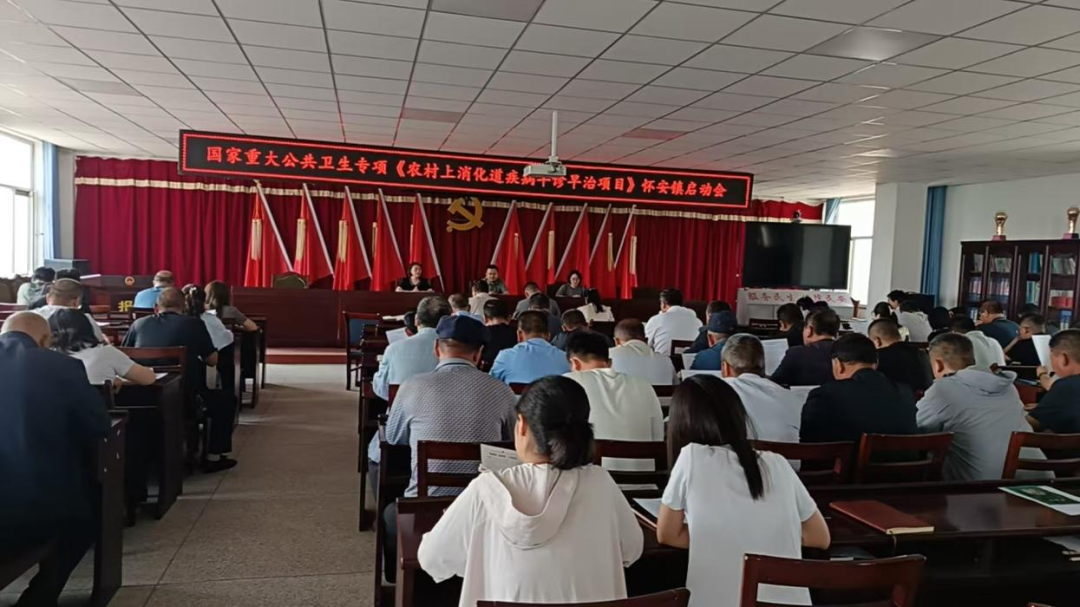
On the morning of June 23, 2025, Gansu Wuwei Cancer Hospital convened the 2025 launch meeting for the Rural Upper Gastrointestinal Cancer Early Detection and Treatment Project in Huaian Town, Wuwei City, at the fourth-floor conference room of Huaian Town Government, Liangzhou District. Attendees included Nie Peng, Deputy Director of Wuwei Cancer Hospital; Lu Linzhi, Director of the Digestive Center; project staff from the Public Health Department; Zhang Yimin, Mayor of Huaian Town; Qi Shangwei, Director of Huaian Town Health Center; village committee secretaries and directors; heads of village clinics; and health workers from all villages.
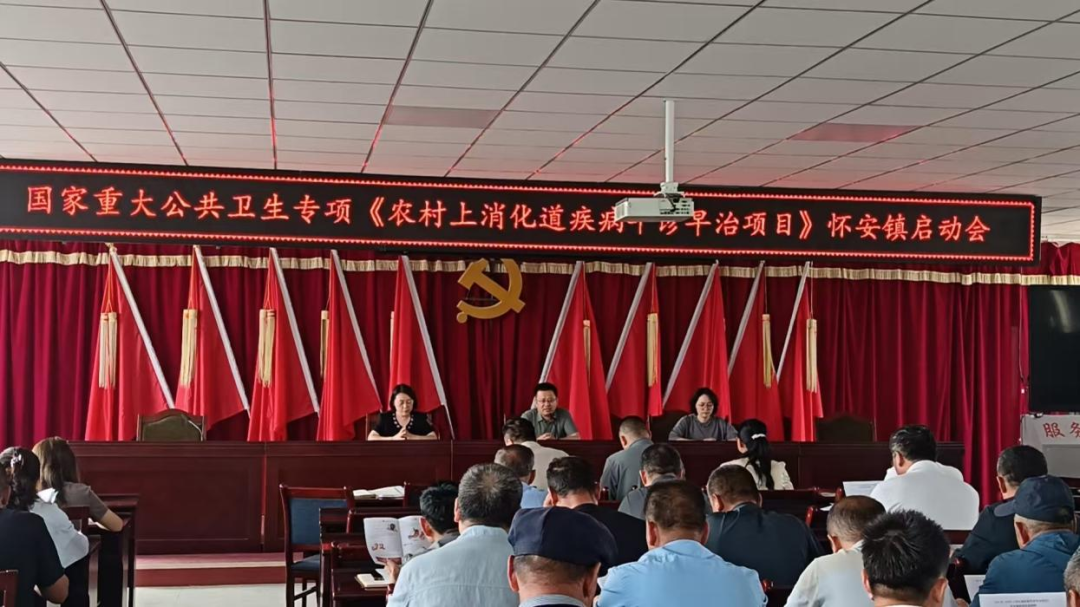
At the launch meeting, Mayor Zhang Yimin highly commended the rural upper gastrointestinal cancer early detection and treatment project as a beneficial initiative for the people. She urged all village committee officials in Huaian Town to raise awareness, organize the work diligently, and ensure the project's successful completion with guaranteed quality and quantity. Mayor Zhang also called on all village doctors to extensively promote this people-oriented screening program, further enhancing their capacity to deliver practical services for the community.
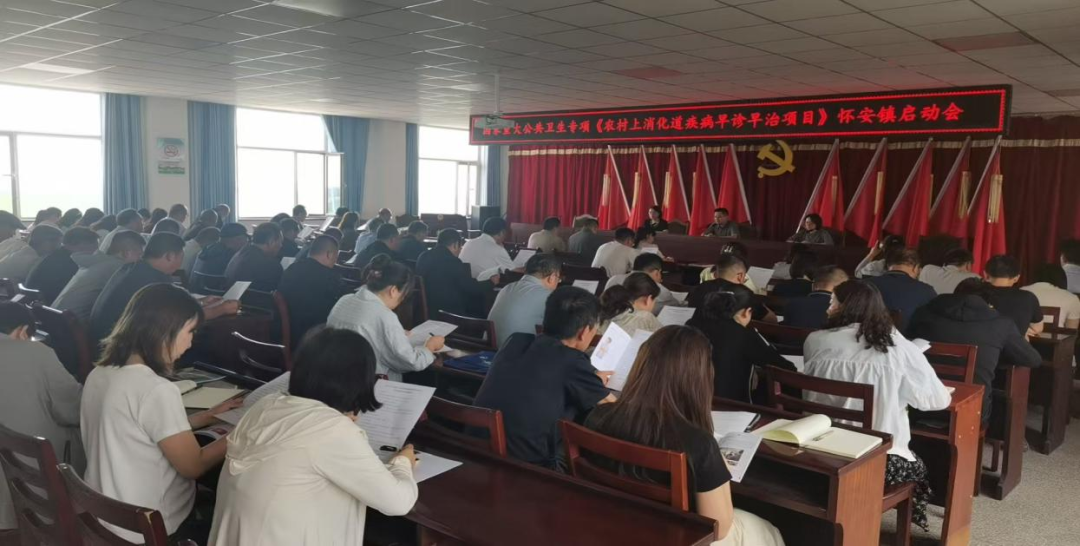
Nie Peng, the Deputy Director of Gansu Wuwei Cancer Hospital emphasized that the project leadership team must strictly adhere to the technical operational guidelines to ensure quality. He urged the team to streamline workflows, enhance participant satisfaction among the eligible population, and guarantee medical safety. The initiative aims to provide comprehensive, end-to-end services to ensure early detection, diagnosis, and treatment for the public.
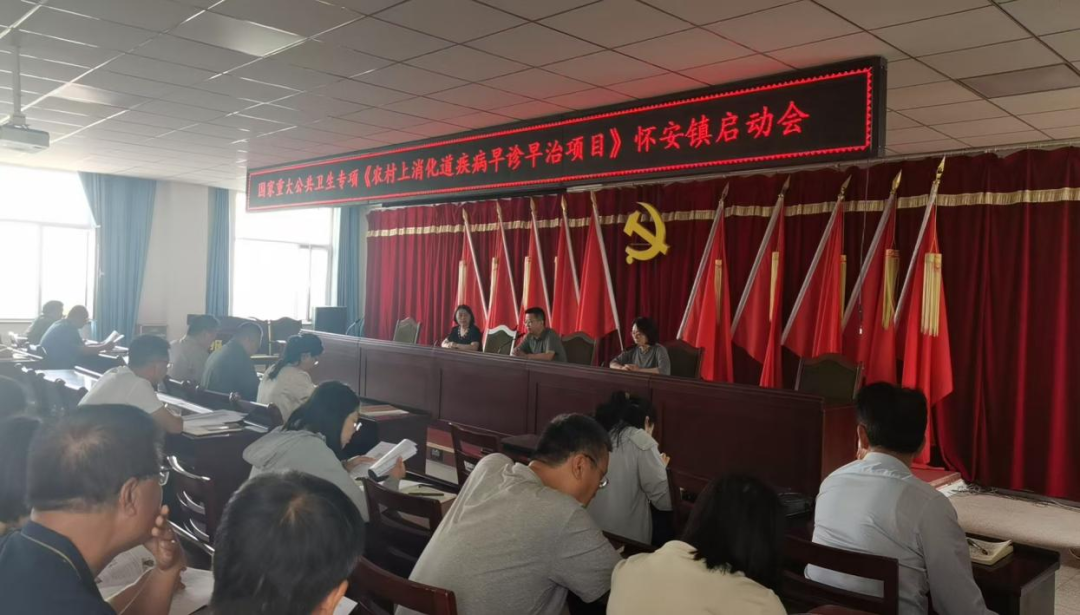
Dr. Linzhi Lu, Head of the Technical Team for the Rural Upper Gastrointestinal Cancer Early Screening and Treatment Program and Director of the Gastroenterology Center at Wuwei Cancer Hospital, conducted project training for attendees. Dr. Lu elaborated on three key aspects: the program background, its significance, and implementation guidelines.
As a core component of the national major public health service initiative for chronic disease prevention and control, the Rural Upper Gastrointestinal Cancer Early Detection and Treatment Program shoulders the sacred mission of safeguarding people's lives and health, promoting equitable development of public health services, and comprehensively strengthening primary healthcare capabilities. This program stands as a vital livelihood project benefiting the general public. Our hospital will further standardize and normalize gastrointestinal cancer screening procedures, striving to shift cancer treatment towards earlier stages. We aim to comprehensively enhance early detection and treatment standards, working tirelessly to achieve the dual goals of "reducing both incidence and mortality rates of gastrointestinal cancers while increasing both early detection rates and survival rates." Through these efforts, we are committed to providing robust health protection for all citizens in our city.