Nutrition Management for Cancer Patients: Evidence-Based Guidelines
Nutrition Management for Cancer Patients: Evidence-Based Guidelines
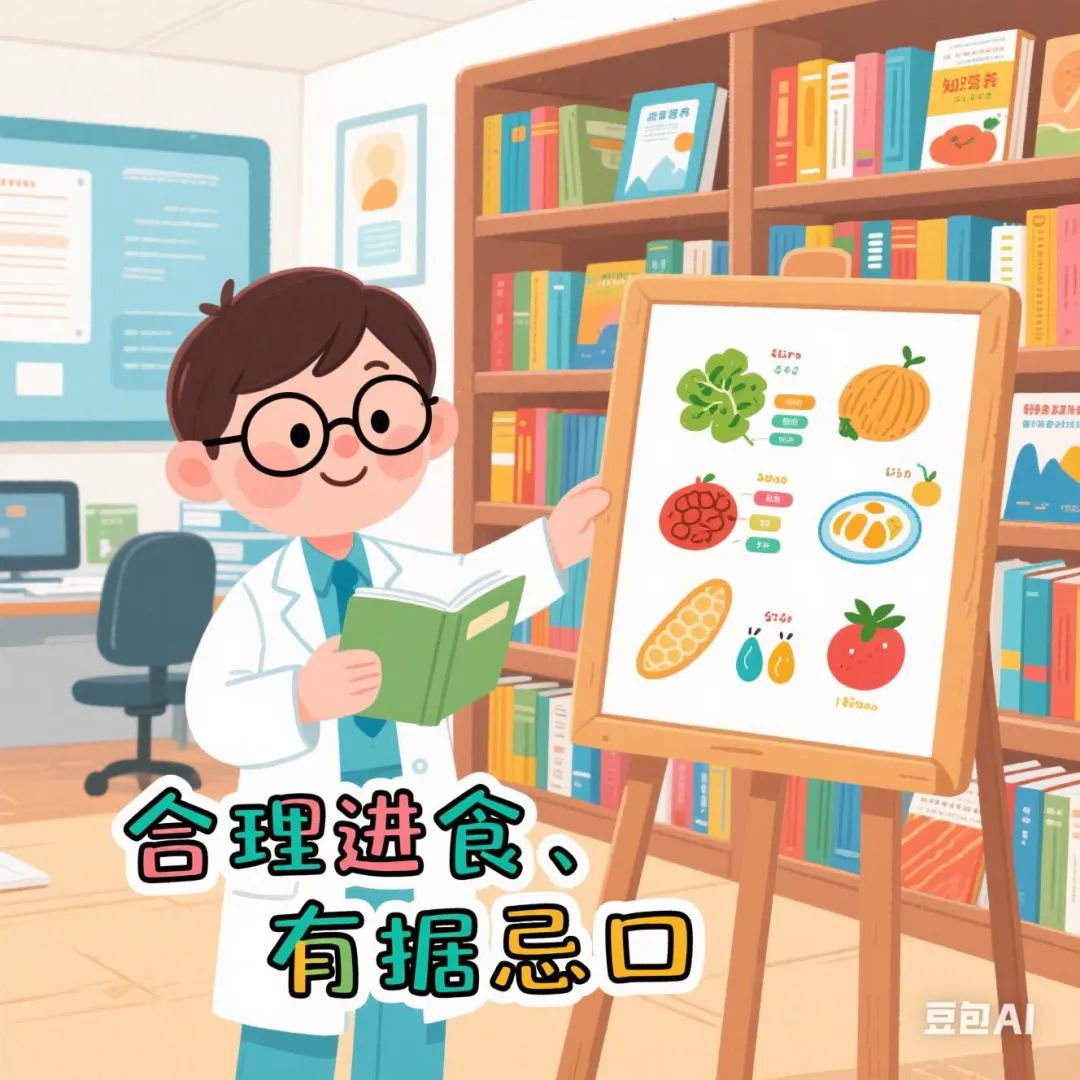
During cancer treatment and recovery, dietary management is a critical concern for patients and caregivers. Patients frequently consult clinicians on dietary arrangements, food restrictions, and whether "prohibited foods" (e.g., fāwù in traditional Chinese medicine) should be avoided. Scientific and balanced nutrition is essential for optimizing outcomes. Tumor patients should adhere to two core principles: rational dietary intake and evidence-based restrictions.
Rational Restrictions: Foods to Avoid
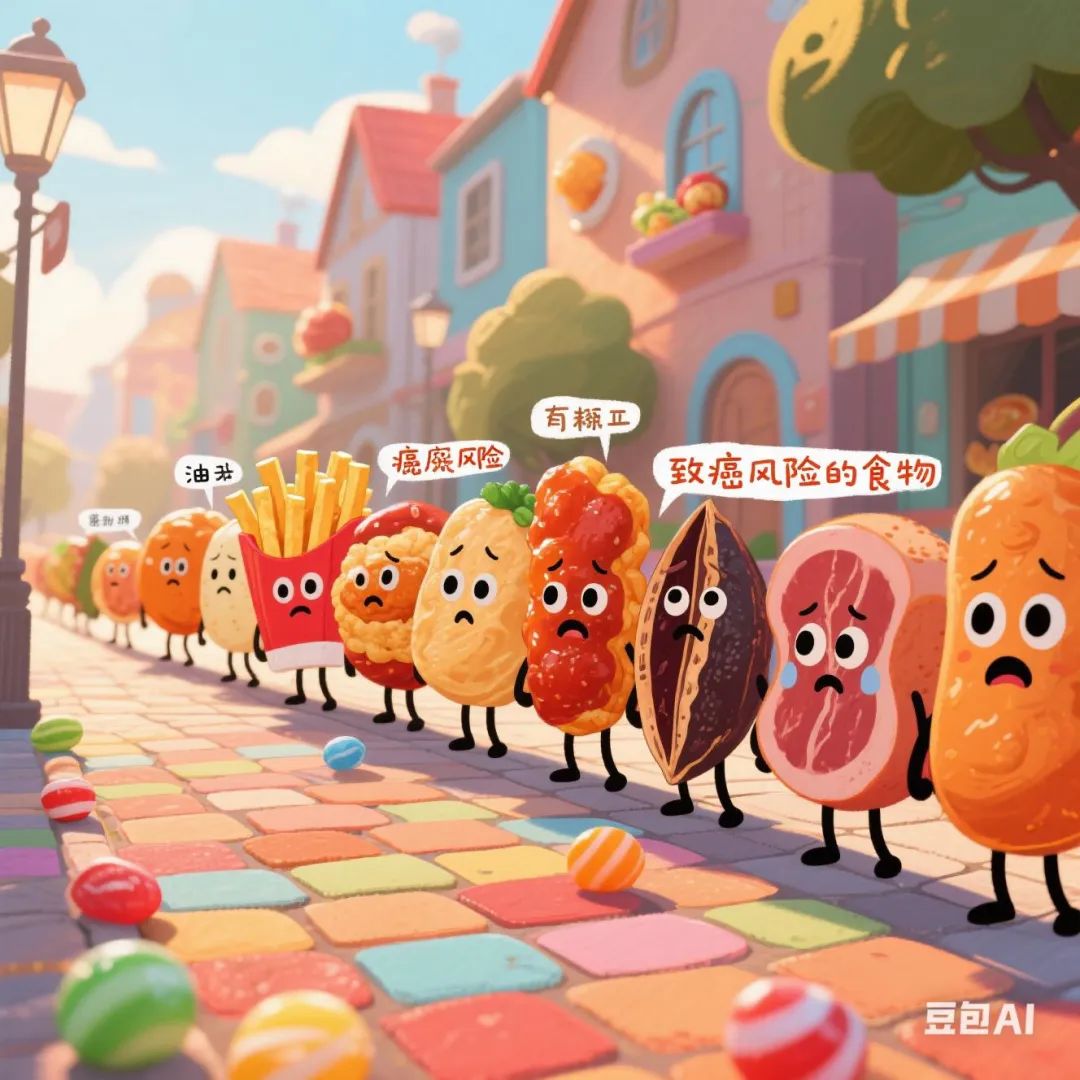
The International Agency for Research on Cancer (IARC) classifies carcinogens into groups based on evidence strength. Tumor patients should particularly avoid:
1.Alcohol (Group 1 carcinogen): Metabolized into acetaldehyde, which increases cancer risk. Even moderate consumption may accelerate disease progression .
2.Processed meats (Group 1): Includes sausages, ham, and bacon. Contains nitrites and polycyclic aromatic hydrocarbons (PAHs) linked to carcinogenesis .
3.High-salt foods: Excess sodium and nitrites elevate gastric cancer risk. Avoid pickled or cured products .
4.Deep-fried foods (Group 2A): Generate carcinogens like benzo[a]pyrene during high-temperature cooking. Limit intake to reduce oxidative stress .
Can Patients Eat "Prohibited Foods" (Fāwù)?
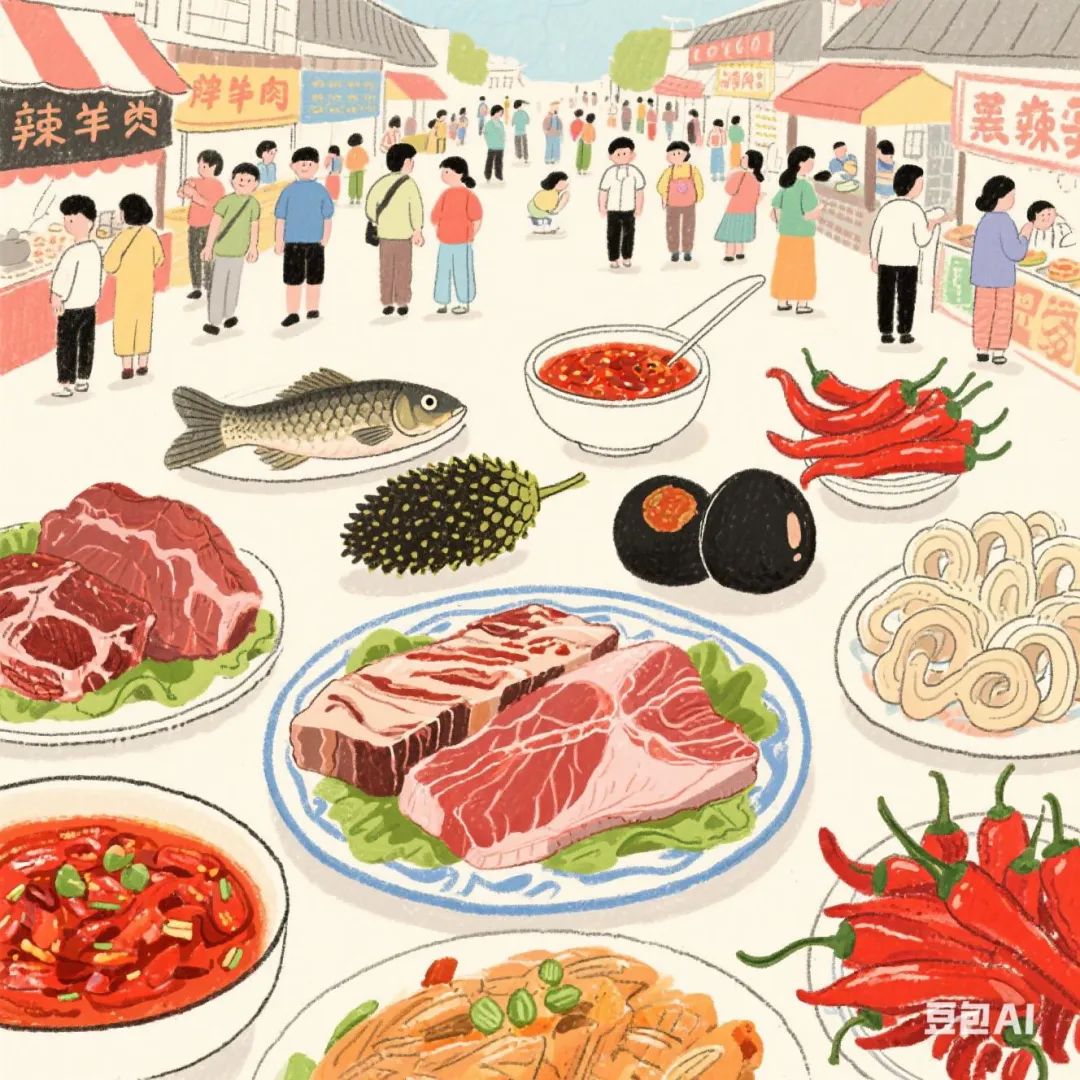
In traditional Chinese medicine (TCM), fāwù refers to foods that may trigger disease recurrence, such as:
● Warm/hot-natured foods: Spicy items (chili, pepper) and red meats (mutton, beef).
● Seafood: Shrimp, crab, and crab.
Modern perspective: Many fāwù (e.g., shrimp, mutton) are rich in high-quality protein, crucial for cancer patients facing metabolic demands. Over-restriction risks malnutrition and weakens treatment tolerance. Whether to avoid depends on individual constitution and disease status.Cancer is a wasting disease, and excessive dietary restrictions may lead to malnutrition, subsequently affecting patient stamina and treatment efficacy.
Therefore, whether cancer patients should avoid specific foods must be comprehensively evaluated based on"The patient’s constitution, the specific disease condition, other individual factors."
Debunking Myths: "Starving the Tumor"
Myth: Restricting food intake can "starve" tumors.
Reality: Tumor cells metabolize nutrients more aggressively than normal cells. Dietary deprivation deprives healthy tissues of resources, worsening immunosuppression and treatment outcomes.
Evidence-based approach:
● Tumor-targeted therapies (e.g., anti-angiogenic drugs) block nutrient supply to tumors pharmacologically.
● Patients should maintain adequate caloric intake (20% above baseline) and protein consumption (1.2–2 g/kg/day) to support recovery .

Evidence-Based Dietary Strategies
1.Balanced nutrition:
● Follow Huangdi Neijing principles: "Grains nourish, fruits assist, meats enrich, vegetables replenish." Prioritize whole grains, legumes, and colorful vegetables
● Include anti-inflammatory foods: Cruciferous vegetables (broccoli), berries (blueberries), and green tea (polyphenols)
2.Personalized adjustments:
● Qi-deficiency: Use spleen-tonifying foods like Poria cocos cake or coix porridge.
● Lung cancer: Favor white-colored ingredients (lily bulbs, Ophiopogon)
3.Practical tips:
● Small, frequent meals: Post-gastric surgery patients benefit from 5–6 daily meals to ease digestion
● Food-medicine synergy: For chemotherapy-induced anemia, incorporate goji berries or jujubes (iron-rich).
Special Considerations
● Surgery/post-op: Transition from clear liquids to soft foods, emphasizing protein (egg custard, minced meat). Avoid gas-producing foods (beans, milk) .
● Chemotherapy: Use ginger tea for nausea; supplement with iron-rich foods (spinach, liver).
● Radiotherapy: Hydrate with herbal infusions (chrysanthemum) to soothe mucositis.
Nutrition is a cornerstone of cancer care. While certain foods warrant caution (e.g., alcohol, processed meats), blanket restrictions on fāwù or protein sources are unnecessary. Tailor dietary plans to individual needs, integrating modern oncology with traditional wisdom. Always consult oncologists or dietitians for personalized guidance.
Balance, moderation, and evidence-based choices are key to supporting treatment efficacy and quality of life.