Difficulty Swallowing? Don't Ignore It – It Could Be Esophageal Cancer!
Difficulty Swallowing? Don't Ignore It – It Could Be Esophageal Cancer!
Mr. Wang, a 60-year-old man, has always maintained healthy living habits—avoiding alcohol and tobacco while having a special fondness for tea. He particularly enjoys the moment when the hot tea first touches his lips, savoring both the subtle thrill of the heat and the lingering aroma that fills his mouth. This unique tea-drinking experience has become a bright spot in his life.
However, three months ago, Wang began to notice an unusual obstruction when swallowing. Instead of improving, the symptom worsened over time, until he could barely manage to swallow thin porridge. Even more concerning was a hard lump that had quietly appeared on the right side of his neck. Aware of these physical changes, Wang promptly told his son about his discomfort. Upon hearing this, his son acted immediately and accompanied his father to the Fifth Department of Gastroenterology at Wuwei Academy of Medical and Science Cancer Hospital for a checkup.
After a series of thorough examinations—including gastroscopy, biopsy pathology analysis, esophageal imaging, and enhanced CT scans of the neck, chest, and abdomen—the doctors ultimately diagnosed Wang with esophageal cancer.
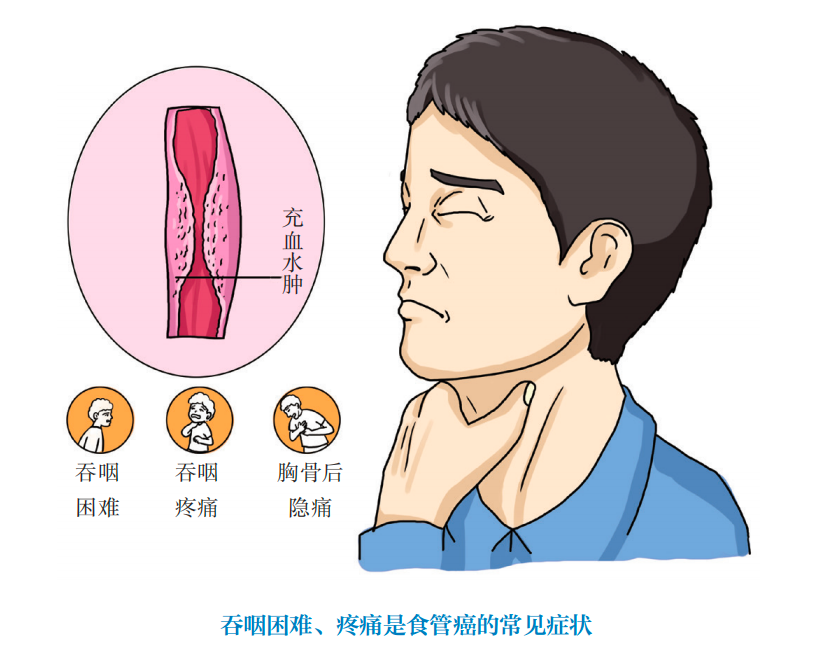
This news inevitably raises questions: Is esophageal cancer truly a "disease of diet"? Faced with such a challenge, how can we prevent it scientifically? To address these concerns, we have invited Dr. Li Shihua, director of the Fifth Department of Gastroenterology at Wuwei Academy of Medical and Science Cancer Hospital, to provide comprehensive and detailed answers to the questions most frequently asked by patients and their families.
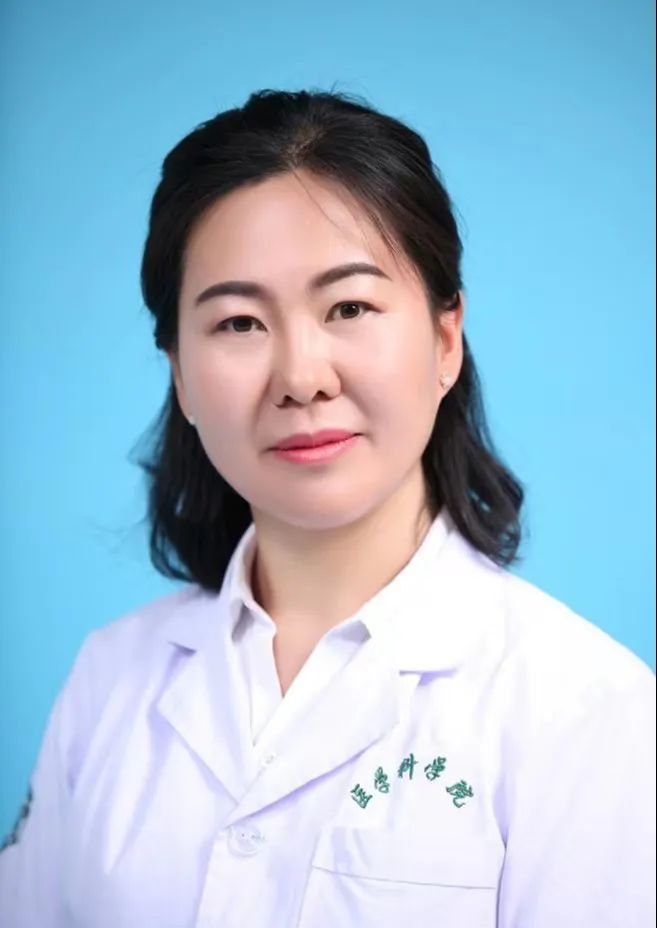
Li Shihua, Associate Chief Physician
Currently serves as the Director of the Fifth Department of Gastroenterology at Wuwei Academy of Medical and Science Cancer Hospital and holds the professional title of Associate Chief Physician. Appointed as the Secretary of Wuwei Digestive Professional Committee and serves as a Young Mentor for the Gansu Rural Upper Gastrointestinal Cancer Early Detection and Treatment Program. With 16 years of clinical and research experience in digestive system diseases and digestive endoscopy, specializing in the examination and treatment of benign and malignant gastrointestinal diseases. Completed advanced training at Beijing Cancer Hospital of Chinese Academy of Medical Sciences and Wuhan Union Hospital. Published 5 papers in national and provincial medical journals. As the primary inventor, has been granted 4 utility model patents and received the First Prize of Wuwei Science and Technology Award. Achieved outstanding results in Gansu Provincial Early Cancer Practical Skills Competition, including 1 Grand Prize, 3 Second Prizes, and 1 Third Prize, along with 1 First Prize in Hexi Region Competition. Honored with the title of "Advanced Worker" by National Health Commission's Rural Cancer Early Detection and Treatment Program, and recognized as "Advanced Worker" in Gansu Province's Gastric Cancer Prevention and Control Efforts.
- Director Li, what are the risk factors for esophageal cancer?
Esophageal cancer typically affects individuals aged 40 and above, with its incidence peaking between the ages of 60 and 70. The pathogenesis is complex, involving multiple interrelated factors, among which poor dietary habits play a particularly significant role. Long-term smoking, excessive alcohol consumption, frequent intake of excessively hot foods, and a preference for processed foods rich in nitrosamines—compounds commonly found in pickled, smoked, and barbecued foods—are all major risk factors for esophageal cancer.
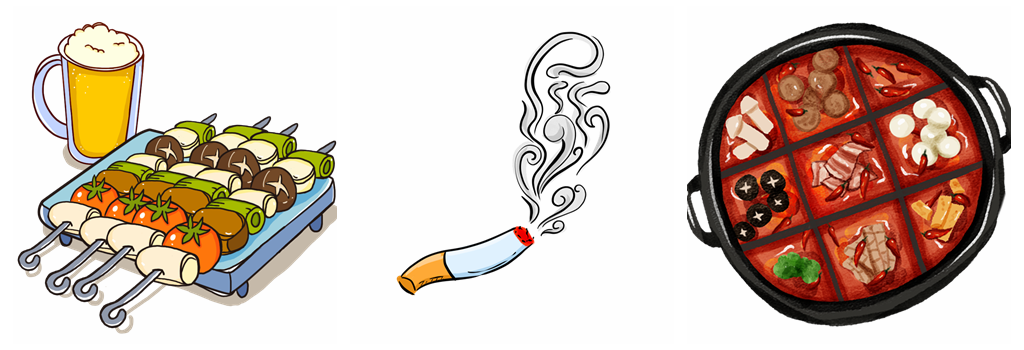
In addition, other potential threats should not be overlooked: the detrimental effects of fungal infections, deficiencies in essential trace elements and vitamins, the exacerbation of obesity, the presence of precancerous lesions, and genetic predisposition all contribute to varying degrees of increased risk for esophageal cancer. Therefore, implementing proactive preventive measures against these risk factors is of paramount importance in reducing the incidence of esophageal cancer.
- How is esophageal cancer diagnosed, Director Li?
In the early stages of the disease, symptoms are often subtle and nonspecific. Patients may experience only mild difficulty swallowing, a foreign body sensation in the throat, or unexplained discomfort and tightness behind the sternum. These symptoms tend to appear intermittently, making them easy to overlook and leading to delays in early diagnosis and treatment.
As the disease progresses to the middle and late stages, typical symptoms of esophageal cancer become more apparent—progressive dysphagia becomes the most significant concern. Initially, patients may struggle to swallow dry or hard foods; subsequently, even semi-liquid foods become difficult to ingest; eventually, even water and saliva cannot be swallowed smoothly. During this process, patients often experience severe weight loss, dehydration, general fatigue, and other signs of cachexia, significantly impacting their quality of life.
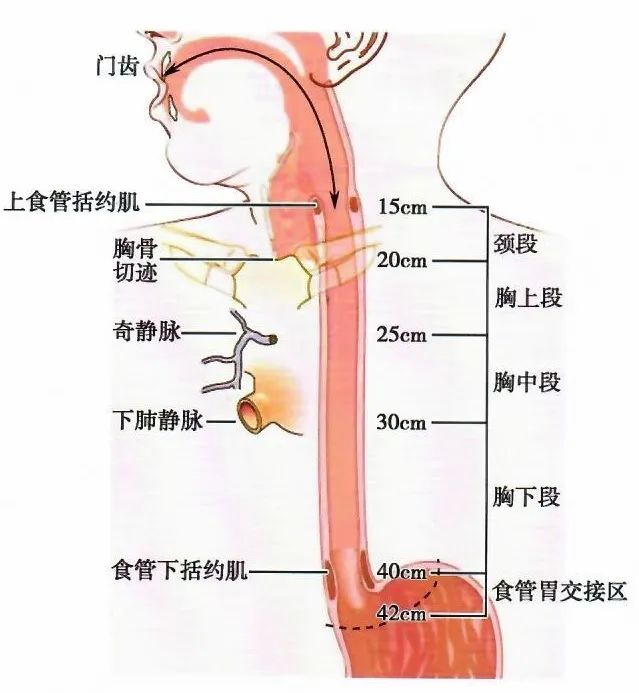
To accurately diagnose esophageal cancer, modern medicine offers a variety of highly effective and precise diagnostic methods, primarily including upper gastrointestinal contrast studies, esophageal CT/MRI scans, endoscopic examinations, endoscopic ultrasonography (EUS), and whole-body PET-CT scans. These advanced diagnostic techniques enable comprehensive evaluation of the esophageal condition from multiple angles and different dimensions, providing a solid foundation for physicians to develop scientific and rational treatment plans.
- Director Li, what precautions should esophageal cancer patients take during the recovery period?
Esophageal cancer patients need to pay attention to the following matters during the recovery period to ensure disease stabilization and gradual physical rehabilitation:
1. Maintain a balanced diet and engage in moderate exercise
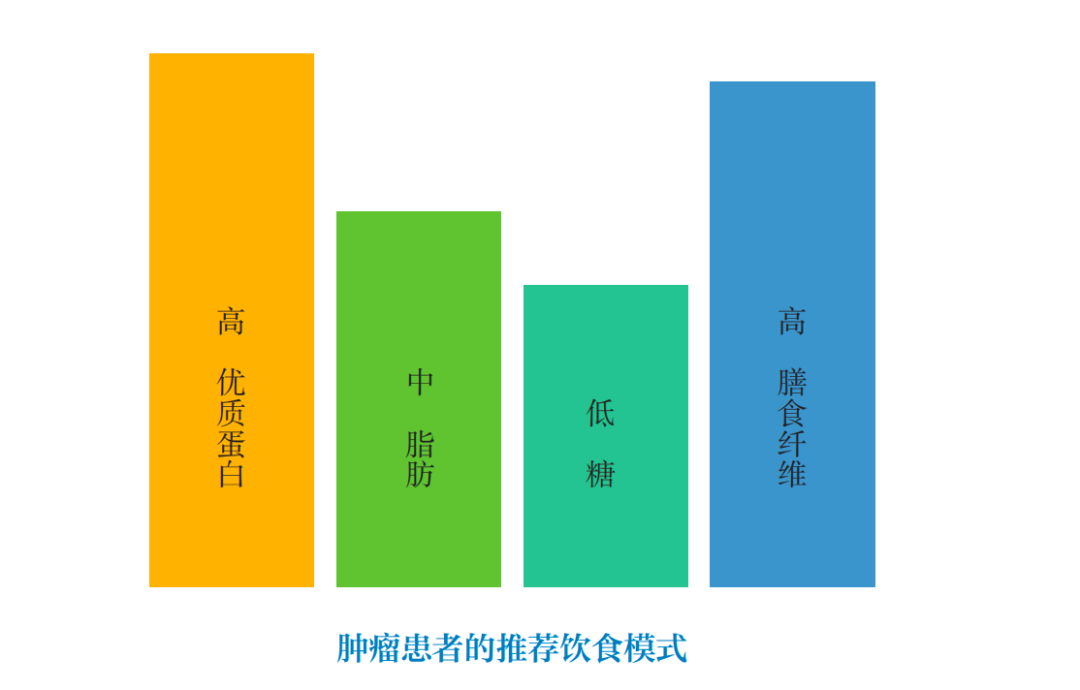
It is recommended to appropriately increase the intake of high-quality protein-rich foods while diversifying the variety of vegetables and fruits on your plate, and strictly controlling the consumption of refined sugars. In short, adhere to the "golden dietary principles" of high protein, moderate fat, low sugar, and high fiber to nourish both body and mind and promote overall health.
Absolutely avoid consuming any spoiled or moldy foods, as well as foods that are difficult to digest or overly sticky, such as zongzi (glutinous rice dumplings), niangao (sticky rice cake), tangyuan (glutinous rice balls), and certain high-fiber vegetables, to prevent digestive discomfort or potential obstruction.
For post-operative esophageal cancer patients, moderate exercise is not only an effective way to prevent thrombosis—prolonged bed rest significantly increases the risk of blood clots—but also notably enhances gastrointestinal motility and improves appetite. Additionally, active physical rehabilitation minimizes the physical damage caused by surgery. Furthermore, appropriate exercise helps optimize sleep quality, accelerates physical recovery, and greatly contributes to overall rehabilitation.
When selecting exercise routines, patients' physical conditions should be carefully considered, prioritizing low-intensity and gentle activities. Exercise duration and intensity should be reasonably scheduled to ensure both safety and effectiveness.

2. Quit smoking and alcohol, and adjust psychological state
Upon receiving a cancer diagnosis, most patients invariably experience intense psychological turmoil, potentially plunging into a state of "stress-induced shock" before entering a period of mental confusion. If not properly managed during this phase, not only will the body's immune function suffer severe damage, but the nervous and endocrine systems may also become imbalanced, jeopardizing internal homeostasis and inadvertently creating fertile ground for cancer metastasis and recurrence. Therefore, active intervention to help patients overcome cancer-related fear and rebuild a positive mindset is an indispensable part of the recovery journey.
While the direct link between personality traits and cancer incidence remains debated, character tendencies undoubtedly play a subtle yet significant role in cancer progression and prognosis. We recognize that participation in cancer patient support groups enables individuals to subtly adjust and optimize their personalities through mutual exchange and encouragement, thereby facilitating recovery. Crucially, gently yet firmly guiding patients to acknowledge and understand both the strengths and weaknesses of their character—working together to explore pathways for personality refinement—is not only a vital step in psychological adjustment but also a primary task in promoting comprehensive rehabilitation.
3. Director Li, what forms of nutritional support are available for esophageal cancer patients?
Nutritional support plays a pivotal role in the treatment and recovery journey of esophageal cancer patients, serving as a critical component to accelerate recovery and enhance treatment efficacy. The strategy artfully integrates personalized dietary adjustments, efficient enteral nutrition supplementation, and parenteral nutrition support when necessary. These three pillars work synergistically to provide patients with comprehensive and balanced energy and nutrients. This not only helps maintain normal physiological functions but also serves as a fundamental pillar for promoting cellular repair, boosting immunity, and accelerating the recovery process. Therefore, a scientifically sound and rational nutritional support plan is a solid backbone for every esophageal cancer patient's rehabilitation.
First and foremost, dietary adjustment stands as the cornerstone of nutritional support. Patients should meticulously select easily digestible yet nutrient-rich foods as the mainstay of their daily diet, such as warm milk, high-quality protein sources like eggs and fish, as well as a variety of vegetables and fruits rich in vitamins and minerals. At the same time, to reduce esophageal burden and facilitate recovery, it is essential to scrupulously avoid irritating foods that are spicy, sour, or greasy, ensuring that every bite contributes to the nourishment and healing process.

Secondly, when esophageal cancer patients experience feeding difficulties (or dysphagia), enteral nutrition becomes a crucial method to meet their nutritional needs. Through precise procedures such as nasogastric tube placement or jejunostomy, we can directly deliver nutrient mixtures rich in proteins, vitamins, and minerals to the intestine, ensuring comprehensive and balanced nutritional support.
Furthermore, in specific cases, intravenous infusion of essential nutrients—such as amino acids and albumin—can be administered to enhance the nutritional support system and accelerate recovery.
In conclusion, at every stage of esophageal cancer treatment, providing patients with adequate and evidence-based nutritional support is not only an essential component of the treatment plan but also a key strategy to improve therapeutic outcomes and expedite recovery.
Doctor's Reminder
In addition to meticulous dietary adjustments esophageal cancer patients should highly prioritize and actively participate in follow-up management after treatment completion as this constitutes a critical component for ensuring long-term health and enabling timely detection and management of potential issues.
Specifically adhering to a scientific follow-up schedule is paramount: within the first 1-2 years post-treatment it is recommended to undergo comprehensive re-examinations every 3-6 months; during the subsequent 3rd to 5th years the re-examination frequency can be adjusted to once every 6 months; and after five years it is advised to have at least annual check-ups to continuously monitor health status.
The re-examination protocol is both comprehensive and in-depth encompassing but not limited to: detailed medical history review and physical examinations aimed at capturing any subtle bodily changes; upper gastrointestinal contrast studies to assess esophageal structural and functional recovery; (cervical) thoracoabdominal CT scans for detecting signs of recurrence or metastasis; cervical ultrasound examinations focusing on lymph node status; and crucially endoscopic inspections directly observing esophageal mucosal conditions to provide reliable evidence for precise diagnosis and treatment.
Through this series of meticulous follow-up measures we can identify potential issues earlier make timely therapeutic adjustments and thereby maximize patients' quality of life and overall well-being.
Gansu Wuwei Cancer Hospital
Department of Gastroenterology
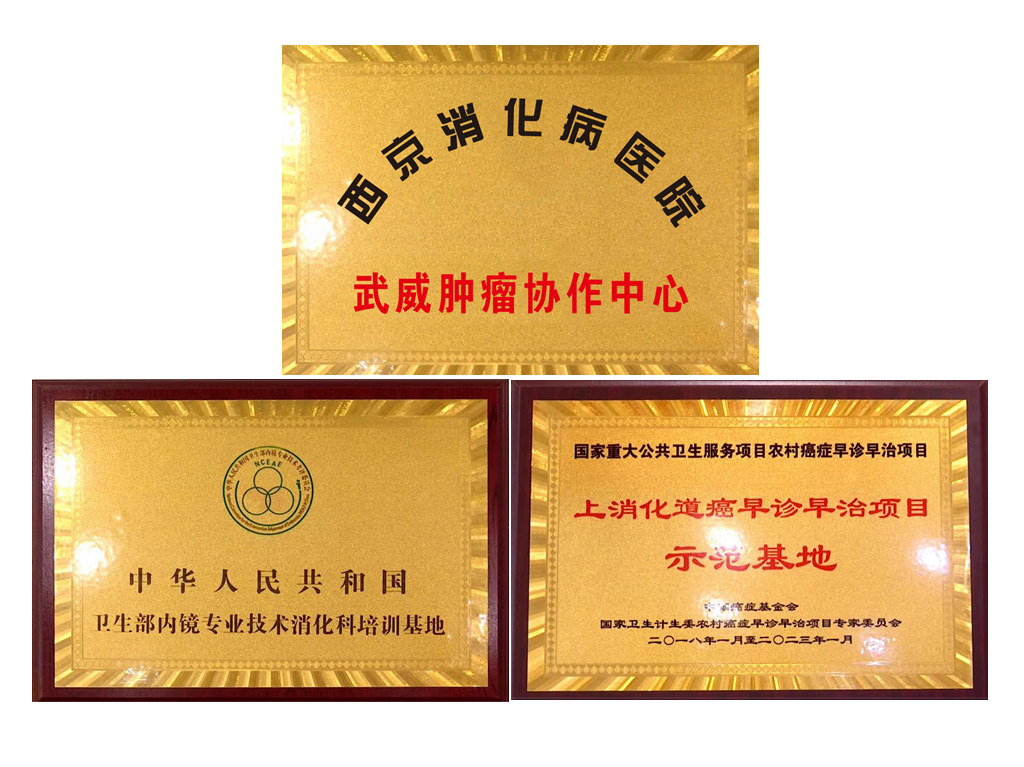
The Department of Gastroenterology is a key discipline in Gansu Province, a demonstration base for the National Key Public Health Service Program's Rural Cancer Early Detection and Treatment Project focusing on upper gastrointestinal cancers, a training center for digestive endoscopy professionals accredited by the National Health Commission, Gansu Provincial Key Laboratory of Gastrointestinal Diseases, Wuwei Sub-center of China Helicobacter pylori Molecular Medicine Center, and Wuwei Sub-library of Xijing Biobank, among other prestigious designations.
The department boasts a professional team led by senior experts including Chief Physician Zhang Zhiyi, Director of Gastroscopy Center and leading talent in Gansu Province's healthcare system as well as Wuwei City's leading talent, founder of the Department of Gastroenterology at Wuwei Academy of Medical and Science Cancer Hospital; Deputy Director and Chief Physician Nie Peng (Master of Medicine); Chief Physicians Lin Lizhen, Zhang Wenhong (Master of Medicine), and Zhao Guangyuan (Master of Medicine); Associate Chief Physicians Zhao Shuguang, Li Shihua, Liu Jindian (Master of Medicine), and Xie Chunfang, forming a robust roster of highly qualified specialists.
The Department of Gastroenterology is equipped with over 300 advanced medical devices, including China's first domestically produced four-arm surgical robot, Gansu Province's fourth PET-CT scanner and the first such device installed in a prefecture-level hospital, a Dynamic 500-slice Gemstone Spectral CT, an Optima670 64-slice 128-layer spiral CT, as well as more than 10 types of advanced endoscopic surgical systems such as STORZ·HD full-HD laparoscopes, high-definition 3D thoracoscopes, and high-definition 3D fluorescence laparoscopes. The department also houses a comprehensive suite of over 30 endoscopic instruments, including Olympus NBI magnifying endoscopes and ultrasound endoscopes.