Lifestyle and Cancer: What’s the Connection?
Lifestyle and Cancer: What’s the Connection?
In the medical field, cancer prevention has always been a major concern for the public. Many people often ask: "Can cancer be prevented?" The scientific answer is yes—but this does not mean that the incidence of cancer can be reduced to zero.
The development of cancer is a complex process influenced by a combination of factors, including both modifiable (controllable) and non-modifiable (uncontrollable) elements. However, if we can effectively intervene in the modifiable risk factors, the overall risk of developing cancer can be significantly reduced.

So, what are the controllable factors? They primarily refer to unhealthy behaviors and habits. Malignant tumors caused by long-term unhealthy lifestyles and behavioral habits are often referred to as "lifestyle-related cancers."
An unhealthy lifestyle encompasses various aspects, including diet, physical activity, sleep patterns, and more. While it is widespread across different populations and shares certain commonalities overall, its specific manifestations vary due to individual differences.
Male
Tobacco use and alcohol consumption
Among men, smoking and drinking are relatively common coping mechanisms for stress. However, these behaviors conceal significant health risks. Lung cancer, a typical "lifestyle-related cancer," exhibits a higher incidence in men, with smoking being the primary contributing factor. Statistics show that men have a significantly higher smoking rate than women.
Additionally, men tend to have more opportunities for alcohol consumption due to social networking and business engagements. Chronic alcohol use is a major risk factor for cancers such as liver cancer and esophageal cancer.

Lack of exercise and poor diet
Some men, due to the nature of their work, remain sedentary for prolonged periods, lacking sufficient physical activity. Meanwhile, irregular eating habits, overconsumption, and a long-term diet high in fat and protein can lead to metabolic disorders, significantly increasing the risk of cancers such as colorectal cancer and prostate cancer.

Female
Poor Dietary Habits
Many women consume excessive sweets, bubble tea, and high-calorie foods while leading sedentary lifestyles under high stress, making them prone to obesity - a key risk factor for breast and colorectal cancers. Additionally, frequent consumption of fried, pickled, and grilled foods further elevates the risk of gastric cancer.

Hormones and pregnancy
Improper use of exogenous estrogen—such as certain contraceptives or substandard cosmetics—as well as unsafe sexual practices, may increase the risk of HPV infection, which can subsequently lead to cervical cancer.

Emotions and stress
Modern women often face the dual pressures of work and family, experiencing prolonged tension and anxiety, which can lead to hormonal imbalances and increase the risk of cancers such as breast and ovarian cancer.

Young people
Stay up late
Staying up late and irregular sleep patterns are common problems among many young people. They often indulge in video games, binge-watching TV series, or nightlife activities, which disrupt the body's circadian rhythm. Research shows that such disruptions can lead to reduced melatonin secretion, thereby increasing the risk of cancers including breast cancer, prostate cancer, as well as leukemia and lymphoma.

Poor Dietary Habits
Young people's eating habits often favor convenient, fast-preparation foods such as barbecued and deep-fried items, with takeout becoming their primary food source. These foods are typically high in oil, salt, and sugar. Prolonged consumption of such diets has been shown to increase the risk of gastric and colorectal cancers. The unhealthiness of this dietary pattern has been confirmed by multiple studies.

Physical Inactivity
Many young people spend long hours sitting at computer desks for work, while relying primarily on motorized transportation for daily commutes, resulting in insufficient physical activity. This sedentary lifestyle has been scientifically proven to increase the risk of colorectal cancer, endometrial cancer, and other diseases. Regular physical exercise is essential for maintaining good health, whereas prolonged sitting can have detrimental effects on well-being.

Older adults
With advancing age
The immune system weakens and resistance declines, making the negative effects of unhealthy lifestyles on health become increasingly pronounced.

Chronic diseases
Older adults frequently suffer from chronic diseases,such as chronic atrophic gastritis and gastric ulcers, which significantly increase their risk of developing gastric cancer.Similarly, elderly individuals with diabetes face elevated risks of liver cancer and pancreatic cancer.
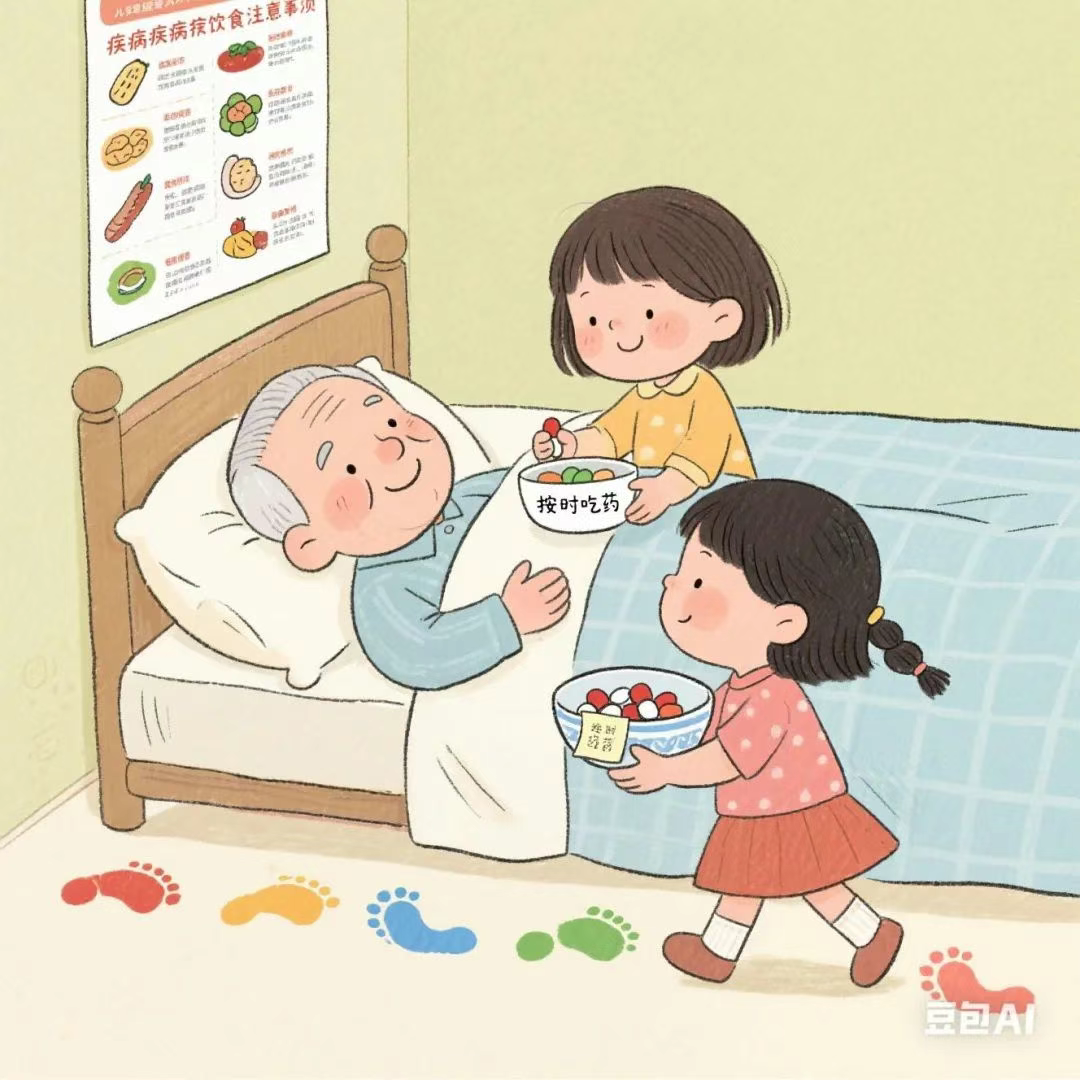
Nutritional Deficiencies
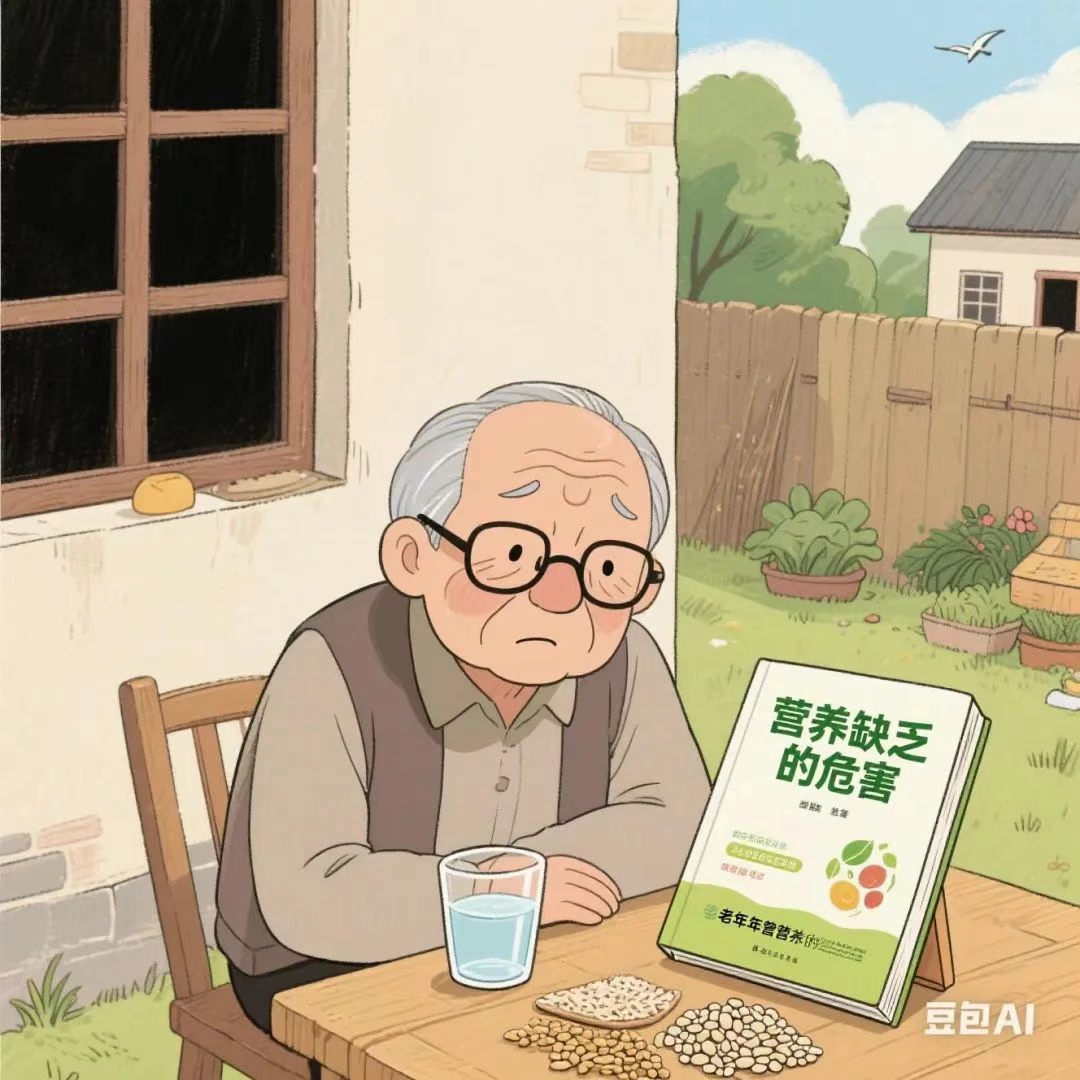
Older adults often prefer preserved and high-salt foods, which increases their risk of gastric cancer.
Additionally, poor dental health, weakened digestive function, and monotonous diets leading to inadequate nutrition further elevate cancer risks.
Health is the accumulation of countless choices we make in life.Every healthy choice we make paves the way for a better future.To combat "lifestyle-related cancers,"we must start with the small daily decisions -letting healthy habits safeguard our lives.This isn't just an individual responsibility,but a collective mission for society.Let us choose health with reason,and protect life with action.