Understanding Colon Cancer!
【Expert Q&A】Understanding Colon Cancer!
Recently, Xiao Xu, a young woman in the prime of her life at just thirty years old, was suddenly confronted with a frightening health scare—she noticed blood in her stool. This alarming discovery sent her into a panic, and without hesitation, she sought a thorough examination at the hospital.
In the hospital’s colonoscopy room, a distressing finding was revealed to both the doctor and Xiao Xu: a large polyp hidden in her colon, its surface covered with alarming ulcers and an abnormal shape that hinted at malignancy. The doctor’s professional analysis suggested a high likelihood of cancerous transformation based on the polyp’s characteristics under the scope. This news undoubtedly placed immense psychological pressure on Xiao Xu.
Faced with such a severe health challenge, despite her anxiety and fear, Xiao Xu chose to confront it with courage, patiently awaiting the results of her pathology report. During this time, she deeply reflected on the relationship between lifestyle habits and health, gaining a newfound appreciation for her physical well-being. She also hopes her experience will serve as a wake-up call for her peers, urging them to pay attention to their health, take preventive measures early, and avoid similar tragedies.

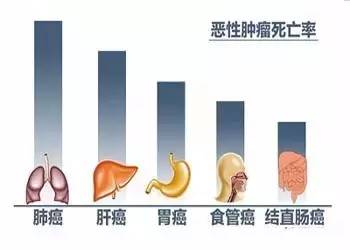
Traditionally, colon cancer has been perceived as a health threat primarily affecting middle-aged and elderly men. However, a concerning trend is emerging: young women are also at risk of developing colon cancer. This shift highlights the complexity of disease patterns and new dimensions in prevention and control challenges. Particularly noteworthy is China’s unfortunate status as a global "hotspot" for new cases and deaths from colorectal cancer, a burden that demands urgent attention.
According to authoritative data from China’s 2020 Cancer Statistics Report, colorectal cancer ranks second and fifth in incidence and mortality rates among malignant tumors in the country, respectively. These figures not only reveal the disease’s widespread prevalence but also sound a health alarm. Globally, nearly 900,000 lives are lost to colorectal cancer each year—a staggering number that underscores the urgent need to strengthen prevention, early diagnosis, and effective treatment.
Therefore, regardless of gender or age, we must enhance our awareness of colorectal cancer and adopt proactive lifestyle measures, such as a balanced diet, regular exercise, and routine health checkups, to scientifically reduce the risk of disease and safeguard the health of ourselves and our families.
Today, we’ve invited Director Chen Hongbing from the Gastrointestinal Surgery Department of Wuwei Academy of Medical and Science Cancer Hospitall to provide comprehensive and detailed answers to the questions most commonly asked by patients and their families.
Chen Hongbing
Chief Physician, Second-Class
● Leader of Provincial Key Disciplines
● Director of Gastrointestinal Surgery and Medical Affairs at Wuwei Cancer Hospital
● Member of the Expert Panel of Gansu Provincial General Surgery Quality Control Center
● Expert Enjoying Gansu Provincial Senior Professional Talent Allowance
● Vice Chair of the Gansu Provincial Colorectal Cancer Committee of the Anti-Cancer Association
● Vice President of the Gansu Branch of the Chinese Colorectal Cancer MDT Alliance
● Executive Director of the Chinese Rectal Cancer Sphincter Preservation Alliance
● Member of the Longyuan Gastrointestinal Disease Alliance of the Chinese Anti-Cancer Association’s Tumor Gastroenterology Committee
● Vice Chair of the First Gansu Provincial Medical Association’s Oncology Branch
● Vice Chair of the Gansu Provincial Medical Association’s Robotic Surgery Branch
● Member of the Gansu Provincial Medical Association’s Bariatric and Metabolic Disease Committee
● Vice Chair of the Wuwei Municipal General Surgery Committee
● Specialties: Standardized D2 radical gastrectomy for gastric cancer, standardized D3 radical resection for colorectal cancer; pioneered laparoscopic and robotic standardized radical gastrectomy for gastric and colorectal cancer in our province and city 12 years ago, laparoscopic sphincter-preserving surgery for low rectal cancer (ISR, Bacon surgery), and laparoscopic and robotic radical NOSES surgery for colorectal cancer. Completed six research projects, awarded three municipal-level Science and Technology Progress Second Prizes and two provincial-level Third Prizes. In 2022, completed one National Health Commission project; in 2023, led one Wuwei Municipal Key R&D Plan project.
Q:Director Chen, what are the causes of colon cancer?
A:The causes of colon cancer are multifaceted, including genetics, diet, chronic inflammation, polyps, lifestyle, and environmental factors. Therefore, preventing colon cancer requires a comprehensive approach, including maintaining healthy eating habits, moderate exercise, avoiding smoking and alcohol, regular checkups, and proactive treatment of inflammatory bowel diseases. For individuals with a family history or other high-risk factors, regular colon cancer screenings are essential for early detection and treatment. Below is a detailed summary of the causes of colon cancer.
- Genetic Factors
● Genetic factors play a significant role in the development of colon cancer. Certain hereditary conditions, such as familial adenomatous polyposis (FAP) and hereditary nonpolyposis colorectal cancer (HNPCC), are closely linked to colon cancer. Patients with these conditions and their family members face a significantly higher risk of developing colon cancer than the general population.
● Individuals with a first-degree relative (e.g., parents, siblings) who has had colorectal cancer also face an increased risk.
2.Dietary Habits
● A diet high in fat and protein but low in fiber is a major risk factor for colon cancer. High-fat diets, especially those rich in saturated fatty acids, can promote the synthesis of cholesterol and bile acids in the liver, which may be converted into carcinogens by gut bacteria.
● Insufficient intake of vegetables, fruits, and whole grains, leading to low dietary fiber consumption, may also increase the risk of colon cancer.
3. Chronic Inflammation
● Chronic inflammatory bowel diseases, such as ulcerative colitis and Crohn’s disease, are known risk factors for colon cancer. Long-term intestinal inflammation from these conditions can lead to abnormal cell growth, eventually developing into colon cancer.
4.Polyps and Other Lesions
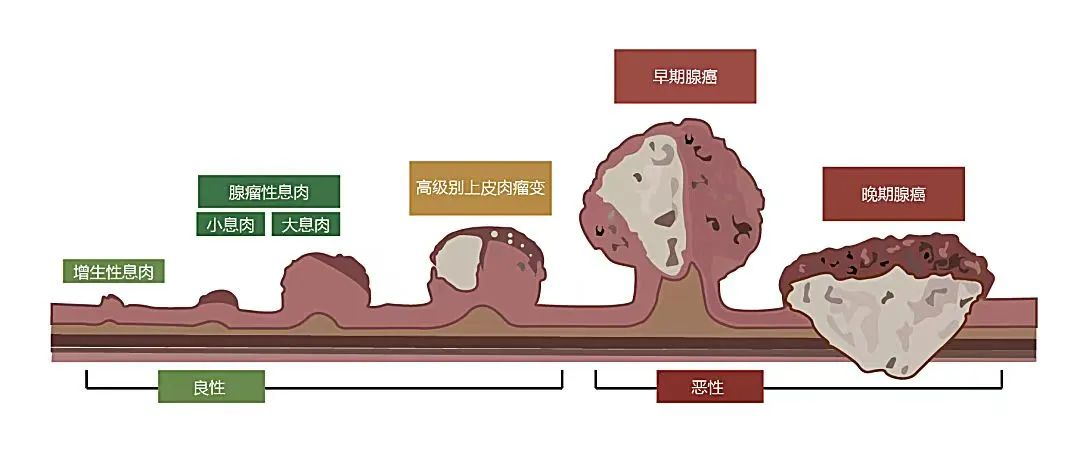
● Colon polyps, particularly villous adenomas and tubular adenomas, are precancerous lesions. Over time, these polyps may undergo malignant transformation into colon cancer.
5.Lifestyle Factors
● A sedentary lifestyle with little physical activity can slow intestinal motility, increasing the risk of colon cancer.● Unhealthy habits like smoking and excessive alcohol consumption are also associated with colon cancer.
6.Environmental Factors
● Air pollution and exposure to chemicals may also contribute to colon cancer, though the exact mechanisms remain unclear.
7.Age and Gender
● The risk of colon cancer increases with age, particularly after 50.
● Men face a slightly higher risk than women, though this difference is not absolute, and women should also remain vigilant about prevention.
Q:Director Chen, how can colon cancer be prevented?
A:Preventing colon cancer is a comprehensive process involving lifestyle habits, diet, regular checkups, and more. Here are some specific preventive measures:

(1) Maintain a healthy diet with balanced nutrition. Reduce intake of red meat and preserved foods, focus on plant-based diets, increase whole grains, vegetables, and fruits, adjust diet based on bowel movements, and limit alcohol.

(2) Adopt a healthy lifestyle. Avoid prolonged sitting, exercise regularly, and maintain a healthy weight. Establish a good sleep routine and quit smoking.
(3) Minimize exposure to environmental carcinogens, such as chemical, physical, and biological factors.
(4) Prioritize personal health management, understanding the role of genetic, immune, and endocrine factors in cancer development.

(5) Maintain a healthy, optimistic mindset.
Q:Director Chen, what are the screening methods for colon cancer?
A:There are several screening methods: digital rectal examination, fecal occult blood test, endoscopy, double-contrast barium enema, CT scans, and ultrasound imaging. Among these, digital rectal examination, fecal occult blood test, and endoscopy are the most significant for early detection.
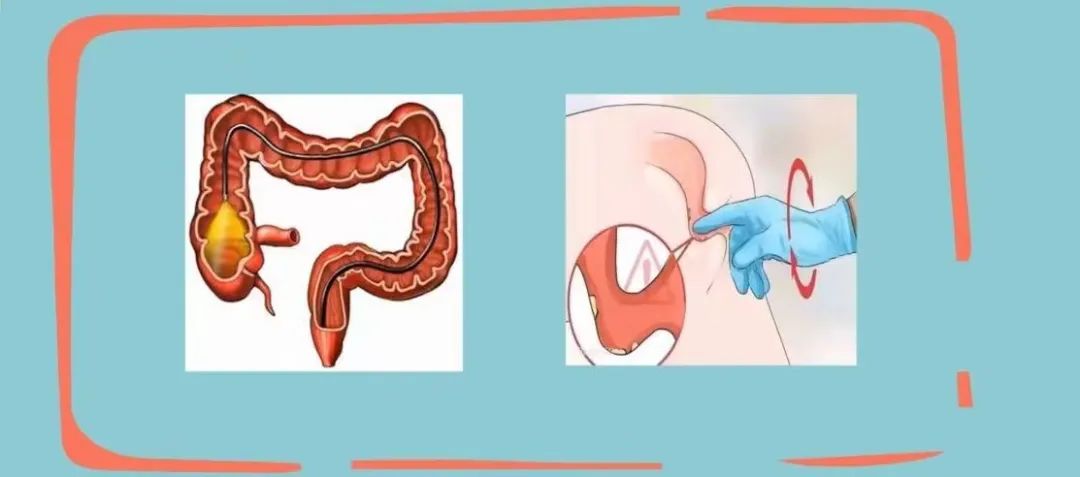
Digital Rectal Examination: A Fundamental and Critical Routine Check
The digital rectal examination, one of the most basic yet crucial medical procedures, is simple and quick yet plays a pivotal role in diagnosing colon cancer. This examination is not only indispensable for preoperative assessments of rectal cancer but also serves as a preliminary window into intestinal health.
2、Fecal Occult Blood Test: An Economical and Effective Screening Tool for Colon Health
The fecal occult blood test, a primary screening method for colon diseases and colorectal cancer, is widely recommended for its affordability, safety, and speed. In recent years, the World Health Organization has advocated for this test every 1-2 years for early risk detection. Note: Avoid testing during menstruation or hemorrhoid bleeding to ensure accuracy.

3、Colonoscopy and Fiberoptic Colonoscopy: Precision Tools for Intestinal Health
Colonoscopy and fiberoptic colonoscopy allow direct, clear visualization of the intestines and even enable tissue sampling for pathological analysis, providing robust support for accurate diagnosis. These methods are particularly important for patients with symptoms like bloody stools or changes in bowel habits but no abnormalities on digital rectal examination. Though fiberoptic colonoscopy may seem complex initially, it is currently the gold standard for examining colorectal lesions in terms of safety, efficacy, and reliability.

Notably, up to 90% of colorectal cancers originate from rectal polyps, a process that typically takes 10 to 15 years. Thus, regular endoscopic examinations can detect and remove polyps early, achieving the "three earlys" of colorectal cancer—early detection, diagnosis, and treatment—effectively safeguarding intestinal health.
Conclusion
In today’s fast-paced world, we should embrace a philosophy of balancing work and rest, maintaining a joyful mindset, adhering to early bedtimes and wake-ups, resisting the temptation to stay up late, and ensuring high-quality sleep to nourish body and mind. Simultaneously, steer clear of tobacco and alcohol to build a strong defense for intestinal health, leaving no room for colon cancer. Even those with a family history of the disease need not panic excessively—regular health checkups and scientific preventive measures can make "intestinal peace and worry-free" a reality.
In summary, while colon cancer is often cited as a health adversary, with sufficient attention, regular checkups for early detection, and prompt medical attention for any discomfort, we can effectively prevent minor issues from escalating into major illnesses. By maintaining a positive attitude and a healthy lifestyle, the dream of "long-term intestinal health" is not far out of reach.
Gastrointestinal Surgery Department, Wuwei Cancer Hospital
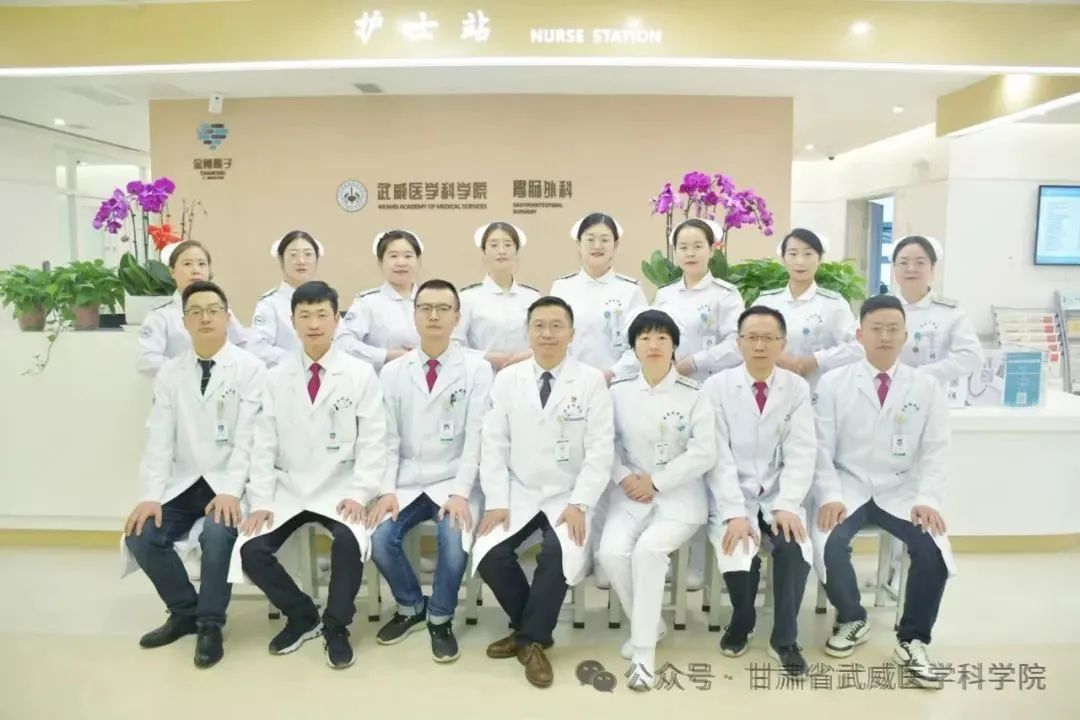

The Gastrointestinal Surgery Department is a provincial key specialty. Since its establishment in 2008 as a division of the Abdominal Surgery Department, it has dedicated 16 years to researching the diagnosis and treatment of gastrointestinal tumors, accumulating extensive clinical experience in treatment protocols and radical surgery. Weekly multidisciplinary consultations determine treatment plans for newly diagnosed tumor patients, including radical surgery, neoadjuvant therapy, adjuvant therapy, targeted therapy, immunotherapy, and traditional Chinese medicine, forming a standardized treatment system that significantly improves five-year cure and survival rates. Here, gastrointestinal tumors receive standardized care
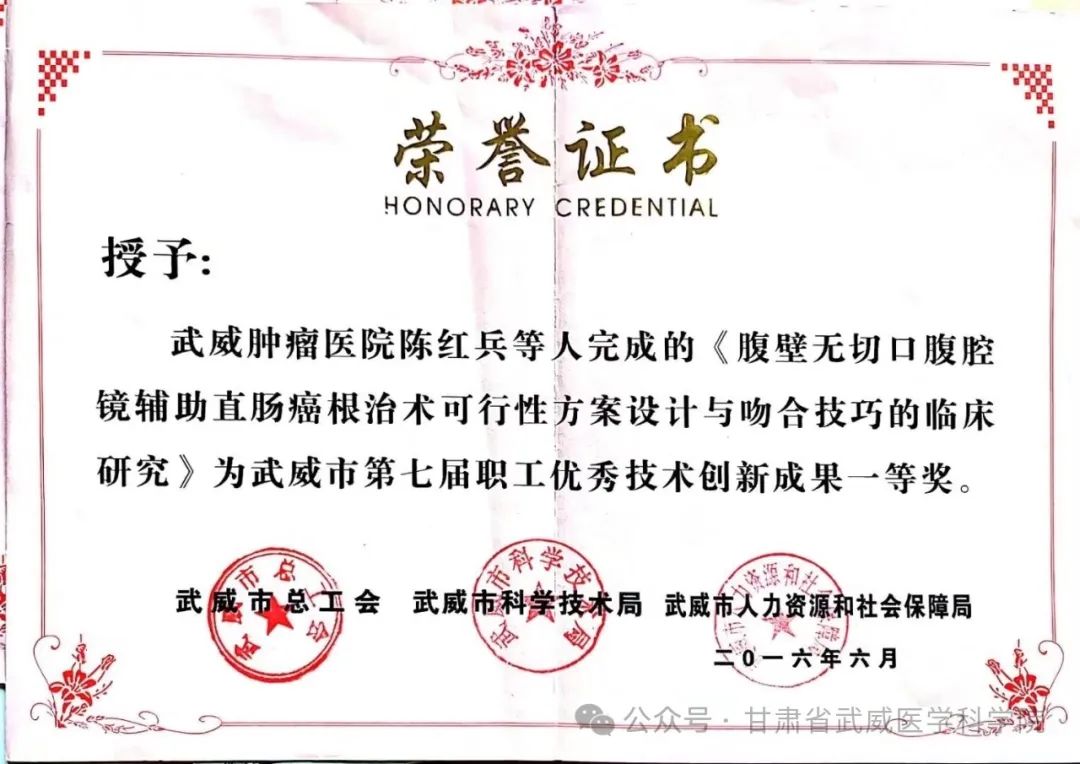
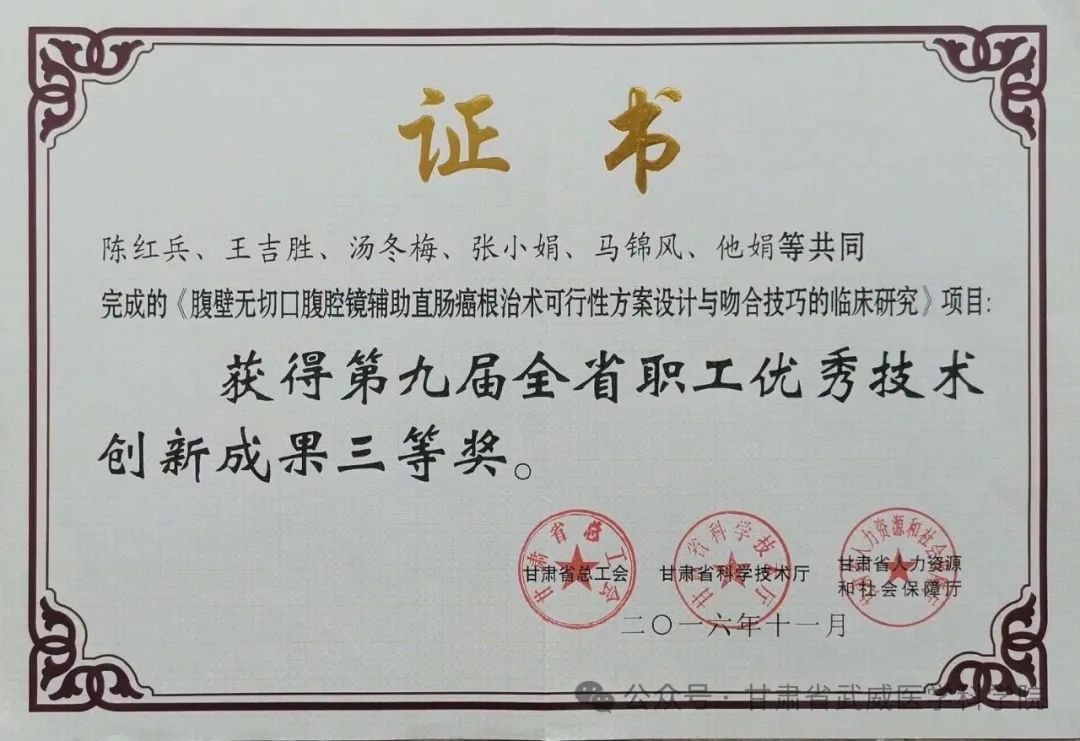
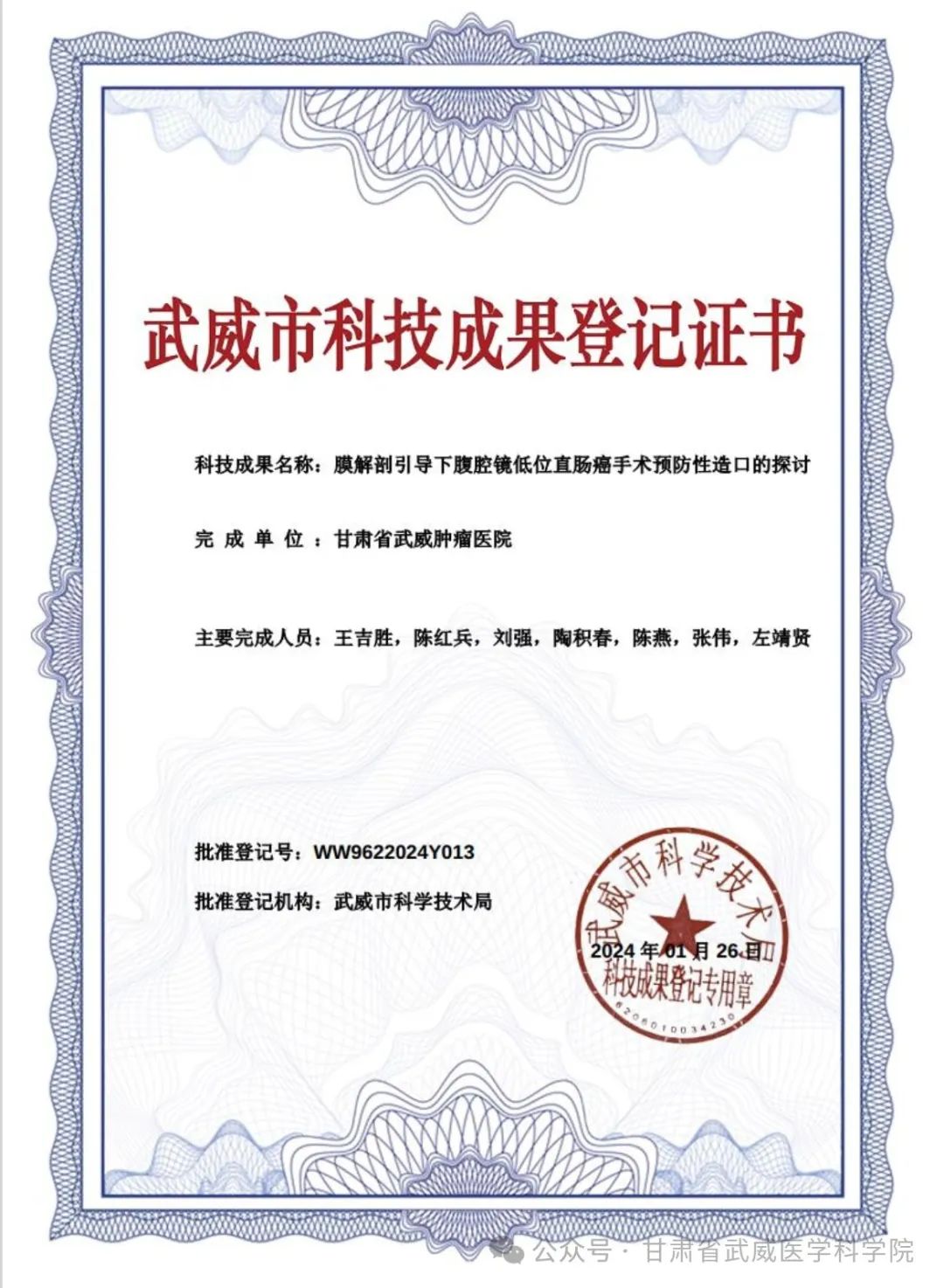
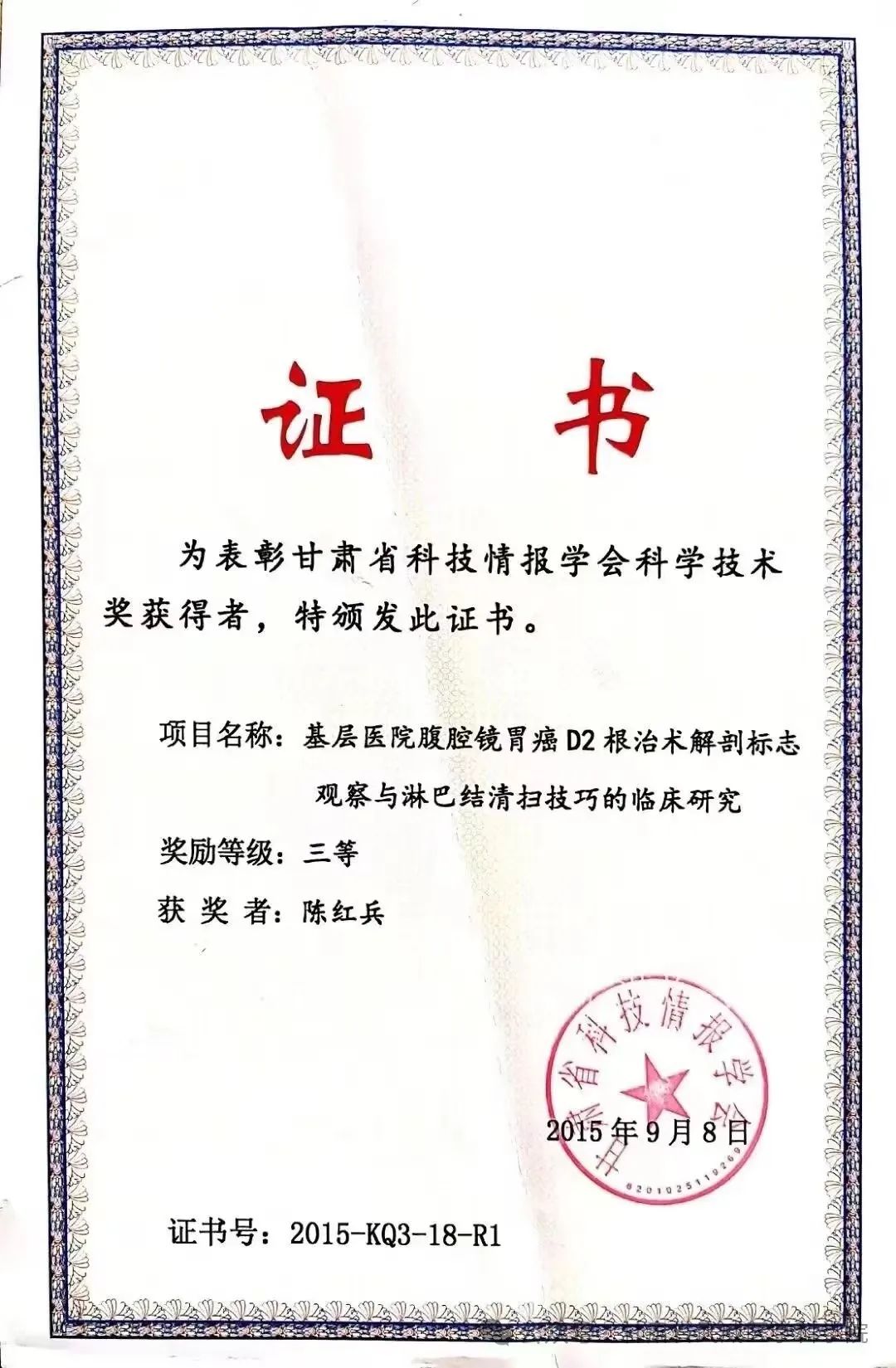
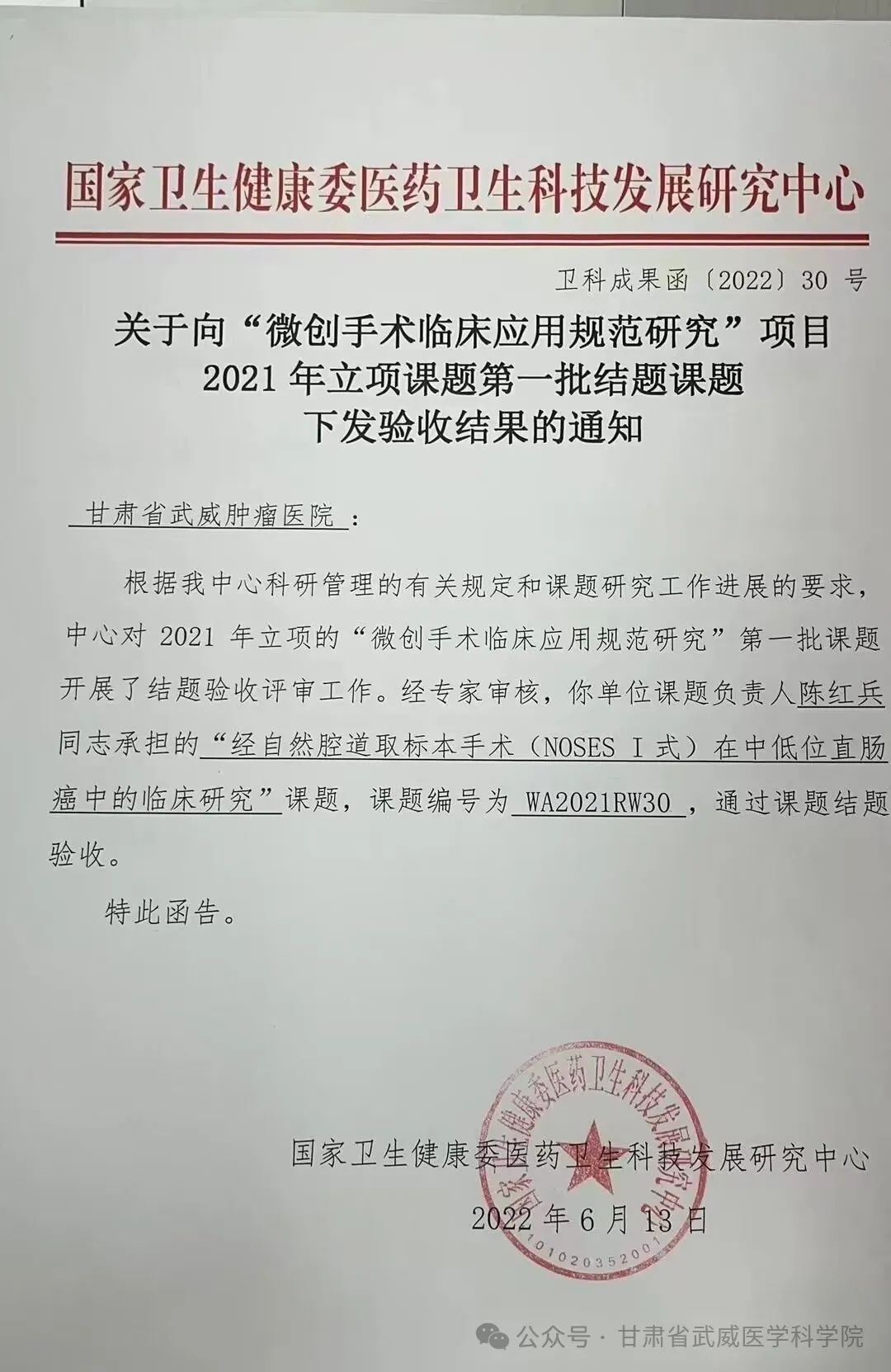
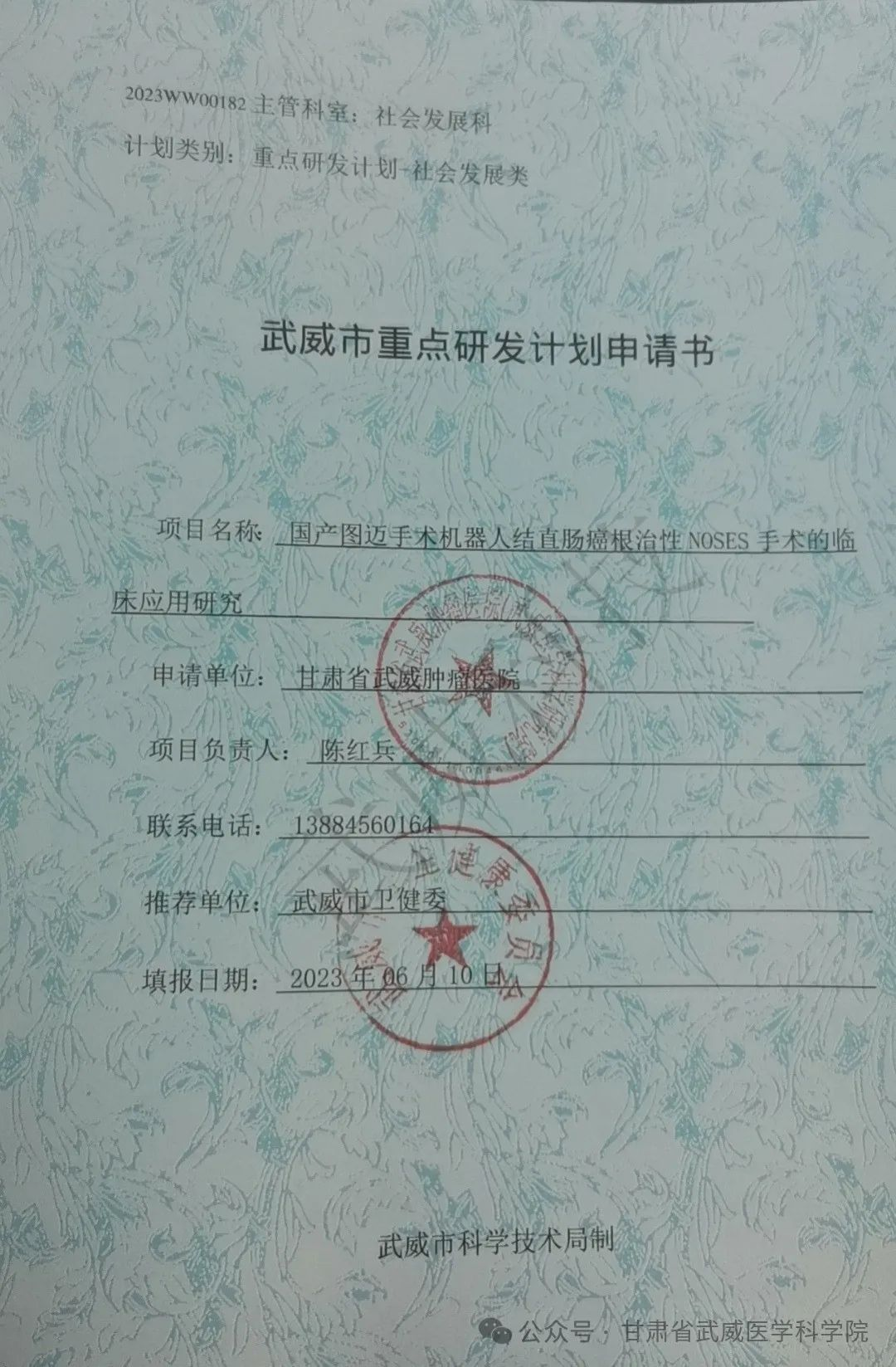
Since June 2011, the department has pioneered laparoscopic D2 radical gastrectomy for gastric cancer, D3 radical resection for colorectal cancer, sphincter-preserving surgery for low and ultralow rectal cancer, and laparoscopic and robotic radical NOSES surgery for colorectal cancer in our province and city. To date, over 1,000 cases of laparoscopic radical NOSES surgery for colorectal cancer and sphincter-preserving surgery for low and ultralow rectal cancer have been completed. In February 2023, the department performed China’s first robotic radical NOSES surgery for rectal cancer using a domestically produced surgical robot, with over 20 such cases completed since. Four related research projects on laparoscopic radical NOSES surgery for colorectal cancer have been completed, earning one provincial Science and Technology Progress Third Prize and three municipal Second Prizes. A robotic radical NOSES surgery project is currently underway.
From 2021 to 2024, the department has held annual academic conferences on new technologies and advancements in gastrointestinal surgery, featuring live broadcasts of laparoscopic and robotic radical NOSES surgeries. These demonstrations have garnered widespread recognition from peers, enhancing the hospital’s and department’s reputation.