Understanding Tumors to Better Defeat Them
Understanding Tumors to Better Defeat Them
In recent years, cancer has become one of the leading threats to human health. According to the World Health Organization (WHO), approximately 10 million people die from cancer globally each year, with incidence and mortality rates rising steadily in China. Fortunately, thanks to medical advancements, many cancers are no longer "incurable." Early detection, scientific treatment, and a healthy lifestyle can significantly improve survival rates. Today, let’s dive into the essentials of tumors—what they are, how to prevent them, what habits may increase cancer risk, and how to address them scientifically.
1. Tumor ≠ Cancer, But Cancer Is Dangerous
Many people confuse "tumors" with "cancer," but they differ:
- Benign tumors grow slowly, have clear boundaries, rarely spread, and typically do not recur after removal.
- Malignant tumors (cancer) grow aggressively, invade nearby tissues, and can metastasize via blood or lymph systems, posing life-threatening risks.

Key Takeaways:
✔ Not all tumors are serious, but malignant ones require early intervention.
✔ Cancer results from accumulated genetic mutations, influenced by age, environment, and lifestyle.
2. Why Is Cancer Becoming More Common?
Rising cancer rates are linked to longer lifespans (age is a major risk factor) and modern lifestyle hazards:
(1) Dietary Shifts
- High sugar intake
- Processed/grilled foods contain carcinogens like nitrites and benzopyrene, raising risks for stomach and esophageal cancers.
- Alcohol (a WHO Group 1 carcinogen) is tied to liver, oral, and esophageal cancers.
(2) Sedentary Habits
- Physical inactivity weakens immunity and metabolism, increasing risks for colorectal and breast cancers.
- Recommendation: ≥150 mins/week of moderate exercise (e.g., brisk walking, swimming).
(3) Chronic Stress & Sleep Deprivation
- Disrupted circadian rhythms and chronic stress impair immunity and promote inflammation, indirectly fueling cancer.
(4) Smoking & Air Pollution
- Smoking is the top cause of lung cancer and linked to bladder, laryngeal, and other cancers.
- PM2.5 exposure raises lung cancer risks.

3. How to Prevent Cancer? Follow These Steps!
While cancer arises from multiple factors, lifestyle changes can slash risks:
(1) Prioritize Screenings
- Liver cancer: Viral hepatitis carriers need ultrasound + AFP tests every 6 months.
- Lung cancer: Smokers should get annual low-dose CT scans.
- Breast cancer: Women ≥40 need mammograms + ultrasounds.
- Gastric/esophageal cancer: Those with family history or H. pylori require endoscopies.
- Colorectal cancer: Start colonoscopies at age 45.
(2) Eat Healthy, Stay Away from Carcinogens
- Load up on antioxidant-rich veggies/fruits.
- Avoid processed meats, grilled/pickled foods.
- Limit sugar and alcohol.
(3) Move More, Manage Weight
- Obesity links to 13 cancer types. Aim for a BMI of 18.5–24 and ≥150 mins/week of exercise.
(4) Quit Smoking, Drink Less
- Quitting smoking is the most effective way to reduce cancer risk.
- Men: ≤25g alcohol/day (≈1 beer); women: half that.
(5) Mental Wellness
- Chronic stress and poor sleep weaken immunity. Practice stress relief and prioritize 7–8 hours of sleep.
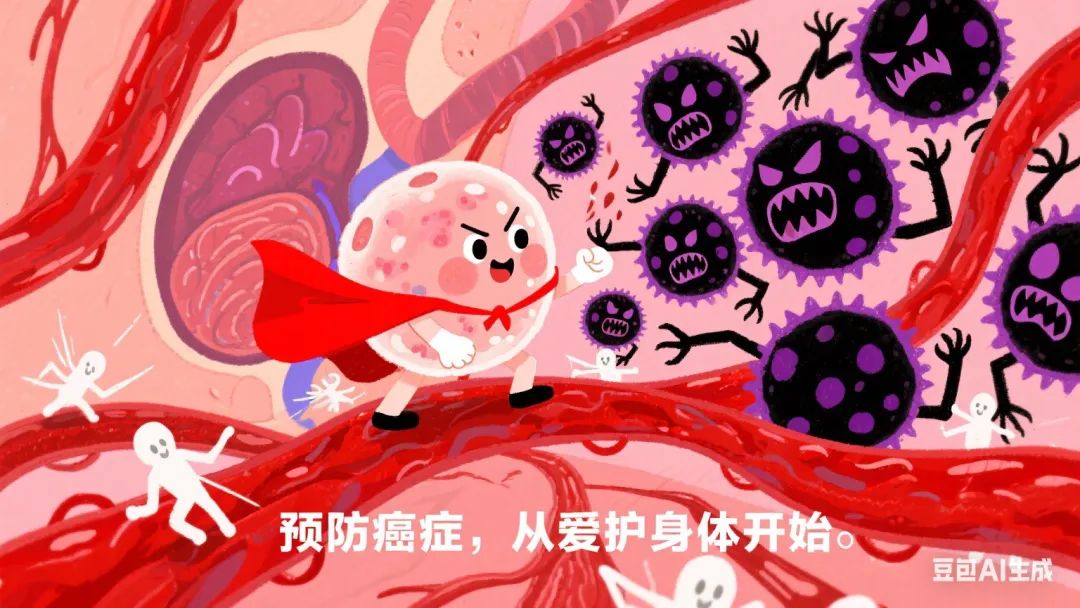
4. If Diagnosed with Cancer, What Next?
Don’t panic! Cancer isn’t always a death sentence—many early-stage cases are highly curable. Treatment options include:
- Surgery, radiotherapy, chemotherapy
- Targeted therapy, immunotherapy
Critical steps:
✔ Follow your doctor’s tailored plan.
✔ Stay positive—optimism boosts immunity and aids recovery.
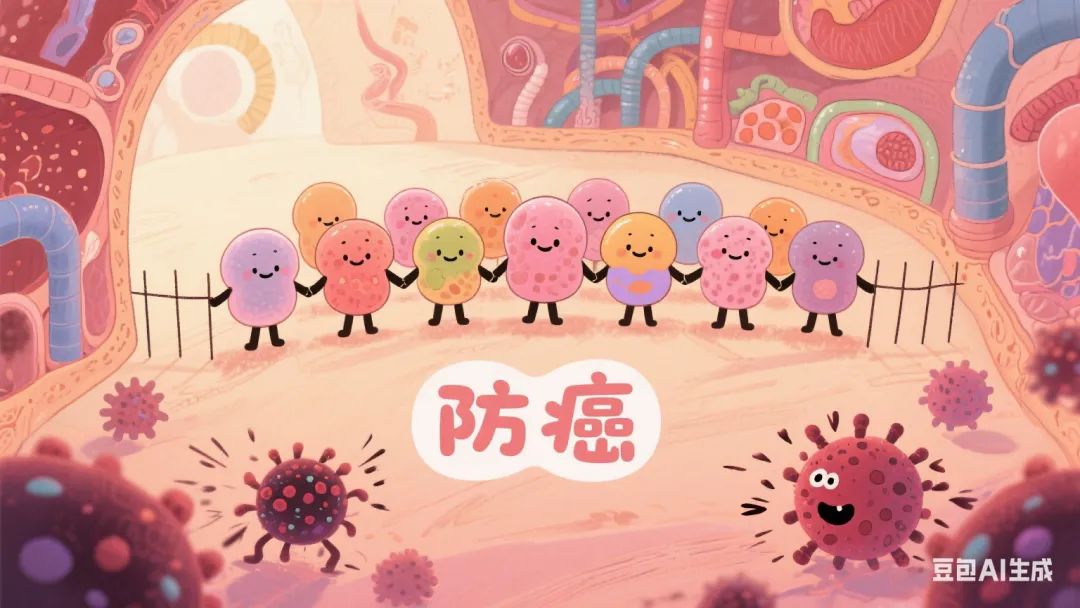
While cancer is daunting, it’s preventable and beatable. Embrace healthy habits, regular check-ups, and timely treatment to reduce risks. Share this knowledge to empower others! Remember: Health is your greatest wealth—prevention is key.