This Seasoning Causes Hair Loss and Cancer? You May Have Been Misled for Years
This Seasoning Causes Hair Loss and Cancer? You May Have Been Misled for Years
Seasonings are an indispensable part of cooking in daily life, adding rich flavors to dishes. But have you heard such rumors: certain seasonings may cause hair loss or even pose cancer risks? Are these claims true or just myths? Today, let's uncover the truth behind these seasonings together.
I. MSG: The Misunderstood "Flavor Enhancer"
Many people hold deep misconceptions about monosodium glutamate (MSG), believing it to be a "synthetic chemical" that not only causes cancer but also leads to hair loss. In reality, the main component of MSG is sodium salt of glutamic acid, which gives it its distinctive umami flavor. Originally, MSG was extracted from seaweed, but today, the mainstream production process involves fermentation, typically using starch or molasses as raw materials. China's National Food Safety Standard for MSG clearly defines its composition and production standards, so the claim that MSG is a synthetic chemical is completely unfounded.

1. The most widespread claim about MSG's carcinogenicity is that "heated MSG produces sodium pyroglutamate, which causes cancer." However, sodium glutamate only generates trace amounts of sodium pyroglutamate when heated above 120°C, and this compound is harmless to humans—it absolutely does not cause cancer. The actual concern with MSG may lie in its sodium content: approximately 130mg of sodium per gram of MSG. Excessive consumption can cause thirst and headaches, though these symptoms may also stem from food allergies.
2. Authoritative organizations like the UN Food and Agriculture Organization (FAO) have never concluded that MSG causes hair loss or cancer. Both JECFA (the Joint FAO/WHO Expert Committee on Food Additives) and the EU's regulatory system classify MSG as safe, imposing virtually no restrictions on its use in food.
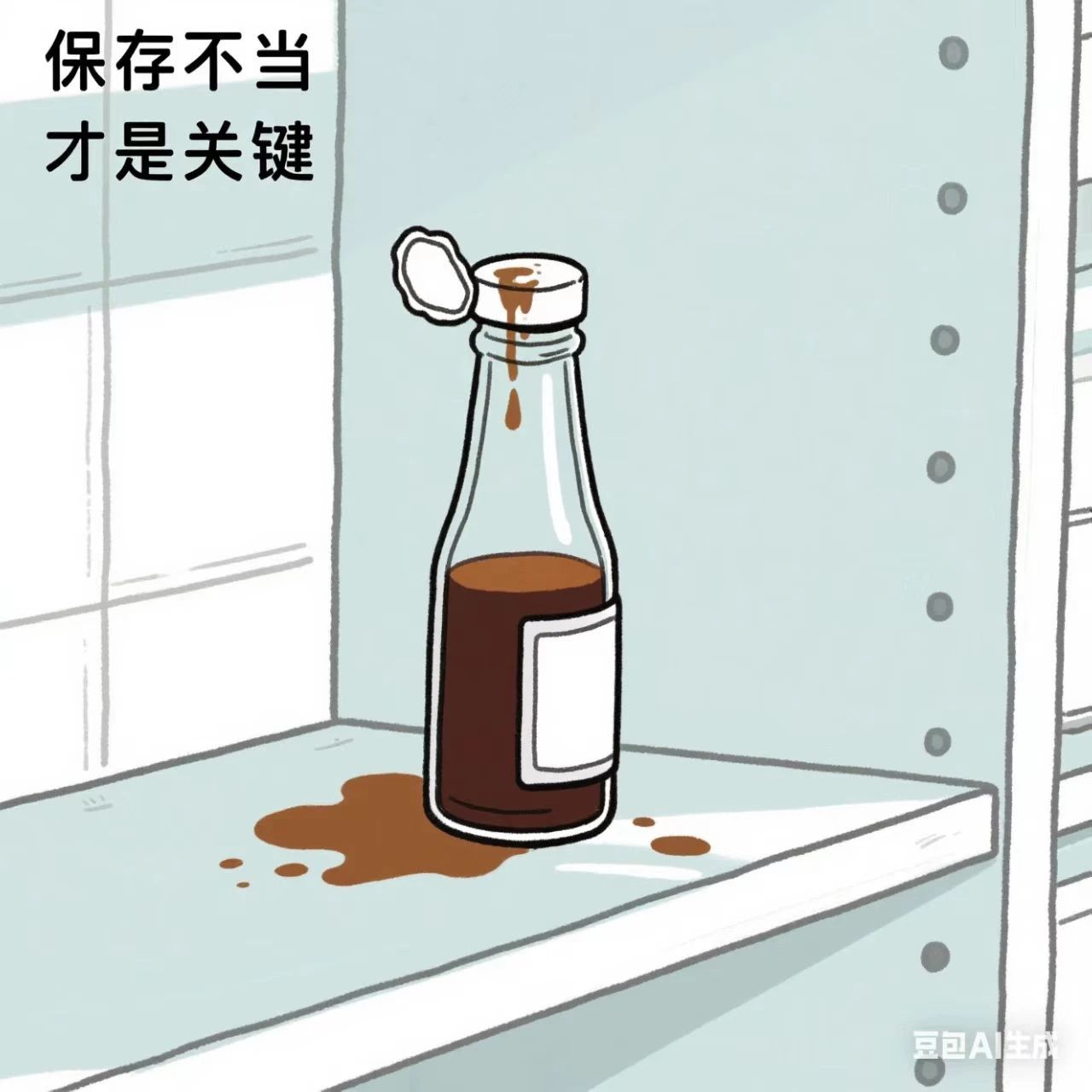
II. Oyster Sauce: Improper Storage Is the Real Issue
Oyster sauce, with its rich color and savory flavor, is often suspected of containing excessive additives, high calories, or even posing cancer risks. In reality, oyster sauce itself does not carry significant carcinogenic risks—the true concern lies in its usage and storage methods.
Oyster sauce is rich in amino acids and nutrients, but once opened, improper storage (e.g., leaving it at room temperature) can lead to oxidation, decomposition, and contamination by harmful microorganisms, eventually causing spoilage and mold growth. Spoiled oyster sauce may produce aflatoxin—a Class 1 carcinogen. This toxin is highly heat-resistant and cannot be destroyed by ordinary high-temperature cooking. Long-term intake significantly increases cancer risks.
How to identify spoiled oyster sauce? If its texture changes from thick to watery and pours too easily, it has likely spoiled and should be discarded.
Key takeaway: Proper storage—refrigeration after opening and use within the expiration date—eliminates any carcinogenic concerns.
III. Cooking Oil: Moderation is Key
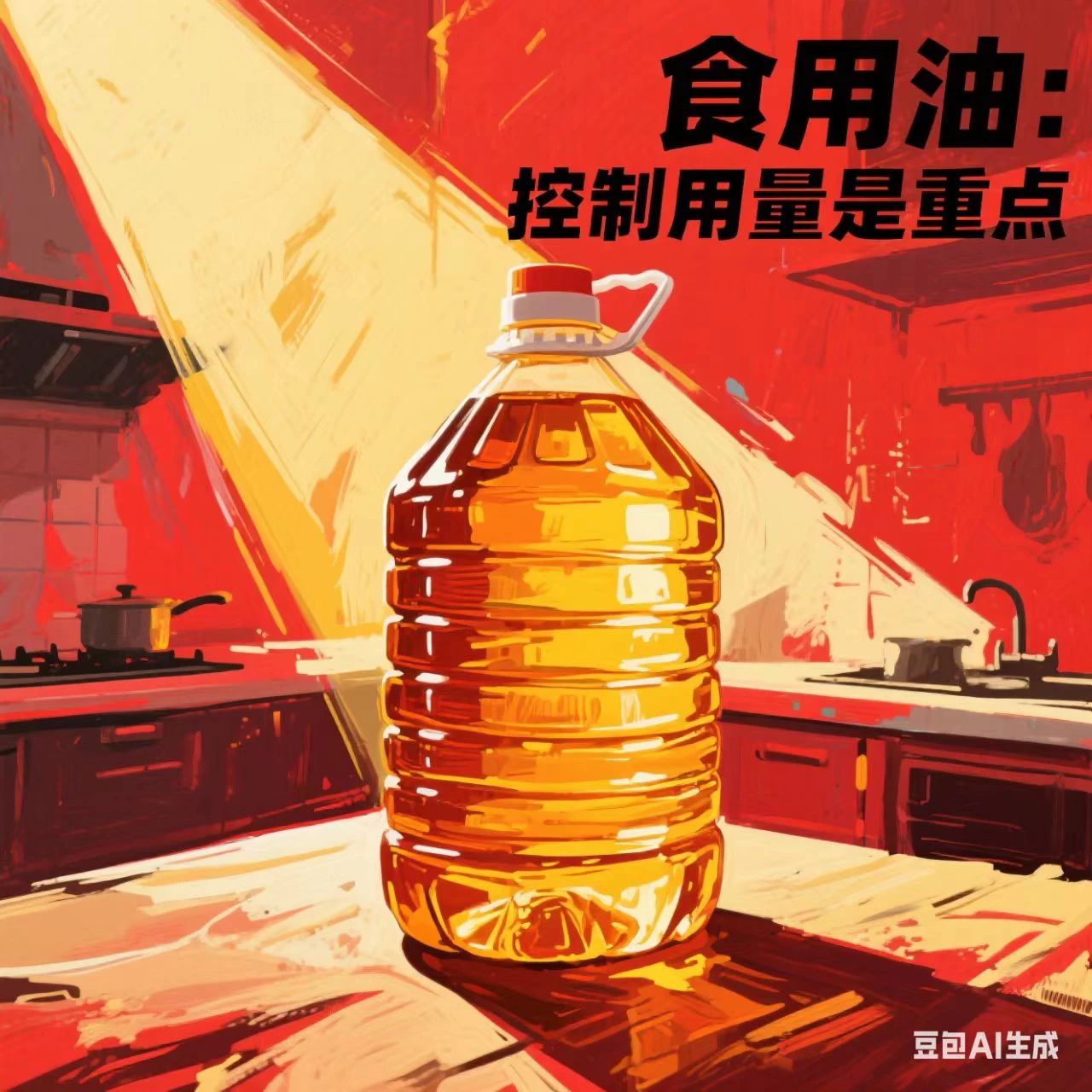
Cooking oil is an essential kitchen staple, but excessive consumption can elevate blood cholesterol levels—commonly known as hyperlipidemia—which may lead to arteriosclerosis, hypertension, obesity, and other conditions. These health issues can negatively impact hair health and, in severe cases, contribute to hair loss.
Different types of cooking oil have varying recommended daily intake limits:
Peanut oil, olive oil, cottonseed oil, rapeseed oil: ~40 grams per day
Lard: ~20 grams per day
Beef tallow: ~10 grams per day
By controlling oil intake and maintaining a balanced diet, you can avoid health risks associated with excessive oil consumption—including concerns about hair loss or carcinogenic effects.
IV. Salt: The Risks of Excessive Intake
Due to dietary habits, salt consumption among Chinese people generally far exceeds the recommended daily limit of 5 grams—particularly among those who frequently eat takeout or dine out.
Excessive salt intake poses dual health threats:
- Organ Strain: Overburdens multiple bodily systems.
- Hair Health Impact: Stimulates adrenaline production, significantly increasing scalp oil secretion and worsening androgenetic alopecia.
Long-term high-salt diets are also strongly associated with gastric and esophageal cancers.
Key Recommendation:
Reducing salt intake by minimizing takeout meals and processed snacks is crucial for maintaining overall health.

V. Spicy Seasonings: Moderation is Essential
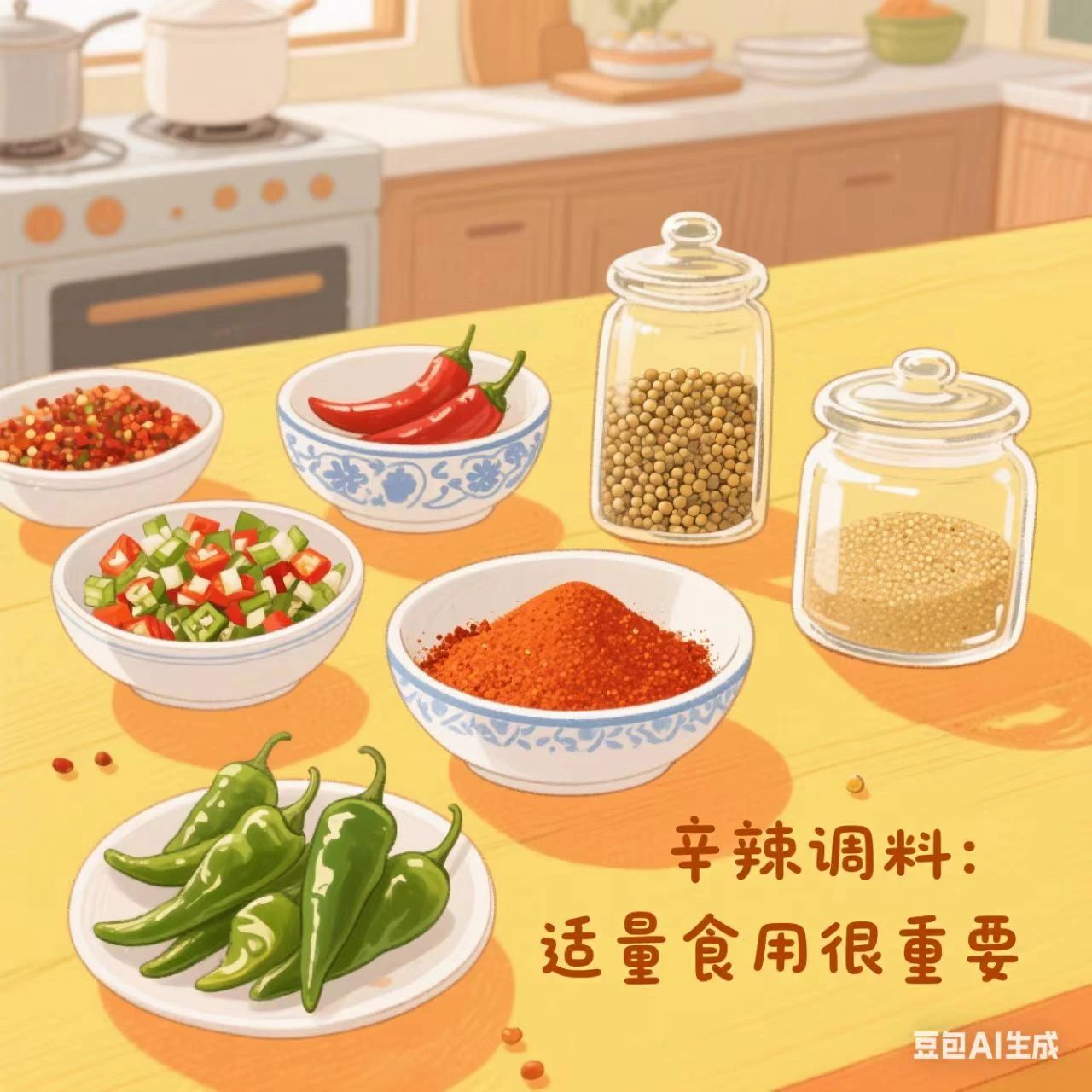
Many believe that spicy ingredients like chili peppers can cause hair loss or cancer. In reality, while excessive long-term consumption may stimulate sebaceous glands (increasing oil production), disrupt endocrine balance, and trigger scalp inflammation—potentially contributing to hair loss—these seasonings themselves are not directly carcinogenic.
However, overconsumption can irritate the digestive tract, and chronic irritation may elevate potential risks for gastrointestinal cancers. These concerns can be entirely avoided through controlled, moderate intake.
Key Takeaways:
- Spicy foods affect hair health indirectly through sebum/endocrine mechanisms
- No direct carcinogenicity, but gastrointestinal irritation warrants caution
- Responsible consumption eliminates risks
Seasonings play a vital role in cooking. As long as we understand their characteristics, use them correctly, and store them properly, there is no need to worry about issues like hair loss or carcinogenic risks. There’s no reason to be overly fearful of seasonings. Maintaining a scientific approach to diet and consuming various seasonings in moderation allows us to enjoy delicious food while staying healthy.

Lanzhou Heavy Ion Center Consultation Hotline:
+86 16609313666 Director Li
+86 17693250603 Teacher Yan