The Truth About Cervical Cancer: Are You Aware?
The Truth About Cervical Cancer: Are You Aware?
I. What causes cervical cancer?
The exact cause of cervical cancer remains unclear, but it is believed to be associated with the following factors:
1. Sexual activity and childbirth: Factors such as early sexual activity (before age 16), multiple sexual partners, high parity (multiple pregnancies), sexually transmitted infections (STIs), low socioeconomic status, oral contraceptive use, and immunosuppressive therapy are strongly linked to an increased risk of cervical cancer.
2. Viral infection: High-risk human papillomavirus (HPV) infection is the primary risk factor for cervical cancer, with over 90% of cases associated with high-risk HPV strains. However, most HPV infections are transient and resolve naturally without causing symptoms. Persistent HPV infection, combined with other risk factors such as smoking, oral contraceptive use, and STIs, may contribute to the development of cervical cancer.
II. What are the preventive measures for cervical cancer?
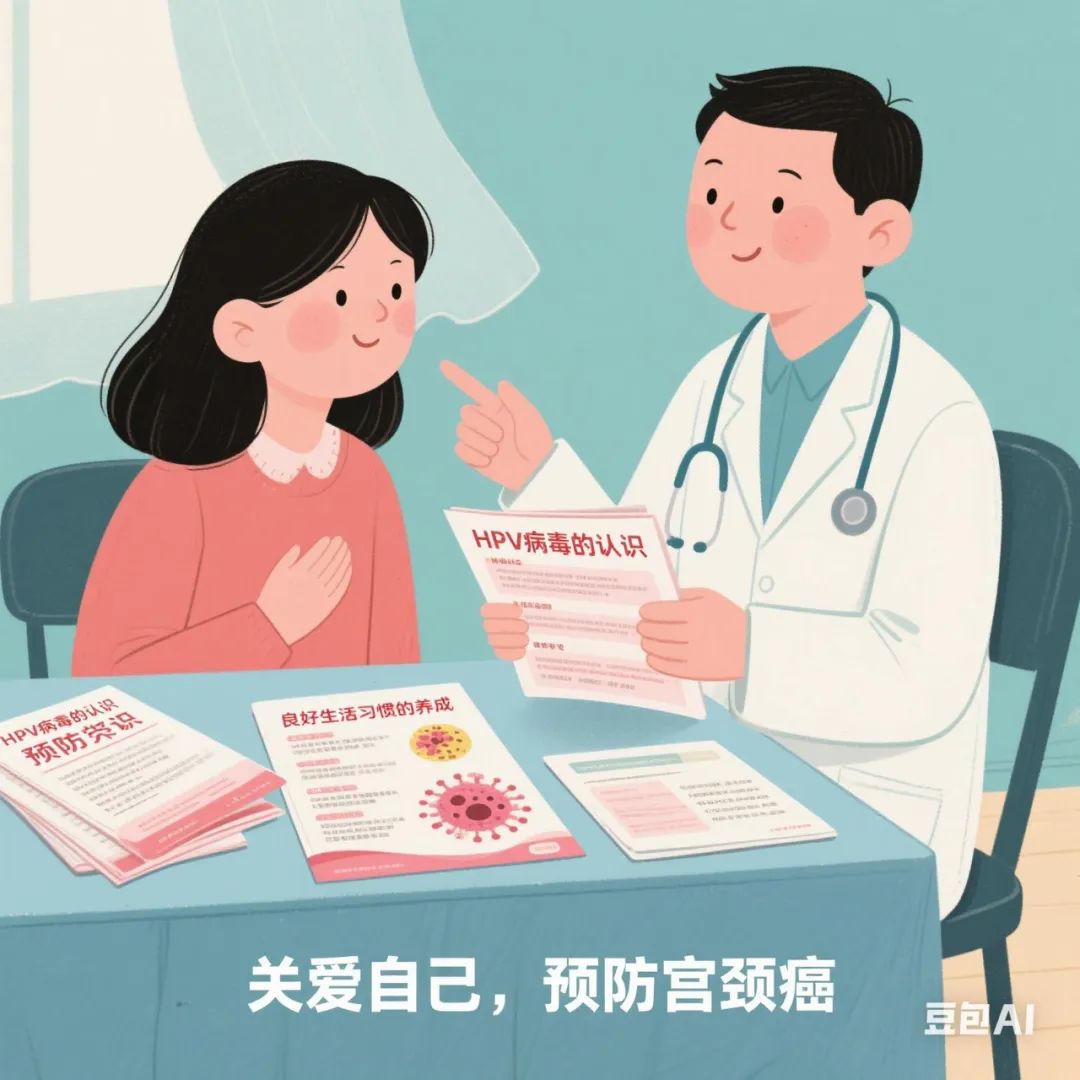
1. HPV vaccination: The HPV vaccine is an effective method for preventing cervical cancer. It can effectively prevent infections caused by human papillomavirus (HPV), thereby reducing the incidence of cervical cancer. It is recommended to get vaccinated within the appropriate age range, and generally, ages 9-14 are considered the optimal time for vaccination.
2. Regular screening: Regular cervical cancer screening, such as cervical cytology tests (TCT) and HPV tests, can detect precancerous lesions of cervical cancer at an early stage and provide timely treatment to prevent its progression to cervical cancer. It is recommended to start cervical cytology testing every 3 years from the age of 21, and for those over 30, combined HPV testing can be performed every 5 years.
3. Healthy lifestyle: Maintaining a healthy lifestyle can enhance immunity and reduce the risk of infection. This includes a balanced diet, moderate exercise, smoking cessation, and alcohol moderation.
4. Safe sexual practices: Avoiding early sexual activity, having multiple sexual partners, and unsafe sexual behaviors, as well as using condoms correctly, can significantly reduce the risk of HPV infection.
III. What are the common treatment methods for cervical cancer?
The treatment methods for cervical cancer include surgery, radiotherapy (abbreviated as RT), chemotherapy, immunotherapy, and targeted therapy. The specific treatment approach is determined based on factors such as the tumor stage and the patient's physical condition.
1. For early-stage cervical cancer (stages I-IIA), the therapeutic effects of surgery alone and radical radiotherapy alone are comparable, with similar 5-year survival rates, mortality rates, and complication probabilities. However, some patients with poor prognostic factors still have a worse prognosis after surgery. These poor prognostic factors include parametrial invasion, positive surgical margins, lymph node metastasis, large local tumor size in the cervix (≥4cm), vascular tumor thrombus, and cervical stromal invasion depth ≥1/3 of the outer third. For these patients, postoperative radiotherapy and chemotherapy must be combined to improve the cure rate.
2. For locally advanced cervical cancer (referring to stages IB3, IIB, III, and IVA), these patients often lose the opportunity for surgery due to poor surgical outcomes, and concurrent chemoradiotherapy (CCRT) is the standard treatment recommended by guidelines. Radiotherapy methods include photon and carbon ion radiation combined with brachytherapy. In recent years, carbon ion beam radiotherapy has emerged as a new mainstream approach. Carbon ion beams have a Bragg peak; when designing the treatment plan, the tumor is positioned within this peak, resulting in high radiation doses delivered precisely to the tumor target area while minimizing exposure to surrounding normal tissues and organs. This leads to excellent therapeutic effects and minimal side effects, with almost no adverse reactions. The high relative biological effectiveness (RBE) value of carbon ions within the Bragg peak provides superior biological advantages compared to photons. CCRT has gradually become the standard treatment for locally advanced cervical cancer. Clinical trial results show that carbon ion therapy achieves a 5-year overall survival rate of 74.1% for locally advanced cervical cancer, with no significant grade 3 or higher acute toxicities observed during or after treatment, indicating that carbon ion therapy causes markedly less damage to surrounding normal tissues compared to photon therapy. The primary factor affecting the 5-year local control rate in advanced cervical cancer is distant metastasis. To further improve survival and local control rates, combined chemotherapy and carbon ion therapy have been employed, enhancing treatment efficacy. Carbon ion therapy combined with chemotherapy has demonstrated remarkable success in treating locally advanced bulky squamous cell carcinoma or adenocarcinoma of the cervix.
Department Introduction
Department IV of Radiation Oncology specializes in photon and carbon ion therapy for gynecological and breast malignancies, including cervical cancer, endometrial cancer, vaginal cancer, vulvar cancer, ovarian cancer, and breast cancer. The department offers comprehensive treatment modalities such as radical radiotherapy, preoperative neoadjuvant radiotherapy, postoperative adjuvant radiotherapy, chemotherapy, immunotherapy, targeted therapy, endocrine therapy, and their combinations. The department comprises 13 medical staff members, including 2 associate senior title holders, 1 attending physician, and 3 resident physicians. Team members have received advanced training at Tianjin Cancer Hospital, Beijing Cancer Hospital, Beijing 301 Hospital, Peking University Third Hospital, Shanghai Proton and Heavy Ion Center, and Sichuan Cancer Hospital. Department Director Dang Youquan, Associate Chief Physician, has 24 years of experience in tumor radiotherapy and has undergone advanced training at multiple renowned tertiary hospitals nationwide. She possesses extensive expertise in radiotherapy and comprehensive treatment for gynecological and breast tumors. Currently, she serves as a committee member of the Ion Radiotherapy Branch of the Chinese Medical Equipment Association, executive director of the Western Tumor Specialist Alliance, standing committee member of the Brachytherapy Committee of the Gansu Anti-Cancer Association, committee member of the Radiotherapy Committee of the Gansu Geriatric Medical Association, committee member of the Tumor Nutrition Branch of the Gansu Nutrition Society, and part-time instructor at Wuwei Vocational College. The department regularly invites Professor Jorg Hauffe from the Munich Proton and Heavy Ion Center in Germany, Professor Hirohiko Tsujii—renowned as "the world's leading expert in heavy ion tumor therapy" from Japan, and Professor Yee-Min Jen, former chairman of the Taiwan Tumor Radiotherapy Committee, for ward rounds and guidance. Under the long-term clinical and research supervision of Professor Liu Zi, chairman of the Gynecological Tumor Committee at the First Affiliated Hospital of Xi'an Jiaotong University, and Professor Li Sha, chief physician of the Radiotherapy Department at the 940th Hospital of the Joint Logistics Support Force of the Chinese People's Liberation Army, the department conducts clinical practice and scientific research. The department has completed five provincial and municipal research projects, published over ten papers, and obtained three invention patents. Over the years, its effective comprehensive tumor treatment approach has achieved remarkable therapeutic outcomes, earning widespread acclaim from society, peers, and patients.