Cancer is found in advanced stage? In fact, the body has given hints...
In the public's perception, it is not uncommon to hear that "cancer is often diagnosed at an advanced stage." Many patients are found to have the disease when it has already progressed to a point where it is difficult to cure, which contributes to the persistently high mortality rate of cancer. In reality, the development of cancer from onset to an advanced stage is not an overnight process. During this progression, the body often sends out warning signs, but these signals are easily overlooked.
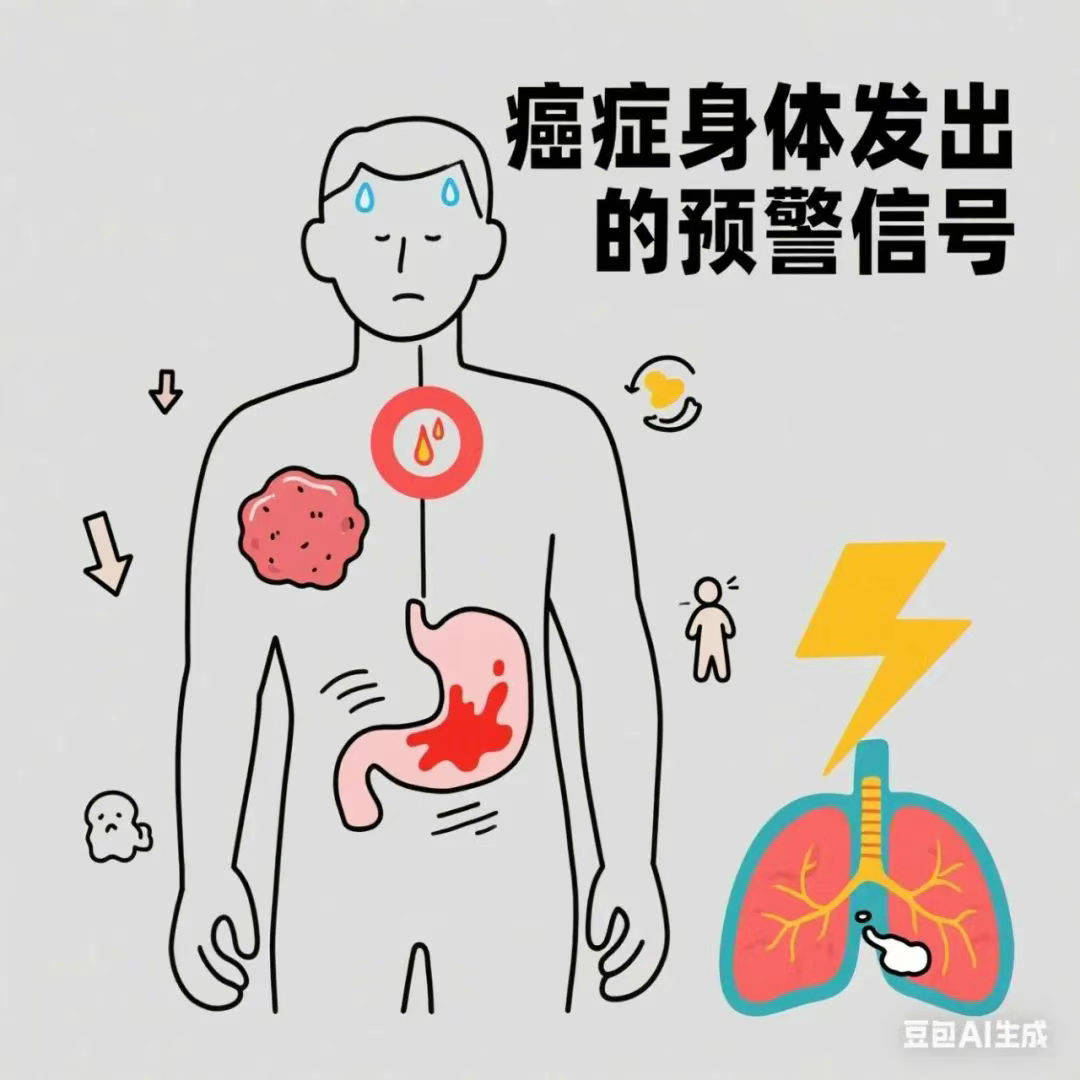
Warning signs from the body
1. Lumps or Masses
Any unexplained lump in the body should be taken seriously, whether in the neck, armpit, breast, abdomen, or elsewhere. Particularly concerning are lumps that are hard, have irregular borders, are immobile, or grow rapidly in a short period. For example, early-stage breast cancer may present as a painless lump in the breast, while swollen lymph nodes in the neck could indicate metastasis from nasopharyngeal or thyroid cancer. However, finding a lump doesn’t always mean cancer—many benign conditions can also cause lumps. A prompt medical examination is essential to determine the cause.
2. Abnormal Bleeding
Unexplained bleeding without injury should raise alarm bells. Blood in sputum or coughing up blood may signal lung cancer; bloody or black stools could indicate colorectal or stomach cancer; vaginal bleeding outside of menstruation should be checked for endometrial or cervical cancer; and painless blood in urine may point to bladder or kidney cancer. Never delay seeking medical attention if such symptoms occur—early diagnosis is crucial.
3. Indigestion or Difficulty Swallowing
Persistent indigestion, bloating, or loss of appetite that doesn’t improve with standard treatment may indicate digestive system cancers, such as stomach, liver, or pancreatic cancer. Difficulty swallowing, especially if it worsens over time (starting with dry or solid foods and progressing to semi-liquids or liquids), could be an early sign of esophageal cancer.
4. Unexplained Weight Loss and Fatigue
Sudden, unexplained weight loss of more than 10% within a short period, accompanied by persistent fatigue that doesn’t improve with rest, should not be ignored. This could be a sign of cancer, as tumor cells consume large amounts of nutrients, leading to weight loss and exhaustion. For example, leukemia, colorectal cancer, and stomach cancer often cause fatigue in their early stages.
5. Fever
Unexplained fever, especially a persistent low-grade fever (around 38°C) lasting several weeks without an obvious infection, may be linked to cancer. Hematologic malignancies like lymphoma and leukemia often present with fever in their early stages. Substances released by cancer cells (like inflammatory proteins) can cause fever.
6. Pain
Unexplained pain lasting more than a week should be investigated promptly. Chronic abdominal pain may indicate colorectal cancer, chest pain could suggest lung cancer, and bone pain might be a sign of cancer metastasis. Pain isn’t always an early sign—it may mean the cancer has spread—but never ignore it.
7. Persistent Cough or Hoarseness
A long-lasting cough, especially a dry, irritating one that doesn’t respond to cough medicine or is accompanied by blood in sputum, should raise concern—particularly in long-term smokers, as it may indicate lung cancer. Persistent hoarseness, after ruling out common causes like throat inflammation or overuse, could result from nerve compression due to thyroid or lung cancer.
Why Are the Early Symptoms of Cancer Often Overlooked?
1. Organ Characteristics
Internal organs such as the liver, lungs, and kidneys lack pain-sensing nerves. Even when tumors develop in these organs during early stages, they may cause no pain whatsoever. Pain or compression symptoms typically only arise when the tumor invades the organ's capsule or surrounding tissues.
2. Cancer Cell Camouflage
Cancer cells are highly deceptive—they can disguise themselves as normal cells to evade the immune system's surveillance. In the early stages, they grow slowly as tiny lesions, producing minimal inflammation or discomfort, making them extremely difficult to detect.
3. Human Body’s Compensatory Mechanisms
The human body has remarkable compensatory functions. When some tissues are damaged, healthy cells can take over their functions, masking abnormal signs. For example, in early-stage liver cancer, while tumors may impair part of the liver’s function, the remaining healthy tissue compensates, leaving patients with few or no noticeable symptoms.
4. Limitations of Routine Physical Exams
Standard medical checkups—such as blood tests and liver function assessments—primarily evaluate basic health indicators. Early-stage cancers often do not cause abnormalities in these routine markers. Only specialized diagnostic procedures can effectively detect them. For instance, early gastric cancer may only present as minor mucosal lesions, which can only be identified through endoscopic biopsy.
Early Detection and Treatment Are Crucial
Cancer is not invincible. Early detection, diagnosis, and treatment are key to improving survival rates and quality of life for cancer patients. It is recommended that the general population begin regular cancer risk assessments starting at age 40. High-risk individuals—such as those with a family history of cancer, long-term smokers or heavy drinkers, people exposed to carcinogens, and patients with chronic diseases—should be even more vigilant and initiate specialized screening earlier.
In daily life, maintaining healthy habits is essential: quit smoking, limit alcohol consumption, eat a balanced diet, exercise regularly, maintain a healthy weight, and avoid excessive sun exposure to reduce cancer risk. Stay alert to warning signs from your body, take responsibility for your health, and you will be better equipped to prevent and fight cancer.