Smoking & Lung Cancer: How Every Cigarette Lights a Deadly Fuse
Every Puff Lights the Fuse for Lung Cancer: A Deep Dive into the Deadly Link Between Smoking and Lung Cancer
When you light a cigarette and take a deep drag, filling your lungs with smoke, you're inhaling far more than just tobacco fumes—you're breathing in over 70 scientifically proven carcinogens. Lung cancer stands as one of the most prevalent and deadly malignancies worldwide, with smoking being the leading—and only entirely preventable—risk factor. Today, we will present irrefutable data and scientific evidence to expose the lethal connection between smoking and lung cancer.
1. How Many "Killers" Are Hiding in Cigarettes? A Shocking Exposé of Carcinogens
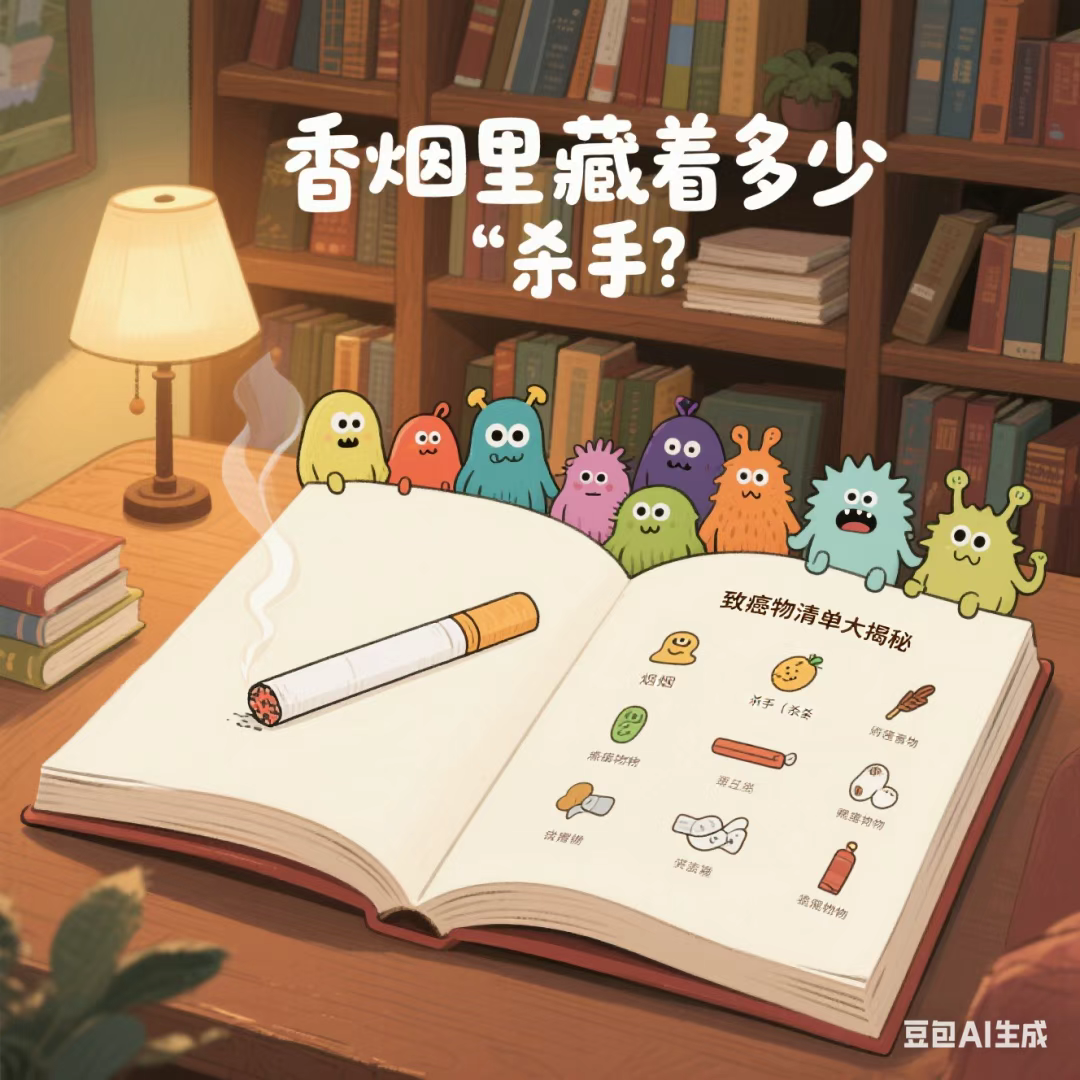
When a cigarette burns, it releases thousands of chemical compounds, over 70 of which have been classified as carcinogens by the International Agency for Research on Cancer (IARC). These "invisible killers" include:
Polycyclic aromatic hydrocarbons (PAHs): Such as benzo[a]pyrene, which directly damages lung cell DNA and triggers genetic mutations;
Nitrosamines: These impair cellular repair mechanisms, accelerating cancer cell proliferation;
Radioactive substances: Elements like polonium-210 accumulate in lung tissue, continuously emitting radiation that induces carcinogenesis;
Carbon monoxide: This reduces blood oxygen-carrying capacity, keeping lung tissues in a chronically hypoxic state and weakening immune function.
Data Warning: Smokers face a 15-30 times higher risk of lung cancer compared to non-smokers—with risk increasing exponentially as smoking intensity and duration rise.
2. From Cigarette to Lung Cancer: What Happens Inside Your Body?
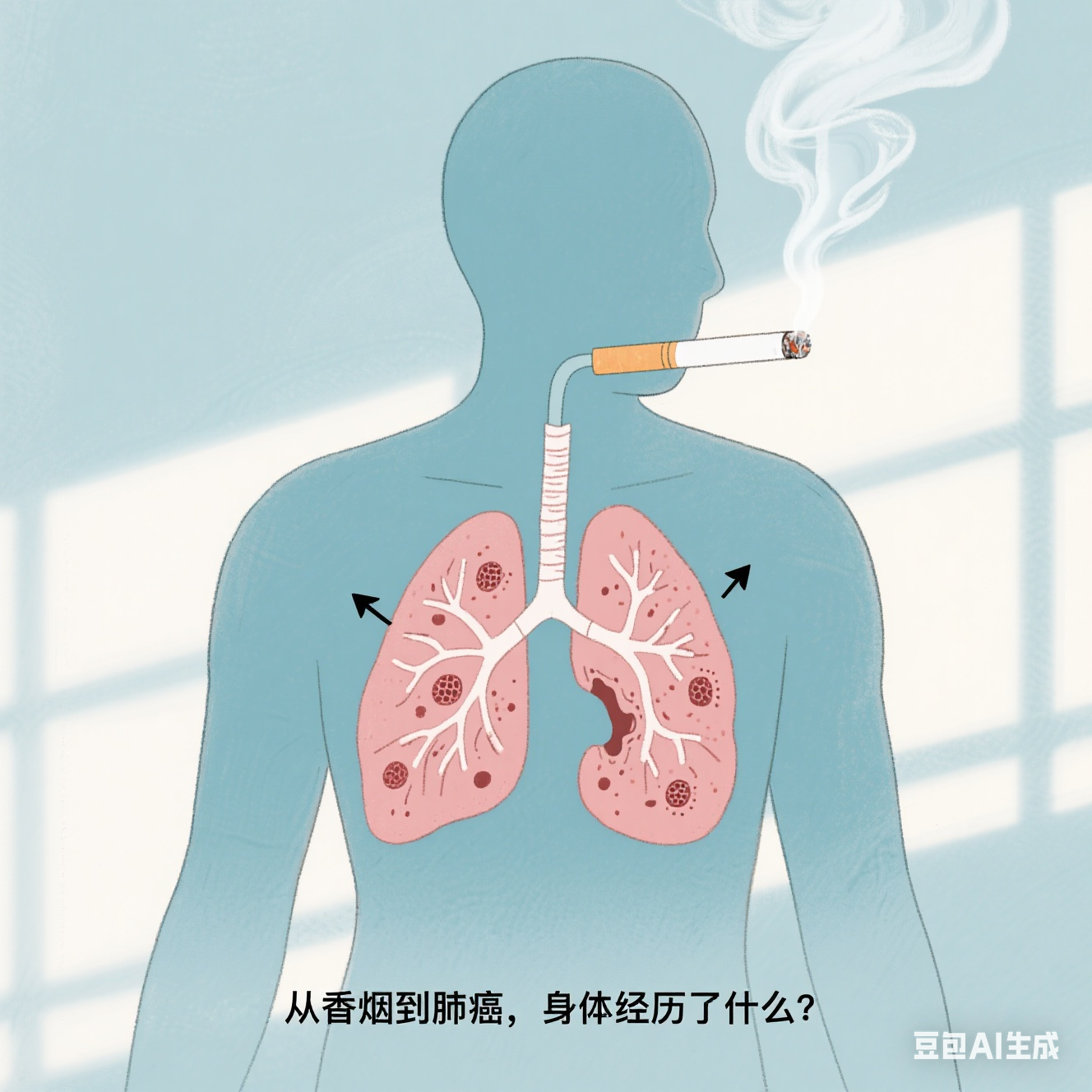
Smoking-induced lung cancer is a process of "chronic damage + genetic mutation":
1. Initial Damage: Tar and other chemicals adhere to the respiratory tract and alveoli, destroying cilia cells—the "cleaners" responsible for clearing lung debris—leading to the accumulation of mucus and carcinogens.
2. Cellular Mutation: Carcinogens continuously attack lung cell DNA, inactivating tumor suppressor genes (e.g., p53) or activating oncogenes, triggering abnormal cell proliferation.
3. Cancer Formation: Mutated cells proliferate uncontrollably, forming tumors that invade surrounding tissues and eventually metastasize via the bloodstream or lymphatic system.
Special warning: Secondhand and thirdhand smoke are equally hazardous. Non-smokers who are chronically exposed to smoky environments face a 20%-30% increased risk of developing lung cancer. Thirdhand smoke residues lingering on clothing and furniture can continuously release carcinogens for months, posing particularly severe threats to the health of children and pregnant women.
3. Beyond Lung Cancer: What Other Cancers Can Smoking "Ignite"?
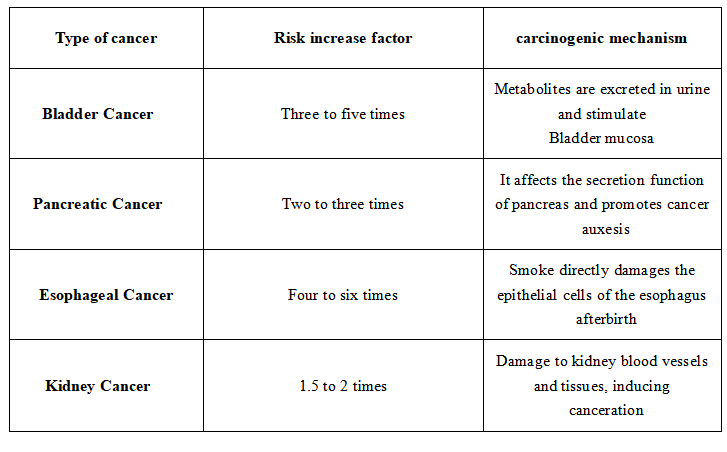
The harms of smoking extend far beyond the lungs—it is a major contributor to many types of cancer:
Furthermore, smoking significantly increases the risk of fatal diseases such as cardiovascular disease, chronic obstructive pulmonary disease (COPD), and stroke, making it the "number one public enemy" of overall health.

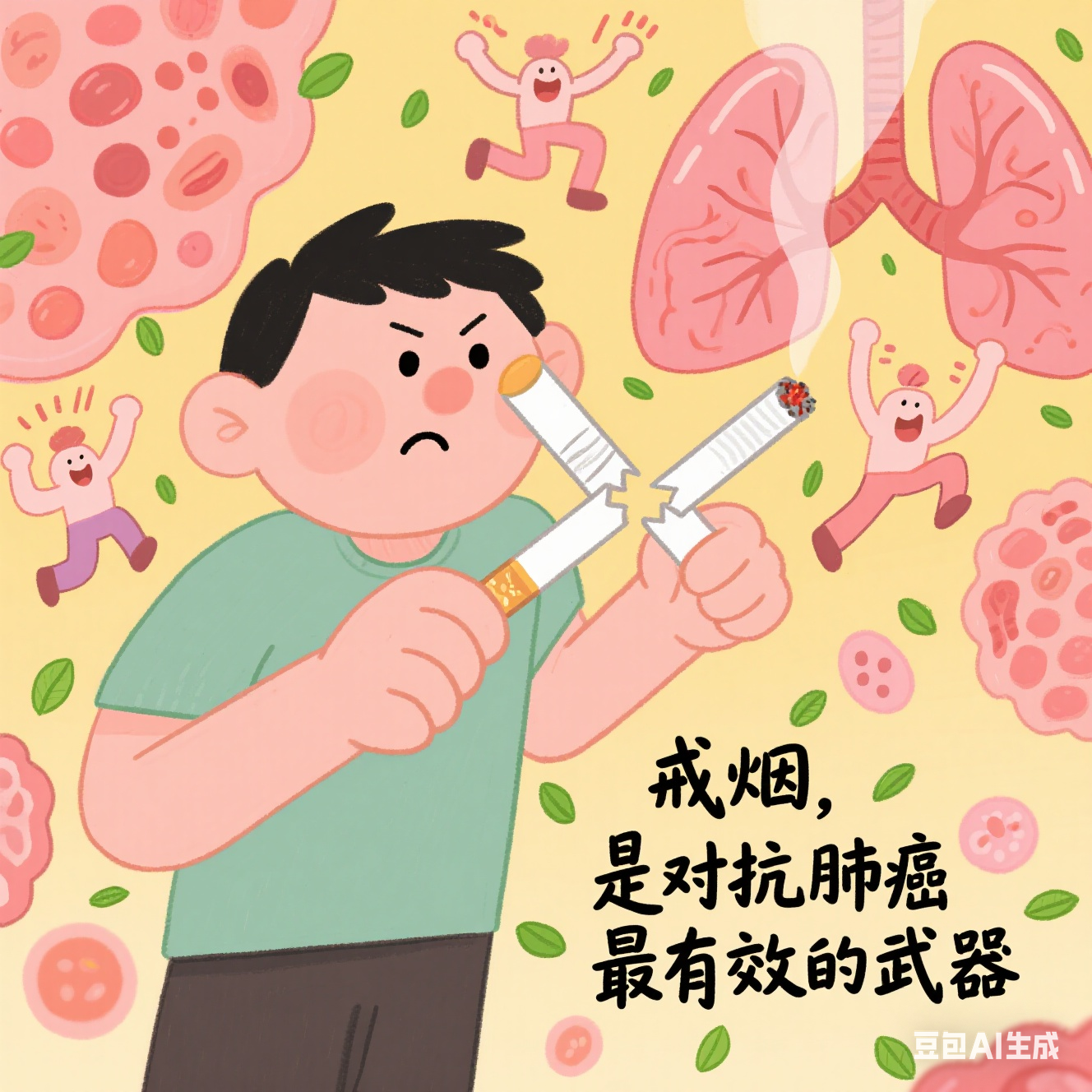
4. Quitting Smoking: The Most Powerful Weapon Against Lung Cancer
After quitting smoking, the body's "anti-cancer defenses" recover at an astonishing rate:
20 minutes later: Heart rate and blood pressure drop, with improved blood circulation;
12 hours later: Carbon monoxide levels in the blood return to normal;
2 weeks to 3 months: Lung cilia function is restored, enhancing the ability to clear mucus and impurities;
1 year later: Risk of lung cancer decreases by 50%;
15 years later: Risk of lung cancer nearly matches that of non-smokers!
Scientific Smoking Cessation Methods:
Gradual Reduction: Decrease the number of cigarettes smoked daily to reduce nicotine dependence.
Nicotine Replacement Therapy (NRT): Use nicotine patches, gum, or e-cigarettes (choose cautiously, as long-term safety remains controversial).
Seek Support: Join a smoking cessation support group or consult a doctor about medication-assisted treatment (e.g., varenicline, bupropion).
Avoid Triggers: Stay away from smoking environments and replace the habit with exercise or healthy snacks.
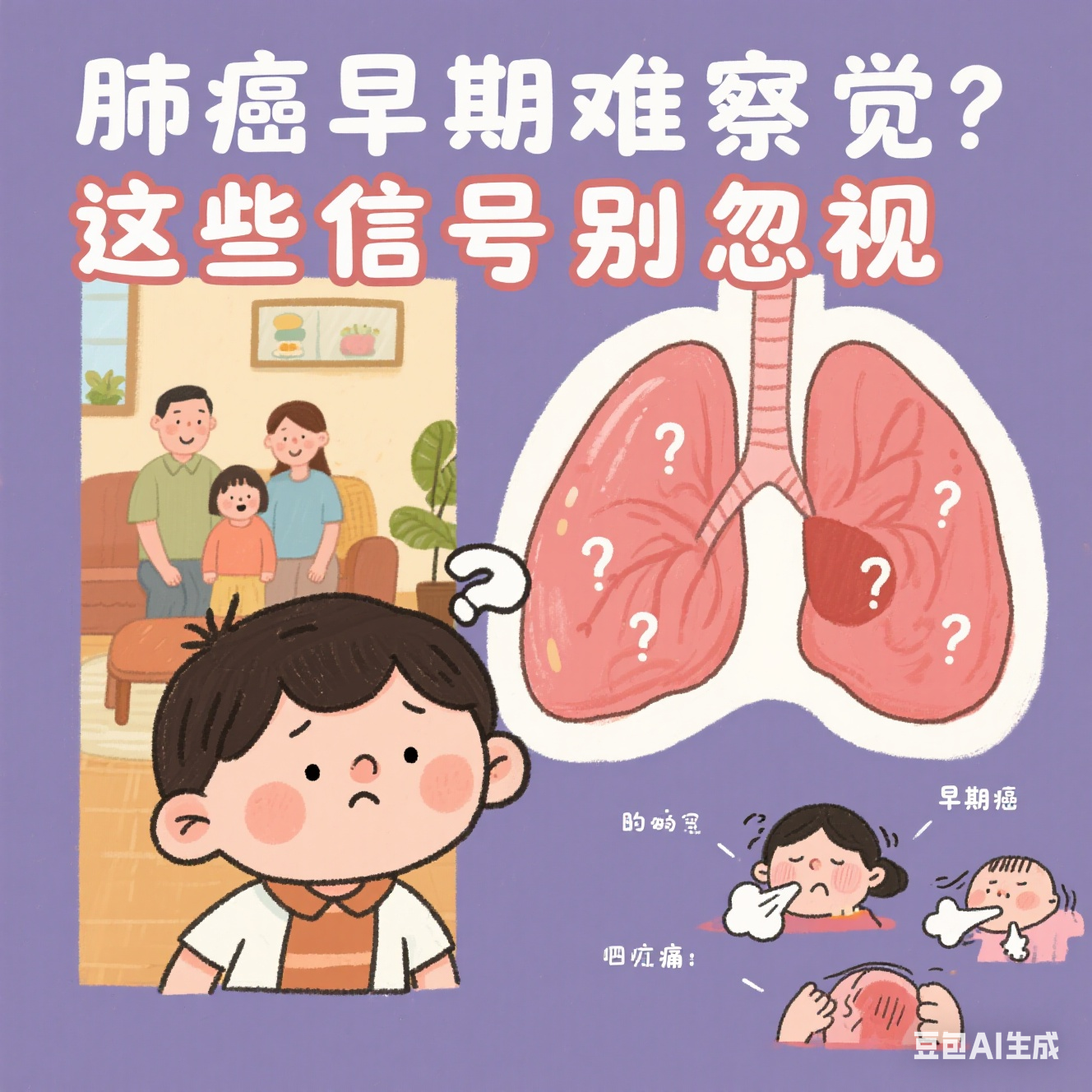
5. Is Early-Stage Lung Cancer Hard to Detect? Don't Ignore These Warning Signs!
Early-stage lung cancer symptoms are subtle but detectable:
Persistent cough: Dry cough without phlegm or coughing up blood-streaked sputum lasting over 2 weeks;
Breathing difficulties: Shortness of breath or wheezing after physical activity, progressively worsening;
Chest pain: Dull or aching pain in the chest, intensifying with breathing or coughing;
Hoarseness: Vocal cord paralysis caused by tumor compression on the recurrent laryngeal nerve;
Recurrent pneumonia: Frequent lung infections in the same area.
Screening Recommendations for High-Risk Groups:
Age ≥50 years with a smoking history of ≥20 pack-years (calculated as packs per day × years smoked, e.g., 1 pack/day for 20 years);
Quit smoking <15 years ago;
Family history of lung cancer or long-term exposure to carcinogens such as secondhand smoke, asbestos, or radon.
The final call to action: Every cigarette you put out is like pressing a "pause button" on life's damage to your body. No matter how long you've been smoking or how many cigarettes you smoke per day, it is never too late to quit. If you or someone around you is struggling with nicotine addiction, remember: staying away from cigarettes is not only taking responsibility for yourself but also protecting the health of your loved ones. Starting now, reject the habit of "cloud-chasing" and embrace a smoke-free life to give your lungs a chance to renew themselves.

Lanzhou Heavy Ion Center Consultation Hotline:
Director Li: +86 166 0931 3666
Teacher Yan: +86 176 9325 0603