Can Drinking 3 Cups of Green Tea Daily Help Prevent Cancer and Dementia? Avoid These 7 Tea Mistakes
Can Drinking 3 Cups of Green Tea Daily Help Prevent Cancer and Dementia?
Avoid These 7 Tea Mistakes to Maximize Benefits
In recent years, the claim that "drinking three cups of green tea daily can prevent cancer and dementia" has sparked widespread discussion. Multiple studies have shown that catechins in green tea (such as EGCG) possess antioxidant and anti-inflammatory properties, which can inhibit cancer cell growth and reduce beta-amyloid protein deposits, potentially playing a role in preventing Alzheimer's disease. However, it's important to note that most of these studies are based on laboratory experiments or epidemiological surveys and cannot be directly equated to "drinking tea equals immunity from disease." Health is the result of multiple factors working together, and tea drinking is just one piece of the puzzle. To truly benefit from green tea, one must also avoid the following seven common misconceptions about tea consumption.
Don't Let "Healthy Tea" Turn into a Health Hazard
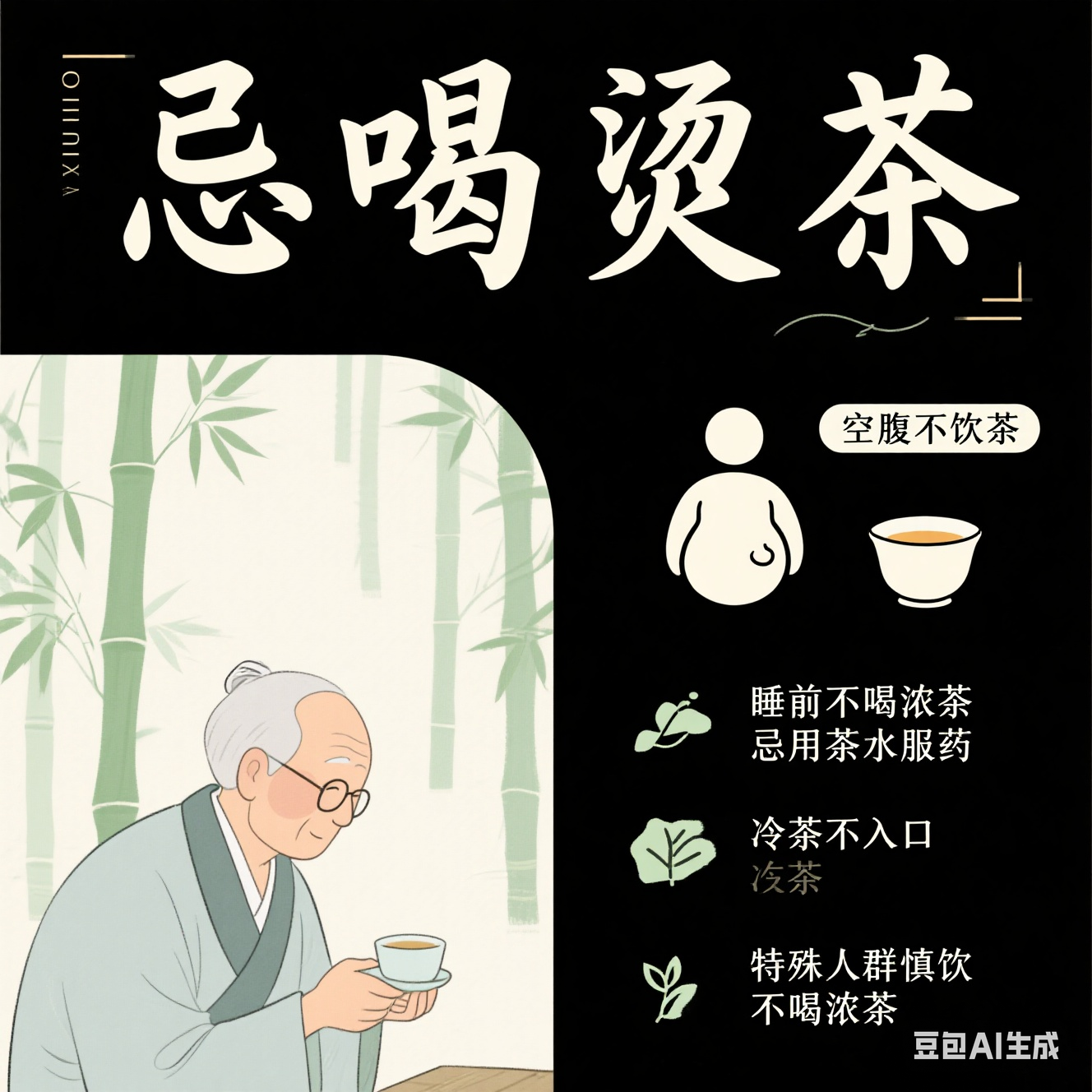
1. Avoid Drinking Scalding Hot Tea:
Tea hotter than 65°C (149°F) can repeatedly burn the esophageal lining, with prolonged irritation potentially leading to esophageal cancer. The ideal drinking temperature should be kept below 50°C (122°F)—"not too hot, not too cold" is the healthiest choice.
2. Don't drink tea on an empty stomach:
Green tea is rich in caffeine, which can stimulate excessive stomach acid secretion when consumed without food, leading to nausea, palpitations, and other discomforts—especially harmful for those with sensitive stomachs. It's best to drink tea at least one hour after a meal.
3. Avoid strong tea before bedtime:
Since green tea is unfermented and contains high levels of caffeine, drinking it before bed may cause insomnia. For nighttime tea consumption, opt for highly fermented teas like black tea or ripe pu-erh, which have lower caffeine content.
4. Don't take medicine with tea:
The polyphenols and tannic acid in green tea can bind with iron supplements, antibiotics, and other medications, forming indigestible precipitates that reduce drug efficacy. Avoid drinking tea within two hours before or after taking medication.
5. Don't drink cold tea:
Stale cold tea not only loses nutrients but also becomes a breeding ground for bacteria. Freshly brewed tea should be consumed immediately to preserve its antioxidant activity—overnight tea should be discarded without hesitation.
6. Special populations should drink with caution:
Pregnant and breastfeeding women who consume large amounts of tea may impair their babies' absorption of iron and calcium. Patients with gastric ulcers should avoid green tea as it can irritate the stomach lining and worsen symptoms.
7. Avoid overly strong tea:
Excessively brewed strong tea can lead to excessive caffeine and fluoride intake, potentially causing rapid heartbeat, dental fluorosis, or even fluoride poisoning. Use 2-3 grams of tea leaves per 150ml of water and brew for no more than three minutes.
Scientific Guidelines for Drinking Tea
Daily Consumption:
For healthy adults, drinking 3-5 cups (approximately 600-1000ml) of lightly brewed green tea per day is recommended to avoid excessive caffeine intake.
Brewing Techniques:
The optimal water temperature is around 80°C, which helps release the tea's aroma while preserving catechins to the greatest extent. The first brew doesn't require a long steeping time - just a quick rinse before drinking is sufficient.
Food Pairing Precautions:
Avoid drinking green tea with high-protein foods (such as milk or seafood), as tannic acid can bind with proteins to form indigestible compounds.

While green tea offers remarkable health potential, it is by no means a miraculous "cure-all." A balanced diet, regular exercise, and healthy lifestyle habits remain the fundamental pillars for disease prevention. The key lies in moderation and wisdom in consumption—only then can this treasured Eastern beverage truly become a reliable partner in your wellness journey.

Lanzhou Heavy Ion Center Consultation Hotline
Director Li: +86 166 0931 3666
Teacher Yan: +86 176 9325 0603